
04 Jan Moisture-Resistant Sheathing Boards Types Explained Simply
Moisture-resistant sheathing boards types help keep your house safe from water. These boards work like a shield, stopping rain, wet air, and leaks from getting inside your walls. Regular boards can soak up water and allow mold to grow, but moisture-resistant boards do not do this. Did you know that moisture causes most building problems? About 7 out of 10 building claims are related to moisture. When you look at moisture-resistant sheathing boards types, you see they remain strong even when wet. MgO boards are non-combustible, fight mold, and do not swell like plywood or OSB. This helps your house stay safe and last longer.
| Feature | MgO Sheathing | Standard Sheathing (OSB/Plywood) |
|---|---|---|
| Fire Resistance | Non-combustible | Combustible |
| Moisture & Mold Protection | Superior resistance | Prone to mold and water damage |
| Strength & Versatility | Higher impact | Lower impact |
| Dimensional Stability | Stays stable | Can warp or swell |
Key Takeaways
- Moisture-resistant sheathing boards help keep water out of your home. They stop mold and rot from growing. This makes your home safer to live in.
- MgO boards are very good at stopping water and fire. They work well in places like bathrooms and kitchens.
- Fiberglass-faced gypsum boards are light and strong. They are great for wet places. They also protect against water and fire.
- Cement boards are tough and last a long time. You can use them in many ways. But you need special tools to put them in.
- Picking the right sheathing board depends on your weather, money, and building needs. This helps keep your home safe.
Why Moisture Resistance Matters

Water Damage Protection
You want your walls to stay dry and strong. Water can get inside walls in many ways. Wet materials used in building can trap moisture. Leaving materials in rain also lets water in. Water vapor from inside air can move through walls. Airflow can carry water vapor into wall spaces. Small gaps between materials let water move by capillary action. Here is a simple table showing common ways water gets into walls:
| Source of Water Damage | Description |
|---|---|
| Built-in Moisture | Moisture trapped during building, often from wet or unprotected materials left in rain or melted snow. |
| Water Vapor | Indoor air brings water vapor, moving through walls by vapor diffusion and airflow, which carries more moisture than vapor diffusion alone. |
| Capillary Transport | Moisture moves through tiny pores in materials or between materials that attract water, especially in gaps smaller than ⅛ inch, and can happen in many building materials. |
Water-resistant sheathing helps block these problems. You get better protection from leaks and rain. Water-resistant boards work much better than regular boards. The table below shows how these boards compare:
| Feature | Moisture-Resistant Sheathing Boards | Traditional Sheathing Materials |
|---|---|---|
| Water Ingress Prevention | High | Moderate |
| Vapor Permeability | Controlled (SD values 0.5 – 2.0 m) | Low |
| Mold Prevention | Effective | Limited |
| Insulation Performance | Keeps R-value | Drops when wet |
| Long-term Durability | Strong | Can break down |
Water-resistant boards help keep your home safe and warm. These boards last longer and help insulation work better.
Mold and Rot Prevention
Mold and rot can damage walls and make you sick. You want to stop mold before it grows. Moisture-resistant boards help a lot with this. Scientists use the ASTM D3273 test to check how well boards fight mold. Many water-resistant boards get high scores on this test.
- ASTM D3273 is a test that checks how well wallboards resist mold and shows how much mold grows on them.
- People who switched from drywall to magnesium oxide board in wet rooms saw no mold for over three years.
You save money and avoid health problems with water-resistant boards. These boards keep walls dry and stop mold. You protect your family and your home.
Moisture-Resistant Sheathing Boards Types
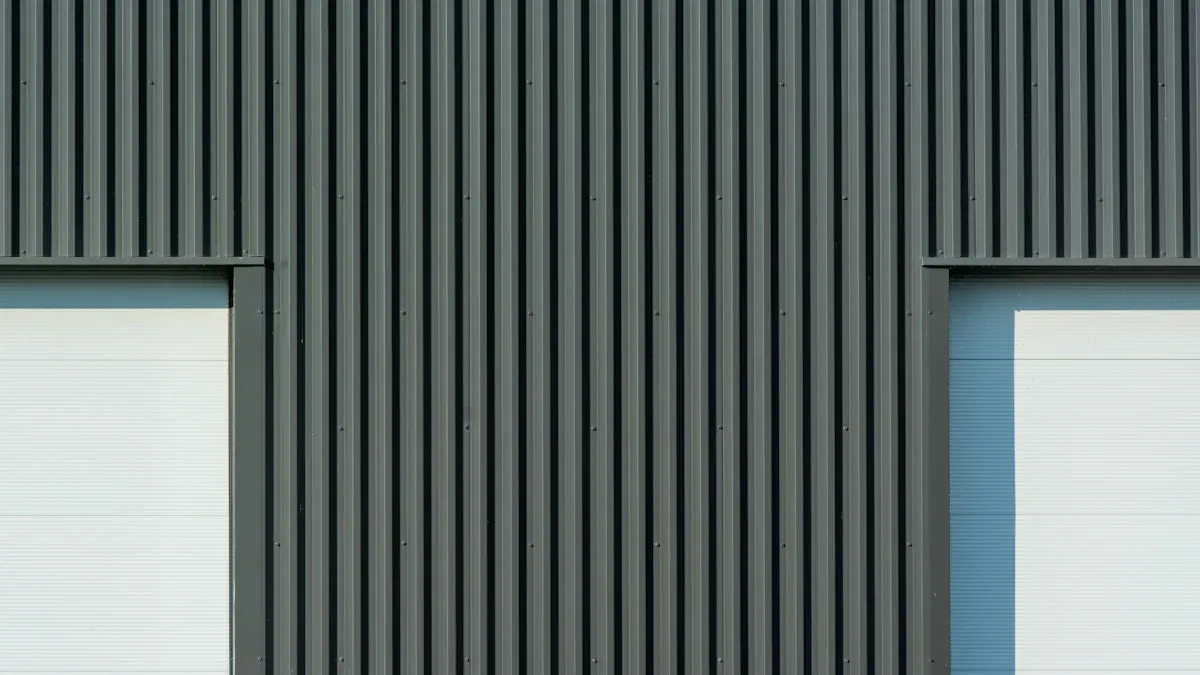
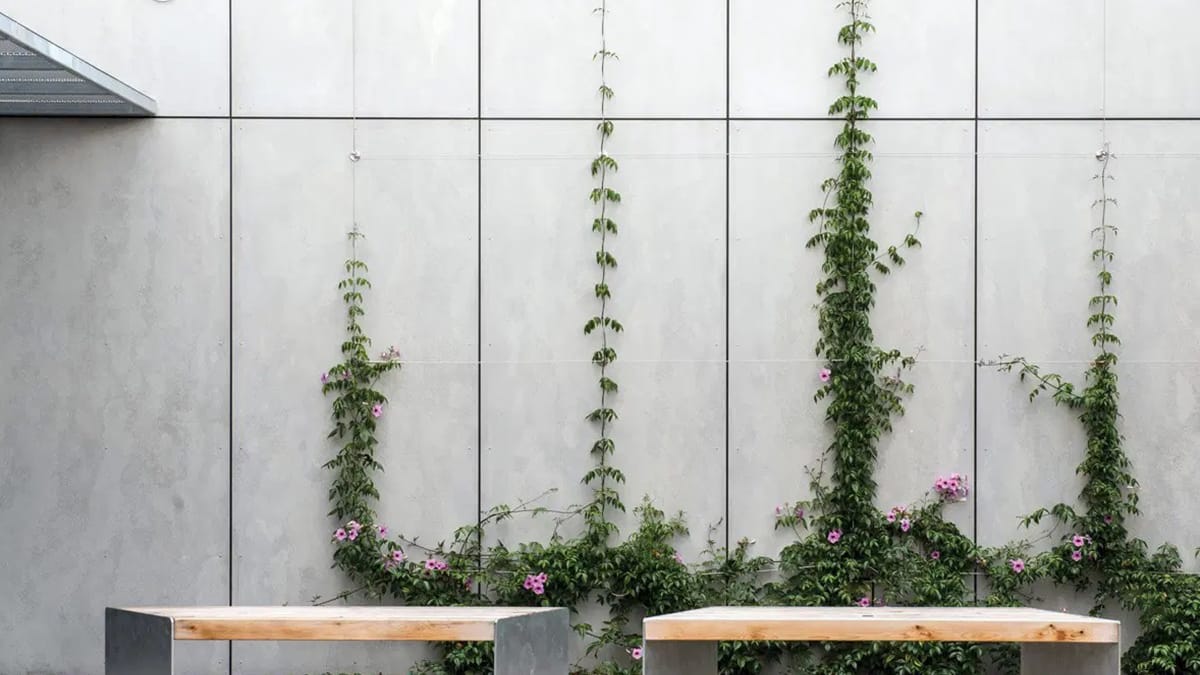
There are many kinds of moisture-resistant sheathing boards types. Each kind helps keep water out in its own way. Picking the right one helps protect your house. Let’s look at the main choices so you can decide what works best.
Fiberglass-Faced Gypsum
Fiberglass-faced gypsum boards have fiberglass on the outside. This makes them tough against water and mold. You might see names like DensGlass or Gold Bond eXP in stores. These boards work for inside and outside walls.
Here is a table that shows what fiberglass-faced gypsum can do:
| Feature/Application | Description |
|---|---|
| Moisture Resistance | These panels keep water away very well. |
| Mold Resistance | They help stop mold, so they are good for wet places. |
| Fire Resistance | These boards help protect against fire. |
| Exterior Applications | You can use them outside, like on roofs or walls. |
| Interior Applications | They work inside too, and stay strong in walls. |
Tip: Use fiberglass-faced gypsum in wet places like bathrooms. These boards do not dent or crack easily. You can cut them without much trouble. They also help keep your house safe from fire.
Some things that make these boards special are:
- They work well in damp rooms.
- They are strong if something hits them.
- They help protect from fire.
- They are light, so you can put them up easily.
- They use materials that are better for the planet.
Cement Board
Cement board is another good choice for moisture-resistant sheathing boards types. It is used where you need extra strength and water safety. Cement board does not bend or break when it gets wet. You might see brands like HardieBacker or PermaBASE.
Here is a table with the good and bad points:
| Advantages | Disadvantages |
|---|---|
| Keeps water out well | It is heavy to carry |
| Stops mold | Harder to put in place |
| Helps protect from fire | Costs more than some other boards |
| Lasts a long time |
|
| Does not bend or break when wet |
|
| Stays the same shape when wet |
|
| Good for wet places |
|
| Mold cannot grow on it |
|
You can use cement board for many things:
- Ceilings and floors
- Outside walls and roofs
- Countertops and cladding
- Inside walls and wet rooms
- Fire-safe walls and outdoor spots
Note: Cement board lasts for years and stops mold. You need special tools to cut it, and it is heavy. It costs more, but you get strong safety.
Treated Plywood & OSB
Treated plywood and OSB are common moisture-resistant sheathing boards types. Builders use them for roofs, walls, and floors. Plywood dries faster than OSB. OSB holds water longer and can swell. Both get better at stopping water when treated, but they still have limits.
Here is a table with their good and bad points:
| Material | Advantages | Disadvantages |
|---|---|---|
| Plywood | Strong, keeps its shape, looks nice, resists water, many types | Costs more, heavy, can come apart, not for every job, may have gaps |
| OSB | Cheap, strong, easy to use, resists water, many grades | Not fully waterproof, weaker in some ways, can break, has chemicals, rough look |
- OSB swells and grows mold more than plywood.
- Plywood soaks up water fast but dries out quickly.
- Both work for many jobs, but you must watch for water damage.
Tip: Use treated plywood or OSB where it does not get soaked a lot. They cost less, but you need to check for swelling and mold.
MgO Boards
MgO boards are newer moisture-resistant sheathing boards types. They are used where you need the best water, mold, and fire safety. MgO boards do not swell or change shape when wet. They work well in bathrooms, kitchens, and outside walls.
Here is a table that compares MgO boards to others:
| Feature | Magnesium Oxide Boards | Traditional Cement Boards |
|---|---|---|
| Moisture Resistance | Very good, takes in little water | Takes in water over time |
MgO boards have many good points:
- They are fully waterproof.
- They stop mold and mildew.
- They stay strong and do not change shape.
- They do not burn, so they are safe from fire.
MgO boards are used where you need fire safety and top protection. Many MgO boards meet strict rules like ASTM E136 and UL Two-Hour Fire Rating. Builders use them for walls, ceilings, and floors in homes and offices.
Note: MgO boards cost more than plywood or OSB, but they give the best safety. They help keep your house safe and healthy.
When you look at moisture-resistant sheathing boards types, you see each one is good at something. Fiberglass-faced gypsum is easy to use and good for wet places. Cement board is strong and lasts a long time. Treated plywood and OSB cost less but need care. MgO boards give the best safety and water protection. You can pick the right board to keep your house safe from water and mold.
Choosing Water-Resistant Sheathing
 Match to Environment
 Match to Environment
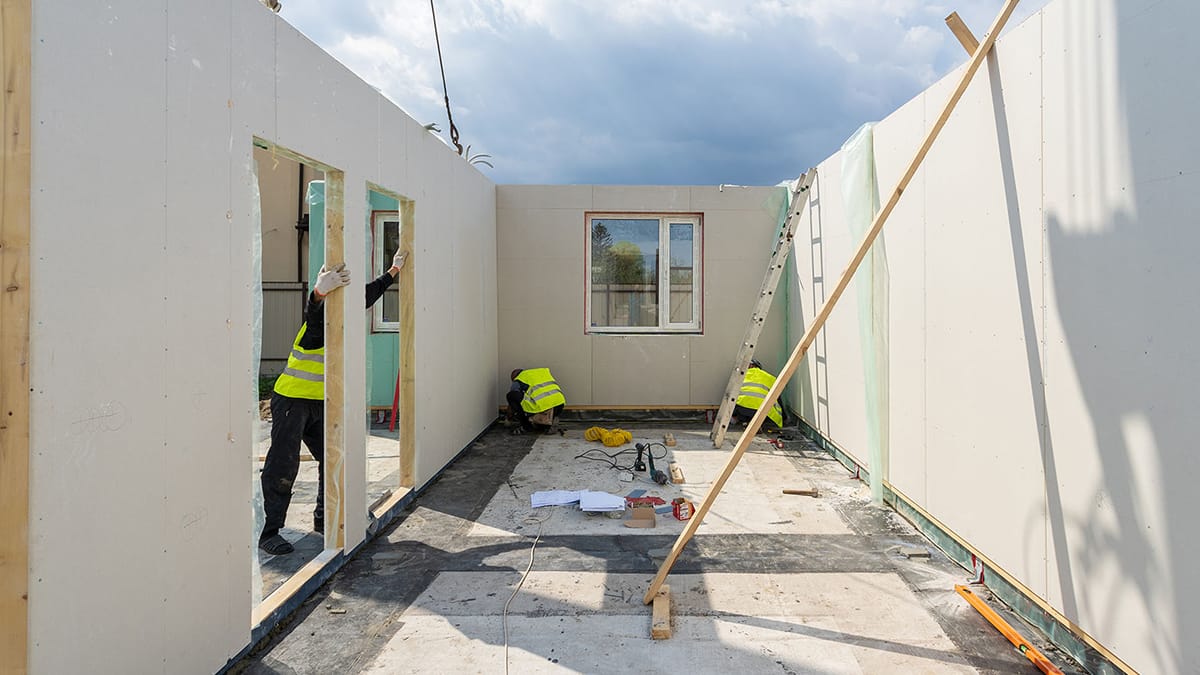
You want your home to stay safe in any weather. The right sheathing depends on where you live and what your house needs. Some boards work better in wet places, while others help in hot or fire-prone areas. Look at this table to see what matters most:
| Factor | Description |
|---|---|
| Moisture and Weather Resistance | Fiber cement and gypsum sheathing resist water and mold, great for humid places. |
| Fire Resistance | Gypsum and fiber cement boards help protect homes in fire-prone areas. |
| Thermal and Energy Efficiency | Insulating sheathing keeps your house warm or cool. Fiber cement and gypsum need extra layers. |
| Structural Strength | Plywood and OSB give strong support. Fiber cement may need more framing. |
| Cost and Budget | Some boards cost more, so pick what fits your budget. |
If you live near the coast or in a humid area, magnesium oxide boards and fiber cement boards work best. These boards do not soak up water or grow mold. In dry or fire-prone places, gypsum sheathing gives extra fire safety. For homes that need better insulation, insulating sheathing helps keep energy bills low.
Tip: Always check your local weather and building needs before you choose a board.
Budget and Installation
You also need to think about your budget and how easy it is to install each board. Some boards cost more but last longer. Others are cheaper but need more care. Here is a quick guide:
- Plywood and OSB cost less and are easy to find. You need to seal them to stop water damage.
- Gypsum sheathing needs careful installation and a weather barrier. It works well for fire safety.
- Fiber cement boards are tough but heavy. You may need help to install them.
- Insulating sheathing is easy to install and saves energy, but you must tape the seams well.
If you want a board that saves energy and is simple to put up, choose insulating sheathing. For strong support, plywood or OSB works well if you keep them dry. Pick the board that matches your budget, climate, and how much work you want to do.
Key Features to Consider
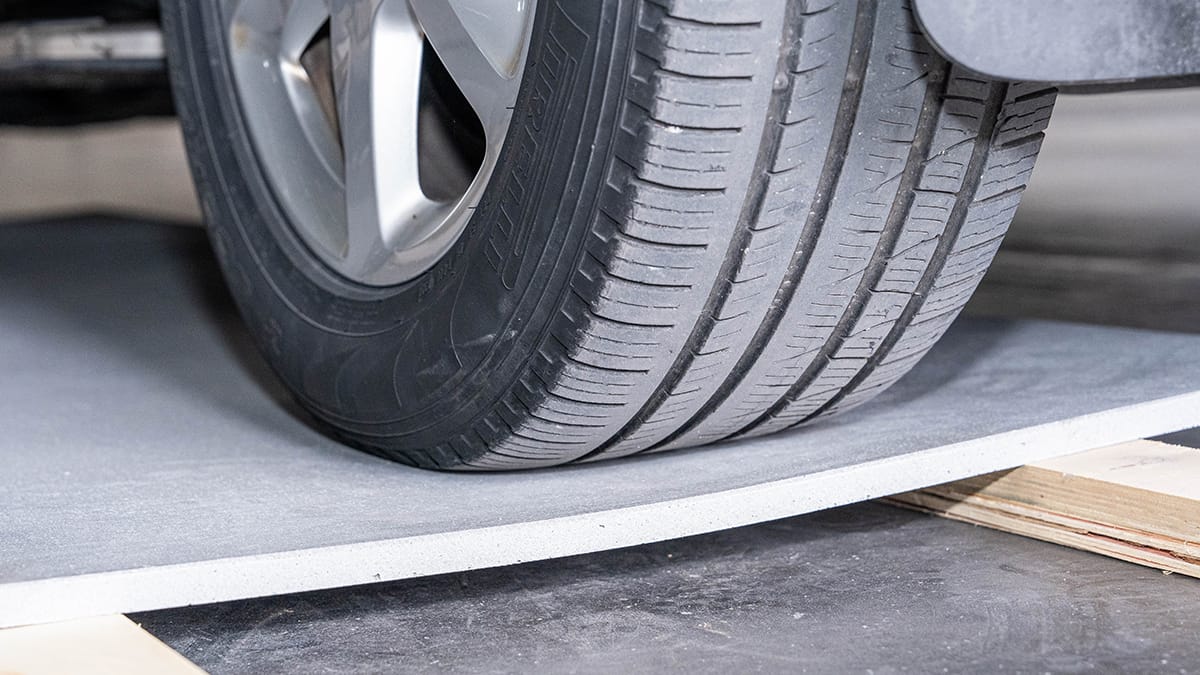 When you choose a moisture-resistant sheathing board, you want to look for the most important qualities. These features help you get the best moisture protection and keep your home safe for years.
| Feature | Description |
|---|---|
| Moisture Resistance Ratings | Shows how well a board can block water, often measured with perm ratings. |
| Manufacturer Specifications | Tells you how the board is made to resist water, including materials and design. |
| Strength and Durability | Explains how much weight the board can hold and how long it will last. |
| Material Options | Lists the types of boards you can pick, each with different moisture protection abilities. |
Water Resistance
You want a board that keeps water out. Water resistance means the board does not soak up water or let it pass through. Manufacturers test this in many ways:
- Valley Tester checks how much water gets through using electricity.
- Water absorption test measures how much water the board takes in by weighing it before and after soaking.
- Swelling test looks at how thick the board gets after being in water.
- Drop test times how fast water soaks into the board.
Boards with high water resistance ratings give you better moisture protection. Always check the product label for these ratings.
Durability
Durability means the board stays strong over time. Moisture-resistant boards last longer than regular wood boards, especially in wet places. Insulated OSB, for example, has a waterproof coating that stops water from getting in. This coating helps prevent mold and rot. You get a board that works well in humid or rainy areas and keeps its strength for many years.
- Insulated OSB uses a special resin to block water.
- The coating keeps mold and rot away.
- These boards work best where you see a lot of rain or moisture.
Installation Ease
You want a board that is easy to put up. Some boards install just like regular sheathing, which saves you time and effort. For example:
- LP WeatherLogic installs the same way as standard boards, so you do not need special tools.
- GlasRoc panels cut and fit like regular gypsum, making them simple to use.
Easy installation means you finish your project faster and with less trouble.
You have many choices for moisture-resistant sheathing boards. Each type works best for a different need. Use this table to help you decide:
| What You Need | Best Board Type |
|---|---|
| Wet or humid climate | MgO boards |
| Cold weather | Treated plywood or OSB |
| Save on energy bills | Insulated sheathing |
| Extra water protection | Add a weather barrier |
| Good airflow | Use a rainscreen |
You can always ask an expert if you feel unsure. With the right board, you keep your home safe and strong. 😊
FAQ
What is structural exterior wall sheathing?
Structural exterior wall sheathing makes your walls stronger. It helps your house stay up during storms and strong winds. Builders use it when a building needs more support.
When should I use non-structural exterior wall sheathing?
Use non-structural exterior wall sheathing if you want to stop water or fire but do not need extra strength. This type is good for insulation or blocking water from getting in.
Can I mix structural exterior wall sheathing and non-structural exterior wall sheathing?
Yes, you can use both kinds together. Put structural exterior wall sheathing on the lower floors for strength. Use non-structural exterior wall sheathing on the upper floors to help with moisture.
Tip: Always look at your local building rules before you mix sheathing types.
How do I know which sheathing board is best for my project?
Think about your weather, money, and what your walls need. Pick structural exterior wall sheathing if you want strong walls. Choose non-structural exterior wall sheathing for better water or fire safety.
Do all moisture-resistant boards count as structural exterior wall sheathing?
No, not every moisture-resistant board is structural exterior wall sheathing. Some only keep out water or mold. Always check the label to see if it adds strength or is just non-structural exterior wall sheathing.