
03 Jan Exploring the Long-Term Weather Resistance of MgO Boards
You can count on MgO board to last a long time. It keeps out water and stands up to bad weather. This is true even in wet or damp places. Many builders pick this material for bathrooms, basements, or near the ocean. It fights off water and mold better than most other choices.
Tip: MgO board Moisture & Weather Resistance stays strong after years of exposure.
Material | Moisture Absorption | Mold Susceptibility |
|---|---|---|
MgO Board | Very low (approx. 0.34%) | Low |
Gypsum Board | Higher (approx. 3%) | High |
Key Takeaways
MgO boards do not let in much water or mold. This makes them great for wet places like bathrooms and basements. These boards stay strong and keep their shape for more than 50 years. This means you do not need to fix or replace them often. MgO boards take in only a little water, about 0.34%. Gypsum boards take in almost 3% water, which is much more. If you install and seal MgO boards the right way, they keep out water even better. They also last longer in damp places. Using MgO boards helps keep the air inside cleaner and stops mold from growing. This makes the indoor space healthier.
MgO Board Moisture & Weather Resistance
Long-Term Durability in Humid Environments
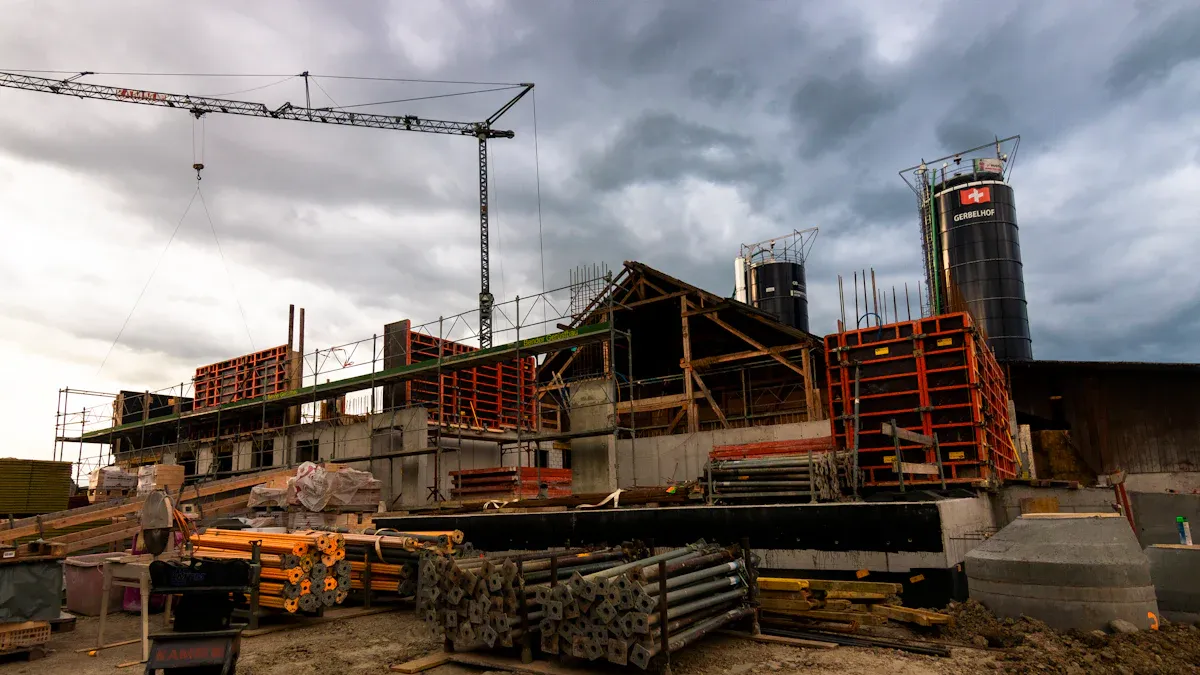
It is important for building materials to last a long time. This matters even more in places with lots of moisture. MgO board moisture & weather resistance helps in wet and humid areas. MgO board keeps its shape and stays strong for many years. Builders use it in bathrooms, basements, and near the ocean. It does not crack, swell, or rot like other boards. Real-world tests and studies show these results.
Here is how MgO board does in durability tests:
Test Criteria | Result |
|---|---|
Denting Resistance | High |
Screw Retention | Excellent |
Glue Strength | Strong |
Bending in Humid Conditions | Minimal bending observed |
Weight Capacity | High weight capacity |
Wind Resistance | Good performance in windy conditions |
Longevity | Long-lasting compared to gypsum boards |
Mold Resistance | Low tendency to grow mold |
Impact Strength | Up to 10 KJ/m2, superior to gypsum/cement |
Durability in Humid Environments | Maintains shape, does not crack or swell |
MgO board moisture & weather resistance works well for a long time. It keeps walls and ceilings safe in humid places. MgO board does not lose its strength like regular boards. You do not have to fix or replace it often.
Industry experts say MgO panels have many benefits:
MgO panels do not soak up much water because they are dense.
They keep their shape and strength in bathrooms and coastal buildings.
Their inorganic makeup stops mold and mildew, so air stays healthier.
Field studies show MgO board moisture & weather resistance is better than other materials. It gives great fire resistance, strong moisture resistance, and lasts over 50 years. Other materials need to be replaced sooner and can grow mold.
Feature | MgO Boards | Traditional Materials |
|---|---|---|
Fire Resistance | Class A ratings, withstands >1200°F | May burn or warp, release toxins |
Moisture Resistance | Excellent, resists mold and bacteria | Prone to mold growth and rot |
Longevity | Maintains integrity for 50+ years | Shorter lifespan, higher replacement costs |
Water Absorption and Structural Integrity
It is important to know how much water a board can take in before it gets weak. MgO board moisture & weather resistance means it absorbs very little water. Studies show MgO board only takes in 0.34% water. Gypsum boards can take in almost 3%. This low water absorption helps MgO board stay strong, even when wet.
Material | Water Absorption Rate |
|---|---|
MgO boards | 0.34% |
Gypsum boards | Nearly 3% |
MgO board does not swell, sag, or lose strength. It stays strong and does not rot. In high humidity, MgO board moisture & weather resistance protects buildings from damage. It is good for places that need high moisture resistance.
Building codes allow MgO board in projects with lots of moisture. It gives natural moisture resistance, works well in humid places, and lowers mold and mildew growth.
Feature | MgO Boards | Traditional Boards |
|---|---|---|
Moisture Resistance | Absorb water and deteriorate | |
Strength in Humid Conditions | Maintains strength | Weakens in wet conditions |
Mold and Mildew Resistance | Reduces growth | Prone to mold and mildew |
Fire Resistance | Superior fire resistance | Varies, often lower |
MgO board moisture & weather resistance gives peace of mind. It keeps its strength, even after years of water and humidity. Its high moisture resistance and low water absorption make MgO board the best for wet and humid places.
Composition and Moisture Resistance of MgO Board
 Why MgO Board Is Water resistant
 Why MgO Board Is Water resistant
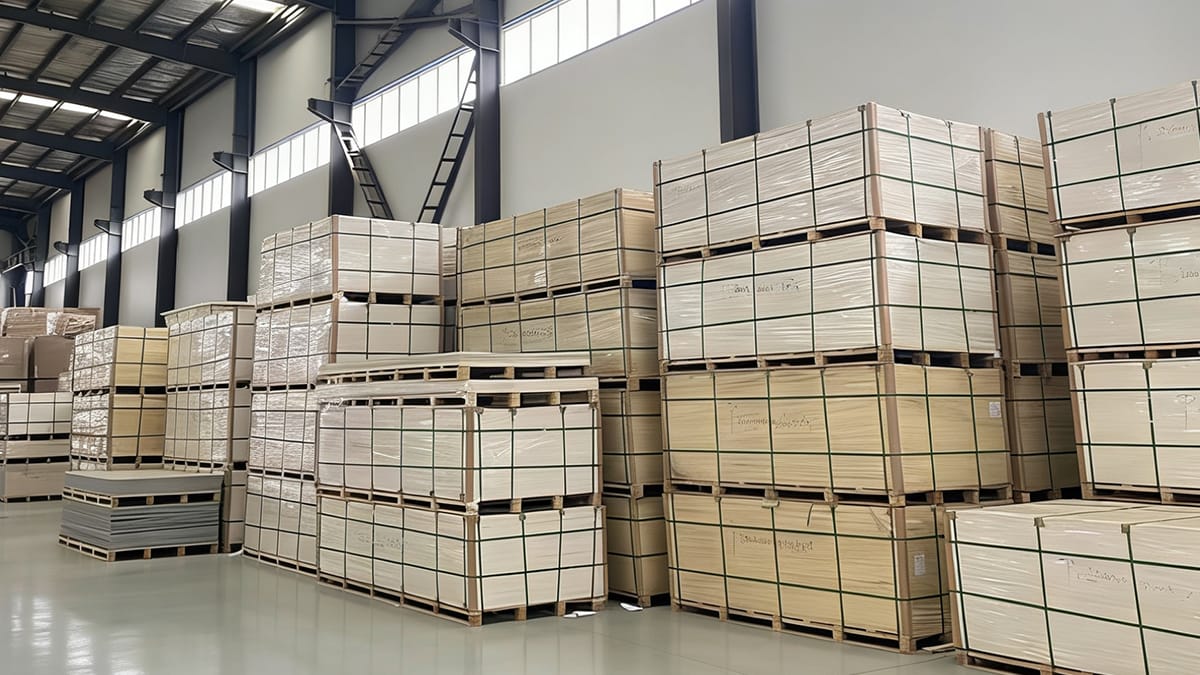
MgO board keeps out water because of how it is made. Its mineral structure blocks water from getting inside. This helps the board stay strong and safe from fire.
MgO boards use minerals to stop water from entering.
Magnesium oxide is inorganic, so moisture cannot soak in.
MgO boards stay waterproof, even when it is wet.
High alkalinity in MgO boards stops mold from growing.
The alkaline surface helps keep indoor air healthy.
The board gives good insulation because it does not break down when wet.
New changes have made MgO boards work even better. Chloride-free boards can resist water for over a year in humid places. Better curing and raw materials help the boards last longer. These changes also make insulation better and lower costs.
MgO boards absorb 37% less moisture than MOC boards. MOC boards can leak salty water and grow mold in humid places. MgO boards do not have these problems. You get strong insulation and fire resistance for many years.
Non-Combustible Materials and Mold Prevention
MgO boards do not burn and help keep you safe. They use minerals that do not catch fire and help with insulation. Their inorganic makeup stops mold and mildew from growing, even in damp places.
MgO boards do not decay, swell, or curl when wet.
Their natural makeup keeps mold and bacteria away.
MgO boards resist moisture and do not get weak over time.
You get good insulation and fire resistance every time.
MgO boards work well in damp places and stop mold growth.
The insulation stays strong, even after many years.
MgO boards are better than plywood and gypsum board at stopping mold. You have fewer mold problems, so you do not need much maintenance. MgO boards also help the environment. They use less energy to make, create less waste, and lower greenhouse gas emissions. You help the planet and get strong insulation and fire resistance.
Tip: MgO boards give long-lasting insulation, fire resistance, and mold protection. They are great for wet and humid places.
MgO Board vs. Traditional Materials
Moisture Resistance Compared to Gypsum and Wood Panels
 Moisture Resistance Compared to Gypsum and Wood Panels
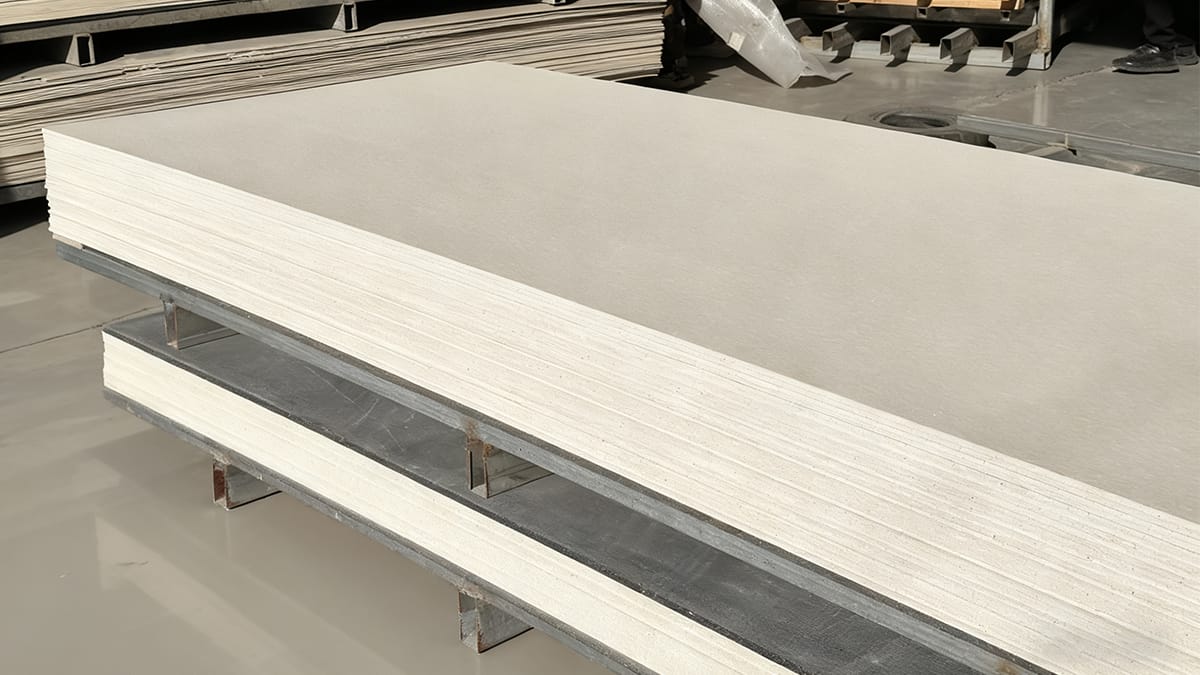
When you compare building materials, you want to know which one stands up best to water. Gypsum and wood panels often absorb moisture, which can lead to swelling, warping, or mold. MgO board gives you a much better result. It keeps water out and stays strong, even after weeks of exposure.
Here is a quick look at how these boards perform in moisture tests:
Board Type | Water Impermeability Test Result | |
|---|---|---|
Gypsum Board | 0.25 | Large water droplets after 24 h |
MgO Board | 0.13 | No traces of moisture after 24 h |
You can see that MgO board absorbs less water and shows no moisture traces after a full day. This means your walls and ceilings stay dry and safe.
Accelerated aging tests show MgO board keeps its strength over time.
Environmental simulations confirm it performs well in high humidity and heat.
Long-term field monitoring proves it lasts in real wet environments.
Wood panels can bend or crack when the weather changes. Gypsum boards may break down or grow mold. MgO board stands up to these challenges and keeps your building safe.
Performance in Flood-Prone and Coastal Areas
If you live near the coast or in a flood zone, you need a material that can handle tough conditions. MgO board does not absorb water at all. It stays strong and does not need frequent repairs. You save money because you do not have to replace it often.
Property | MgO Boards Performance |
|---|---|
Water Resistance | |
Environmental Impact | Environmentally friendly |
Fire Resistance | Non-flammable |
Compliance | Complies with FEMA requirements for flood damage resistance and mold resistance |
MgO board resists water and mold, so you spend less on maintenance.
It handles weather changes better than wood, which can bend or crack.
Its strength means lower long-term costs for you in coastal settings.
You get peace of mind with MgO board. It protects your home from water, mold, and fire, even in the harshest environments.
Installation and Maintenance in Wet Conditions
Best Practices for MgO Board Waterproofing
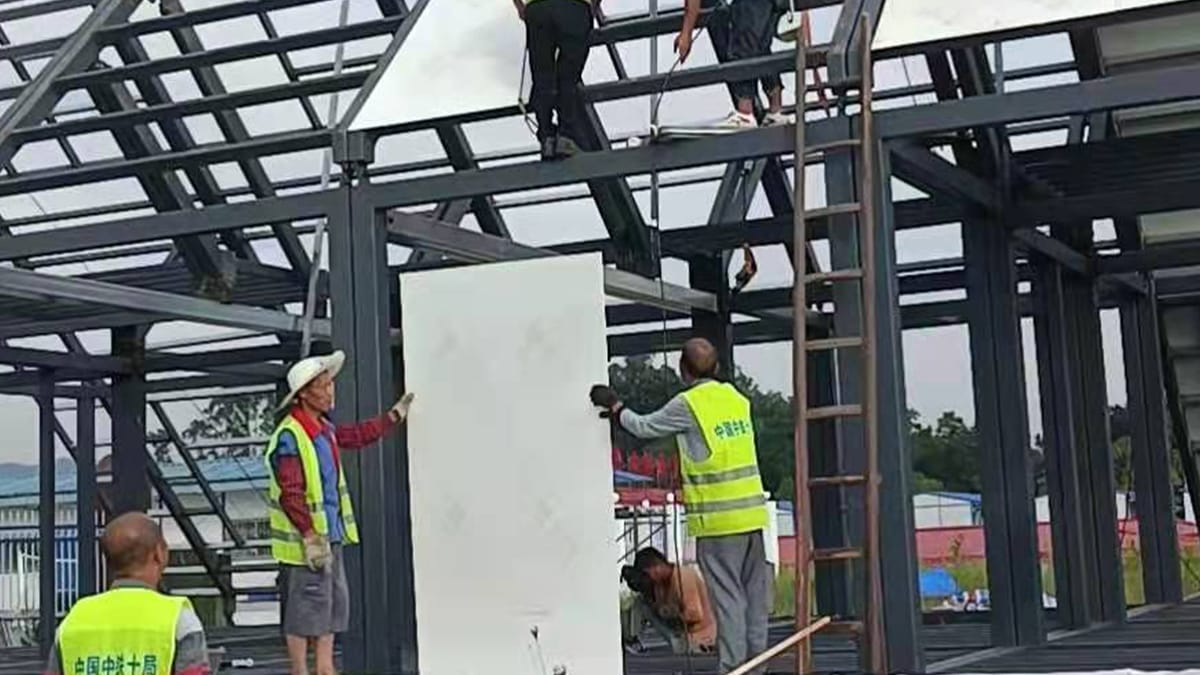 Best Practices for MgO Board Waterproofing
You want your mgo board waterproof installation to last in wet places. Start by cleaning the wall surface. Remove dust and debris so the board sits flat. Check the framing and make sure it is even. This helps you avoid gaps that let water in. Begin placing the board at the bottom and work your way up. Use corrosion-resistant screws or nails for support.
To improve waterproofing of mgo board, seal the seams with weather-resistant tape. This step keeps moisture out and protects the board. Inspect the edges and finish them neatly. Proper edge sealing is key for moisture resistance. If you leave joints unsealed, water can get in and cause problems. Use moisture barriers and sealing tapes to keep the board strong over time.
Key Point | Explanation |
|---|---|
Keeps mgo board waterproof and moisture resistant | |
Unsealed Joints | Can cause the board to lose its protective power |
Use of Barriers | Helps improve waterproofing of mgo board |
Tip: Always seal the edges and joints to protect your board in common applications in wet areas like bathrooms and kitchens.
Maintenance for Humid Environments
You can keep your mgo board in good shape with simple steps. MgO board waterproof panels absorb some moisture but release it without losing strength. This makes them perfect for common applications in wet areas. You do not need chemical treatments or extra coatings.
Follow these steps to extend the life of your board:
Inspect the board often for chips or cracks.
Repair damage quickly with special fillers.
Make sure gutters and drains work well to keep water away.
Regular cleaning helps too. Use a damp cloth and mild soap. Avoid harsh cleaners. Good ventilation stops moisture from building up. Choose boards with low chloride content and apply waterproof sealants if needed. Do not let the board get wet before sealing.
Common causes of moisture problems include high humidity and poor airflow.
Prevent these issues by keeping the area dry and well-ventilated.
Note: MgO board waterproof panels resist mold and mildew, so you spend less time cleaning and more time enjoying a healthy space.
You can trust MgO boards to protect your building in wet and humid places. These boards resist swelling, mold, and insects. They keep their shape and strength, even after years of moisture. You spend less on repairs and enjoy a healthier space.
Feature | MgO Boards | Gypsum Boards |
|---|---|---|
Up to 3% | ||
Durability | Superior | Standard |
Maintenance Costs | Low | High |
Choose MgO boards for bathrooms, basements, and coastal areas. You get long-lasting value and peace of mind.
FAQ
How long does MgO board last in wet areas?
You can expect MgO board to last over 50 years in wet or humid places. It keeps its shape and strength, even after years of moisture exposure.
Can you paint or tile over MgO board?
Yes, you can paint or tile over MgO board. Make sure the surface is clean and dry before you start. Use the right primer or adhesive for best results.
Does MgO board need special tools for cutting?
You can cut MgO board with standard tools like a utility knife or circular saw. Always wear a mask and goggles to protect yourself from dust.
Is MgO board safe for people with allergies?
MgO board does not support mold or mildew growth. It helps keep indoor air cleaner. You can use it in homes where people have allergies or asthma.