
02 Jan Benefits of Using MgO Boards in Wet Environments
You want a building material that stands up to water, humidity, and mold. MgO boards give you that peace of mind. These boards absorb only 0.34% moisture, while gypsum boards soak up nearly 3%. You see them used in kitchens, bathrooms, and basements because they do not swell, bend, or break when wet. Mgo board Moisture & Weather Resistance means you avoid costly repairs and enjoy cleaner air at home. More builders and homeowners choose MgO boards every year for their strength and reliability.
Key Takeaways
MgO boards take in only 0.34% water. This makes them great for wet places like kitchens and bathrooms. This stops mold and saves money on repairs.
MgO boards do not get bigger or bend when wet. They keep their shape and strength for a long time. This means they last longer than other materials.
MgO boards let water leave, so air stays dry. This lowers humidity and makes the air inside better. It helps people stay healthy at home.
MgO boards do not let mold or mildew grow. This is good for people with allergies. They help your home stay clean and smell nice.
For best results, seal the edges and use screws that do not rust. This makes the boards last longer and keeps out water.
MgO Board Moisture & Weather Resistance
Water Resistance in Humid Areas
You want your walls and ceilings to stay strong, even when the air feels damp. MgO board moisture & weather resistance helps you feel sure about that. These boards work very well in wet places like bathrooms, kitchens, and basements. When you use MgO boards, you keep your home safe from water problems.
Look at how different boards do in water tests:
Board | Moisture Movement (%) | Water Absorption Rate | Performance in Water Test |
|---|---|---|---|
A | 0.05 – 0.07 | Low | Traces of moisture after 24h |
B | 0.25 | High | Traces after 2h, droplets after 24h |
C | 0.13 | Low | No moisture after 24h |
D | 0.05 – 0.07 | Moderate | Traces of moisture after 24h |
E | 0.11 | Moderate | N/A |
F | 0.05 – 0.07 | Moderate | N/A |
MgO boards keep water out better than most other boards. They do not let water get inside, so you do not get mold or mildew. In kitchens, you have surfaces that stay dry and clean. In basements, you stop water from hurting your walls. In bathrooms, you get a fresh and healthy space every day.
Tip: Pick MgO boards for any room where you worry about water or leaks. You will spend less on repairs and have a safer home.
No Swelling or Warping
MgO board moisture & weather resistance means you do not have to worry about swelling or warping. Many old types of panels, like plywood or gypsum, change shape when they get wet. MgO boards stay flat and strong, even after many years in wet places.
MgO boards do not soak up water, but gypsum boards do.
Tests show MgO boards stay strong for a long time.
Simulations prove they work well in heat and humidity.
Long-term checks show they last in wet areas.
MgO boards keep their shape and strength in places like bathrooms and kitchens.
They stop mold from growing because they are waterproof.
MgO boards are great for places with lots of water, like pools and outside.
They do not swell, bend, or break down, even after being wet for a long time.
You want your walls to last a long time. MgO board moisture & weather resistance gives you that strength. You do not need to replace panels or worry about hidden damage behind tiles or paint.
Comparison with Other Panels
When you look at MgO board moisture & weather resistance next to other building materials, you see a big difference. MgO boards work better than plywood, gypsum, and even fiber cement in wet places.
Property / Material | Magnesium Oxide (MgO) Board | Plywood | Drywall (Gypsum Panels) |
|---|---|---|---|
Moisture Absorption | 0.34% | Higher | Higher |
Mold Growth | 0/0/0 (no mold growth) | Mold prone | Mold prone |
Dimensional Stability | No warping, swelling, or delamination | Warping, cupping | Swelling, crumbling |
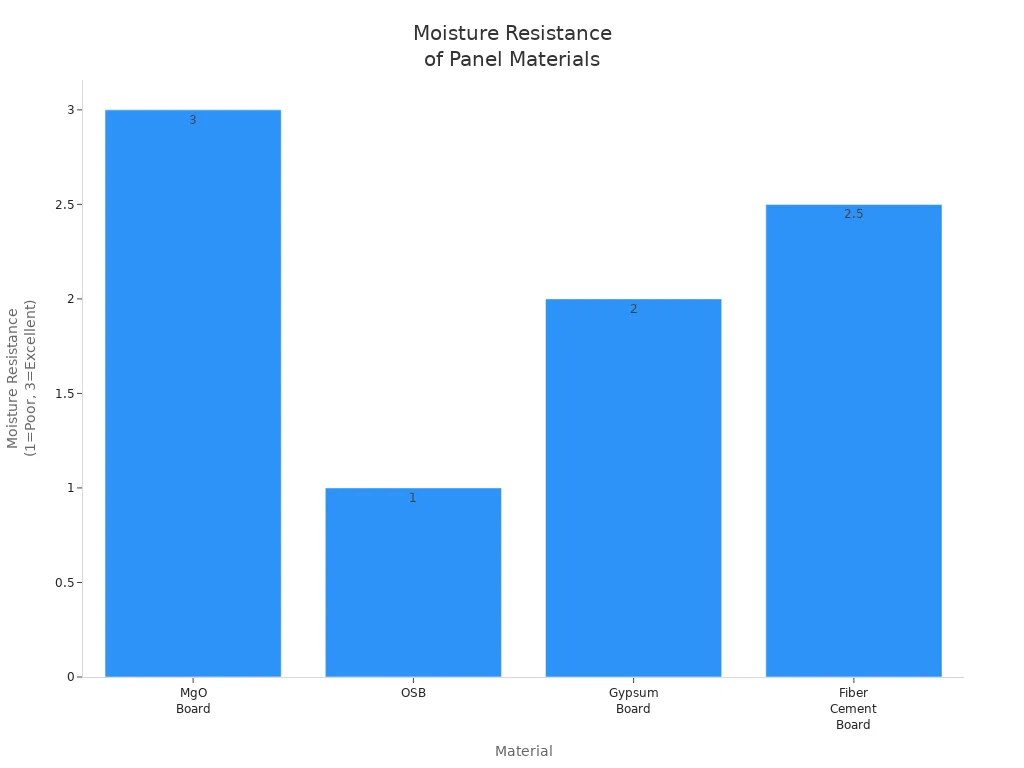
MgO boards do not swell, bend, or break down. Plywood and gypsum panels often fail in wet places. Fiber cement boards do better, but they can still soak up water over time. MgO board moisture & weather resistance is the best choice for any place where water is a problem.
Here is how MgO boards help in real homes:
Application Area | Key Benefits |
|---|---|
Bathrooms | Stops mold and mildew, keeps walls strong in wet air |
Kitchens | Great for humid places, helps keep air healthy |
Basements | Stops damage and helps control moisture |
You want something that lasts. MgO board moisture & weather resistance gives you peace of mind, lower repair bills, and a healthier home.
Breathability and Moisture Control
Natural Breathability of MgO Boards
You want your house to feel nice every day. Breathability is important in every room. It matters most where water can build up. MgO boards are breathable and help a lot. Air and water vapor can move through the board. This stops moisture from getting trapped. You do not have to worry about wet spots behind walls. Breathability keeps your air clean and safe.
MgO boards have a special structure for breathability. Your wall lets moisture out but blocks water from coming in. You do not need big dehumidifiers. In Coastal South Carolina, people used MgO boards. They saw less humidity in their homes. After a year, they had no mold or mildew. Breathability also saves money on energy bills. Your home stays dry by itself.
Note: MgO board breathability helps stop hidden water damage. It keeps your home healthy.
Moisture Buffering and Drying
Breathability does more than let air move. MgO boards work as a moisture buffer. They soak up extra water vapor when it is humid. They let it go when the air gets dry. This keeps walls strong and air comfortable.
MgO boards are better at moisture buffering than other materials. Tests show MgO boards protect your home’s structure. You do not see swelling or layers coming apart, even in wet places. MgO boards do not give off bad chemicals or fumes. You get clean air and safe walls.
Here are the main benefits of MgO board breathability:
Lowers indoor humidity
Stops moisture from building up
Makes air better
Keeps your home comfy
Feature | MgO Boards | Plywood | Drywall |
|---|---|---|---|
Breathability | High | Low | Low |
Moisture Buffering | Excellent | Poor | Poor |
Air Quality | Clean | Can trap moisture | Can trap moisture |
You want a home that feels fresh and safe. MgO board breathability gives you comfort. You get better air, fewer repairs, and a healthier place for your family.
Mold, Mildew, and Indoor Air Quality Benefits
 Mold and Mildew Prevention
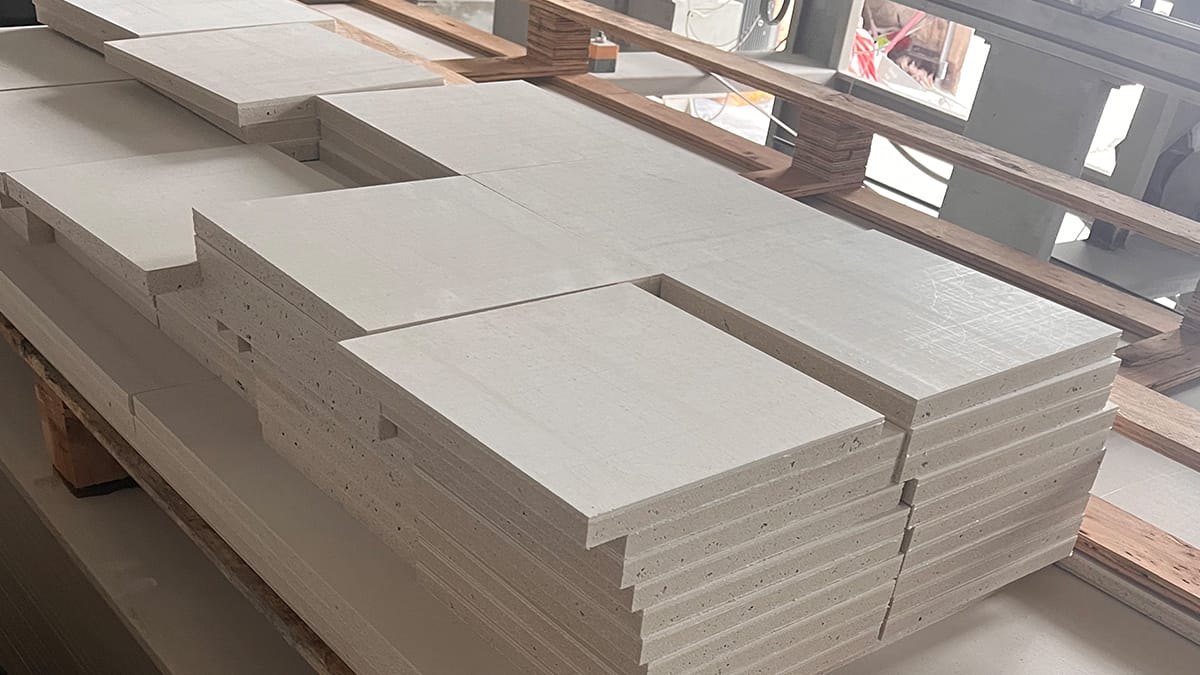 Mold and Mildew Prevention
You want your home to stay safe and healthy. MgO boards help you stop mold and mildew before they start. When you use MgO boards in wet areas, you protect your walls and ceilings from damage. Bathrooms, showers, and kitchens often have high moisture. These places need strong protection. MgO boards do not absorb water, so mold cannot grow. The alkaline nature of MgO makes it hard for mold and mildew to survive. You get peace of mind knowing your home stays clean.
Many builders in Florida trust MgO boards for their mold and mildew resistance. The state’s humid climate makes mold a big problem. MgO panels have passed strict tests and earned approval for use in these tough conditions. You see MgO boards used in showers and bathrooms because they block water and stop mold from spreading.
MgO panels work well in wet areas like bathrooms and showers.
Builders choose MgO boards for their resistance to mold and mildew.
Florida uses MgO boards because they perform well in humid climates.
MgO panels block water, stopping mold growth in places with high moisture.
You want to avoid costly repairs and health risks. MgO boards give you strong protection against mold and mildew. Your home stays fresh, and your family breathes easier.
Impact on Indoor Air Quality
You care about the air you breathe every day. MgO boards help you keep indoor air clean and healthy. Mold can make air unsafe, especially for people with allergies or asthma. When you use MgO boards, you lower the risk of mold in your home. These boards do not contain harmful chemicals. You do not have to worry about formaldehyde, silica, or asbestos. MgO boards use safe materials like magnesium oxide, magnesium chloride, perlite, woodchip, and fiberglass.
Lab tests show MgO boards score a perfect 0/0/0 on the ASTM G21 mold resistance test. This means no mold grows on the surface. You get a mold-free environment, which helps you breathe better. The moisture resistance of MgO boards keeps your walls dry. Mold and mildew cannot spread, so your air stays clean.
MgO boards work well in allergy-prone spaces. You want a safe place for your family, especially if someone has allergies. MgO boards protect against water and mold, helping you avoid triggers. The boards last a long time and keep your home healthy. They also help the environment by using eco-friendly materials and reducing carbon emissions.
Here is a quick look at why MgO boards are great for sensitive environments:
Feature | MgO Boards | Traditional Panels |
|---|---|---|
Mold Resistance | Excellent | Poor |
Mildew Resistance | Excellent | Poor |
Non-toxic Materials | Yes | Sometimes |
Allergy Safety | High | Low |
Fire Resistance | Yes | Sometimes |
Tip: Choose MgO boards for bedrooms, nurseries, and any space where clean air matters most. You protect your loved ones and create a healthier home.
You want to make smart choices for your home. MgO boards help you prevent mold and mildew, improve indoor air quality, and create a safe space for everyone.
Durability and Longevity in Wet Environments
Structural Strength Over Time
 Structural Strength Over Time
You want walls and ceilings that last many years. Wet places can make building materials weak. MgO boards stay strong in wet and humid spots. You see them in homes, resorts, and offices near the ocean. They work well in tropical climates too. MgO boards keep their strength after years with water around. Tests show they stay strong in heat and humidity. You do not see mold or mildew, even by pools or outside walls.
MgO boards stay strong for a long time in wet places.
You get strong walls in bathrooms, kitchens, and basements.
Studies show MgO boards do not get mold and stay tough.
In Ras Al Khaimah, UAE, a resort used MgO boards for five years. There was no mold. In Da Nang, Vietnam, a health center used fire-rated MgO boards. They got a LEED Silver award. In New Orleans, USA, a government building used MgO boards. They met hurricane rules and stayed strong after storms. Villas in Southern Italy needed little fixing over eight years. MgO boards gave them strength and lasted a long time.
Note: MgO boards stay strong inside, even if the outside gets old. The core stays stable, especially with coatings that resist moisture.
Resistance to Delamination and Rot
You want materials that do not break apart when wet. MgO boards do not fall apart or rot like plywood or cement boards. You do not see swelling, bending, or decay. MgO boards keep their shape and strength, even after getting wet many times. Plywood can bend and break, but MgO boards stay strong and look good.
Material | Performance in Wet Environments | Maintenance Requirements |
|---|---|---|
MgO Board | Strong and stable in wet and humid places | Needs little care |
Cement Board | Good with water but needs sealing | Needs sealing often to stay strong |
MgO boards need less care and stay strong longer. You do not need special treatments to keep them tough. MgO boards fight fungi, mildew, and bugs. You spend less time and money fixing things. You see their strength in coastal buildings and wet rooms like bathrooms and kitchens. MgO boards meet strict rules for water movement and soaking. They do not swell, bend, or break apart.
MgO boards last longer and fight water damage.
Cement boards need sealing, but MgO boards stay strong without extra work.
You get strong walls for years, even in hard climates.
Tip: Pick MgO boards for places where you want strong and lasting walls. You protect your building and feel safe.
Installation and Selection Tips
Best Practices for Wet Areas
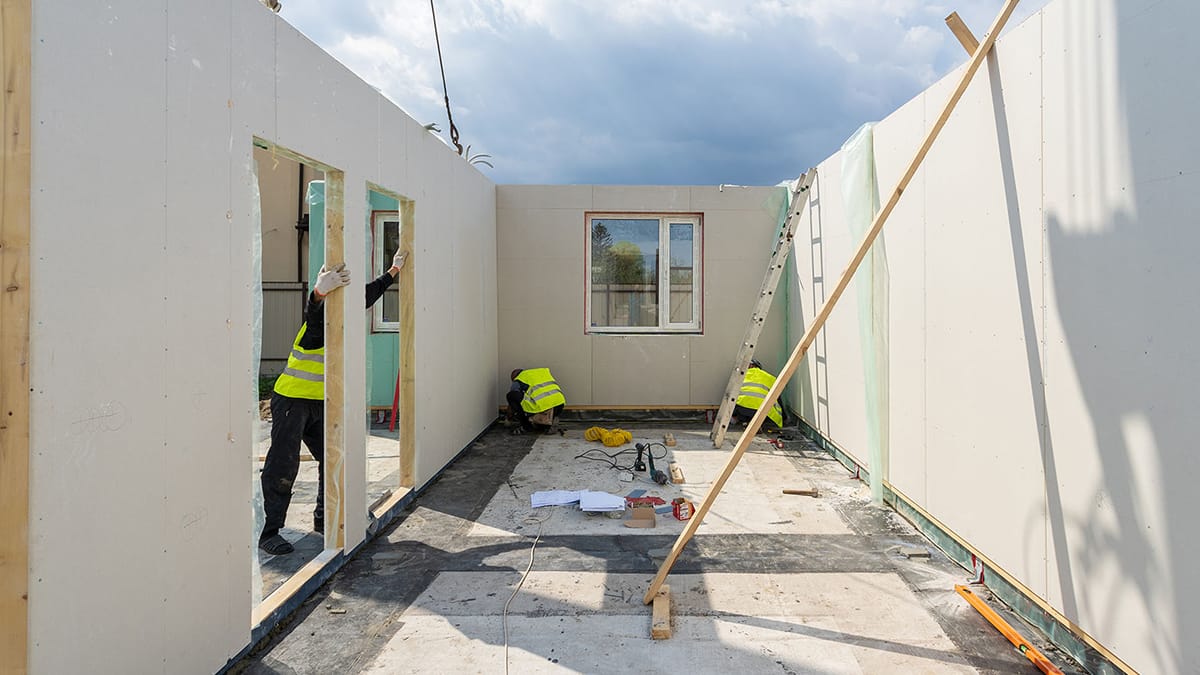 Best Practices for Wet Areas
You want MgO boards to last in wet rooms. You need to keep moisture away from your walls. First, seal all edges with waterproof sealant. This stops water from getting inside. Leave a small gap between each board. Make the gap about 1/8 inch wide. Fill these gaps with fire-rated sealant. This keeps your walls safe and dry. Use rust-resistant screws like 316-stainless steel. These screws do not rust in humid air. They hold the boards tight and strong.
Follow these steps for good results:
Seal every edge with waterproof sealant to block water.
Leave small gaps and fill them with fire-rated sealant.
Use rust-resistant screws to stop damage from humidity.
Pick MgO boards for kitchens, bathrooms, and basements. These rooms often have lots of moisture and humidity.
Tip: Always make sure your room has good airflow. Air movement helps lower humidity and stops water from hiding behind walls.
Choosing the Right MgO Board
You want to pick the best MgO board for your job. Look for boards with strong moisture control. Choose boards with a fire rating of ASTM E84 Class A. This means the board does not burn or make smoke easily. Make sure water absorption is less than 15% after 24 hours. Boards with this feature do well in humid rooms.
Check these things before you buy:
Criteria | Why It Matters |
|---|---|
Fire Rating | Keeps your space safe if there is a fire. |
Water Absorption | Handles moisture and humidity without swelling or rotting. |
pH Level | Stops screws from rusting in humid rooms. |
Formaldehyde & VOCs | Keeps your air clean, even in rooms with high humidity. |
Mechanical Strength | Makes sure your walls stay strong, even with moisture. |
Thermal Conductivity | Helps control humidity and keeps your room comfy. |
MgO boards are great at moisture control. They do not curl, swell, or rot in humid rooms. You get strong walls in kitchens, bathrooms, and basements. Do not use cement boards if you want less work. Cement boards need sealing and can soak up water over time.
Description | |
|---|---|
Not sealing edges | Lets water in and weakens moisture control. |
Skipping joint tape | Lets leaks and water build up at joints. |
Tight panel fitting | Stops boards from expanding, causing cracks in humid rooms. |
Using in fully immersed areas | Hurts boards with constant water. |
Poor ventilation | Traps water and raises humidity. |
Flat installations | Makes water build up more likely. |
Note: Pick the right thickness and grade for your room. Boards with magnesium sulfate do better in humid places. Do not use MgO boards where water is always present.
You want your home to fight moisture, humidity, and high humidity. MgO boards help you keep your walls dry and give you peace of mind.
You want your home to do well in wet places. MgO boards help by stopping water, mold, and fire. They last a long time and need little care. Look at this table to see the main benefits:
Benefit | Description |
|---|---|
Moisture Resistance | MgO boards keep water out in wet rooms. |
Mold Prevention | Stops mold and mildew from growing. |
Durability | Stays strong and keeps its shape for years. |
Fire Resistance | Makes your home safer from fire. |
Low Maintenance | Needs less fixing and cleaning. |
MgO boards work well in bathrooms and kitchens. Experts say these boards last longer and cost less to fix. People who use them have fewer problems with mold and warping. Builders see MgO boards do not rot or get bugs. You get a home that is safe, healthy, and strong.
Tip: Talk to an expert before you install. Make sure you check for water, seal the boards, and stop mold for best results.
MgO boards bend without breaking and stay steady.
They do not change size much.
You get low water soaking and easy setup.
You want a good solution for wet places. MgO boards give you the best benefits for these rooms.
FAQ
What makes mgo boards better for wet environments than other panels?
You get superior water protection with mgo boards. These panels resist swelling, warping, and fungal growth. You avoid costly repairs and enjoy long-lasting performance. Mgo panels keep your walls strong and clean, even in humid rooms.
Can mgo panels prevent mold, mildew, and termites?
You stop mold, mildew, and termites with mgo panels. The alkaline nature of mgo blocks fungal growth. These panels do not attract termites. You protect your home and improve indoor air quality.
How do mgo boards compare in fire resistance to other panels?
You gain peace of mind with mgo boards. These panels offer top fire resistance. Mgo panels meet strict safety standards. You lower fire risks and keep your family safe.
Are mgo panels easy to install in kitchens, bathrooms, and basements?
You install mgo panels quickly. These boards cut easily and fit tight. You use rust-resistant screws and seal edges for best performance. Mgo panels work well in kitchens, bathrooms, and basements.
Do mgo boards need special maintenance in wet areas?
You spend less time on maintenance with mgo boards. These panels resist water, fungal damage, and termites. You do not need extra sealing or treatments. Mgo panels stay strong and look good for years.
Tip: Choose mgo boards for every wet room. You get strong panels, better performance, and lasting protection.
Feature | Mgo Panels | Traditional Panels |
|---|---|---|
Water Resistance | Excellent | Poor |
Fire Resistance | High | Moderate |
Fungal Control | Strong | Weak |
Termite Proof | Yes | No |