
29 Dec MgO Board or Plywood for Moisture Protection in 2025
You want the best protection from moisture in 2025. Choose mgo board for your project. It absorbs almost no water, keeps its shape, and resists mold, even after many wet and dry cycles. Plywood, on the other hand, can swell, warp, and grow mold when exposed to moisture. The latest data shows that mgo board Moisture & Weather Resistance outperforms plywood in every key category.
Key Takeaways
MgO board stops water better, so it works well in wet places like bathrooms and kitchens.
Plywood takes in water, so it can swell and grow mold. This can hurt the building over time.
MgO board might cost more at first, but it saves money later because you need fewer repairs.
MgO board is light and simple to put in, so it is good for places with lots of water.
For the best results, always seal the edges of MgO board in very wet spots to help keep water out.
Material Basics & Moisture Resistance
What Is MgO Board?
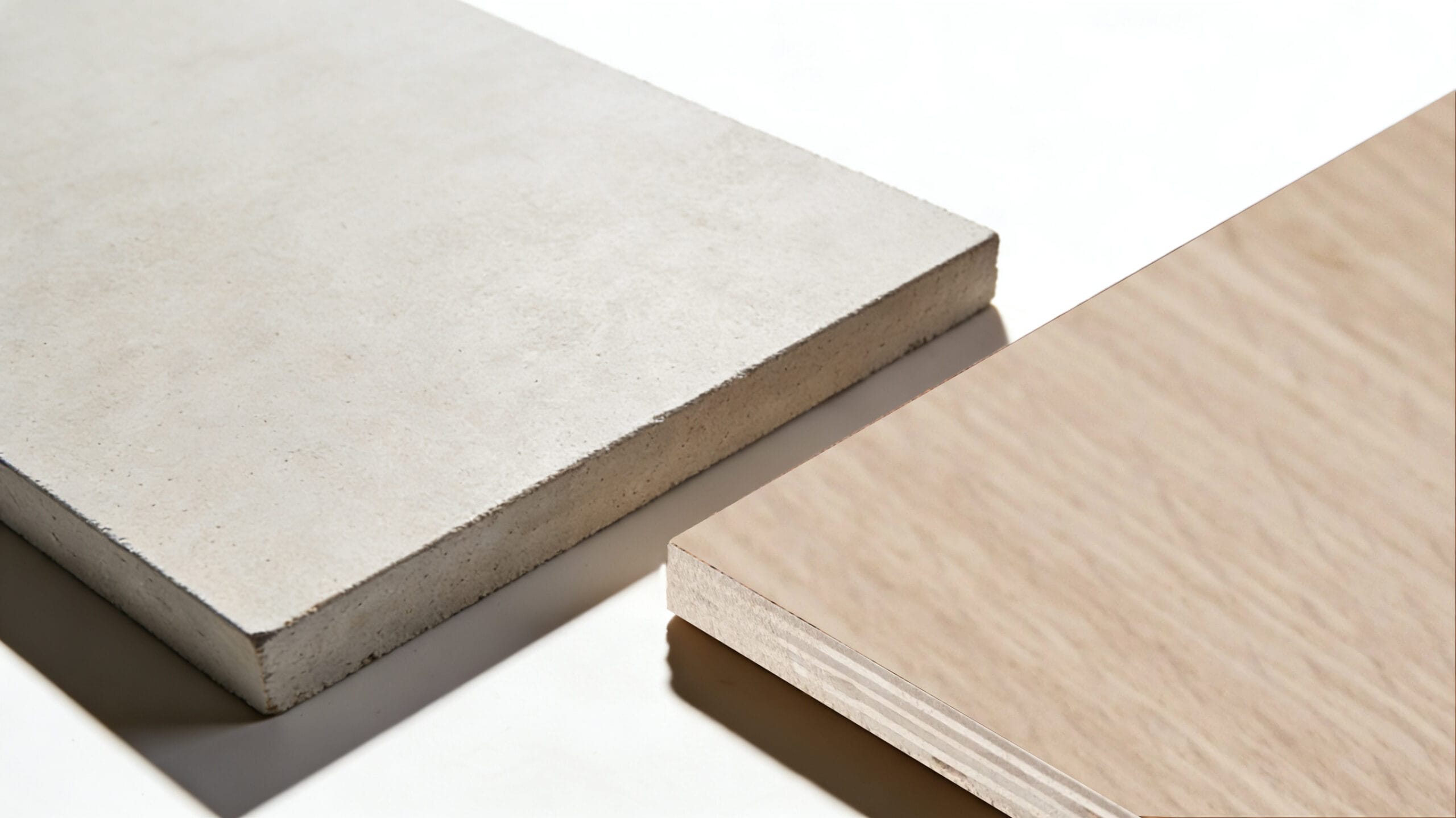
MgO board is a newer building material. MgO means magnesium oxide. Makers mix magnesium oxide with minerals and fibers. This creates panels that are strong and smooth. MgO board does not have wood or anything organic. You can use it for walls, ceilings, and floors. It works well in places with lots of moisture. Its inorganic parts help block water. Water cannot get in or harm the board easily.
What Is Plywood?
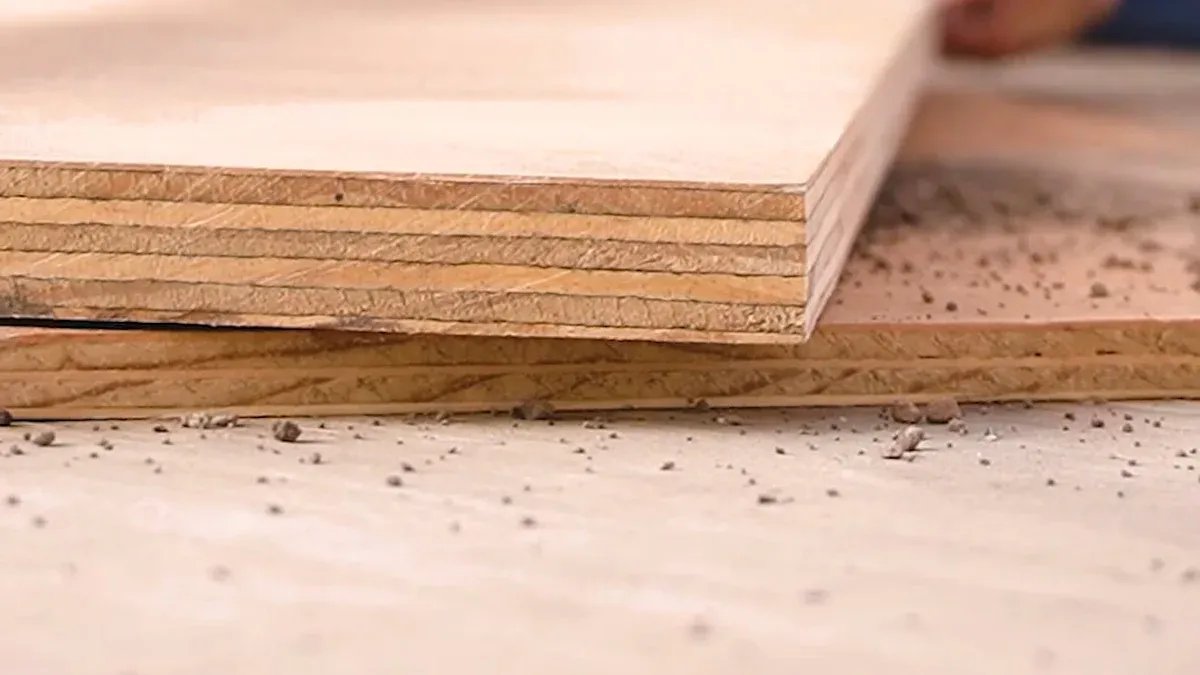
Plywood is used in many homes and buildings. It is made by gluing thin wood layers together. Each layer goes in a different direction for strength. Plywood is easy to cut and light to carry. It does not cost much. But plywood has wood fibers that soak up water. If plywood gets wet, it can swell or bend. Mold can also grow on it. This makes plywood not great for wet places.
How Material Affects Moisture Resistance
How each material is made changes how it deals with water. MgO board’s inorganic parts make it better at stopping moisture. Plywood has wood fibers that take in water. Over time, plywood gets weaker. Look at the table below to see the differences:
Property | MgO Board | Plywood |
|---|---|---|
Superior due to inorganic composition | Absorbs moisture, leading to warping | |
Dimensional Stability | Maintains size and shape under moisture | Buckles and warps in humid conditions |
Mold Resistance | Inorganic, no nutrition for mold growth | Contains organic materials that support mold |
Chemical Composition | Magnesium sulfate-based, absorbs less moisture | Contains cellulose and lignin |
Structural Integrity | Remains stable after moisture exposure | May lose structural integrity |
MgO board keeps its shape and strength after months of weather. Plywood might bend or get weak if it gets wet. If you need something that fights moisture well, MgO board is the best pick.
Moisture Resistance Face-Off: MgO Board vs Plywood
 Water Absorption Comparison
 Water Absorption Comparison
You want to know which material is better with water. The moisture resistance test starts with water absorption. Mgo board does not take in much water at all. Tests show magnesium oxychloride boards have a water absorption coefficient between 0.0023 and 0.0084 kg/m²s^0.5. These results come from lab tests using the partial immersion method in BS EN ISO 15148:2002. There are big differences in how much water different boards take in, but mgo board always stays low. Plywood takes in a lot more water because it has wood fibers. If you use plywood in wet places, it soaks up water fast. This makes plywood a risky choice for areas with lots of water.
Mgo board barely takes in any water.
Plywood soaks up water quickly and keeps it.
Plywood gets weaker when it gets wet.
Mgo board is good for bathrooms and kitchens.
Plywood does not do well in wet places.
Swelling, Warping, and Mold
You want your building to stay safe and strong. Mgo board helps with that. When mgo board gets wet, it keeps its shape. It does not swell or bend. Mgo board does not let mold grow because it does not soak up water. Plywood acts in a different way. When plywood gets wet, it can swell and bend. Sometimes the layers come apart, which is called delamination. Mold grows on plywood because it holds water and has organic stuff. You may need to fix or replace plywood after water damage.
Mgo board stays strong in damp places.
Plywood can swell, bend, and come apart after getting wet.
Plywood lets mold and rot happen in humid places.
Mgo board needs fewer fixes over time.
Plywood often gets water damage and needs to be replaced.
Tip: If you want less fixing and less mold, pick mgo board for wet places.
Real-World Performance in Humid Areas
You can see the difference in real buildings. Mgo board works well in humid places all over the world. Plywood often fails if it gets wet for a long time. Here are some examples:
Region | Application | Benefits | Outcome |
|---|---|---|---|
Europe | High fire resistance, moisture and mold resistance, great insulation | Faster building, strong walls, better safety | |
Australia | Floor underlayment under tiles | Moisture resistance, strong under pressure, quick to install | Floors last longer and need less fixing |
Middle East | Exterior cladding and interior partitions | Fire resistance, UV and heat resistance, light weight | Strong and safe buildings that meet local rules |
You see mgo board used in bathrooms, kitchens, and outside walls. Builders pick mgo board because it fights moisture and lasts a long time. Plywood does not last as long in these places. You spend more time and money fixing plywood problems. Mgo board helps you worry less in wet and humid places.
Durability After Moisture Exposure
Structural Integrity Over Time
 Structural Integrity Over Time
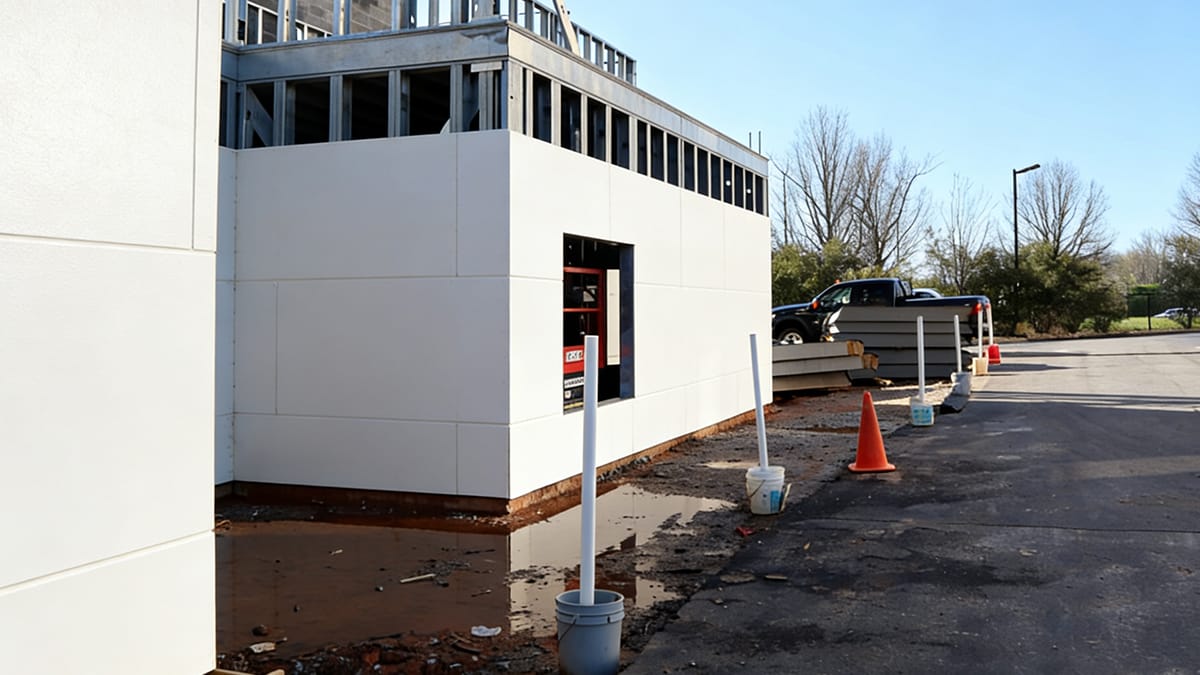
You want your building materials to stay strong year after year. MgO board keeps its structural integrity even when exposed to moisture for a long time. Recent studies show that MgO board goes through tough aging tests with high humidity and heat. The board may lose a little strength, but it still holds up well. Plywood does not perform as well. When plywood gets wet, it swells and warps. This can cause big problems for your walls or floors. You may see cracks or bending. MgO board gives you better durability in wet places.
Resistance to Rot and Decay
Rot and decay can ruin building materials. MgO board does not rot because it has no organic parts. Mold and mildew cannot grow on it easily. You get a material that lasts longer and needs fewer repairs. Plywood contains wood fibers. These fibers soak up water and feed mold. Over time, plywood can rot and break apart. You may need to replace it more often. MgO board offers better durability against rot and decay.
Note: If you want less mold and fewer repairs, MgO board is the safer choice for wet areas.
Performance in Wet/Dry Cycles
Building materials face many wet and dry cycles. MgO board stands up to these changes. It keeps its shape and strength after many cycles. Plywood loses strength and may split or delaminate. The table below shows how each material performs after repeated wet/dry cycles:
Material | Surface Moisture Absorption | |
|---|---|---|
MgO Boards | 0.34% | Maintains strength |
Plywood | N/A | Drops 9% strength |
OSB | N/A | Loses 40% strength |
Gypsum | Nearly 3% | Falls 36-52% strength |
MgO board resists water, mold, and mildew.
Plywood warps and loses durability when soaked.
You get better durability with MgO board in places that get wet and dry often. Your project will last longer and need fewer fixes.
Installation & Handling in Wet Conditions
Cutting and Fastening
When you work with construction materials in wet areas, you want easy handling and strong results. MgO boards are lighter than many other cement-based boards, so you can carry and install them with less effort. You can cut MgO boards with standard tools, but always wear a dust mask and safety glasses for protection. These boards do not swell or warp, even if they get wet. This makes them a smart choice for high-moisture environments.
For fastening, use 316-stainless steel or ceramic-coated fasteners. These resist rust and keep your construction materials secure. Place fasteners at least 4 inches from corners and space them evenly. When you attach MgO boards to steel, leave a 1/16-inch gap between panels. For wood framing, use a 1/8-inch gap. This helps the boards adjust to changes in temperature and humidity.
Plywood is easy to cut, but it can swell or delaminate if it gets wet. You need to be careful with fasteners, as wet plywood may not hold screws as well as dry material.
On-Site Storage
Proper storage keeps your construction materials in top shape. Use these tips to protect both MgO board and plywood:
Storage Practice | Description |
|---|---|
Dry Conditions | Store plywood in a dry place to stop warping and mold. |
Temperature Control | Keep plywood in a stable temperature to protect its strength. |
Avoid Direct Sunlight | Shade plywood from the sun to prevent fading. |
Proper Stacking Techniques | Stack on level surfaces and use pads for airflow. |
Limit the Height of Stacks | Keep stacks about four feet high for safety. |
Protection Against the Elements | Cover plywood with tarps to block rain and snow. |
Elevating from Ground Level | Store plywood off the ground to avoid moisture. |
Regular Inspection and Maintenance | Check plywood monthly for mold or warping. |
Maintaining Cleanliness | Keep storage areas clean to reduce moisture risks. |
Storage and Handling Tips | Store MgO boards flat in a dry area, away from the ground. |
MgO boards need flat storage in a dry spot. Do not let them touch the ground or get wet. Secure them during transport so they do not shift or bend.
Tips for Moisture-Prone Areas
You want your construction materials to last in high-moisture environments. MgO boards work well in bathrooms, kitchens, and other wet spaces. They do not absorb water, so they keep their shape and strength. Plywood needs extra care. Store it on a raised platform and use sealants like marine varnish for better water protection.
Tip: Always acclimate your boards to the room’s temperature before you install them. This helps prevent gaps or movement later.
MgO boards resist mold and stay stable, even when the weather changes. You get reliable results in high-moisture environments when you follow these steps.
Cost & Long-Term Value
Upfront Costs
 Upfront Costs
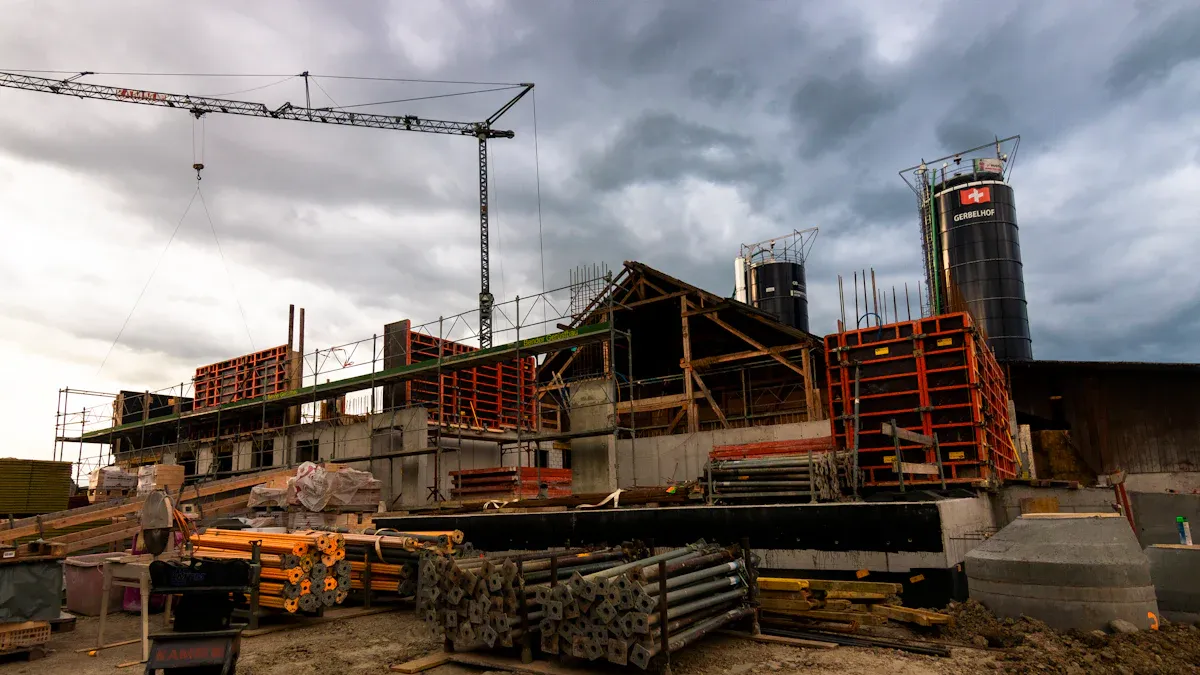
You want to know how much you will spend at the start. MgO board costs more than plywood. You pay for better moisture protection and longer life. The table below shows the average prices in 2025:
Material | Price per m² (2025) |
|---|---|
MgO Board (6mm) | $8–$12 |
MgO Board (8mm) | $10–$15 |
MgO Board (12mm) | $14–$20 |
Plywood | Cheaper than MgO Board |
Plywood gives you a lower upfront cost. MgO board costs more, but you get extra benefits for wet areas.
Maintenance and Replacement
You want your building to last with less work. MgO board needs little maintenance. It does not swell, warp, or grow mold. You do not need to replace it often. You save time and money on repairs. Plywood needs more care. It can swell and bend when wet. You may see mold or rot. You often need to fix or replace plywood in damp places. This means more work and higher costs over time.
Tip: If you want less hassle and fewer repairs, choose MgO board for moisture-prone spaces.
Value Over Time
You want your investment to last. MgO board gives you strong value over many years. It resists moisture and keeps its shape. You do not worry about swelling or warping. Plywood may cost less at first, but it does not last as long in wet areas. You may spend more on repairs and replacements. MgO board works well for cost-effective subflooring in bathrooms and kitchens. You get better performance and lower long-term costs.
Plywood needs more repairs and replacements.
You save money with MgO board over time.
You make a smart choice when you pick MgO board for areas with lots of moisture.
MgO Board Moisture & Weather Resistance: Extra Benefits
Fire and Pest Resistance
Magnesium oxide sheathing does more than stop water. It also helps protect against fire. This material does not burn fast. It can handle very hot temperatures. It slows down flames if there is a fire. This makes homes and buildings safer. You can use it in kitchens, bathrooms, and outside walls. These are places where fire safety is important. If there is a fire, you have more time to get out. Magnesium oxide sheathing does not make toxic smoke. You can breathe better during a fire. It also keeps away bugs and mice. Its special makeup stops insects and rodents. Mold and mildew cannot grow on it, even when it is damp. This makes buildings last longer and stay strong.
Magnesium oxide sheathing gives you good fire safety.
It also stops pests and mold from growing.
You can use it for fire safety in every room.
Environmental Impact
Choosing magnesium oxide sheathing is good for the earth. MgO board moisture & weather resistance uses natural things. Making it uses less energy and makes less pollution. It does not have bad chemicals or VOCs. This keeps the air inside clean. You can recycle or reuse magnesium oxide sheathing. It breaks down safely and does not hurt the ground or water. Other boards can pollute, but this one does not. Using magnesium oxide sheathing is better for the planet.
MgO board moisture & weather resistance helps lower pollution.
Magnesium oxide sheathing is safe for nature and breaks down.
It helps keep the air inside your house clean.
Common Limitations
MgO board moisture & weather resistance is great, but it has some limits. Magnesium oxide sheathing is not fully waterproof. If you leave it in water for a long time, it can soak up water. The edges and seams need to be sealed. This stops water from getting in. In places with lots of splashing, you may need a special coating. This gives extra protection.
Limitation | Description |
|---|---|
Not completely waterproof | If it stays in water, it can soak some up. |
Edges and seams are vulnerable | You need to seal them to stop water damage. |
Surface treatment may be needed | In splashy places, use a coating or membrane for more safety. |
You get the best results if you follow these tips. MgO board moisture & weather resistance works best when you install and care for it right. Magnesium oxide board is great for fire safety and pest control, but always check what your project needs.
Quick Comparison Table
You want to pick the right material for wet places. This table helps you see how MgO board and plywood are different. It shows how each one works when there is a lot of water or humidity.
Feature | MgO Board (MagPanel®) | Plywood |
|---|---|---|
Superior | Lower | |
Water Resistance | High | Moderate |
Swelling/Warpage | Minimal | Common |
Structural Integrity | Maintains strength | Weakens |
Fire Resistance | Excellent | Poor |
Pest Resistance | Strong | Weak |
Environmental Impact | Low | Moderate |
Upfront Cost | Higher | Lower |
Maintenance Needs | Minimal | Frequent |
Best Use | Wet/humid areas | Dry areas |
Tip: MgO board stops mold and mildew better than plywood. Plywood does not work as well in damp rooms.
MgO board is good for bathrooms, kitchens, and basements. It stays the same shape and does not let mold grow. Plywood is better for rooms that stay dry. If plywood gets wet, you might have to fix or change it more.
MgO board keeps water out very well.
Plywood soaks up water and can get bigger.
You do not have to fix MgO board as much.
Plywood is cheaper at first, but you fix it more.
MgO board is a better pick for places with lots of water. This table makes it easy to choose the best material. If you want your project to last in wet spots, MgO board is the smart choice.
Final Recommendation
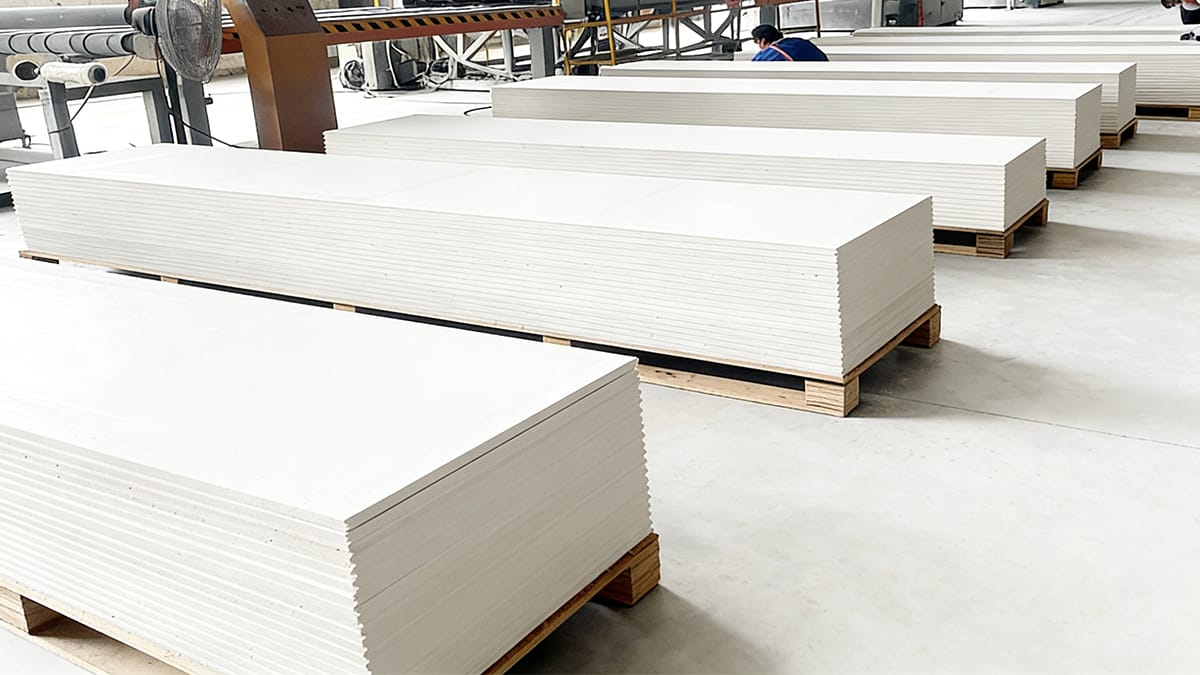 If you want your building to last in wet places, MgO board is the best choice for 2025. It works well in bathrooms, kitchens, and basements. MgO board keeps its shape and does not let mold grow. It also stands up to fire. Most of the time, you do not need extra coatings. It is easy to put in and saves you money over time.
Plywood is good for dry rooms. If you use plywood in wet spots, you need special kinds. Marine plywood and BWP grade plywood can handle water better. You must add barriers or coatings to keep water out. This means you spend more time and money on care.
Tip: Always check where you will use your material. Wet places need stronger moisture protection.
Here is a simple guide to help you pick:
Material | Advantages | Recommendations |
|---|---|---|
MgO Board | Great at stopping water, lasts long, good for the earth | Use in all wet places; add extra barriers for very wet spots. |
Plywood | Costs less, easy to cut | Only use waterproof types in wet places; always add a barrier. |
MgO board gives you more good things:
Stops water very well
Mold cannot grow on it
Simple to install
Top fire safety rating
Works in all wet places
Plywood needs more work:
Pick waterproof types for wet spots
Use treatments to stop mold
Add strong barriers to block water
You make a smart choice with MgO board in wet rooms. You save money and do not have to fix things as much. If you want the safest and longest-lasting answer, MgO board is the best pick for moisture protection in 2025.
You can spot big differences between MgO board and plywood. MgO board stays strong and keeps its shape when wet. Plywood gets bigger and weaker if it gets wet. The table below shows how each one works:
Characteristic | MgO Board | Plywood |
|---|---|---|
4–11% at 75% humidity | High absorption rate | |
Dimensional Stability | Stays stable when humid | Swells and warps easily |
Strength After Moisture | Nearly all strength kept | 9% strength lost |
Tip: Pick MgO board for bathrooms, kitchens, and basements. Use plywood only in dry rooms or if you need to save money.
FAQ
What makes MgO board better than plywood for moisture protection?
You get better moisture protection with MgO board because it does not absorb water easily. The board keeps its shape and strength. Plywood can soak up moisture, which leads to swelling and mold. MgO board stays dry and safe in wet places.
Can I use MgO board in bathrooms or kitchens with high moisture?
Yes, you can use MgO board in bathrooms and kitchens. These rooms often have high moisture. MgO board resists moisture, so it will not swell or grow mold. You get a strong and long-lasting wall or floor in these wet spaces.
Does plywood offer any moisture resistance?
Plywood has some moisture resistance, but it is not enough for very wet areas. The wood layers can soak up moisture. This causes swelling, warping, and mold. You need to add sealants or barriers if you want plywood to last in places with moisture.
How do I store building materials to avoid moisture damage?
Store MgO board and plywood in a dry place. Keep them off the ground. Cover them to block rain and moisture. Good storage stops moisture from causing damage. You protect your materials and make sure they last longer.
Do I need extra coatings for MgO board in high-moisture areas?
You may need extra coatings on MgO board if the area has a lot of moisture or direct water contact. Sealing the edges and seams helps block moisture. In splash zones, use a waterproof coating for the best moisture protection.
Tip: Always check the room’s moisture level before you install any material.