
20 Jan What Are the Different Types of Sheathing Boards and How Are They Used
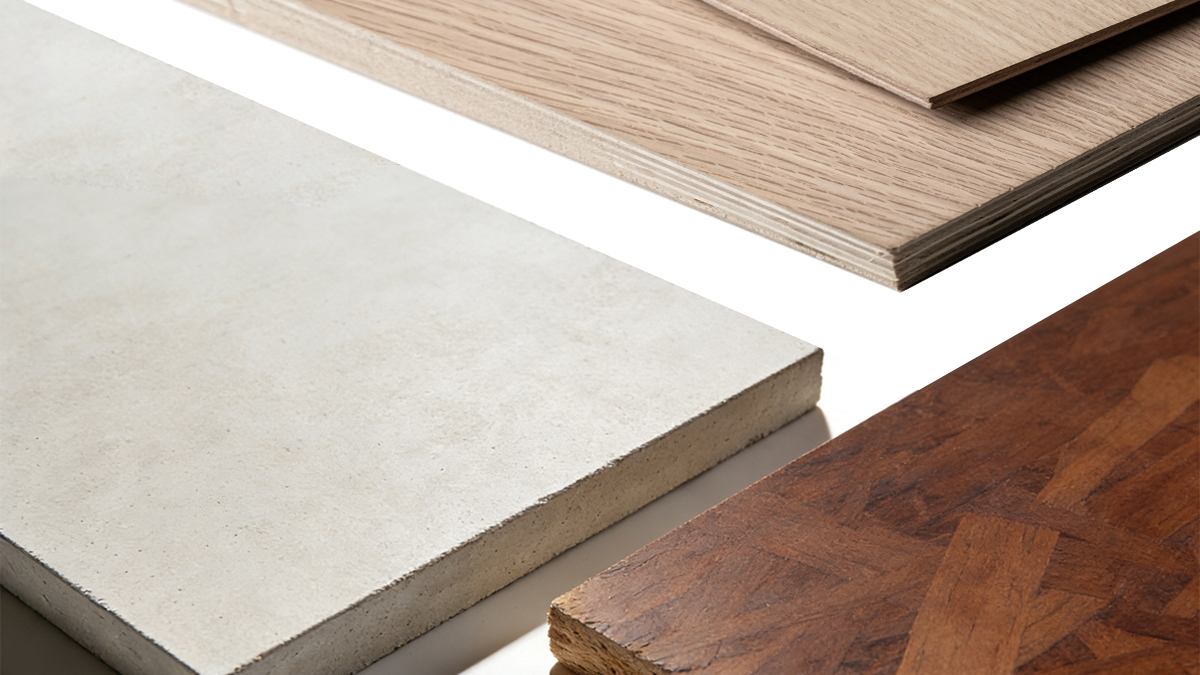
You can see many kinds of sheathing board types in building work. These include wood panels like OSB and plywood, gypsum boards, cement boards, glass mat boards, and engineered products.
OSB panels are the most commonly used among the sheathing board types. Plywood is still prevalent but can bend if it gets wet.
Gypsum boards, another of the sheathing board types, do not weigh much.
Calcium silicate and fiber cement boards are excellent against water and fire, making them popular sheathing board types.
Picking the right sheathing board types helps with support, insulation, and safety. Learning about different sheathing board types helps you choose safely and save money.
Key Takeaways
Sheathing boards help buildings stay strong. They also keep heat in and block bad weather. This makes buildings safer and saves energy.
You need to pick the right sheathing board. Some types are plywood or OSB. Your choice depends on what your project needs. Think about things like water and fire safety.
Always check local building codes before you choose. This helps you follow rules and keeps your project safe.
Install sheathing boards the right way. Leave small gaps so boards can expand. Use the correct fasteners to make them last longer.
Each sheathing material has special benefits. MgO boards stop fire and water. Foam boards keep heat in very well.
Sheathing Boards: Purpose and Function
Sheathing boards are very important in building projects. They do more than just cover walls or roofs. They help your house stay strong and comfortable. They also make your house look nice. The table below explains what sheathing boards do in buildings:
Function | Description |
|---|---|
Structural Support | Gives strength and support to the building’s frame. |
Insulation | Helps keep heat inside and cold outside to save energy. |
Weather Resistance | Shields the building from wind, rain, and snow. |
Aesthetic Integration | Makes the building look better while still working well. |
Structural Support
Sheathing boards help your house stay strong. They attach to the frame and help walls and roofs stand up to wind. The right sheathing keeps your building safe in storms. Flexible sheathing helps walls not move or fall in strong winds. Some companies say their boards are stronger than they really are. You should always check the facts to keep your building safe.
Sheathing boards give a flat base for roofing.
They hold shingles and tiles in place during storms.
These boards also block water from getting inside your house.
Insulation and Protection
Sheathing boards help save energy and protect your house. Thermal sheathing keeps heat in during winter and out in summer. This makes your house more comfortable and saves money on bills.
Rigid foam and SIPs keep heat from escaping.
These boards stop heat from leaking through walls.
Many sheathing boards use recycled or natural stuff, like fiberboard from old wood.
Picking green sheathing helps the earth and cuts down on waste.
Tip: If you choose the right sheathing, your house will be strong, save energy, and help the planet.
Sheathing Board Types for Exterior Walls
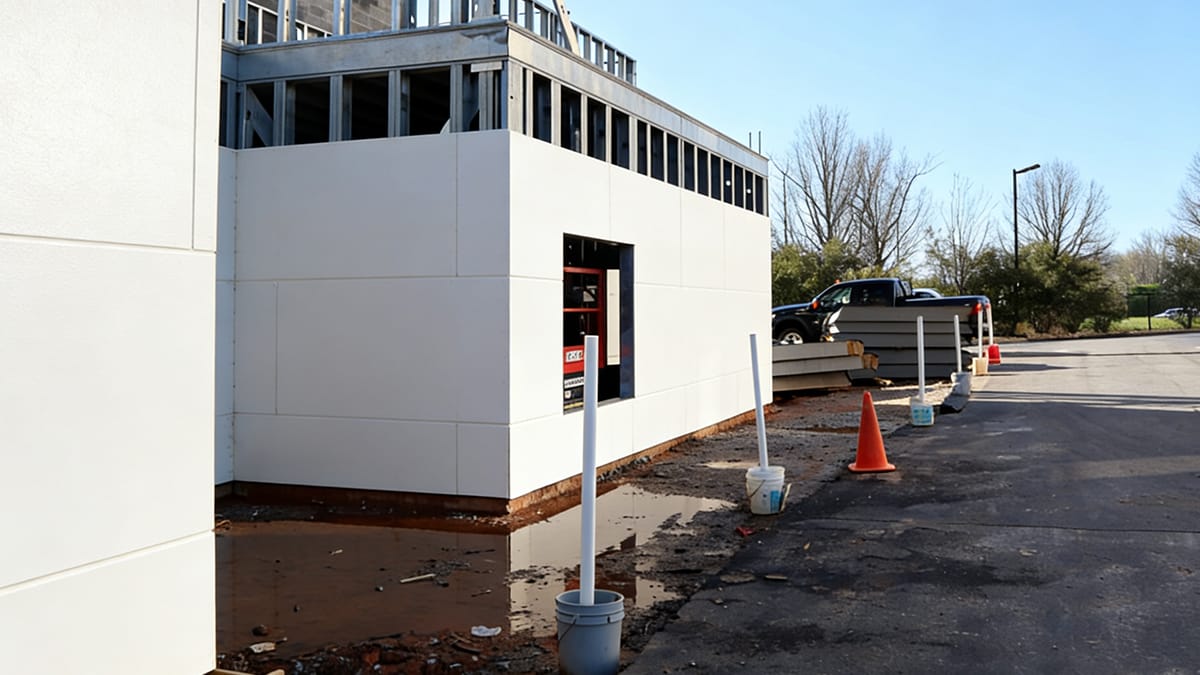 When you build or fix a house, you must pick the right sheathing for outside walls. There are many sheathing board types, and each one is good for something. You will find plywood sheathing, OSB, fiberboard, foam board, gypsum board, ZIP System panels, MgO board, cement board, glass mat sheathing, fiber cement board, calcium silicate board, Portland cement board, and Thermo-Brace panels. These boards help your walls stay strong, dry, and save energy.
Plywood Sheathing
Plywood sheathing is one of the oldest and most trusted choices for outside walls. You get panels made from thin wood layers glued together. This design makes plywood stable and helps it resist water. Plywood sheathing is strong and supports walls and roofs.
Description | |
|---|---|
Strength | Plywood sheathing is strong and holds up walls. |
Durability | It stands up to bad weather and storms. |
Energy Efficiency | Blocks air and water leaks to save energy. |
Flexibility | Thin wood layers make it strong and bendy. |
Weather Resistance | Handles stress well in windy places. |
People use plywood sheathing in places with tough weather. It is a top pick because it does not crack or bend easily. You can put it under siding, brick, or stucco. Plywood and OSB are both common, but plywood looks better for projects you can see.
OSB (Oriented Strand Board)
OSB is another popular choice for outside wall sheathing. You get panels made from wood strands pressed together with glue. OSB is strong and keeps its shape well. It works for walls that hold weight and is cheaper for people on a budget.
OSB | Plywood | |
|---|---|---|
Strength | Strong because of cross layers. | Very strong and does not crack. |
Cost | Costs less. | Costs more. |
Moisture Resistance | Swells less and stays strong. | Can bend unless treated. |
OSB is good for new buildings. You can use it under siding, brick, or stucco. OSB does well in wet places because it resists water. You will see OSB in many kinds of outside wall sheathing.
Fiberboard
Fiberboard is made from wood fibers and glue. It is not as strong as plywood or OSB, but it keeps heat in well. You use fiberboard when you want more insulation and a smooth look.
Limitations of Fiberboard | |
|---|---|
Keeps heat in better than OSB | Not as strong as OSB |
Costs less than OSB | Screws do not hold well |
Keeps its shape | Heavy and hard to move |
Lets water vapor pass | Smells like asphalt when hot |
Smooth finish | Can have problems with water |
Good for the environment | Can rot or break down |
Fiberboard is used in homes that need to save energy. It is a good pick when you want good insulation and a smooth surface for siding.
Foam Board
Foam board is great for keeping heat in outside wall sheathing. You can pick expanded polystyrene (EPS), extruded polystyrene (XPS), or polyisocyanurate (Polyiso). Each type has a different R-value, which shows how well it insulates.
Insulation Type | R-value per inch |
|---|---|
Polyisocyanurate (Polyiso) | 6.0 – 6.8 |
Extruded Polystyrene (XPS) | 5.0 |
Expanded Polystyrene (EPS) | 3.6 – 4.2 |
Foam board sheathing keeps heat inside in winter and outside in summer. It helps lower energy bills. Foam board is light and easy to put up, so many people like it.
Gypsum Board
Gypsum board is light and easy to use for outside wall sheathing. You get panels with a core that does not burn, often called Type X. This gives fire protection. Gypsum board goes under brick, stucco, EIFS, and siding.
Property/Feature | Description |
|---|---|
Thickness | 5/8” (15.9 mm) |
Core Type | UL-classified, Type X |
Fire Resistance | Panels do not burn for fire safety |
Flame Spread | Very low numbers (ASTM-E84) |
Used under brick, stucco, EIFS, siding |
Gypsum board sheathing is good when you need fire safety and a smooth surface for finishing.
ZIP System Panels
ZIP System panels are special outside wall sheathing boards with a built-in water and air barrier. You do not need extra house wrap, so you save time. ZIP System panels keep heat in and help save energy.
Feature | ZIP System Panels | Traditional Sheathing |
|---|---|---|
Water and Air Barrier | Built-in, very good protection | Needs extra house wrap |
Energy Efficiency | Stops air leaks, saves on heating and cooling | Needs more work to keep air out |
Installation Speed | Quick to put up, saves work | Slower because of extra layers |
Durability and Strength | Does not get damaged by water | Can get damaged by water |
Design Versatility | Many sizes and thicknesses | Not many choices |
Long-Term Cost Savings | Saves money on energy and repairs | Costs more to keep up |
ZIP System panels are smart for new homes. You get fast work, strong protection, and good insulation.
MgO Board Sheathing
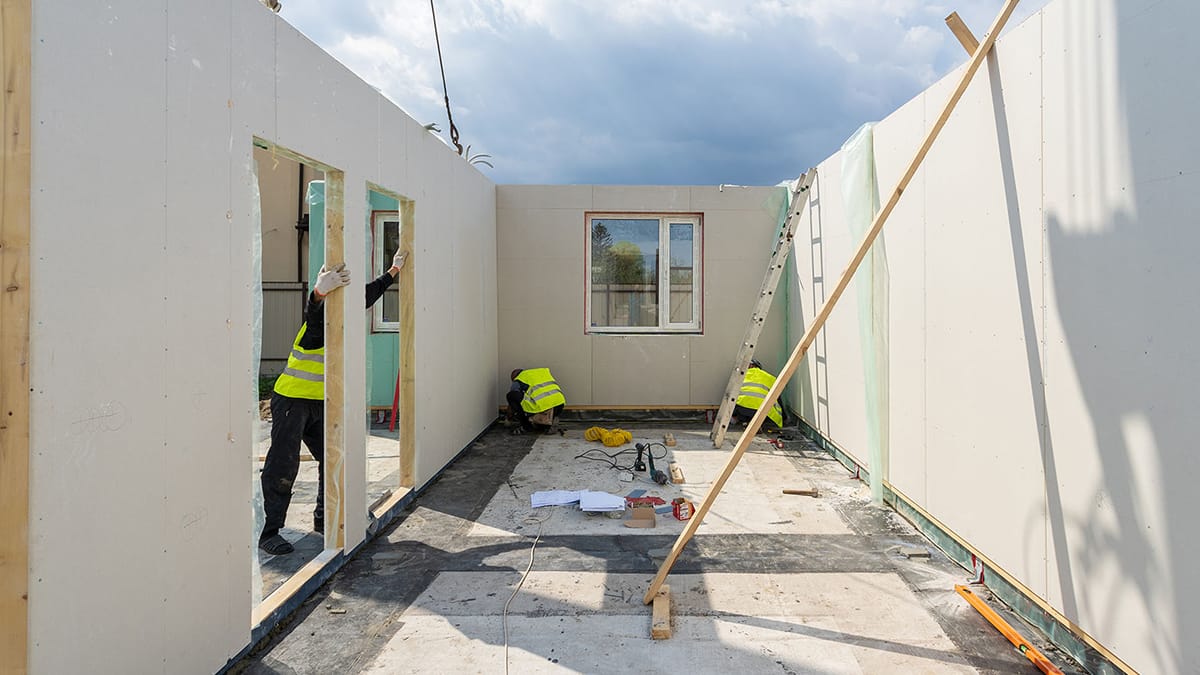 MgO board sheathing is made from magnesium oxide. You get panels that do not burn, resist water, and are good for the earth. MgO board sheathing is stronger and keeps its shape better than OSB or plywood.
Benefit | Description |
|---|---|
Fire Resistance | Does not burn, stands up to high heat. |
Moisture & Mold Protection | Stays strong in wet places, stops mold. |
Strength & Versatility | Stronger and keeps its shape. |
Environmental Friendliness | Uses less energy, no bad chemicals, can be recycled. |
MgO board sheathing is great for wet or fire-prone places. You help the earth by picking MgO board, which is safe and can be reused.
Cement Board
Cement board is strong and does not get damaged by water. You get panels made from cement and fibers. Cement board does not rot or burn, and works well in wet places.
Fiber cement boards do not swell when wet.
Magnesium oxide sheathing is waterproof and does not swell, bend, or grow mold.
In wet places, magnesium oxide sheathing is better than fiber cement boards for water safety.
You use cement board under tile, stone, or stucco. It is a good pick for places with lots of rain.
Glass Mat Sheathing
Glass mat sheathing is made from gypsum with a fiberglass mat on top. You get panels that do not grow mold, mildew, or get damaged by water. Glass mat sheathing is used in wood or steel frames and under many outside coverings.
Applications | Advantages |
|---|---|
Wood or steel framing | Great water resistance |
Under exterior claddings | Lets vapor pass through |
Soffit applications | Stops mold (score of 10 in ASTM D3273) |
Glass mat sheathing is good for places with lots of moisture. You get fire safety and good insulation.
Fiber Cement Board
Fiber cement board is made from cement, sand, and fibers. You get panels that last over 50 years if put up right. Fiber cement board does not grow mold, mildew, or rot. You need to seal the edges for best results.
Feature | Fiber Cement Board | Cement Board |
|---|---|---|
Lifespan | Lasts 50+ years if installed right | Lasts 50+ years if installed right |
Maintenance | Needs sealing and painting | Needs little care when covered |
Durability | Does not grow mold, mildew, or rot | Does not rot or burn |
Installation | Needs sealing on edges | Usually hidden behind tile or finish |
Fiber cement board is a strong pick for outside wall sheathing when you want it to last and keep heat in.
Calcium Silicate Board
Calcium silicate board is tough and does not burn for outside wall sheathing. You get panels that stand up to bad weather, water, and hits. Calcium silicate board stops mold and mildew and keeps its shape.
Very tough: Handles bad weather and hits.
Fire safety: Does not help fire spread.
Water safety: Stops mold and mildew.
Calcium silicate board is best for outside walls in risky places. You get good insulation and strong protection.
Portland Cement Board
Portland cement board is made by mixing wood wool, cement, and water. You get panels that are strong and do not get damaged by water. Portland cement board is used in soffits, ceilings, roofs, and modular buildings.
Step | Description |
|---|---|
1 | Shred dry wood into wood wool. |
2 | Dip wood wool in sodium silicate. |
3 | Mix wood wool, cement, and water. |
4 | Put mix into molds. |
5 | Press with a stacking press. |
6 | Use concrete weight for bonding. |
7 | Let cure for 10 days before finishing. |
You use Portland cement board for outside walls in prefab homes and modular buildings. It is also used for furniture that needs to resist fire and water.
Thermo-Brace Panels
Thermo-Brace panels are light outside wall sheathing boards with built-in weather safety. You get panels that do not swell and stay strong in wet places. Thermo-Brace panels are easy to cut and put up, so you save time.
Light design
Weather safety on both sides
Great water and UV resistance
Easy to install
Thermo-Brace panels are smart for outside walls when you want quick work and good insulation.
Tip: If you pick the right sheathing for your project, you get strong walls, lower energy bills, and long-lasting safety. Each sheathing board type is used for something special, so match your pick to your weather and needs.
Comparing Different Types of Sheathing
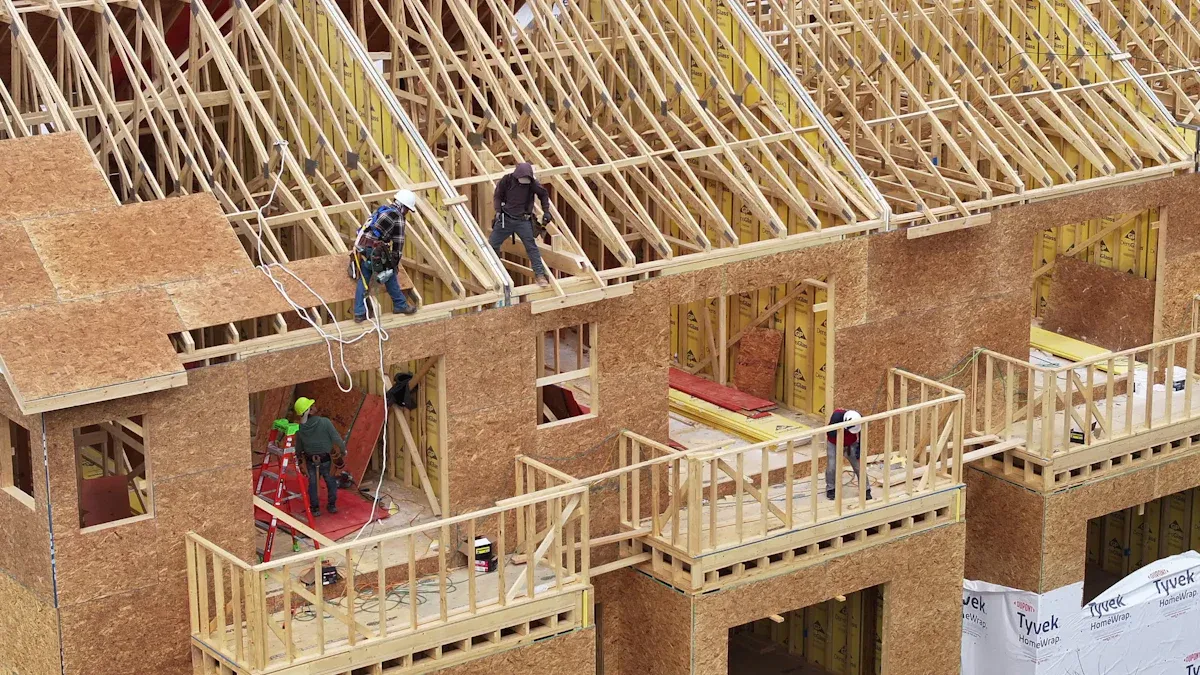 When you look at sheathing comparison, you want to know how each board performs in strength, weather, insulation, fire, and cost. This section helps you see which sheathing options work best for your project.
Strength & Durability
You need strong sheathing for safety. Some boards hold up better than others. Here is a quick sheathing comparison:
Sheathing Type | Strength & Durability Highlights | Extra Benefits |
|---|---|---|
Plywood | Holds heavy weight, bends without breaking, great in storms | Good for the planet, blocks weather |
MgO (Magnesium Oxide) | Very tough, handles heat over 750°C, lasts in wet places | High fire and moisture resistance |
Fiber Cement | Strong, does not rot or mold, lasts 50 years | Needs little care, blocks fire |
OSB | Strong and cheap, not great with water | Used a lot, not best in wet places |
Rigid Foam | Best for warmth, not for holding up walls | Used for insulation, not strength |
Moisture & Weather Resistance
You want sheathing options that keep water out and stand up to storms. Many modern sheathing options now offer high fire and moisture resistance. Boards like exterior gypsum and eXP sheathing have enhanced cores and special coatings. These features help stop mould and moisture resistance problems.
ASTM C1177 and ASTM D3273 set the standards for moisture and mould resistance.
Glass mat facers and vapor-permeable layers help stop water and mold.
MgO and fiber cement boards offer high fire and moisture resistance, even in tough weather.
Insulation & Energy Efficiency
Insulation keeps your home warm in winter and cool in summer. Some sheathing options work better than others. Look at this chart for R-values:
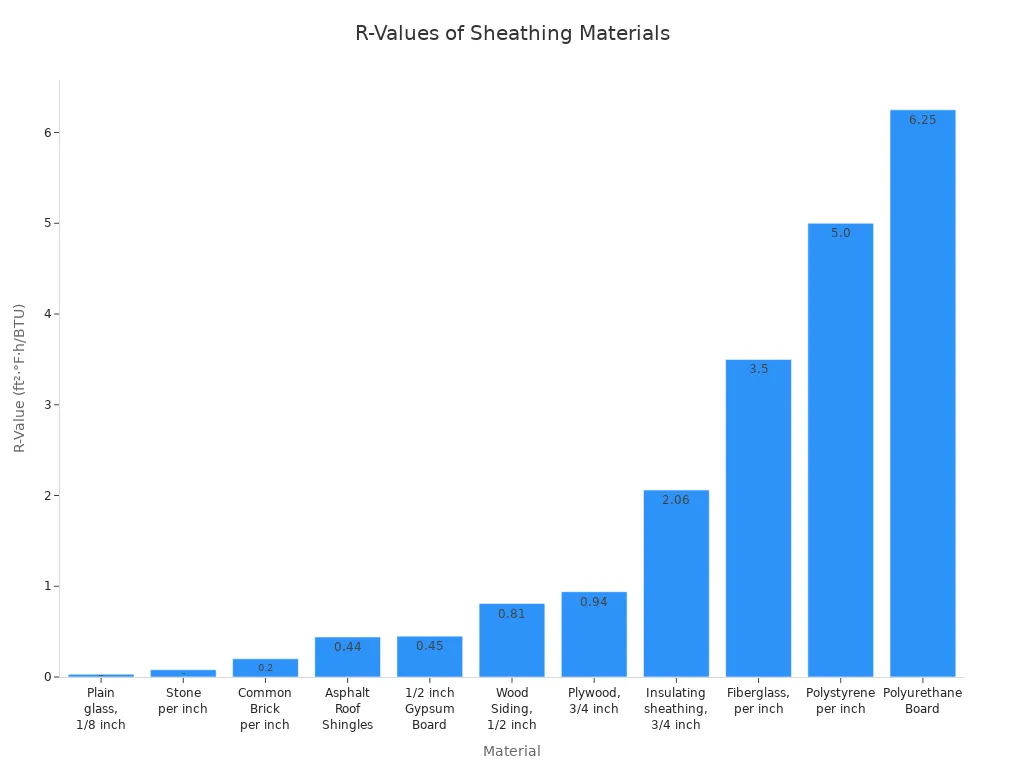
Polyurethane board and polystyrene have the highest R-values.
Plywood and gypsum board offer some insulation but not as much as foam boards.
Fire Resistance
Fire safety is a top concern. You want sheathing with high fire and moisture resistance. Here is a sheathing comparison for fire:
Material | Fire Resistance Rating |
|---|---|
Type X Gypsum Board | Fire-rated, needs more layers for high rating |
Highly fire-resistant, noncombustible | |
Fiber Cement Board | Fire-resistant, less than MgO |
Cement Board | Fire-resistant, passes tests |
OSB | Not fire-resistant, ignites easily |
MgO board stands out for high fire and moisture resistance. Fiber cement and cement boards also block fire well. OSB does not protect against fire.
Cost & Availability
You want sheathing options that fit your budget. OSB costs less and is easy to find. Plywood costs more but lasts longer. MgO board costs more to buy and install but gives you high fire and moisture resistance.
Sheathing Type | Material Cost (per 500 sq.ft.) | Installation Cost | Total Cost |
|---|---|---|---|
OSB | $100 | $490 | $590 |
Plywood | Higher than OSB | Higher | Higher |
MgO Board | Higher | High | Excellent |
Tip: Pick sheathing options that match your needs for strength, high fire and moisture resistance, and budget. Always check for mould and moisture resistance, especially in wet or fire-prone areas.
Choosing the Right Sheathing Board
 Project Considerations
 Project Considerations
You need to think about several factors before you pick a sheathing board for your project. Each type of board works best in certain situations. The table below shows what you should look at when making your choice:
Factor | Details |
|---|---|
Moisture & Weather Resistance | Fiber cement and gypsum boards resist water and mold. Plywood and OSB need extra treatment to last longer. |
Fire Resistance | Gypsum and fiber cement boards do not burn easily. Plywood and OSB can catch fire unless treated. |
Thermal & Energy Efficiency | Rigid foam boards keep heat in best. Fiber cement and gypsum give some insulation but may need extra layers. |
Structural Strength | Plywood and OSB make walls strong. Fiber cement may need more support. |
Cost & Budget | Your budget affects your choice. Some boards cost more but last longer. |
Tip: Think about your climate, the building’s purpose, and your budget. If you live in a wet area, pick boards that resist water and mold. For fire safety, choose boards that do not burn easily.
Local Building Codes
Local building codes help keep your home safe and strong. You must follow these rules when you pick and install sheathing boards. Here are some things you should know:
Local codes set the minimum thickness for sheathing boards. For example, OSB may need to be at least 7/16 inch thick.
Some areas require special materials if you live where hurricanes or earthquakes happen.
You must use the right fasteners and follow spacing rules to meet code and keep your walls strong.
Note: Always check your local codes before you buy or install sheathing. This helps you avoid problems and keeps your project safe.
Installation Tips
You can get the best results by following good installation practices. Here are some steps you should follow:
Place boards directly onto rafters or wall studs. Leave a 1/8-inch gap between boards for expansion.
Use strong nails or screws to fasten the boards. Space fasteners 6 inches apart at the edges and 12 inches in the middle.
Start at the bottom and work up in rows. Align panels carefully and stagger seams for strength.
Add a weather barrier or underlayment if needed to protect against moisture.
🛠️ Careful installation helps your sheathing last longer and keeps your home safe.
You can pick from many sheathing boards. Each one has good and bad points. The table below shows how they are different:
Sheathing Type | Advantages | Limitations |
|---|---|---|
Foam Board | Great insulation, easy to use | Not strong, can get UV damage |
Gypsum Sheathing | Stops fire, blocks sound | Needs to stay dry |
Plywood | Very strong, lasts a long time | Can bend, has water problems |
Think about your weather, what you need, and your money. Ask experts for help with picking materials and following rules. Planning well makes your building safer and helps it last longer.
FAQ
What is the main purpose of sheathing boards?
You use sheathing boards to make walls and roofs strong. They help your house stand up to wind and weather. Sheathing boards also keep heat inside and water outside.
Can you use the same sheathing board for walls and roofs?
You can use some boards, like plywood or OSB, for both walls and roofs. Always check the label. Some boards work better for certain parts of your house.
How do you know which sheathing board to pick?
Tip: Think about your weather, budget, and safety needs. If you live in a wet area, pick boards that resist water. For fire safety, choose boards that do not burn easily.
Do you need to treat or seal sheathing boards?
Some boards, like plywood and OSB, need sealing to stop water damage. Boards like fiber cement or MgO do not need extra treatment. Always follow the maker’s instructions.