
18 Jan Magnesium Oxide Sheathing Board Fire Resistance Compared to OSB and Plywood
When choosing building materials, you need strong fire protection. A magnesium oxide sheathing board fire-resistant option offers the highest level of fire resistance. It outperforms both OSB and plywood. Check the table below to compare how each material performs:
Material | Fire Resistance Characteristics | Notes |
|---|---|---|
Magnesium Oxide Sheathing Board Fire-Resistant | Non-combustible, withstands extremely high temperatures, and meets strict fire safety standards. | Provides the best fire resistance, ideal for areas with high fire risk. |
OSB | Burns easily, lacks natural fire resistance, and even treated OSB only offers minimal improvement. | Not suitable for high fire danger zones; even treated OSB is inferior to magnesium oxide sheathing board fire-resistant. |
Plywood | Gains some fire resistance with treatments, but fails under extreme heat. | Better than untreated OSB, but still not as effective as magnesium oxide sheathing board fire-resistant. |
Fire resistance helps prevent the spread of fire and reduces costs.
Building safety depends on using the right materials and smart planning.
Effective safety systems help prevent injuries and property damage.
Key Takeaways
Magnesium oxide sheathing board has the best fire resistance. This makes it great for places like schools and hospitals.
OSB and plywood do not work as well in fires. They burn quickly and do not meet tough fire safety rules.
Using non-combustible materials like magnesium oxide board helps slow down fires. This gives people more time to leave and stay safe.
Magnesium oxide board may cost more at first. But it saves money on repairs and keeps people safer over time.
Always look at fire ratings and local building codes. This helps make sure your materials are safe enough.
Fire Resistance of Sheathing Materials
 Magnesium Oxide Board Fire Resistance
 Magnesium Oxide Board Fire Resistance
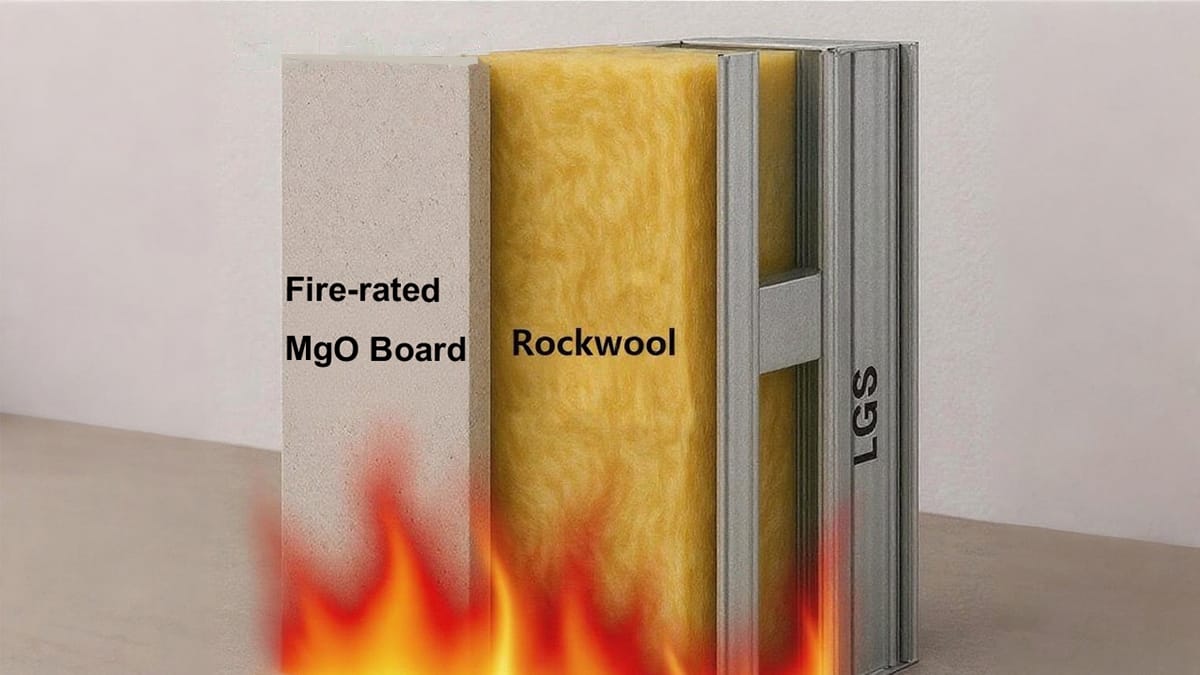
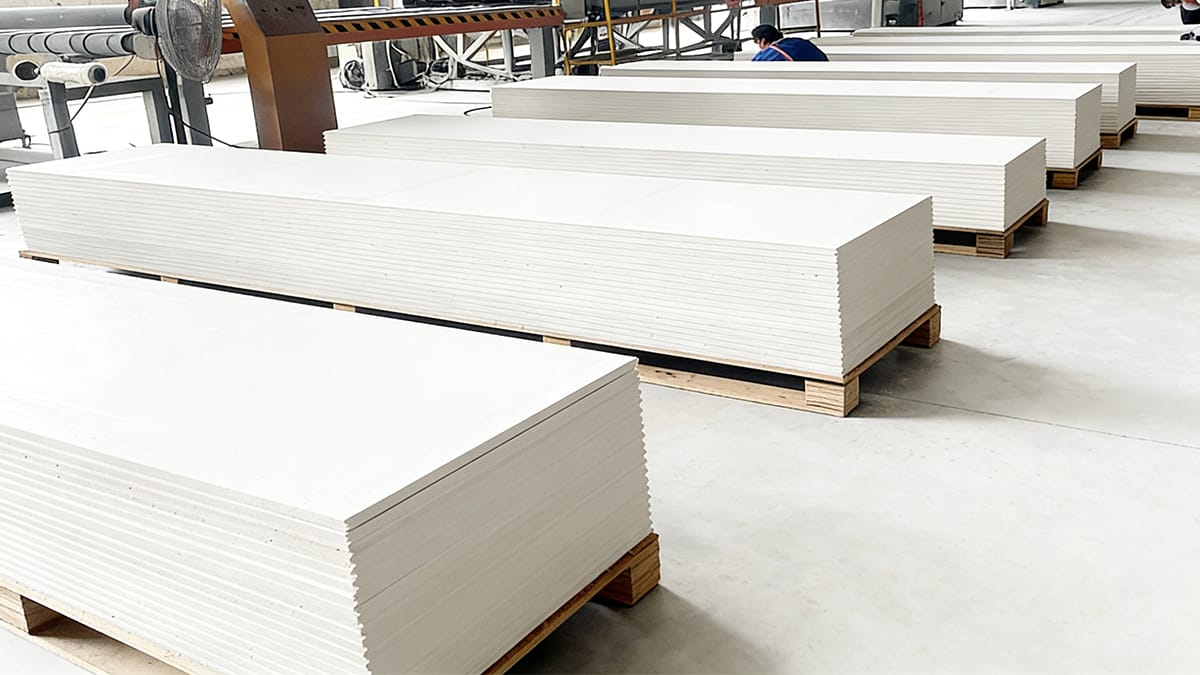
If you need strong fire protection, magnesium oxide sheathing board fire-resistant is the best. This board does not burn at all. You can put it in fire, and it will not catch fire or make dangerous smoke. Builders like it because it is A1 fire-rated. That means it has the highest fire safety level. People use it in places where safety is very important, like schools, hospitals, and tall buildings.
Tip: To slow down fire and keep your building safe, magnesium oxide board is a smart pick.
Here is a simple chart showing fire resistance for common sheathing materials:
Material | Fire Resistance Properties |
|---|---|
Magnesium Oxide (MgO) | Non-combustible, A1 fire-rated, handles high heat without burning or making toxic smoke. |
OSB | Has fire-resistant chemicals, slows fire but is not as strong as MgO. |
Plywood | Regular plywood has less fire resistance than MgO and fire-rated OSB. |
You can see mgo board is better at stopping fire. It can take high heat and flames. That is why it is a top pick for fire safety.
OSB and Plywood Fire Resistance
OSB and plywood are used in many buildings. These do not protect against fire as well as magnesium oxide board. OSB can get special chemicals to slow fire, but it still burns faster than mgo board. Plywood protects even less. Regular plywood burns quickly and does not meet high fire safety rules.
OSB slows fire with special chemicals.
Plywood burns fast and fails in high heat.
Both cannot match the fire-resistant power of magnesium oxide sheathing board fire-resistant.
If you want the best fire safety, pick a material that does not burn or help fire grow. Magnesium oxide sheathing board gives you peace of mind.
Magnesium Oxide Sheathing Board Fire-Resistant Properties
Non-Combustibility and Flame Spread
You want your building to be safe in a fire. Magnesium oxide sheathing board fire-resistant helps because it does not burn. Using this board lowers the chance of fire spreading fast. Most people think magnesium oxide board never burns. But some brands like Megaboard, DragonBoard, and NOCOM did not pass a big fire test. These boards got hotter than 780°C, so they do not meet the toughest rules. Still, magnesium oxide board works better than OSB or plywood in most fires.
Here is a table that shows how each material handles flames:
Material | Flame Spread Rating | Combustibility |
|---|---|---|
Magnesium Oxide Board | 0 | Non-combustible |
Oriented Strand Board | High | Combustible |
Plywood | High | Combustible |
If you pick mgo board, flames do not spread much. OSB and plywood burn fast and let fire move quickly. Magnesium oxide board slows fire down and gives you more time.
Tip: Use materials with low flame spread to keep people safe.
High Temperature Tolerance
Magnesium oxide sheathing board can take very high heat. It keeps its shape and stays strong when it gets hot. Most mgo boards do not burn or melt, so they block fire well. OSB and plywood get weak and break when heated. They can catch fire and fall apart, so they are not as safe.
When you compare fire resistance, magnesium oxide sheathing board fire-resistant does better in real fires. It gives strong flame resistance and handles high heat. This helps your building stay safe longer and gives you more time to escape or get help.
Fire Performance Comparison
Fire Ratings and Standards
 Fire Ratings and Standards
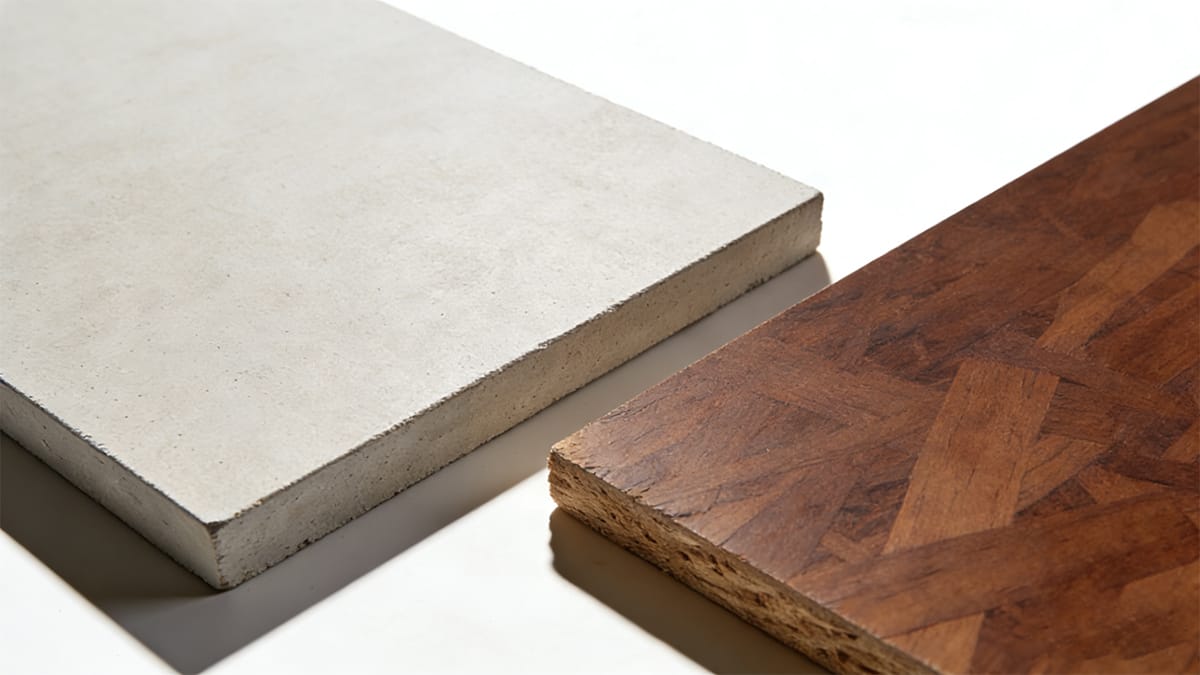
When you think about building safety, you should check fire ratings. These ratings show how long a material can last in a fire. You want a material that gives you more time to get out and keeps your building safe.
Here is a table that compares the fire resistance of magnesium oxide sheathing board fire-resistant, OSB, and plywood:
Material | Fire Resistance Rating |
|---|---|
Plywood | Low fire resistance; ignites easily without treatment. |
OSB | Slightly better than plywood; flammable but can be treated. |
Excellent fire resistance; rated for 1–2 hours of fire exposure. |
You can see magnesium oxide board does the best. It has a top fire resistance rating and can last up to two hours in a fire. OSB and plywood do not do as well. Even if you use a fire-rated osb sheathing panel, it only helps a little. Most fire-rated OSB panels still burn faster than magnesium oxide board.
Another way to compare these materials is by looking at combustibility. This means if a material will catch fire and help flames spread. Check the table below:
Material | Fire Resistance Rating | Notes on Fire Resistance |
|---|---|---|
Magnesium Oxide (MgO) Board | Up to 1-2 hours; rated noncombustible (ASTM E136 & E84) | Highly fire-resistant, superior to gypsum and fiber cement boards |
OSB | Not fire-resistant; ignites easily under high temperatures | Poor fire resistance |
Plywood | N/A | N/A |
You want a material that does not burn. Magnesium oxide board is noncombustible. It does not make a fire worse. OSB and plywood both burn and can make a fire spread. Even fire-rated osb sheathing panel options cannot match the noncombustible magnesium oxide board.
Note: Always check the fire resistance rating before picking a sheathing material. This rating can save lives and protect your things.
Real-World Fire Scenarios
You need to know how these materials work in real fires, not just in tests. In a real fire, time is important. You want a material that gives you more time to escape and helps firefighters do their job.
Let’s see how each material handles fire in real life:
Magnesium oxide sheathing board fire-resistant does not burn. It stays strong even when flames get up to 800°C. This means your walls last longer, and fire does not spread as fast.
Fire-rated osb sheathing panel can slow fire down, but only for a short time. These panels are made to delay flames, but they still burn and break when it gets very hot.
Plywood burns fast. It cannot take high heat and will fail quickly in a fire.
Here is a table that shows fire endurance:
Material | Fire Resistance Capability |
|---|---|
Fire-rated OSB Panels | Designed to slow the spread of fire, enhancing safety. |
Magnesium Oxide Board | Non-combustible with a high fire resistance rating. |
You can see fire-rated OSB panels help a little, but magnesium oxide board gives the best protection. In real fires, buildings with magnesium oxide board stay safer for longer. You get more time to get out, and firefighters have a better chance to stop the fire.
Tip: If you want the best fire performance, pick materials that do not burn and can take high heat. Magnesium oxide board is better than all fire-rated sheathing panels, including fire-rated osb sheathing panel products.
When you compare fire performance, magnesium oxide board is the best in every way. It is noncombustible, has zero flame spread, and can handle heat up to 800°C. Fire-rated osb sheathing panel and other fire-rated panels help, but they cannot keep you as safe as magnesium oxide board.
Building Code Compliance and Safety
Fire Resistance Codes
 Fire Resistance Codes
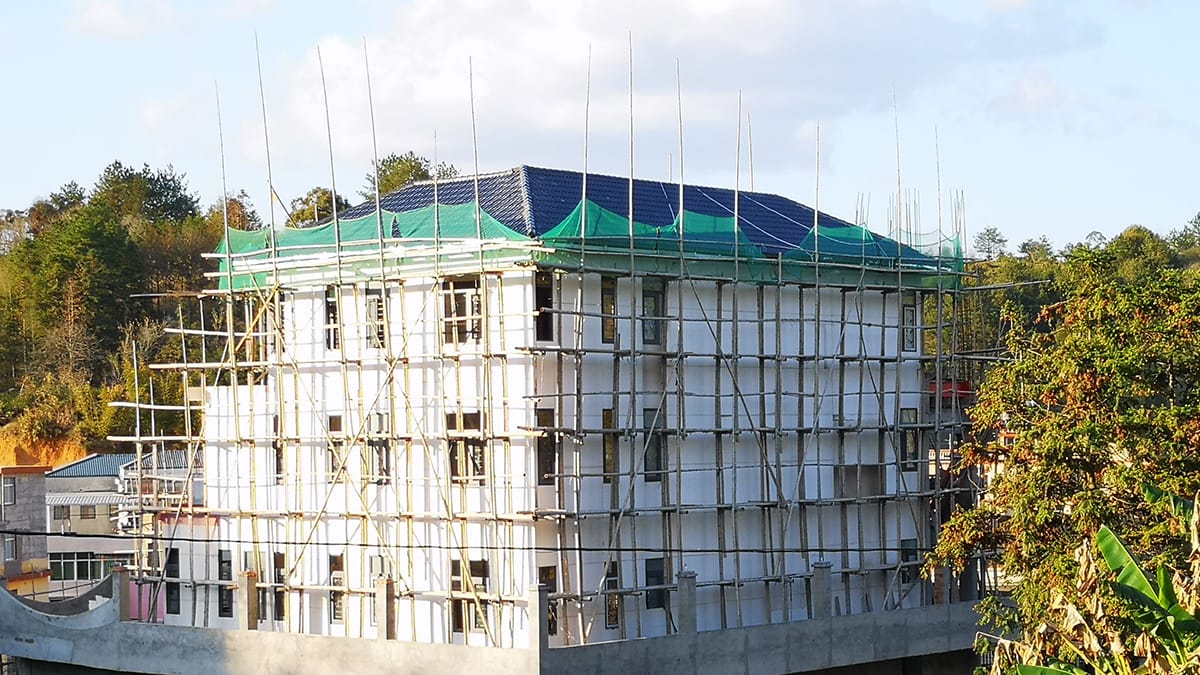
You must follow fire safety rules when picking building materials. These rules help you build walls that protect people and property from fire. Building codes tell you what fire and heat resistance your sheathing needs. The table below shows how codes ask for fire resistance:
Code Reference | Description |
|---|---|
CRC § R302 | Needs fire-resistant materials for outside walls of homes and buildings. |
CA Building Code for Exterior Wildfire Exposure | Says you must use fire-resistive wall assemblies, including sheathing. |
California Fire Code | Has strict fire safety rules for building construction in California. |
Magnesium oxide sheathing board fire-resistant follows these codes because it does not burn and can take high heat. You see it used in firewalls, hospitals, and schools. OSB and plywood need chemicals to meet some fire code rules. MagTech Fire Retardant OSB uses magnesium oxide to make it more fire-resistant. This makes it good for load-bearing walls. Fire-rated structural subfloor sheathing panel choices also help you follow fire safety rules.
Tip: Always check your local codes before picking materials for fire-rated structural subfloor sheathing panel jobs.
Certification and Testing
You want your materials to pass tough fire safety tests. Certifications show products are strong, fire-resistant, and protect against mold. The table below lists common certifications for magnesium oxide boards:
Certification | What It Tests | Fire Rating Type |
|---|---|---|
ASTM E136 | Checks if materials do not burn. | Noncombustible |
ASTM E84 | Tests how fast fire spreads on surfaces. | Class A, B, C |
Magnesium oxide boards also meet world standards like EN 13501-1, which calls them Class A1 noncombustible. In Canada, they pass CAN/ULC S114 and ULC S135 for fire-rated walls and outdoor use. These certifications prove magnesium oxide boards are strong, resist moisture, and handle fire and heat. You can trust them for fire-rated structural subfloor sheathing panel work and places that need mold protection.
OSB and plywood must pass similar tests, but they often need chemicals to be fire-resistant. Always look for certifications that show your sheathing is strong and durable. This helps you make a good fire safety plan for your project.
🛡️ Pick certified materials so your building meets fire safety rules and stays strong for a long time.
Practical Implications for Fire Safety
Installation and Durability
When you put in mgo fire-rated sheathing panels, your building gets safer. Good installation keeps the panels strong. It helps them keep their fire resistance. Using the right steps protects your building for a long time. The table below shows how installation matters for fire safety:
Property | Description |
|---|---|
Material | Magnesium oxide, a non-combustible mineral |
Fire Resistance | MgO boards are fireproof, suitable for high fire risk areas |
Installation Impact | Proper techniques maintain structural integrity and fire resistance over time |
You can use mgo fire-rated sheathing panels outside. These panels do not burn, so they give extra safety. After a fire, magnesium oxide board can last up to 2 hours in steel stud walls. OSB and plywood do not last as long. If you want strong and long-lasting walls, magnesium oxide board is the best pick.
Magnesium oxide board stays strong after fire.
OSB and plywood may need fixing or replacing after fire.
Magnesium oxide board gives better fire safety and costs less to fix.
Cost vs. Fire Protection
You might think about the price of mgo fire-rated sheathing panels compared to OSB and plywood. Magnesium oxide board costs more, about $1.50 to $3.00 for each square foot. OSB costs less, from $0.50 to $1.00 per square foot. Plywood costs about the same as OSB. Even though magnesium oxide board costs more, it gives better fire safety and lasts longer.
Magnesium oxide board does not burn or make toxic smoke.
OSB and plywood have weak fire resistance and may need expensive repairs after fire.
Magnesium oxide board is very strong and resists moisture, so you save money later.
Feature | MGO Board | Plywood | OSB |
|---|---|---|---|
Moisture Resistance | Excellent | Good | Poor |
Fire Resistance | Excellent | Fair | Poor |
Durability | Very High | High | Moderate |
You can use magnesium oxide board outside and get great fire safety. The starting price is higher, but you protect your building and spend less later. If you want the best safety, magnesium oxide board is a smart choice.
🛡️ Tip: Pick materials with high fire resistance and strength for better safety and lower repair costs.
Pros and Cons of Magnesium Oxide Board, OSB, and Plywood
Magnesium Oxide Board: Advantages and Drawbacks
 Magnesium Oxide Board: Advantages and Drawbacks
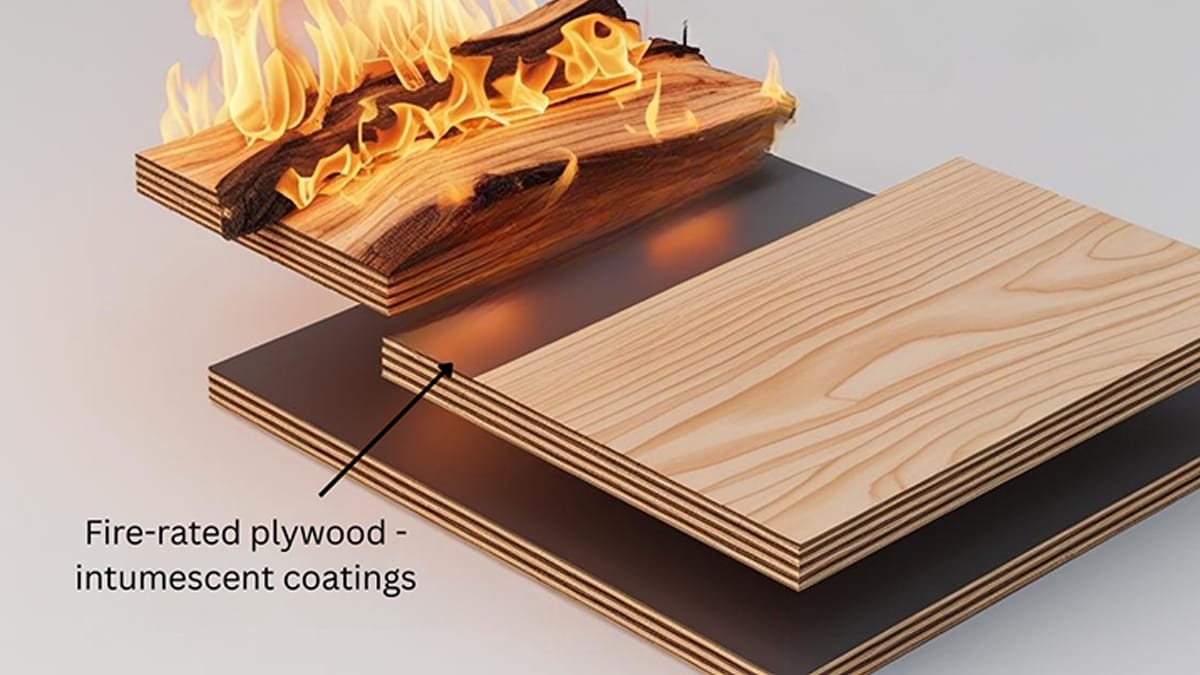
When you choose magnesium oxide board, you get strong fire protection. This board does not burn, even in very high heat. You can use it in places where safety matters most, like airports, tunnels, and hospitals. Here are some key advantages:
Non-combustible, so it will not catch fire.
Keeps its shape and strength during a fire.
Works well in high-risk areas.
Does not absorb water, so it stays strong in humid places.
Stops mold, mildew, and fungus from growing.
Lasts a long time and helps buildings stay safe.
Needs less energy to make and can help the environment by storing carbon.
Note: Magnesium oxide board has a flame spread rating of 0, which means fire does not move across its surface.
However, you should know about some drawbacks:
Some brands may not meet the highest fire safety standards.
The cost is higher than OSB or plywood.
You may need special tools for cutting and installing.
OSB and Plywood: Advantages and Drawbacks
You might see OSB and plywood used in many buildings. These materials have some benefits:
Easy to find and less expensive.
Simple to cut and install.
Plywood chars slowly, which can slow down fire for a short time.
But you also face some important risks:
Both OSB and plywood burn in a fire. OSB burns faster and makes more smoke.
OSB releases toxic chemicals when it burns, which can harm your health.
Both can absorb water, leading to swelling and mold growth.
They do not last as long in wet or humid places.
Feature | Magnesium Oxide Board | OSB | Plywood |
|---|---|---|---|
Fire Resistance | Excellent | Poor | Fair |
Moisture Resistance | Excellent | Poor | Good |
Mold Resistance | Excellent | Poor | Fair |
Health in Fire | Safe | Hazardous | Less Hazardous |
Sustainability | High | Moderate | Moderate |
🛡️ If you want the best fire and mold protection, magnesium oxide board is your safest choice.
You want your building to be safe from fire. Magnesium oxide sheathing board protects well against fire. It is very strong and lasts a long time. You can use it in many places. The table below explains why it is special:
Feature | Description |
|---|---|
Non-combustibility | It does not burn easily, so it is safer. |
It stays strong in fire and bad weather. |
Sometimes people pick OSB or plywood to save money. These are used for roofs or cheap projects. Always look at fire ratings before you choose. Pick materials that help keep everyone safe.
FAQ
What makes magnesium oxide board better for fire safety?
You get better fire protection because magnesium oxide board does not burn. It stops flames from spreading. You can trust it in places where safety matters most.
Can you use magnesium oxide board outside?
Yes, you can use magnesium oxide board outside. It resists water and mold. You get strong walls that last in rain, snow, or humid weather.
Is magnesium oxide board safe for your health?
You stay safe with magnesium oxide board. It does not release toxic smoke during a fire. You breathe easier and avoid harmful chemicals.
How does the cost compare to OSB and plywood?
Material | Cost per sq. ft. | Fire Resistance |
|---|---|---|
Magnesium Oxide | $1.50–$3.00 | Excellent |
OSB | $0.50–$1.00 | Poor |
Plywood | $0.50–$1.00 | Fair |
Magnesium oxide board costs more, but you get better fire safety and durability.