
14 Jan MgO Sheathing vs Drywall and Plywood Which Offers Better Protection
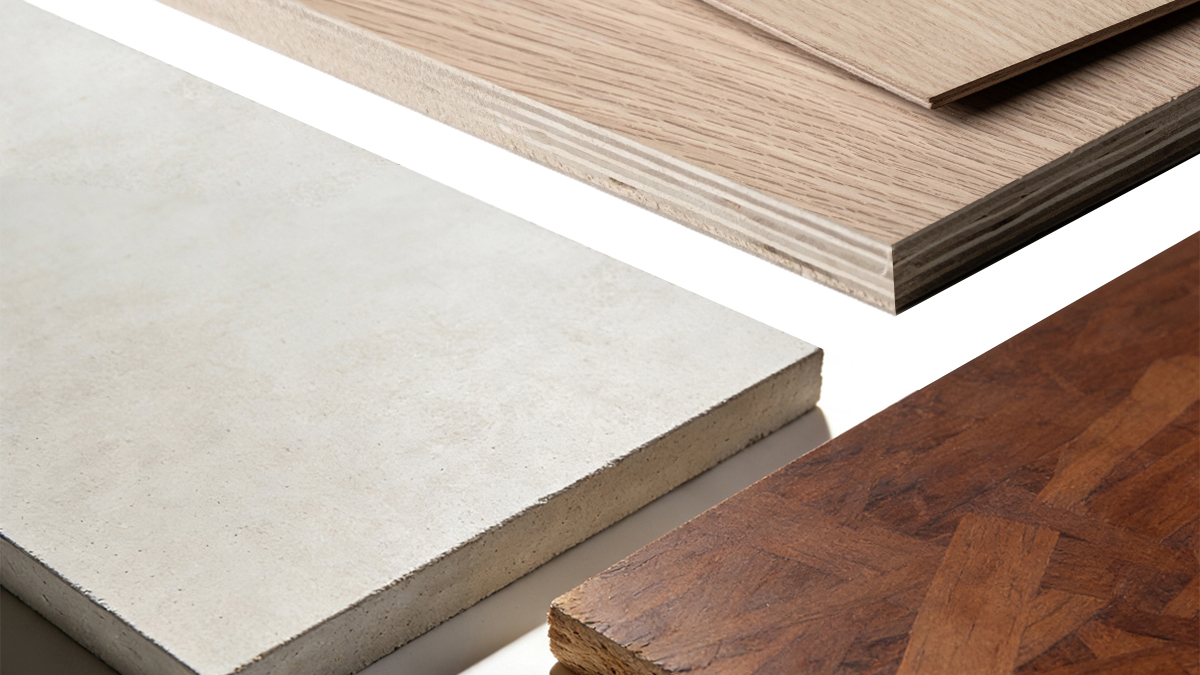
You want your building to be safe. Magnesium oxide sheathing board is special. It does not burn. It does not get damaged by water. It is strong when hit. Look at this table to compare the three materials:
Material | Fire Safety | Moisture Resistance | Durability |
|---|---|---|---|
Magnesium Oxide Sheathing | A1 non-combustible | High | High |
Drywall | Moderate | Low | Moderate |
Plywood | Low | Moderate | Low |
If you need good fire safety, moisture control, or strength, mgo sheathing boards can help. Think about your space. Is it very wet, at risk for fire, or used a lot? Decide what you need before you choose.
Key Takeaways
Magnesium oxide sheathing gives better fire safety. It can last up to four hours without burning. This makes it great for places with high fire risk.
For moisture resistance, MgO sheathing works very well. It stops mold from growing. It stays strong even when it gets wet. Drywall and plywood do not do this as well.
Pick MgO sheathing if you want something strong. It can take hits and does not break easily. It needs little care. This saves you time and money over time.
Think about the environment. MgO sheathing makes less CO₂ and you can recycle it. This makes it better for the planet than drywall and plywood.
Look at what your project needs. Use MgO sheathing in wet or fire-risk places. Use drywall for dry rooms. Use plywood when you need strong support.
Material Overview
 What Is MgO Sheathing Board
 What Is MgO Sheathing Board
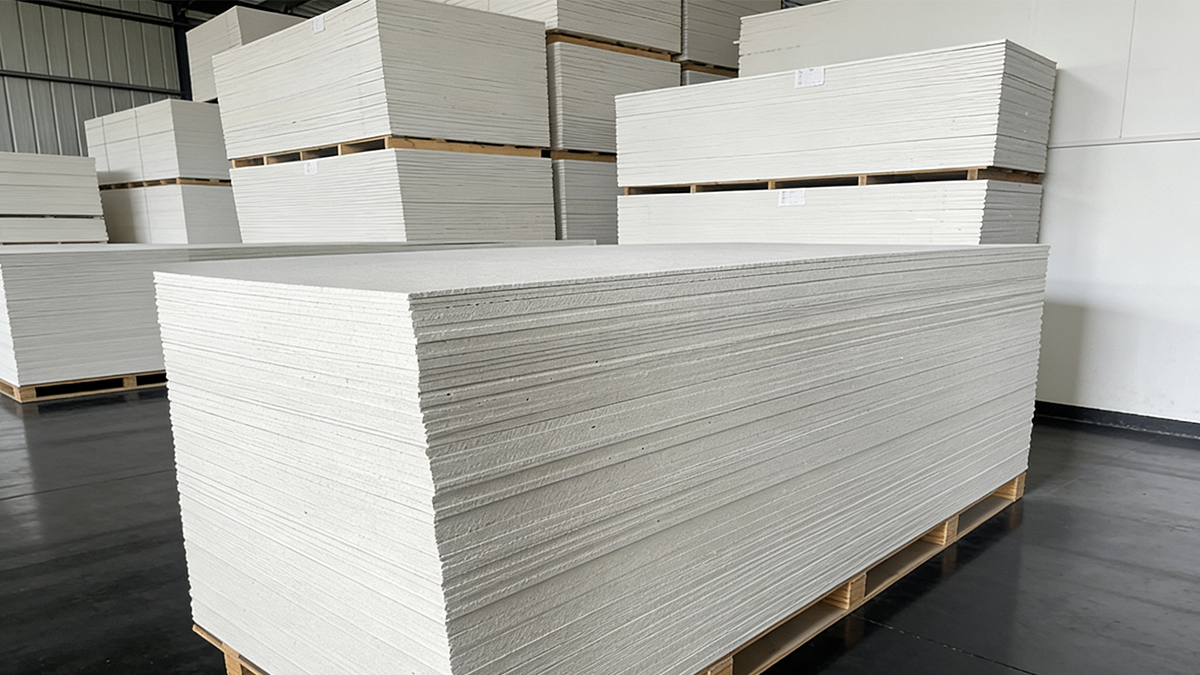
Magnesium oxide sheathing board helps protect buildings. It is made from magnesium oxide. Workers heat magnesium oxide in a kiln. They mix it with water and other things. The mixture is shaped into sheets. These sheets dry in the air until they get hard. You attach mgo sheathing boards with screws. Tape and joint compound finish the seams, like drywall.
Magnesium oxide sheathing is special because of its chemical makeup. It does not burn, so it helps stop fires. It keeps out water and mold, so it works well in wet places. The strong bonds inside mgo board make it last a long time.
Material Composition | Manufacturing Process |
|---|---|
Magnesium oxide | |
Fibreglass mat facing | Made into sheets between fiberglass mats |
Amendments (if necessary) | Air-cured into hard board |
Fasteners | Screws |
Joint compound | Taped, mudded, and sanded |
Property | Contribution to Protective Properties |
|---|---|
Fire Resistance | |
Moisture Resistance | Keeps out water and mold. |
Durability | Strong bonds make it last longer. |
What Is Drywall
Drywall is used in many homes and offices. It is made from gypsum. Workers mix gypsum with water and sometimes add fiberglass. They press the mix between thick paper sheets to make panels. You put drywall on walls with screws or nails. Tape and joint compound cover the seams.
Drywall works well for many jobs. Fiberglass makes it stronger and helps it resist hits. Gypsum gives drywall fire resistance. When heated, water in gypsum turns to steam and slows down fire. You can pick different drywall types for more moisture, fire, or sound protection.
What Is Plywood
Plywood is good when you need strong and bendable panels. It is made by gluing thin wood layers together. Each layer faces a different way. This makes plywood sturdy and less likely to bend. You can cut plywood and use nails or screws to attach it.
Characteristic | Explanation |
|---|---|
Resistance to moisture | Layers and glue help plywood stand up to water. |
Uniformity | Even thickness and quality make it work well. |
Fire resistance | Special coatings slow down burning. |
Chemical resistance | Coatings and glue protect plywood from chemicals. |
Panel shear strength | Many layers help plywood resist sideways forces. |
Overall strength | Good wood and careful making make plywood strong and steady. |
Plywood is used for floors, walls, and roofs. It is good for places that need extra strength or where water might be a problem.
Moisture Resistance: MgO Sheathing vs Drywall and Plywood
MgO Sheathing Board Performance
 MgO Sheathing Board Performance
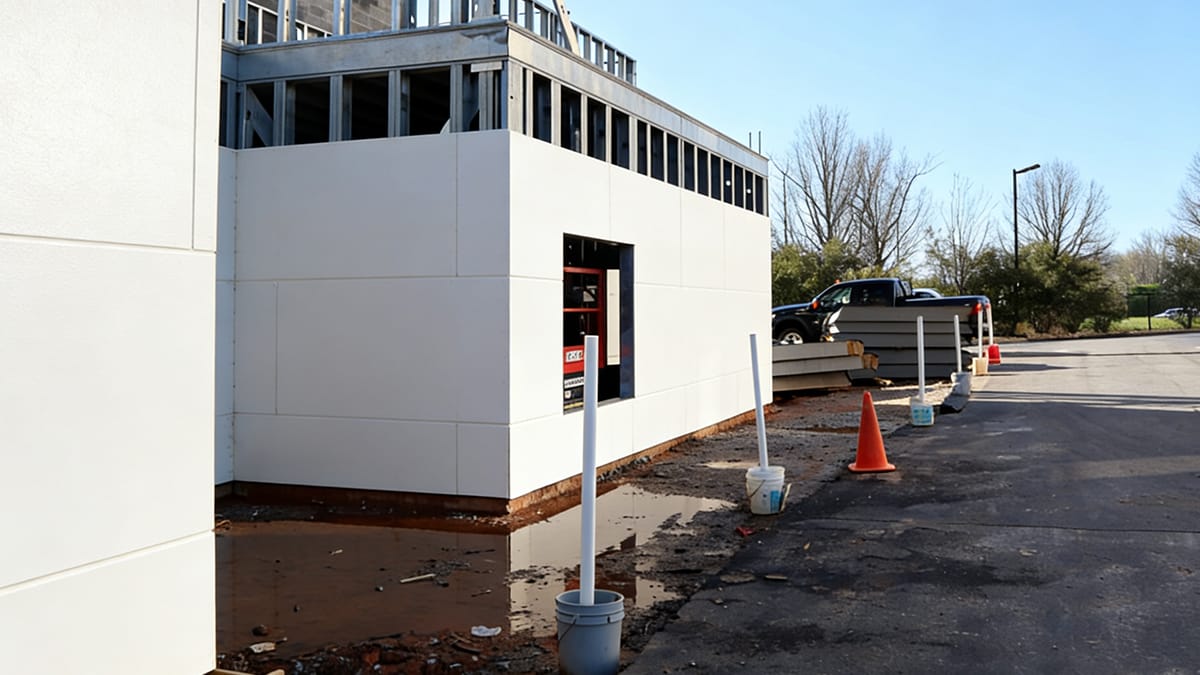
You want walls that stay strong and dry. This is important in wet places. Magnesium oxide sheathing board gives the best moisture resistance. If you use mgo sheathing, your building is safe from water damage. The board does not soak up water. It keeps its shape and stays strong. You do not see swelling or warping. Mold does not grow on it. Even after many wet and dry cycles, mgo board keeps almost all its flexural strength.
Tip: If you build near water or in a humid place, mgo sheathing boards help you save money on repairs.
You get great moisture and mold resistance. Mold does not grow, even if the board gets wet for a long time. This makes magnesium oxide sheathing board smart for bathrooms, basements, and kitchens.
Very low water absorption (0.05–0.07% after 22 weeks)
No mold or mildew growth
Keeps shape and strength in wet places
Drywall Performance
Drywall does not work well in wet or humid places. When drywall gets wet, it soaks up water fast. The gypsum core starts to break and lose strength. You may see swelling or softness. Sometimes, the wall can even fall apart. Mold grows easily on wet drywall. This can make people sick. If drywall gets very wet, you often need to replace it.
Lots of moisture makes drywall crumble and weak
Walls look damaged and feel soft
Mold grows quickly in damp spots
You may need new drywall after water damage
Plywood Performance
Plywood handles moisture better than drywall. But it still has problems. Water can make plywood bend, swell, and lose its flat shape. Mold and mildew grow on plywood in humid places. You may see black or green spots. You might smell a musty odor. Over time, plywood can rot and lose strength. The glue between layers may fail. This causes the sheets to come apart.
Description | |
|---|---|
Warping | Layers expand at different rates, causing bends |
Mold and Mildew Growth | Fungal patches appear, creating health risks |
Swelling | Wood fibers absorb water and increase in size |
Delamination | Glue fails, layers separate |
Rot | Wood fibers break down in wet areas |
Comparison Table
You can see how each material works in wet and humid places. The table below shows moisture resistance, mold growth, and how well each keeps its shape.
Property / Material | Magnesium Oxide (MgO) Board | Plywood | Drywall (Gypsum Panels) |
|---|---|---|---|
Flexural Strength Retention | Nearly 100% after 25 cycles | Loses 9% | Loses 36-52% |
0.34% | Higher | Higher | |
Mold Growth | No mold growth | Mold prone | Mold prone |
Dimensional Stability | No warping, swelling, or delamination | Warping, cupping | Swelling, crumbling |
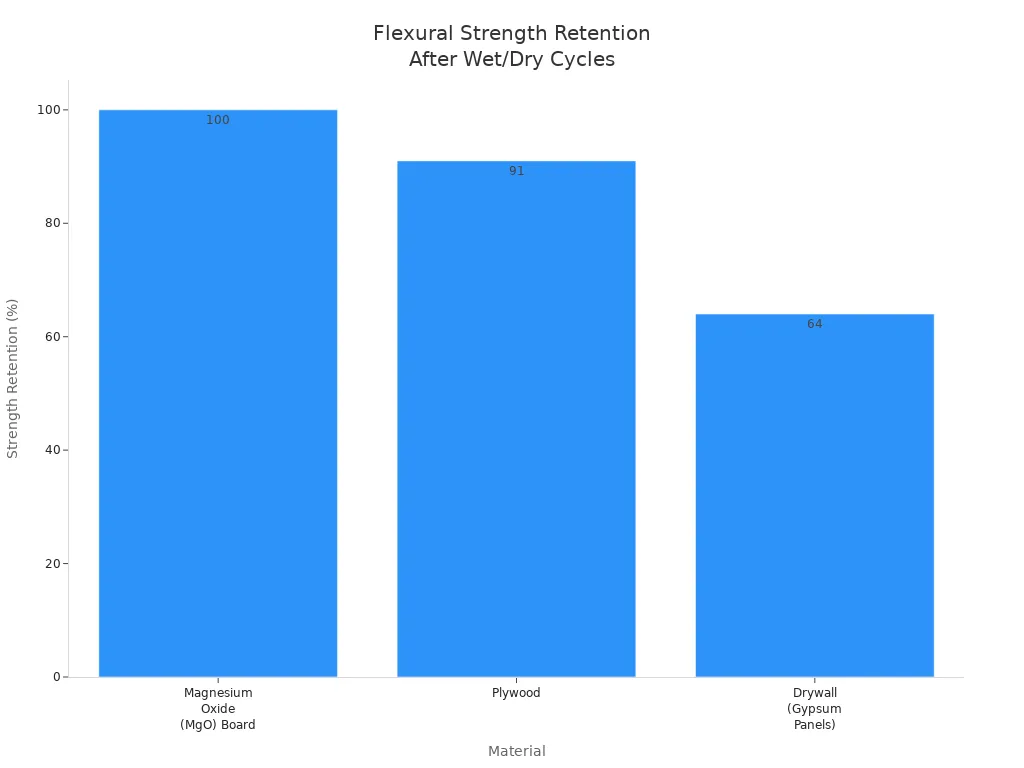
Note: Magnesium oxide sheathing board gives the best moisture and mold resistance. Drywall and plywood lose strength and shape when they get wet.
If you want walls or ceilings that resist moisture, mgo sheathing is the best pick. You get strong protection, fire resistance, and no mold. Magnesium oxide sheathing keeps your building safe and strong, even in wet places.
Fire Safety: Magnesium Oxide Sheathing vs Alternatives
Fire safety is very important when picking building materials. The right choice helps keep your home or business safe. It also helps you worry less. Let’s see how mgo sheathing, drywall, and plywood compare for fire safety.
MgO Sheathing Fire Rating
Magnesium oxide sheathing board gives great fire protection. This board does not burn at all. In fire tests, mgo sheathing does not catch fire or spread flames. It can last in fire for up to four hours. The time depends on how thick the board is and how it is put in. This high fire rating meets tough building rules. If there is a fire, you will see very little smoke. You will not breathe in bad fumes.
Handles heat over 750°C for more than 30 minutes
Has a Class A (A1) non-combustible rating
Note: Magnesium oxide sheathing is safer than most other building panels.
Drywall Fire Rating
Drywall gives some fire protection but not as much as mgo board. The gypsum inside drywall slows fire because it has water. When heated, the water turns to steam and helps stop burning. Drywall can still burn because it is combustible. Its fire rating is only moderate. It protects for a short time. Some drywall is made to resist fire better, but it does not last forever. If drywall is not put in right or gets wet, it does not protect as well.
Limitation | Description |
|---|---|
Bad Installation | Gaps or loose joints make fire protection weaker. |
Water and Mold | Too much moisture can cause warping and mold, lowering fire safety. |
Short Fire Protection |
Plywood Fire Rating
Plywood does not protect well against fire. It is made from thin wood layers that burn fast. Even special fire-rated plywood only slows burning for a little while. Plywood burns easily and spreads flames quickly. In a fire, plywood can make things worse. It is not good for places where fire safety is very important.
Property | Magnesium Oxide Sheathing | Fire-Rated Plywood |
|---|---|---|
Fire Resistance | Does not burn, A1 rated | Treated to slow burning, but not fireproof |
Moisture Resistance | Stays strong in wet places | Gets weak if wet for a long time |
Strength | Handles hits and heavy loads well | Not as strong as mgo sheathing |
Comparison Table
This table shows how each material works for fire safety:
Material | Fire Resistance (Duration) | Combustibility | Flame Spread Index | Fire Rating |
|---|---|---|---|---|
Magnesium Oxide Sheathing Board | Up to 4 hours | Does not burn (Class A) | 0 (Class A) | Best |
Drywall (Gypsum Board) | Medium | Can burn | Not listed | Moderate |
Plywood | Low | Burns easily | High | Low |
Magnesium oxide sheathing board gives the best fire protection.
Drywall protects for a short time but not as well as mgo.
Plywood burns fast and is not good for fire safety.
Tip: Pick mgo sheathing boards for the best fire safety. You keep your building, things, and people safe.
Durability and Strength: MgO Sheathing Boards
Impact Resistance of MgO Board
 Impact Resistance of MgO Board
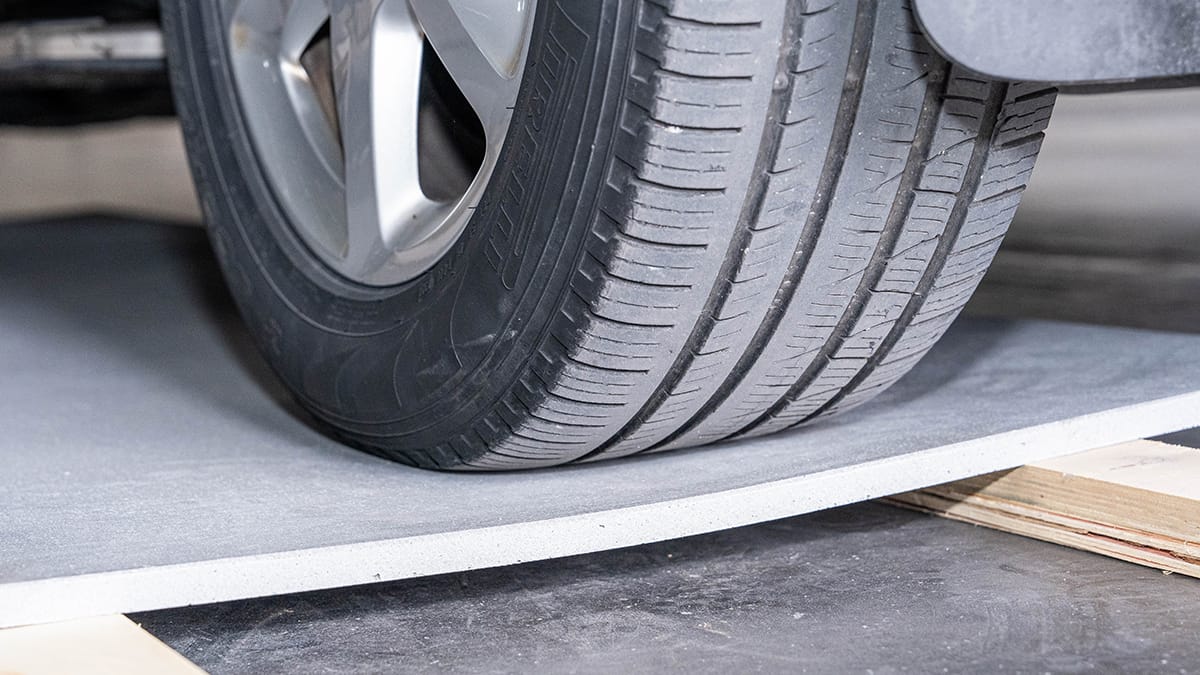
You want walls that can handle bumps and knocks. MagPanel MgO sheathing stands out for its impact resistance. You can use it in busy hallways, schools, or hospitals. The board does not tear or dent easily. Drywall often rips because of its paper face. Plywood can splinter or crack under stress. When you choose mgo sheathing, you get panels that stay strong even when people or equipment hit them. This is one of the main advantages of mgo sheathing boards.
Longevity of MgO, Drywall, and Plywood
You want your building to last for years. Magnesium oxide sheathing board gives you long-term durability. It resists fire, moisture, mold, and insects. You do not need to worry about frequent repairs. Drywall can get soft and moldy if it gets wet. Plywood may rot or break down over time. Mgo sheathing boards need less maintenance. You save time and money because the panels keep their strength and shape. The advantages of mgo sheathing boards include lower upkeep and reliable performance.
Deformation and Warping Comparison
You want panels that stay flat and do not change shape. Mgo board resists warping and shrinking, even in harsh weather. You can use it in places with big temperature swings or high humidity. Some brands of magnesium oxide sheathing show different results, but most do not crack, swell, or warp. Drywall can crumble or bulge when wet. Plywood may bend or separate if exposed to moisture. Mgo sheathing keeps its size and shape, so your walls look good for years.
MgO panels resist temperature changes and humidity.
They do not crack, warp, or swell in tough conditions.
Dimensional stability means no shrinking or bending over time.
Comparison Table
Feature | MgO Sheathing Board | Drywall | Plywood |
|---|---|---|---|
Impact Resistance | High | Low | Moderate |
Longevity | Excellent | Poor | Moderate |
Warping/Deformation | Very Low | High | Moderate to High |
Maintenance Needs | Minimal | Frequent | Occasional |
Tip: If you want the best durability and strength, mgo sheathing is the smart choice. You get panels that last, resist damage, and need little care.
Environmental Impact: MgO Board vs Drywall and Plywood
Sustainability of Magnesium Oxide Sheathing
Magnesium oxide sheathing board is good for the planet. It uses natural and recyclable things. Making it puts out less carbon dioxide than cement. For each ton made, it releases about 340 kg of CO₂. This is much less than Portland cement. You can recycle mgo board waste by heating it. This gets back magnesium oxide. Recycling helps keep trash out of landfills. It makes the environment cleaner. Using local materials and factories cuts down the carbon footprint even more.
Environmental Pros and Cons of Drywall
Drywall is used a lot, but it has some problems for the environment. Making drywall needs lots of energy. It puts out CO₂ into the air. Turning gypsum into panels releases gases that hurt the air. Old drywall often goes to landfills. You cannot reuse it easily. Mold can grow on drywall. This can make indoor air unhealthy. Drywall does not last as long as mgo sheathing boards. You may need to replace it more often.
Note: You cannot reuse damaged drywall much, so more waste is made.
Environmental Pros and Cons of Plywood
Plywood is made from wood. Making plywood can cause deforestation. Cutting trees for plywood, especially in rainforests, hurts forests and animals. Making plywood puts out more greenhouse gases than magnesium oxide sheathing. Some plywood comes from managed forests, but people still worry about the environment. Plywood burns easily. This makes its impact on nature worse. Think about these things if you want a greener building.
Comparison Table
Here is a table that shows how each material affects the environment:
Material Type | CO₂ Emissions (kg/ton) | Deforestation Risk | Recyclability | Eco-Friendliness |
|---|---|---|---|---|
Magnesium Oxide Sheathing | 340 | None | High | High |
Drywall | Moderate | None | Low | Moderate |
Plywood | High | High | Moderate | Low |
🌱 Picking mgo sheathing helps you build in a way that saves nature and uses fewer resources.
Cost and Value: MgO Sheathing Boards
MgO Sheathing Board Cost Factors
When you look at cost and value, magnesium oxide sheathing stands out for long-term savings. You pay more at first for mgo board, usually between $1.50 and $2.50 per square foot. This higher price comes from its special features. You get strong fire resistance, water protection, and durability. You spend less on repairs because mgo sheathing boards do not rot, warp, or grow mold. You also save money over time since these panels last 20 to 30 years. If you build in places with lots of moisture or risk of fire, the extra cost makes sense.
Drywall Cost Factors
Drywall costs less when you buy it. You pay about $0.50 to $1.00 per square foot. This makes drywall a popular choice for many homes and offices. You need to think about future costs, though. Drywall can get damaged by water or mold. You may need to replace it more often. Repairs and replacements add up over time. The total lifespan for regular gypsum boards is about 10 to 15 years. If you want a cheaper option now, drywall works well, but you might spend more later.
Plywood Cost Factors
Plywood sits between mgo board and drywall for price. You pay more than drywall but less than magnesium oxide sheathing. Plywood can handle some moisture, but it may warp or rot. You might need to fix or replace it if it gets wet or damaged. Plywood does not last as long as mgo sheathing boards. You should consider how often you will need repairs when you look at cost and value.
Comparison Table
Here is a table that helps you compare the initial cost, maintenance, and lifespan for each material:
Material | Initial Cost (per sq ft) | Maintenance Cost | Total Lifespan |
|---|---|---|---|
MgO Board | Low | 20–30 years | |
Drywall | $0.50 – $1.00 | Moderate | 10–15 years |
Plywood | $1.00 – $2.00 | Moderate to High | 10–20 years |
Tip: If you want the best cost and value for your project, think about how much you will spend over time. Mgo sheathing costs more at first, but you save money on repairs and replacements. You also get better durability and protection.
Installation: MgO Sheathing vs Drywall and Plywood
Installing MgO Sheathing Boards
 Installing MgO Sheathing Boards
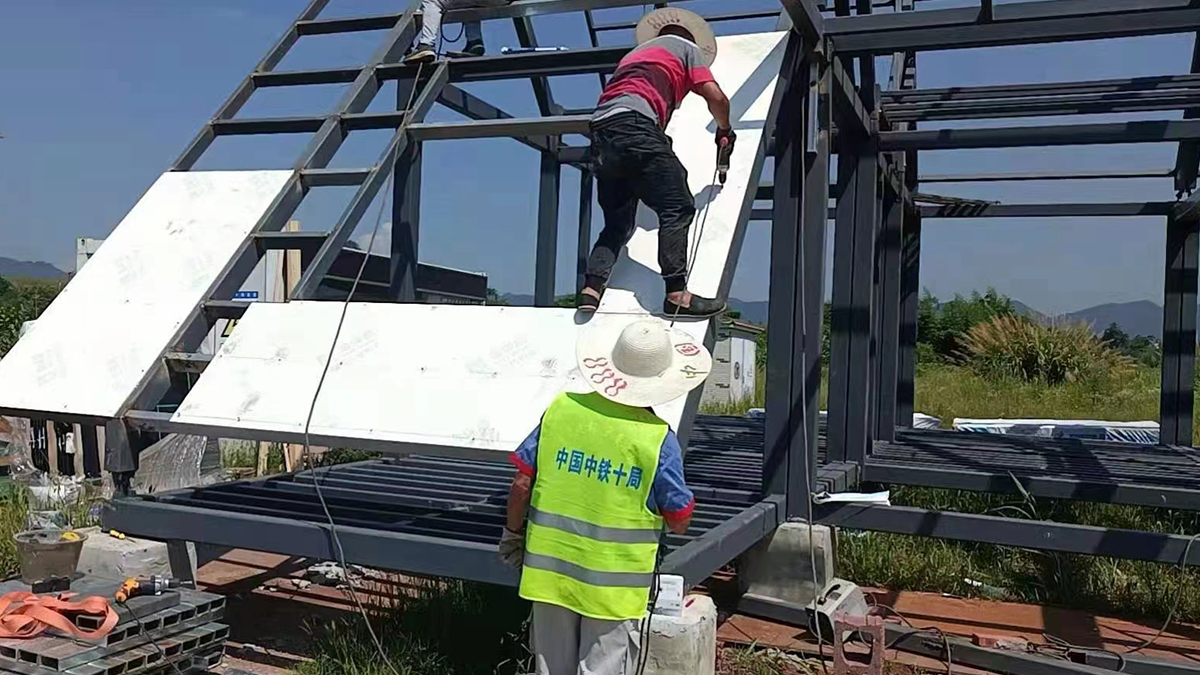
When you install magnesium oxide sheathing, you need to follow a few important steps. First, let the boards adjust to the room’s temperature and humidity for at least 24 hours. This helps prevent problems later. Use corrosion-resistant screws to attach the panels to the wall or ceiling. Make sure you use a joint compound that matches the board. You should tape the seams and cover them with the right compound. This keeps the surface smooth and strong.
You may face some challenges during installation:
Micro cracking can happen if the building moves or if the temperature changes quickly.
Boards need time to get used to the room before you put them up.
You must use the right screws and joint compound to avoid damage.
If you follow these steps, you get a sturdy wall that lasts a long time. MgO sheathing boards work well in places where you need extra protection.
Installing Drywall
Drywall is easy to install. You cut the panels to fit the wall. Use drywall screws or nails to attach them to the studs. Cover the seams with tape and joint compound. Sand the joints to make the wall smooth. Drywall is light, so you can lift and move it without much trouble. You do not need special tools for most jobs. If you want a quick and simple wall, drywall is a good choice.
Installing Plywood
Plywood panels are heavier than drywall. You cut them to size with a saw. Use nails or screws to attach them to the frame. Plywood does not need joint compound, but you can fill gaps with wood filler. You may need help to lift large sheets. Plywood works well for floors, roofs, and walls that need extra strength.
Comparison Table
Step/Feature | MgO Sheathing Board | Drywall | Plywood |
|---|---|---|---|
Acclimation Needed | Yes | No | No |
Fastener Type | Corrosion-resistant screws | Drywall screws/nails | Wood screws/nails |
Joint Treatment | Special compound/tape | Standard compound/tape | Wood filler (optional) |
Weight | Moderate | Light | Heavy |
Common Challenges | Micro cracking, acclimation, fastener choice | Crumbling edges, dust | Heavy lifting, splinters |
Tip: Always check the manufacturer’s instructions before you start. This helps you avoid mistakes and keeps your project safe.
Practical Recommendations
Best Uses for MgO Sheathing Board
You should use mgo sheathing in places that need strong protection. This material works well in areas with lots of moisture, like bathrooms, basements, and kitchens. You can also use it in buildings that need high fire safety, such as schools, hospitals, and commercial spaces. Mgo sheathing boards give you long-lasting walls that resist mold, water, and fire. If you want a wall that stays strong for many years, choose magnesium oxide sheathing.
Best places to use mgo sheathing:
Wet rooms (bathrooms, laundry rooms)
Basements and garages
Exterior walls in humid climates
Fire-rated walls and ceilings
High-traffic public buildings
Tip: Mgo board is a smart choice for any project where you want extra safety and durability.
Best Uses for Drywall
Drywall is a good choice for most indoor spaces. You can use it in bedrooms, living rooms, and offices. Drywall is easy to install and finish. It works well for walls and ceilings that do not get wet often. If you want a smooth surface for painting or decorating, drywall is a great option. You can also use special drywall for better sound or fire resistance.
Best places to use drywall:
Bedrooms and living rooms
Office spaces
Ceilings in dry areas
Interior walls that need a smooth finish
Note: Drywall is not the best for wet or humid places.
Best Uses for Plywood
Plywood gives you strength and flexibility. You can use it for floors, roofs, and walls that need extra support. Plywood works well in sheds, garages, and workshops. It is also good for making furniture or cabinets. If you need a panel that can handle heavy loads or rough use, plywood is a solid pick.
Best places to use plywood:
Subfloors and roof decking
Garage and shed walls
Workbenches and storage shelves
Furniture and cabinetry
Tip: Use plywood where you need strength and do not need high fire or moisture resistance.
You want strong protection for your building. Magnesium oxide sheathing gives you the best results for fire safety, moisture resistance, and durability. Choose mgo sheathing boards for wet areas or places that need high fire safety. Drywall works well for dry, indoor spaces. Plywood fits projects that need extra strength. When you pick a material, think about long-term value and how it affects the environment. Mgo board helps you build safer and smarter.
FAQ
What makes MgO sheathing better than drywall for wet areas?
You get strong moisture protection with MgO sheathing. The board does not absorb water. Mold cannot grow on it. Drywall gets soft and moldy when wet. MgO sheathing keeps your walls safe in bathrooms and basements.
Can you paint or finish MgO sheathing like drywall?
You can paint MgO sheathing. Use primer first for best results. The surface accepts joint compound and tape. You finish seams just like drywall. Choose paint that works for cement-based boards.
Is MgO sheathing safe for people and pets?
MgO sheathing does not release harmful fumes. You get a safe indoor space. The board does not contain asbestos or toxic chemicals. It helps keep air clean in your home or office.
How does MgO sheathing handle fire compared to plywood?
MgO sheathing does not burn. You get up to four hours of fire protection. Plywood burns quickly and spreads flames. MgO sheathing keeps your building safer during a fire.