
13 Jan What You Need to Know About MgO Sheathing in Construction
You use MgO sheathing in building because it is strong. It protects against fire, water, and hard hits. Magnesium oxide sheathing is good for projects that need to last long. It is also good for people who care about the environment. Builders like MgO because you can recycle it. It also takes less energy to make.
More people are using MgO sheathing now. This is true in places where cities are growing fast and old buildings need fixing.
Feature | Description |
|---|---|
Does not burn, handles high heat, good for fire-safe walls. | |
Moisture & Mold Protection | Stays strong in wet places, stops bending and mold, good for damp rooms. |
Strength & Versatility | Does not break easily, stays strong, better than OSB or plywood. |
Environmental Friendliness | Can be recycled, uses less energy to make, helps green building rules. |
Ease of Installation | Not heavy, simple to put in, works with many wall finishes. |
Key Takeaways
MgO sheathing stops fire from spreading. This keeps buildings safer.
This material does not let water in. It stops mold from growing. It keeps walls strong in wet places.
Using MgO sheathing helps the environment. It can be recycled. It needs less energy to make.
MgO sheathing is light and simple to put in. It makes building faster. It does not lower safety.
MgO sheathing costs more at first. It saves money later. It lasts a long time and needs little care.
What Is MgO Sheathing?
 Definition and Main Features
 Definition and Main Features
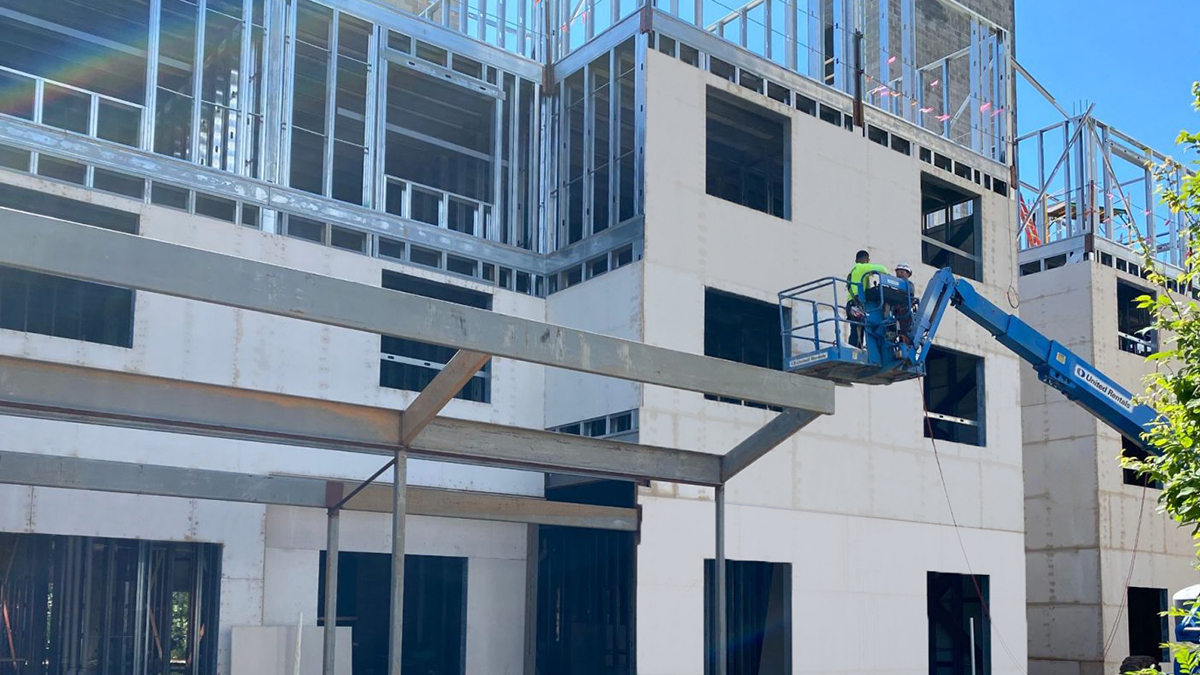
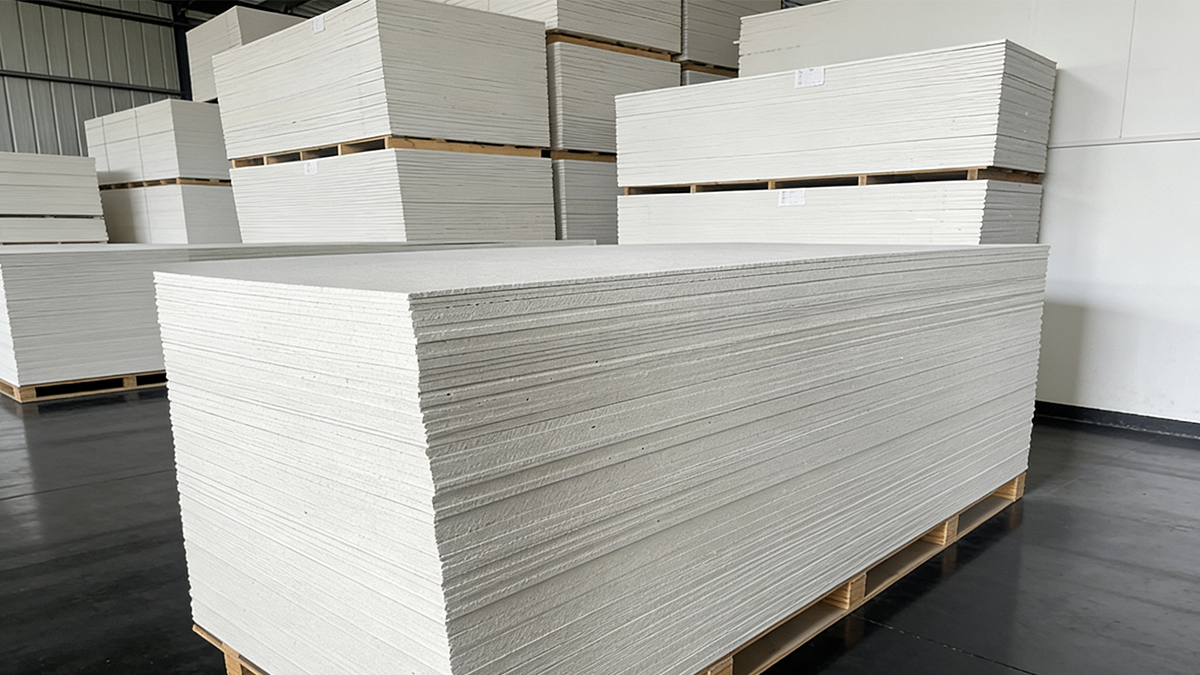
People use magnesium oxide sheathing to make buildings strong and safe. MgO sheathing is made from magnesium oxide, water, and other natural things. It comes in panels or boards that look like drywall but are tougher. MgO sheathing does not burn, soak up water, or break easily. You can put it on walls or floors in many places.
Here is a table that shows how magnesium oxide sheathing compares to traditional materials:
Performance Characteristic | MgO Sheathing | Traditional Materials (Plywood/Drywall) |
|---|---|---|
Fire Resistance | Non-combustible, lasts up to 4 hours in fire tests | Burns quickly, requires extra fireproofing |
Moisture Resistance | Resists moisture and mold | Absorbs water, weakens when wet |
Durability | Strong and long-lasting | Prone to bending, rotting, or breaking |
Eco-friendliness | Environmentally friendly | Varies, often less sustainable |
Installation Efficiency | Lightweight, easy to install | Requires extra steps like waterproofing |
Using magnesium oxide sheathing gives you many good things. It keeps buildings safe from fire and water. It is light, so you can build faster and carry it easily. You do not need to add more layers for fire or water safety. MgO sheathing is also good for the planet because it uses less energy to make and can be recycled.
Why MgO Sheathing Is Used Today
More buildings use magnesium oxide sheathing now because it fixes problems old materials have. Builders and architects pick MgO sheathing for its fire safety, strength, and green features. You can use it in places with strict safety rules, like tall buildings, schools, and hospitals. MgO sheathing meets tough rules, like ASTM E84 for fire safety, so it is a top pick for safe buildings.
Here are some reasons to choose magnesium oxide sheathing for your project:
You want walls and floors that do not burn easily.
You need panels that stay strong in wet or humid places.
You care about the planet and want to use recycled things.
You want to spend less on repairs because MgO sheathing does not rust or rot.
You need good soundproofing in loud places.
You want to save energy. MgO boards help keep rooms warm or cool, so you use less heating and air.
Note: Magnesium oxide sheathing can help you use up to 50% less energy for heating and cooling. It keeps heat inside in winter and blocks heat in summer. This saves money and makes your building more comfortable.
You see more magnesium oxide sheathing in places like California, New York, and Texas. These states have strict rules for fire and energy use. Builders use MgO sheathing to follow these rules and make safer, greener buildings. In the U.S. and Canada, more people pick magnesium oxide sheathing because they want strong, safe, and green buildings.
Magnesium Oxide Sheathing: Composition and Manufacturing
What MgO Board Is Made Of
 What MgO Board Is Made Of
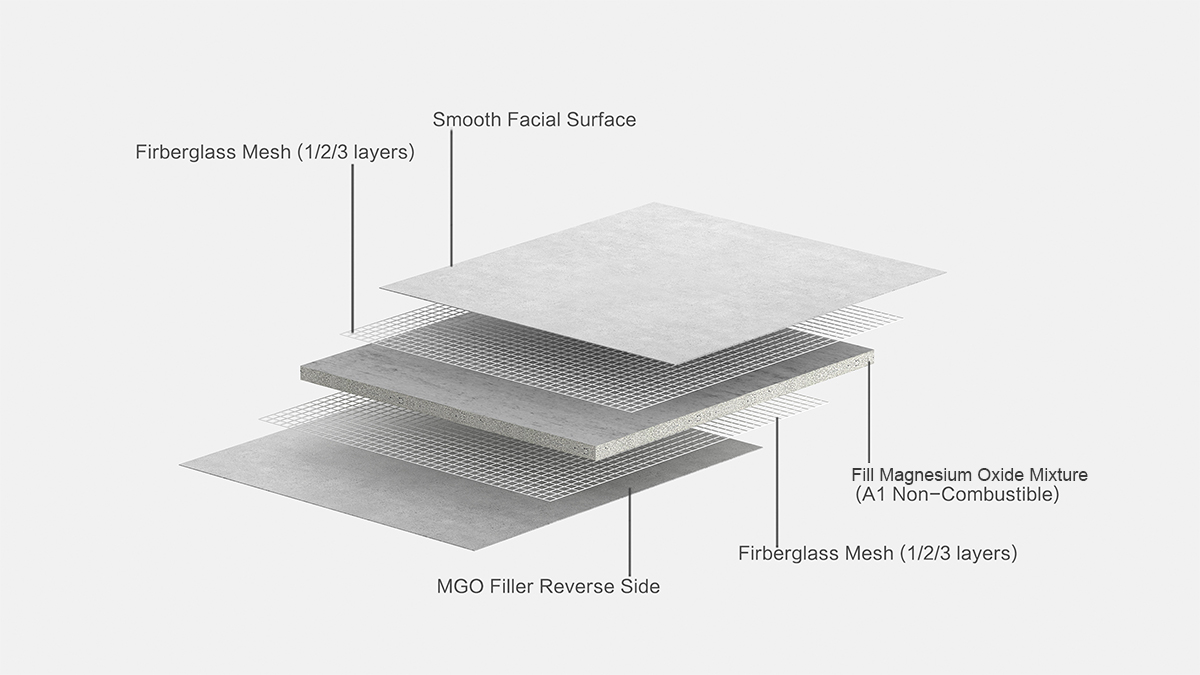
You may wonder why magnesium oxide sheathing is so strong. The main part of every MgO board is magnesium oxide. Makers mix it with other things to make strong panels. These panels help protect your building. Here are some common things in MgO:
Magnesium oxide
Fiberglass mesh
Perlite
Wood fiber
Magnesium oxide is the main part of MgO board. It gets heated and turned into a fine powder. Magnesium sulfate is added to help hold the board together. Perlite helps the board resist fire and heat. Wood fiber helps the board stick together and makes it easier to use. Fiberglass mesh makes MgO board stronger and helps it not break when hit.
Here is a table that shows how much of each part is in most magnesium oxide sheathing:
Component | Proportion by Weight (%) |
|---|---|
Magnesium Oxide (MgO) | 40-50 |
Reinforcements (Fiberglass mesh or wood fibers) | 5-10 |
Lightweight fillers (Perlite or vermiculite) | 5-20 |
Inorganic minerals | 90-95 |
This mix makes a board that is strong, light, and does not burn easily. That is why MgO board is a good pick for many building jobs.
How MgO Boards Are Produced
You can learn how MgO board is made by looking at the main steps. Factories use special machines to make sure every panel is good. Here is how MgO board is made:
Workers get raw materials like magnesium oxide and magnesium chloride ready.
They mix these things to make a thick paste.
The paste is poured into molds or onto flat surfaces.
The board is pressed hard to make it strong.
The boards are dried and cured to get rid of water and make them hard.
At the end, the boards are cut and sanded to make them smooth.
Machines help make every magnesium oxide sheathing panel the same. You get MgO board that is strong, lasts long, and does not burn easily. These steps help make sure your magnesium oxide sheathing will work well in any building.
Tip: When you pick MgO board, you get panels made with care. You can trust magnesium oxide sheathing to keep your project safe and last a long time.
Applications of Magnesium Oxide Sheathing
Wall and Partition Uses
Magnesium oxide sheathing is used in lots of walls. Builders use mgo board in homes and offices. It helps make walls strong and safe. You can put mgo sheathing on inside or outside walls. About 40% of mgo boards are used in homes for walls and ceilings. These panels stop fire, mold, and water from causing damage. You do not need special tools to put in mgo board. You can cut and fit it without trouble.
Here is a table that lists the main benefits of mgo sheathing for walls and partitions:
Benefit | Description |
|---|---|
Fire Resistance | Helps keep buildings safe from fire. |
Lightweight Nature | Lighter than cement boards, easy to move. |
Environmental Benefits | Uses less energy to make and traps carbon dioxide. |
Resistance to Fungi | Stops mold and mildew, keeps air healthy. |
Ease of Installation | No special tools needed, makes work easier. |
Thermal Benefits | Keeps rooms warm or cool, saves energy. |
Acoustic Benefits | Blocks noise, makes rooms quieter. |
These panels make walls last longer and help keep buildings safe and quiet.
Roofing, Flooring, and Exteriors
You can use magnesium oxide sheathing for roofs, floors, and outside walls. Mgo board does not let water or fire hurt your building. Sometimes, it is hard to put in mgo sheathing. The panels can be tricky to fit and make dust when cut. Some builders have problems with water, like white stains or panels getting weak. Other materials, like Levelrock, are easier to use and stay strong. Levelrock also blocks sound well and is used in many tested building systems. Mgo board still protects from fire and water, but you should check if it is right for your job.
Specialty and Niche Applications
Magnesium oxide sheathing is used in special building jobs. Mgo board helps buildings stay strong in wet or salty places. You see mgo sheathing in buildings near the ocean because it does not get ruined by water. Builders use mgo board for green projects because it is better for the planet. In the future, mgo panels may have sensors to watch building safety. These smart panels could help you know if your building is healthy.
Tip: Magnesium oxide sheathing is good for many building jobs. You get strong, safe, and earth-friendly panels for walls, floors, roofs, and special uses.
MgO Sheathing: Pros and Cons
Advantages (Fire, Water, Mold Resistance, Eco-Friendly)
 Advantages (Fire, Water, Mold Resistance, Eco-Friendly)
If you pick magnesium oxide sheathing, you get many good things. MgO sheathing is special because it stops fire and water. It also stays strong for a long time. Using it helps the earth because it is a green choice.
Fire Resistance and Safety
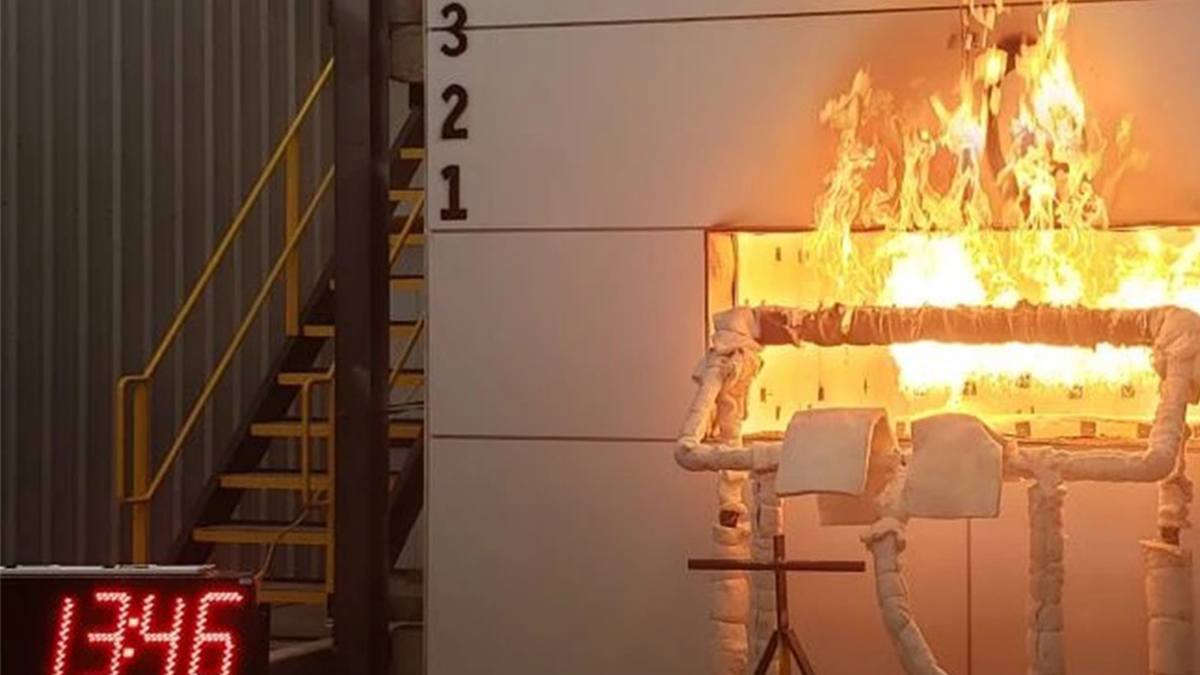
MgO board is great at stopping fire. You can use it to make buildings safer. Magnesium oxide sheathing does not burn, so it keeps your walls and floors safe. MgO sheathing passes hard tests like ASTM E119 and ASTM E136. MgO board lasts longer in fire than other boards.
Property | MgO Board | Gypsum Board | Cement Board |
|---|---|---|---|
A1 Non-Combustible (highest class) | Fire-resistant up to 1 hour | Fire-resistant up to 2 hours | |
Fire Endurance | Up to 4 hours | 30-60 minutes | Up to 2 hours |
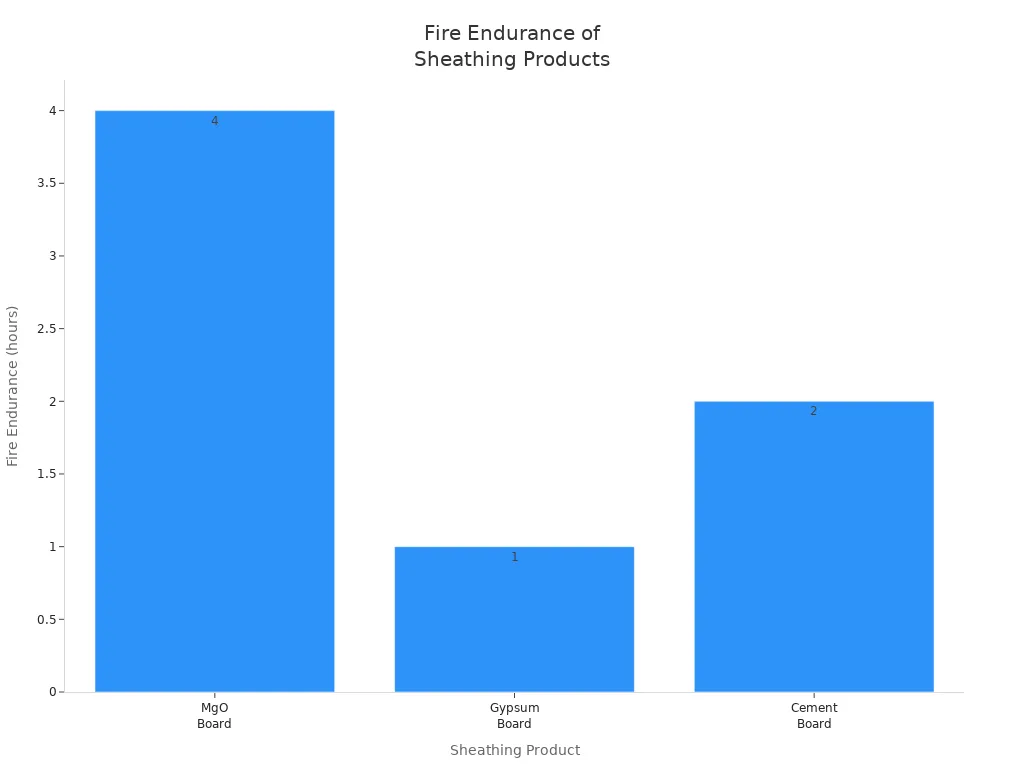
MgO board gets the A1 rating for not burning under EN 13501-1. You can feel safe knowing your building has strong fire protection.
Moisture Resistance and Mold Protection
You want walls and floors that do not get weak from water. Magnesium oxide sheathing keeps out water and mold. MgO board does not swell or rot, so you do not have to fix it often. You can use MgO sheathing in wet places like bathrooms and basements. The water resistance of MgO board helps keep your building safe and healthy.
Durability and Strength
MgO sheathing is tough and lasts a long time. The panels do not crack or break easily. MgO board stays strong even in hard weather. You can use it for walls, floors, and roofs. Magnesium oxide sheathing helps your building last longer. You do not have to spend much on repairs.
Eco-Friendly and Sustainable Building Practices
You help the planet when you use magnesium oxide sheathing. MgO board uses less energy to make and you can recycle it. You help green building and follow eco-friendly rules. Many MgO boards have certifications like CE, ISO, INTERTEK, ASTM E84, UL 723, FloorScore, and LEED.
Certification | Details |
|---|---|
CE | Shows it meets health and safety rules. |
ISO | Makes sure the boards are made well. |
INTERTEK | Checks for safety and good performance. |
ASTM E84 | Tests how safe it is from fire. |
UL 723 | Looks at how flames spread. |
FloorScore | Checks if air inside is clean. |
LEED | Gives points for green building. |
Tip: You can use magnesium oxide sheathing to get LEED points. MgO board helps you build greener and healthier places.
Summary of Advantages
You get strong fire resistance and safety.
You keep your building safe from water and mold.
You get panels that last a long time.
You help the earth with green building.
You meet tough building codes and rules.
Drawbacks (Cost, Availability, Installation)
MgO sheathing has many good points, but there are some problems too.
Higher Cost
MgO board costs more than gypsum board. You pay more at first, but you save money later because magnesium oxide sheathing lasts longer and needs fewer repairs.
Cost Category | MgO Boards | Regular Gypsum Boards |
|---|---|---|
Initial Cost | $0.50 – $1.00 per square foot | |
Maintenance Cost | Low – resistant to fire, water, mold, and pests, requiring minimal repairs | Moderate – susceptible to water damage, mold, and more frequent repairs |
Total Lifespan | 20-30 years | 10-15 years |
Note: You pay more at first, but MgO sheathing lasts longer and costs less to fix.
Availability Issues
You might not find magnesium oxide sheathing in every store. Not all places sell MgO board. You may have to order it from far away, which can cost more and slow down your work.
Installation Challenges
MgO board needs special care when you put it in. You need expensive saws with diamond or carbide blades to cut MgO sheathing. MgO board can crack if you do not handle it gently. Nails do not hold as well in MgO sheathing, so it is harder to fasten. You may need extra steps like skim coating and sanding to make it smooth.
Challenge | Description |
|---|---|
You need special saws with diamond or carbide blades. | |
Brittleness | MgO boards can crack or break if not handled right. |
Weak nail holding power | Nails do not hold as well as in wood. |
Aesthetic finishing difficulties | You may need extra steps to make it look smooth. |
Alert: You should teach your workers how to use magnesium oxide sheathing. The right tools and training help you avoid problems.
Summary of Drawbacks
You pay more for MgO sheathing than other boards.
You may not find MgO board in your area.
You need special tools and skills to put in magnesium oxide sheathing.
You may have trouble with finishing and fastening.
Final Thoughts
MgO sheathing gives you strong fire and water protection. It lasts a long time and helps the earth. You should think about the good and bad points before you choose magnesium oxide sheathing. If you want a safe, strong, and green building, MgO board is a smart choice.
MgO Board vs. Traditional Materials
MgO vs. Gypsum Board
 MgO vs. Gypsum Board
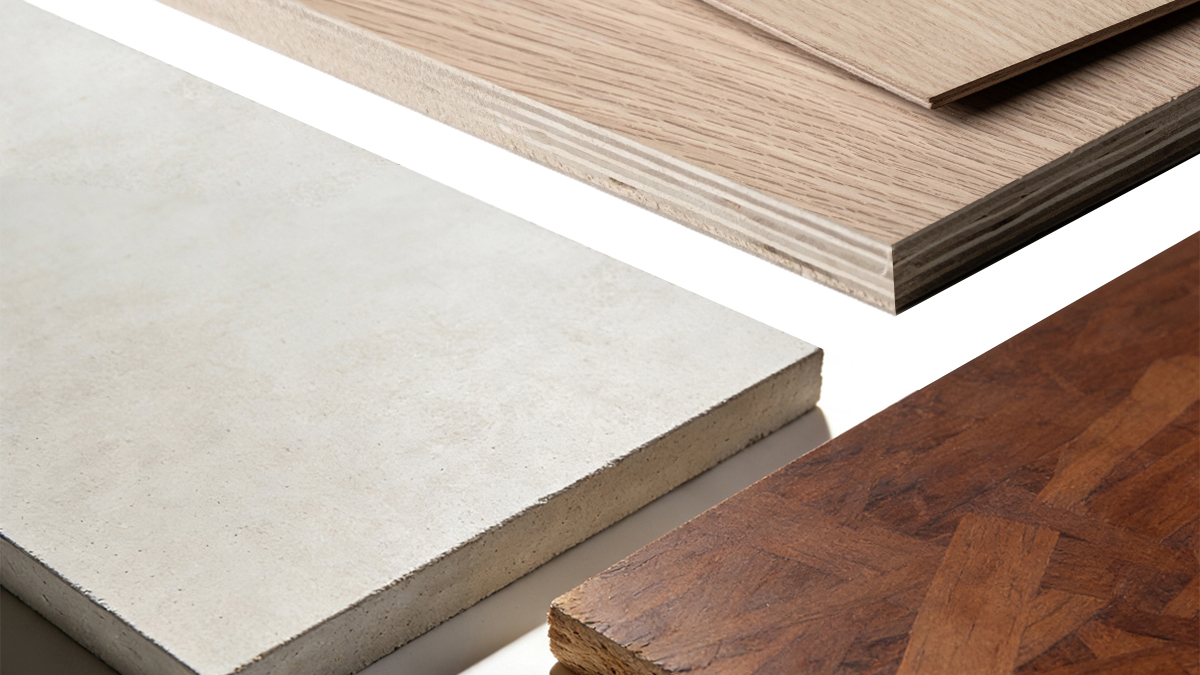
MgO board and gypsum board are both used in building. They help protect buildings, but they do not work the same way. MgO board is better at stopping fire. You can see this in the table below:
Material | Fire Resistance Rating | Features |
|---|---|---|
MgO Board | A1 | Non-combustible, does not spread flames, releases water vapor during fire |
Gypsum Board | Lower than A1 | Can break down faster in high heat, does not have water vapor feature |
MgO board lasts longer when there is a fire. This means your walls and ceilings are safer. MgO board also keeps out water better. It only takes in 0.34% moisture. Gypsum board takes in almost 3%. This means MgO board stops water and mold more. You can use MgO board in wet places like bathrooms and basements. Gypsum board does not protect as well in these places.
MgO board is better at stopping fire than gypsum board.
MgO board keeps out water and mold, but gypsum board does not.
MgO vs. Plywood and OSB
Builders sometimes use plywood or OSB for sheathing. MgO board is stronger and lasts longer. It keeps its strength even after getting wet many times. Plywood loses 9% of its strength, and OSB loses 40%. MgO board can hold over 350 pounds per square foot. This means it stays strong in wet places.
Feature | MgO Board | Plywood/OSB |
|---|---|---|
Installation Method | Installs like drywall | Standard installation methods |
Cutting Tools | Can be cut with standard tools | Requires specific tools |
Versatility | Can be painted, tiled, or veneered | Limited treatment options |
You can paint, tile, or cover MgO board in different ways. This gives you more choices for how your project looks.
Performance and Sustainability Comparison
You want to know which board is best for your building. MgO board is strong, safe from fire, and keeps out water. It is also better for the earth. Making MgO board causes less pollution. It uses natural things and helps keep air inside clean. You can recycle MgO board completely.
Material | Environmental Impact | Recyclability |
|---|---|---|
MgO Board | Eco-friendly, made from natural materials, contributes to better indoor air quality | Fully recyclable |
OSB | Made from wood, renewable, but production involves chemicals and glues | Limited recyclability |
Gypsum Board | Abundant and recyclable, but energy-intensive manufacturing process | Recyclable |
Fiber Cement Board | Moderate environmental impact due to energy required for cement production | Limited recyclability |
MgO boards make less pollution and use less energy.
You help the earth when you pick magnesium oxide sheathing.
Tip: If you want a strong, safe, and green building, MgO board is a great choice. You can use it for walls, floors, and roofs in many buildings.
You now know that magnesium oxide sheathing protects well from fire and water. It is used in houses, schools, and business buildings. Look at the table below before picking this material for your job.
Factor | Why It Matters |
|---|---|
Fire Resistance | Keeps buildings safer |
Moisture Resistance | Stops mold and mildew |
Durability | Handles tough weather |
Eco-friendliness | Supports green building |
Cost | Affects your budget |
Availability | May change by location |
Make sure you pick the right thickness and grade.
Buy from a supplier with good certifications.
Check your local rules and weather before you decide.
Magnesium oxide sheathing lets you build places that are safer and better for the earth. Always choose what fits your project and what you can get nearby.
FAQ
What tools do you need to cut MgO sheathing?
You need a saw with a diamond or carbide blade. Regular saws may not work well. Always wear a mask because cutting MgO board makes dust. You can use a utility knife for small cuts.
Can you paint or tile over MgO sheathing?
You can paint or tile over MgO sheathing. Make sure the surface is clean and dry. Use primer before painting. For tiles, use thin-set mortar. MgO board works well with many finishes.
Is MgO sheathing safe for indoor air quality?
MgO sheathing does not release harmful chemicals. You help keep indoor air clean when you use it. Many MgO boards have FloorScore certification for low emissions.
Tip: Choose certified MgO boards for the best air quality in your building.
How does MgO sheathing handle moisture?
MgO sheathing resists water and mold. You can use it in bathrooms, basements, and kitchens. The board does not swell or rot when wet. This helps your walls last longer.
Where can you buy MgO sheathing?
You can buy MgO sheathing from specialty building suppliers. Some big stores may not carry it. Check online for local dealers. Always ask for certified products.