
11 Dec A Complete Guide to Selecting the Ideal Subfloor Material for Your Project
You want the right subfloor for your project. The best choice depends on your floor type. It also depends on moisture, strength, and cost. In 2025, builders pick mgo subfloor panels more often. These panels stop fire and water damage. They help the environment and are easy to install. Plywood, OSB, and concrete are used a lot. But mgo board subfloor vs Engineered wood subfloor is safer and better for the planet. Ask flooring experts to help you choose. Make sure your pick fits your needs now and later.
Key Takeaways
Pick the best subfloor for your floor type. Plywood is good for hardwood floors. Concrete works best for tile floors.
Check how much moisture is in your house. Use moisture-resistant materials like MgO board in wet places. This helps stop damage.
Look at how strong and long-lasting each subfloor is. MgO board lasts longer than plywood and OSB. It also resists fire and water better.
Think about how hard and costly it is to install. Plywood is simple to put in. Concrete is very strong but costs more and is harder to use.
If you want a green choice, pick MgO board. It is good for the environment. It is made from natural things and helps cut down on waste.
What Is a Subfloor and Why It Matters
Subfloor Definition and Purpose
You may not see the subfloor, but it is one of the most important parts of your home. The subfloor sits on top of the joists and under the finished floor. It acts as the middle layer in your flooring system. This layer gives your floor a strong, flat surface. You need a solid subfloor to support everything above it, including the roof, walls, and your finished flooring.
Tip: A good subfloor helps your floor last longer and feel more comfortable underfoot.
The subfloor does more than just hold up your floor. It serves many roles:
Structural support for the entire flooring system, spreading weight evenly.
A stable, level base for installing finished flooring.
Protection against moisture, which helps prevent damage.
Extra insulation to keep your home warm or cool.
Sound dampening to reduce noise between floors.
Extends the life of your finished floor by absorbing daily wear.
Impact on Flooring Performance and Longevity
Your choice of subfloor material can make a big difference in how your floor looks and lasts. If you prepare the subfloor well, you avoid uneven spots and early damage. A strong subfloor keeps your floor stable and durable. This is key for good flooring performance.
If you ignore problems with your subfloor, you may face expensive repairs. Issues like cracks or warping in your finished floor often start with a weak or damaged subfloor. You should also think about the type of flooring you want and the conditions in your home, such as moisture and foot traffic. These factors help you pick the right subfloor for your needs.
Key Factors in Choosing the Best Subfloor Material
 Flooring Type Compatibility
 Flooring Type Compatibility
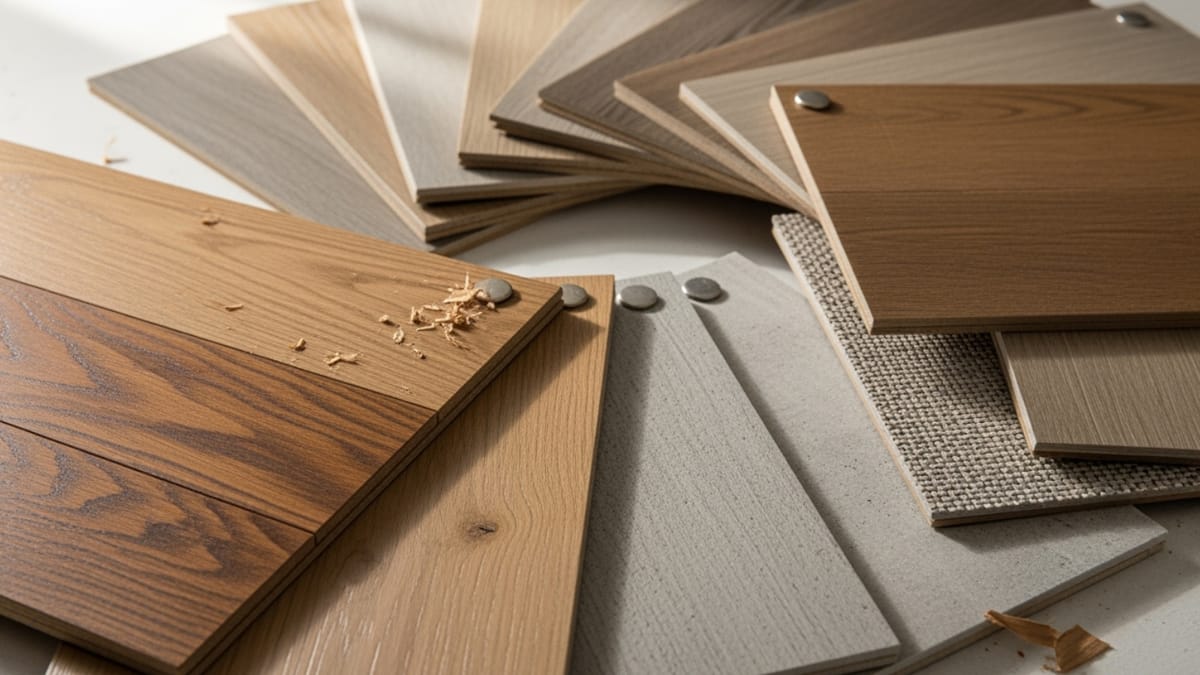
You need to pick a subfloor that matches your finished floor. This helps your project work out well. Every flooring type works best with certain subfloor materials. Check the table below to see which ones go together:
Finished Flooring Type | Recommended Subfloor Material | Additional Notes |
|---|---|---|
Hardwood | ¾” tongue-and-groove plywood | Prevents movement and enhances stability |
Tile | Concrete slabs | Needs moisture barrier in wet areas |
Laminate | Plywood with thin underlayment | Moisture barrier recommended |
Vinyl | Plywood or directly over wood | Use Class II moisture retardant if wood is old |
Thicker subfloor panels give more support. They also help stop squeaks.
Environmental and Moisture Considerations
Think about your climate and how much moisture is in your home. Moisture resistance is important for a strong subfloor. If you live where it is humid, pick materials that can handle wetness. The table below shows what you should know:
Factor | Specification |
|---|---|
Type of Hardwood | Engineered: 6%-9% moisture; Solid: 6%-10% moisture. Acclimation varies. |
Subfloor Material | Plywood/OSB: 6%-12% moisture; flatness deviation ≤ 3/16-inch over 10 feet. |
Moisture Difference | Hardwood and subfloor should be within 2-4% moisture of each other. |
Environmental Conditions | Ideal humidity: 30%-50% to avoid floor problems. |
Pick the right thickness and check moisture levels. This helps you avoid warping and damage.
Durability and Longevity
You want your subfloor to last a long time. Most subfloors last 30 years or more if kept dry. Plywood and OSB work well in most homes. MgO board lasts even longer. It gives extra strength, water, and fire resistance. The best subfloor material gives you both durability and longevity.
Cost and Installation Complexity
Look at price and how easy it is to install. Here is a cost guide:
Material | Average Cost (per Sq. Ft.) |
|---|---|
Plywood | |
OSB | $2.50–$4.50 |
Concrete slab | $6 |
Plywood is easy to install because of its tongue and groove system. OSB is simple but can warp if it gets wet. Concrete is strong but costs more and needs extra steps for some floors. MgO board gives fire resistance, which adds value over time.
Sustainability and Eco-Friendliness
You may want a subfloor that is good for the planet. MgO board is great for sustainability. It uses natural minerals and recycled content. It does not release harmful chemicals. Its durability means less waste. Linoleum and reclaimed hardwood are also eco-friendly. These choices help you make your home greener.
Tip: If you want a sustainable home, pick subfloor materials with low carbon footprints and long life spans.
Best Subfloor Materials Compared
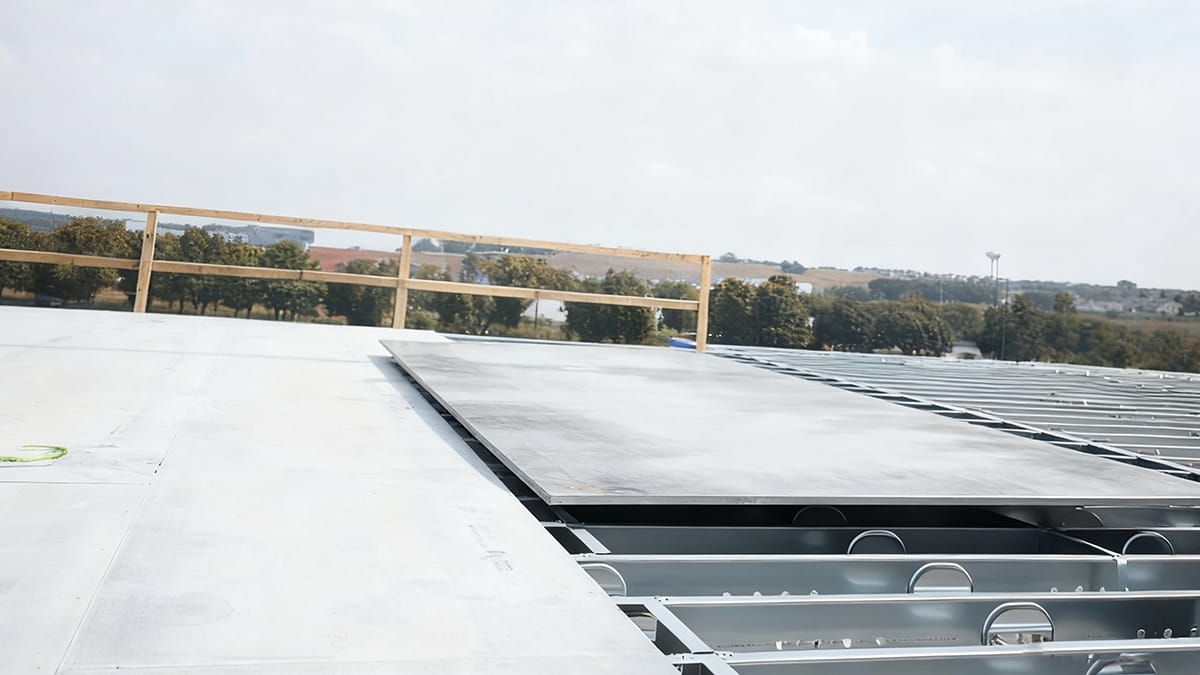 When you pick subfloor materials, you want to know how each one works. You should think about quality, strength, price, and how green it is. This part shows a simple comparison of the main subfloor choices. You will learn how subfloor plywood, MgO subfloor panels, OSB, concrete, and engineered wood compare in 2025.
Plywood
Subfloor plywood is used in many homes. It gives good quality and strong support. Builders like best subfloor plywood because it is strong and easy to put in. You can cut it to fit any room. It works with most finished floors.
Benefits of subfloor plywood:
Handles heavy weight well
Smooth for putting down floors
Best subfloor plywood does not split or crack easily
Simple to nail or screw to joists
Drawbacks:
Subfloor plywood can bend if it gets wet
Not as safe from fire as mgo subfloor panels
Might let out formaldehyde if not checked
Note: Pick best subfloor plywood with tongue-and-groove edges for extra strength and less squeaking.
MgO Subfloor
MgO subfloor panels are a top pick in 2025. You get great quality, safety, and they are good for the planet. These panels are strong and last longer than subfloor plywood. MgO subfloor panels are better in every way.
Why choose MgO subfloor panels?
MgO subfloor panels stop fires and keep your home safe.
They do not let water in, so no mold or damage.
MgO subfloor panels are green and help the earth.
You get panels that do not burn in high heat.
MgO subfloor panels do not bend or rot, so your floor stays strong.
Made from natural stuff, MgO subfloor panels do not give off bad chemicals.
MgO subfloor panels help your home have cleaner air.
You help the planet by using MgO subfloor panels.
MgO subfloor panels last a long time and stay strong.
Builders in 2025 like MgO subfloor panels for their strength and green benefits.
Tip: MgO subfloor panels are great for places that need fire safety and for wet rooms. You keep your home safe and help the planet.
OSB
Oriented Strand Board (OSB) is another common subfloor choice. You see it in new homes because it costs less than best subfloor plywood. OSB gives okay quality and support.
Benefits of OSB:
Good support for most houses
Cheaper than subfloor plywood
Easy to use in big pieces
Drawbacks:
OSB can swell and get weak when wet
Not as strong as MgO subfloor panels or best subfloor plywood
Not as safe from fire as MgO subfloor panels
Note: Do not use OSB in wet places. It works best in dry rooms.
Concrete
Concrete is a tough subfloor choice. You find it in basements and ground floors. Concrete gives strong support and lasts a long time.
Benefits of concrete:
Very strong for heavy things
Does not rot or bend
Good for tile and stone floors
Drawbacks:
Concrete costs more than subfloor plywood or OSB
Hard to put in and fix
Not as green as MgO subfloor panels
Tip: Use concrete where you need extra strength and long life.
Engineered Wood
Engineered wood is a newer subfloor choice. It has layers of wood pressed together for more strength. Engineered wood handles water better than subfloor plywood.
Benefits of engineered wood:
Strong and steady support
Does not bend as much as subfloor plywood
Works with many finished floors
Drawbacks:
Costs more than best subfloor plywood
Not as safe from fire as MgO subfloor panels
May not be as green as MgO subfloor panels
Note: Engineered wood is good if you want a steady subfloor that handles water better.
Other Options
You might see other subfloor choices like linoleum, reclaimed hardwood, or composite panels. These give special benefits for being green and good quality. You should check if they are strong and last long for your project.
Comparison Table: Best Subfloor Materials in 2025
Material | Structural Integrity | Fire Resistance | Moisture Resistance | Eco-Friendliness | Quality | Cost |
|---|---|---|---|---|---|---|
Subfloor plywood | High | Low | Medium | Medium | High | Low |
MgO subfloor panels | Very High | Very High | Very High | Very High | Very High | Medium |
OSB | Medium | Low | Low | Medium | Medium | Low |
Concrete | Very High | High | High | Low | High | High |
Engineered wood | High | Medium | High | Medium | High | Medium |
Callout: MgO subfloor panels are the best in 2025. You get great fire safety, water safety, green benefits, and quality. MgO subfloor panels keep your home safe and help the planet.
You should look at all subfloor choices before you pick. Find the best subfloor materials for your needs in quality, strength, and green benefits. MgO subfloor panels are the top choice in 2025.
Pros, Cons, and Best Uses of Subfloor Materials
Plywood: Strengths and Weaknesses
 Plywood: Strengths and Weaknesses
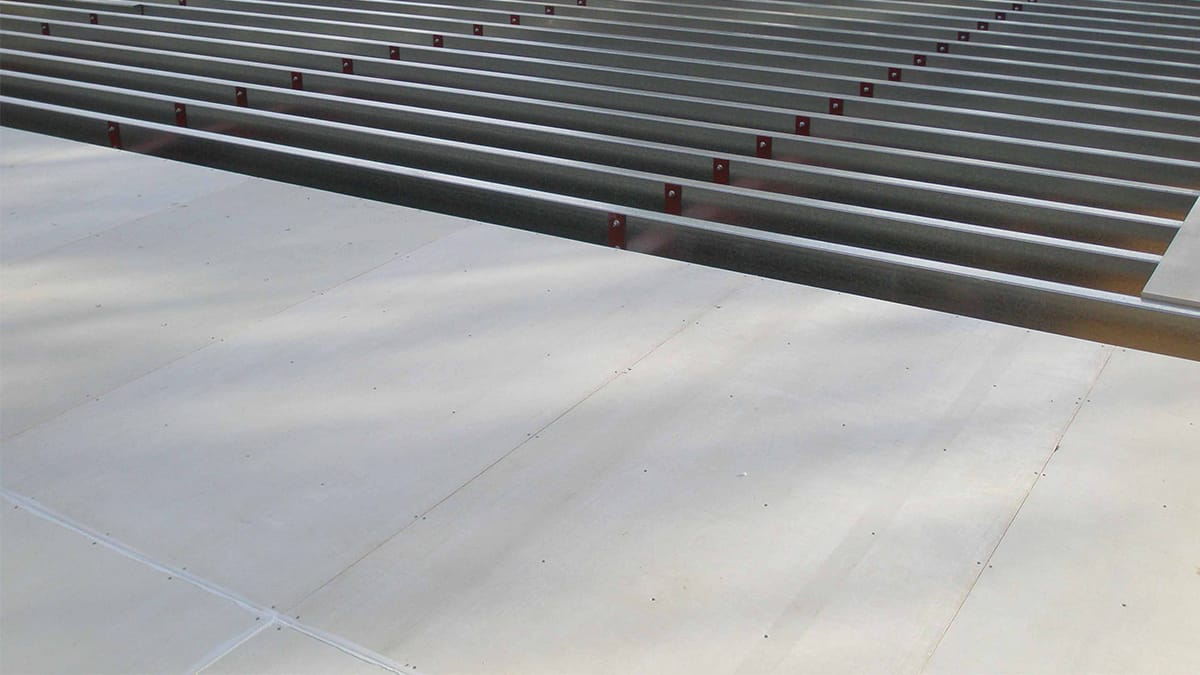
Plywood makes a strong base for your floors. It works in most homes and lasts many years. Here are its main strengths and weaknesses:
Strengths | Details |
|---|---|
Excellent Strength | Holds heavy furniture and lots of walking. |
Resistance to Warping | Stays flat when the weather changes. |
Long-lasting | Keeps working well for a long time. |
Weaknesses | Details |
|---|---|
Heavier | Hard to carry and put in place. |
Higher Cost | Costs more than OSB or softwood. |
Requires Precision | Needs careful work because it is heavy and stiff. |
MgO Board: Strengths and Weaknesses
MgO board is safe and strong. It gives you many good things:
Fire-repellent and fire-rated, so your home is safer.
Does not melt or change shape in high heat.
Stops water and mold, so it is good for kitchens and bathrooms.
Does not rot, swell, or curl when wet.
MgO board costs more, but you get safety and long-lasting value.
OSB: Strengths and Weaknesses
OSB is a cheap choice for dry rooms. Here is what you need to know:
Works under engineered wood, laminate, or vinyl in dry places.
Costs less than plywood.
Can swell or get weak if it gets wet.
Does not get better after water damage, which can hurt your finished floor.
Plywood is better for kitchens and bathrooms because it dries faster and does not swell as much.
Concrete: Strengths and Weaknesses
Concrete is tough and lasts a long time. The table below shows its pros and cons:
Pros | Cons |
|---|---|
Design versatility | Can have water problems |
Durability | Needs resealing sometimes |
Easy to maintain | Can crack over time |
Good for radiant heating | Can be slippery and hard to walk on |
Concrete works well in basements and busy areas, but you need to watch for water and cracks.
Engineered Wood: Strengths and Weaknesses
Engineered wood gives steady support and handles wet air better than solid wood. You get:
Good strength and less chance of bending.
Costs less than solid hardwood.
Can be tricky to install and may need glue or nails.
Not as fire-safe as MgO board.
Engineered wood works under many floors, especially where you want extra strength.
Best-Use Scenarios
Pick the subfloor that fits your project and room. The table below helps you choose:
Subfloor Material | Best Use Scenario | Environmental Conditions |
|---|---|---|
Plywood | Hardwood, engineered wood, tile | Strong, versatile, durable |
MgO Board | Wet areas, fire-prone spaces | Moisture-proof, fire-safe |
OSB | Laminate, vinyl, engineered wood in dry areas | Affordable, stable, dry only |
Concrete | Basements, tile, stone, radiant heating | Durable, needs moisture care |
Engineered Wood | Under hardwood, laminate, or vinyl | Stable, handles humidity |
Tip: Always pick the subfloor that matches your floor and room for the best results.
MgO Board Subfloor vs Engineered Wood Subfloor
Performance Comparison
When you compare mgo board subfloor vs engineered wood subfloor, you see big differences in safety and strength. Mgo subfloor panels give you top fire resistance. They do not burn easily and do not make toxic smoke. Engineered wood can burn faster and may give off fumes. The table below shows how these materials handle fire:
Material | Fire Resistance |
|---|---|
MgO subfloor panels | Naturally noncombustible, fire ratings of 1-4 hours, no toxic smoke emitted |
Engineered wood | Needs treatments for fire safety, can emit smoke and fumes when burned |
You also want to think about moisture. Mgo subfloor panels have a non-porous surface. Water does not get in, so you avoid swelling and mold. Engineered wood can take in water and may swell or get weak. This makes mgo subfloor panels better for kitchens, bathrooms, and basements.
Material | Moisture Resistance |
|---|---|
MgO subfloor panels | Non-porous, prevents water absorption, great for high-humidity areas |
Engineered wood | Can absorb water, may swell and weaken in wet places |
You get better flooring performance with mgo subfloor panels. They last longer and need less repair. Engineered wood works well in dry rooms but may need more care over time.
Sustainability and Longevity
You want your home to last and help the planet. Mgo subfloor panels use natural minerals and recycled content. They do not release harmful chemicals. This makes them a top choice for sustainability. Engineered wood uses layers of wood and glue. It can be green if made from recycled wood, but it may not last as long in wet or hot places.
Mgo subfloor panels give you more longevity. They do not rot, bend, or break down fast. You get a subfloor that stays strong for many years. This means less waste and fewer repairs.
Tip: If you want a green home that lasts, pick mgo subfloor panels for better sustainability and long-term value.
Cost and Installation
You need to think about your budget and how easy it is to put in the subfloor. Mgo subfloor panels cost more at first, but you save money later. They do not need as many repairs or replacements. Engineered wood costs less to buy, but you may pay more for fixing water or fire damage.
Mgo subfloor panels are easy to cut and install. You can use them in many rooms. Engineered wood also installs easily, but you must keep it dry. For most projects, mgo board subfloor vs engineered wood subfloor shows that mgo subfloor panels give you better value, safety, and green benefits.
You should choose mgo subfloor panels for wet areas, fire safety, and long life. Use engineered wood in dry rooms where you want a smooth, steady base.
Matching Subfloor to Flooring Type and Environment
Hardwood and Engineered Wood Floors
 Hardwood and Engineered Wood Floors
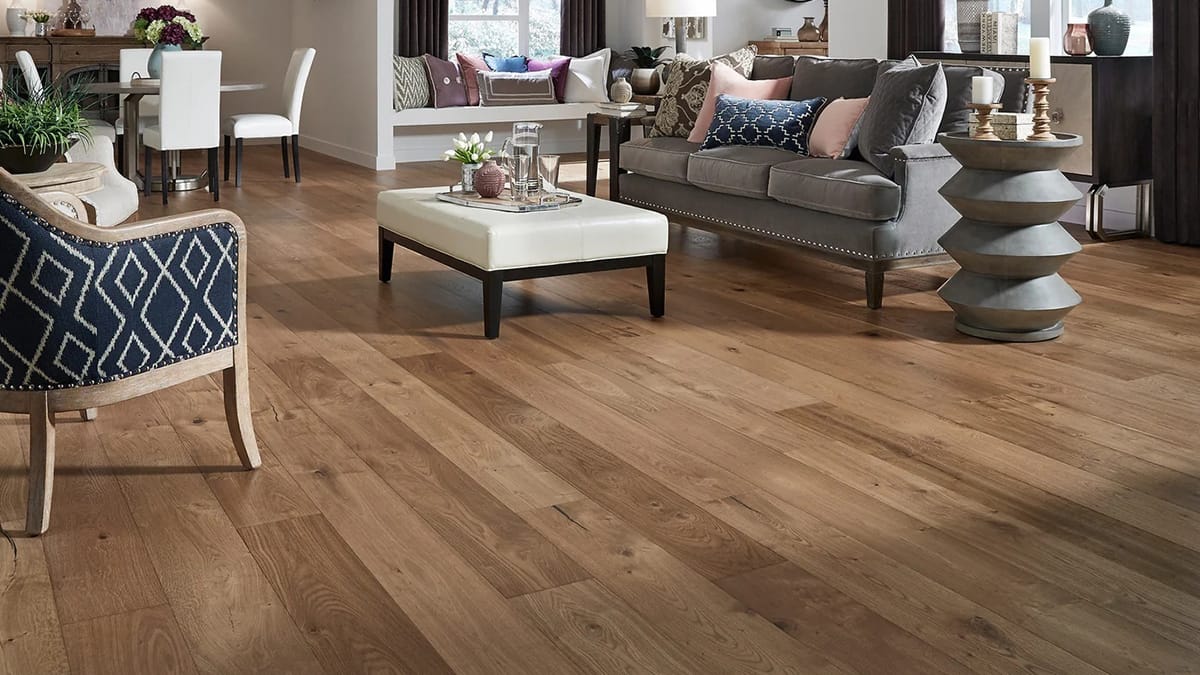
Hardwood and engineered wood floors need strong support. Plywood is a good pick because it is tough and simple to use. OSB is cheaper and works well for saving money. Concrete can hold hardwood, but you must keep it dry. Particle board fits with engineered hardwood, but nails do not stay in well.
Advantages | Disadvantages | |
|---|---|---|
Plywood | Strong, easy to use, good price | Can bend in heat, costs more than some choices |
Concrete | Lasts long, holds heavy wood, works if dry | Gets wet easily, may need floating for engineered |
Oriented Strand Board | Saves money, smoother than plywood, comes in big sheets | Dries slow if wet, can bend |
Particle Board | Best for engineered hardwood, carpet, or luxury vinyl | Nails do not stay, not as strong as other choices |
Tip: Put a moisture barrier on concrete to keep wood floors safe.
Tile and Stone Flooring
Tile and stone floors need a flat and strong base. Concrete is the best choice for these floors. It does not bend and can hold heavy tiles. Plywood and cement boards also work well. Do not use particle board because it can break under tile.
Concrete is best for tile and stone. It stays flat.
Plywood works with cement board for extra strength.
Cement board adds support and stops water.
Note: In wet places, pick concrete or cement board for best results.
Carpet and Vinyl Flooring
Carpet and vinyl need a smooth, even subfloor. Plywood and OSB are used a lot. They make a flat base and are easy to put in. Particle board is cheap and works for carpet, but it does not like water. Rubber underlayment makes floors warmer and quieter. Engineered wood gives more strength and keeps out water.
Material | Benefits | Drawbacks |
|---|---|---|
Particle Board | Cheap, makes a flat base | Bad with water, hard to take out |
Rubber | Stops noise, keeps floors warm, blocks water | N/A |
Plywood | Flat base, strong, does not bend much | No warmth or soft feel |
OSB | Tough, saves money | No warmth or soft feel |
Concrete | Flat, lasts long, good for busy places | Needs moisture barrier if no pad |
Engineered Wood | Very strong, keeps out water, stops noise | N/A |
Tip: Use rubber underlayment for more comfort and less noise under carpet or vinyl.
Wet Areas and High-Traffic Spaces
Bathrooms, kitchens, and busy halls need subfloors that fight water and wear. Vinyl and ceramic tile work best here. Both block water and are easy to clean. Waterproof laminate is also a good pick. Regular hardwood and normal laminate do not work in wet places.
Notes | ||
|---|---|---|
Vinyl Flooring | Great | Blocks water and lasts a long time |
Ceramic and Porcelain Tile | Great | Stops water and is easy to clean |
Waterproof Laminate | Good | Handles water and looks like wood |
Traditional Hardwood | Bad | Not good for wet places |
Standard Laminate | Bad | Does not work in wet rooms |
Callout: In wet places, always pick a subfloor and floor that can handle water and lots of use.
Moisture Management and Maintenance
Preventing Moisture Damage
You must keep water away from your subfloor. Water can make your subfloor bend, grow mold, or rot. Test for moisture before you put in new flooring. If you have a concrete subfloor, clean off dirt and look for cracks. Make sure the surface is flat. Leveling the subfloor helps you find low spots where water can gather. Always use a vapor retarder or moisture barrier to stop water from getting in. For wood subfloors, special moisture systems help stop stains and damage.
Here are some steps you can follow:
Look for gaps in the vapor barrier in crawl spaces.
Make sure the vapor barrier covers all the ground.
Make a conditioned crawl space to stop water from building up.
Check how well your materials let water dry out.
Leveling your subfloor does more than make it flat. It also helps stop water from pooling in one place.
Vapor Barriers and Underlayments
Vapor barriers and underlayments help keep water out. A moisture barrier stops water from moving up into your floor. This keeps your floor from bending or getting stained. Underlayment makes your floor softer and helps control water. It also makes your floor quieter and warmer. Some underlayments give extra strength and work with many types of floors.
Underlayment sits between the subfloor and your flooring. It helps your floor last longer and work better.
Level your subfloor before you add underlayment. A smooth base helps the barrier do its job.
Maintenance for Longevity
You want your subfloor to last a long time. Check for leaks or damage often. Keep your crawl space dry and make sure the vapor barrier stays in place. If you see water, fix it right away. Check your subfloor for dips or squeaks. This keeps your floor strong and safe.
Always follow the care tips from the flooring maker.
Check your subfloor and crawl space every year.
Fix any gaps or cracks to keep water out.
Taking care of moisture and checking your subfloor helps it stay strong for many years.
Quick Decision Guide for Best Subfloor Material
Choosing the best subfloor material can feel overwhelming. You want your project to last and stay safe. This guide helps you make a smart choice step by step.
Selection Checklist
Use this checklist to find the best subfloor material for your project:
Identify Your Flooring Type
Decide if you want hardwood, tile, laminate, vinyl, or carpet.
Some floors need special subfloors. For example, plywood works well for hardwood. Concrete fits tile best.
Assess Traffic Volume
Think about how many people will walk on the floor each day.
High-traffic areas need stronger subfloors.
Evaluate Space Use
Ask yourself if the room will get wet, like a bathroom or kitchen.
Wet rooms need subfloors that resist water.
Check Humidity and Moisture Levels
Measure the moisture in your space.
Use moisture barriers if you find high humidity.
Match Subfloor to Flooring
Plywood fits hardwood floors.
Use plywood with underlayment for laminate.
Level concrete works best for tile.
Plan for Protection
Add moisture barriers under your subfloor.
Use sealants to keep water out.
Check moisture levels often to prevent damage.
🛠️ Tip: Always check the manufacturer’s instructions for both your flooring and subfloor. This helps you avoid mistakes and keeps your floor strong.
Summary Table
You can compare the main subfloor materials using this table. It shows moisture resistance, durability, cost, and best use areas. This makes it easier to pick the best subfloor material for your project.
Subfloor Material | Moisture Resistance | Durability (Years) | Cost (per sq. ft.) | Best Use Areas |
|---|---|---|---|---|
Plywood | Moderate | 20-30 | $3 – $10 | Living rooms, bedrooms |
OSB | Medium-High | 20-25 | $3 – $10 | Dry areas, budget projects |
MgO Board | High | 30+ | $4 – $12 | Wet rooms, basements, kitchens |
Concrete | High | 40-50+ | $3 – $10 | Basements, ground floors |
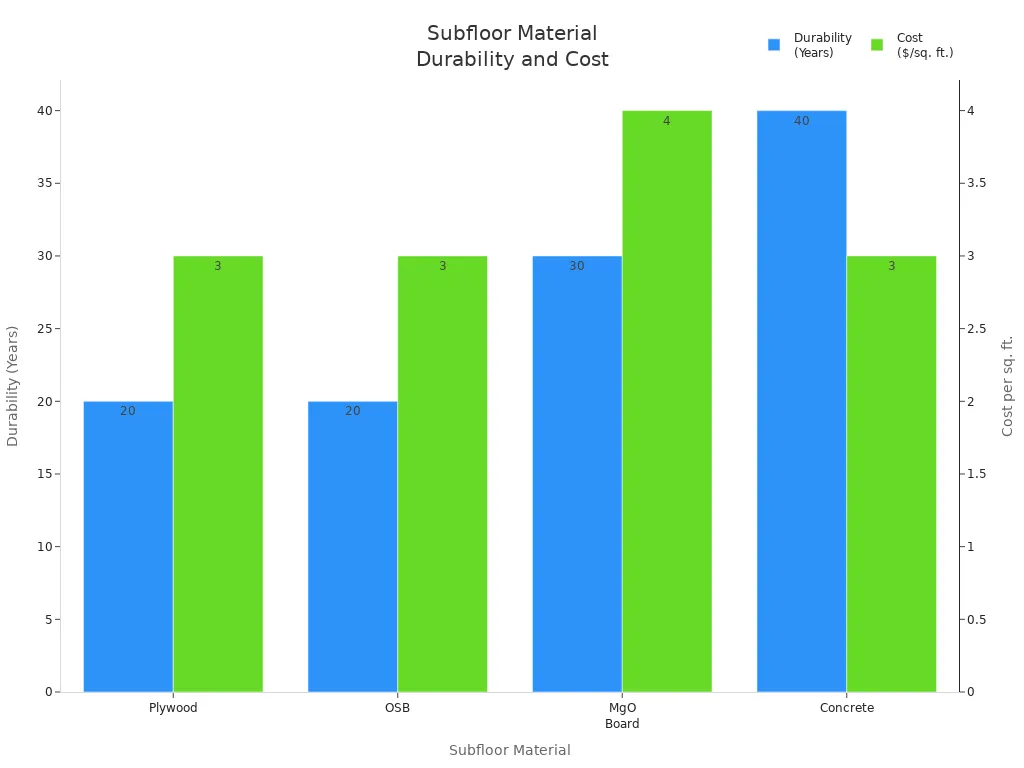
📊 Note: MgO board stands out for high moisture resistance and long life. Concrete lasts the longest but works best in basements or ground floors. Plywood and OSB are good for dry rooms and cost less.
When you follow this checklist and use the table, you can choose the best subfloor material for your needs. You protect your investment and make sure your project stays strong for years.
You want your floor project to work well. Pick a subfloor that fits your room and your plans. In 2025, mgo subfloor panels are popular. They are safe from fire and water. They are also good for the planet. If you look at mgo board subfloor vs engineered wood subfloor, mgo subfloor panels last longer. They also protect your home better. When you pick subfloor plywood, use thicker panels for big spaces and heavy things. Tongue-and-groove plywood helps stop squeaks. If you put in mgo subfloor panels the right way, your floor will be strong. For hard jobs, ask an expert for help. You can also use the decision guide. In 2025, most people pick mgo subfloor panels for their homes.
Tip: When you pick subfloor plywood, check how thick it is and follow the steps to put it in. If you compare mgo board subfloor vs engineered wood subfloor, mgo subfloor panels are safer and last longer.
FAQ
What is the most durable subfloor material?
MgO board and concrete give you the most durability. MgO board resists fire and water. Concrete lasts for decades and handles heavy loads. Both work well in busy or wet areas.
Can I install new flooring over an old subfloor?
Yes, you can install new flooring over an old subfloor if it is flat, clean, and dry. Fix any damage first. Always check for squeaks or soft spots before you start.
How do I know if my subfloor has moisture problems?
Look for signs like musty smells, soft spots, or visible mold. Use a moisture meter for a quick check. If you find high moisture, fix leaks and dry the area before installing new flooring.
Is MgO board safe for homes with kids and pets?
Yes, MgO board is safe. It does not release harmful chemicals. It resists mold and fire. You get a cleaner and safer home for your family and pets.
Do I need a vapor barrier with every subfloor?
You need a vapor barrier in areas with high moisture, like basements or bathrooms. It helps stop water from reaching your subfloor. Always follow the flooring manufacturer’s advice for best results.