
13 Dec Comparing Fire Resistance of MgO Board and OSB for Subflooring
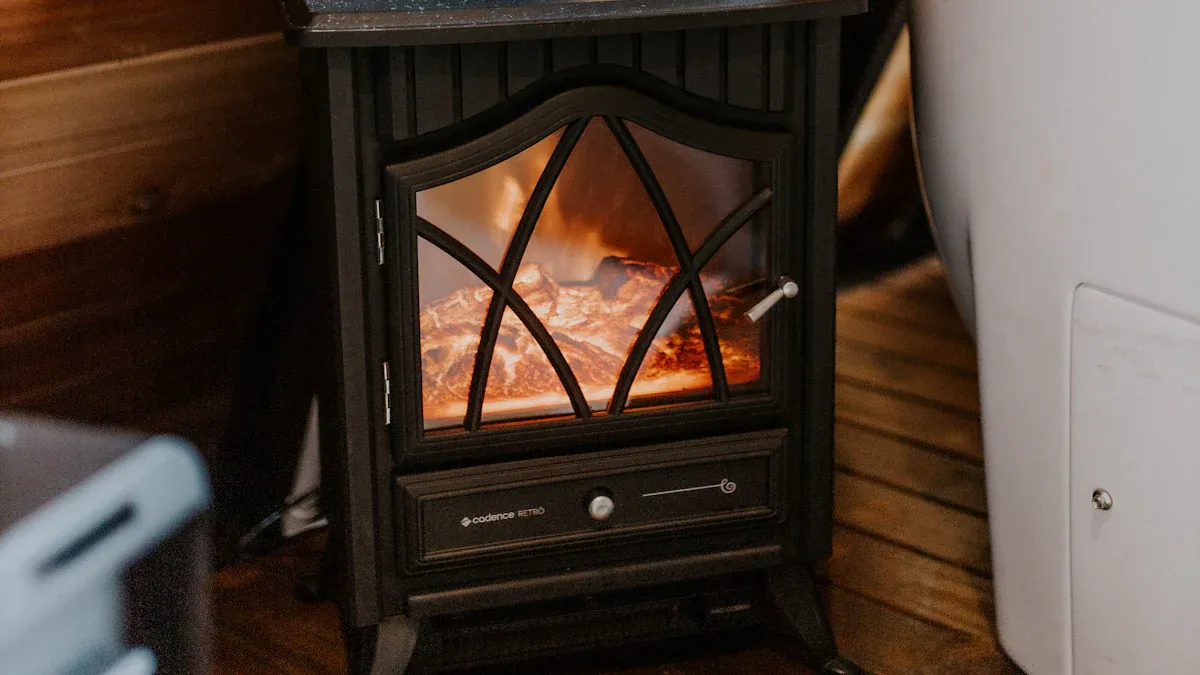
You want your house and family to be safe. When comparing MgO board subfloor vs OSB, MgO board protects better from fire than OSB as a subfloor. Here is how they match up:
Material | Fire Resistance |
|---|---|
MgO Board | Very fire-resistant, does not burn easily (1-2 hours) |
OSB | Not fire-resistant, catches fire quickly in high heat |
Fire resistance is important for building safety. Using fire-resistant materials like MgO board slows fire down. This gives people more time to get out safely. It also helps buildings follow safety rules. It can lower damage after a fire. When picking between MgO board subfloor vs OSB, check your local building rules. Think about what you need for your home.
Key Takeaways
MgO board is better at stopping fire than OSB. This makes MgO board safer for subfloors. MgO board does not burn and can handle high heat. OSB can burn fast if there is a fire. MgO board helps meet tough building rules. It also makes homes, schools, and hospitals safer. OSB costs less money but needs extra fire protection. You should check your local rules and safety needs before you pick MgO board or OSB for your subfloor.
Fire Resistance in Subfloor Materials
High Fire Resistance of MgO Board Subfloors
When you look for high fire resistance in building materials, MgO board stands out. This board is non-combustible, which means it does not catch fire or burn easily. You can trust MgO board to protect your home because it has a 0 Flame Spread and 0 Smoke Developed Index under ASTM E84 testing. This means flames do not move across its surface, and it does not create smoke that can harm you.
MgO board also uses special safety mechanisms. It holds water molecules inside its structure. When exposed to fire, these molecules turn into steam and help cool the surface. This slows down the spread of fire and gives you more time to react. You can see how MgO board performs in the table below:
Mechanism | Description |
|---|---|
Non-Combustibility | MgO is inherently non-combustible, receiving a rating of 0 Flame Spread and 0 Smoke Developed Index under ASTM E84 testing. |
Structural Fire Resistance | Certified to meet 1-hour and 2-hour fire resistance ratings under ASTM E119 / UL 263 protocols when used in approved assemblies. |
Safety Mechanism | Contains chemically bonded water molecules that release steam when heated, helping to cool the surface and slow fire spread. |
You can rely on MgO board to meet strict fire safety standards. It earns a Class A rating and can withstand temperatures up to 1472°F (800°C). These results come from tests like UL 055 and ASTM. MgO board also meets international standards, such as EN 13501-1+A1:2010 and NFPA 285. These tests measure how well a material resists fire and how much smoke it produces.
Tip: If you want the best fire resistance for your subfloor, MgO board is a strong choice. Its non-combustible nature and high fire resistance ratings make it a top pick for safety.
OSB Fire Resistance Compared to MgO Board
OSB, or Oriented Strand Board, is a common choice for subfloors in many homes. However, its fire resistance does not match that of MgO board. OSB is made from wood strands and adhesives, so it is not naturally non-combustible. In a fire, OSB can catch fire quickly and burn, which may cause structural problems.
Some OSB products receive fire-resistant chemical treatments. These treatments help slow the spread of fire, but they do not make OSB as safe as MgO board. You can compare the two materials in the table below:
Material | Fire Resistance Characteristics |
|---|---|
Fire-rated OSB | Treated with fire-resistant chemicals; slows fire spread but less resistant than MgO. |
MgO Board | Naturally fire-resistant; withstands higher temperatures; non-combustible. |
You may find OSB in cost-effective projects, but you often need extra coatings or underlayments to meet strict fire safety rules. In a real fire, the wood parts of OSB can burn away, which may weaken the floor and put you at risk.
OSB may need fire-resistant coatings in areas with strict safety codes.
In a fire, OSB can lose strength, which may affect the safety of your home.
Note: If you want high fire resistance and non-combustible properties, MgO board outperforms OSB. OSB can slow fire with treatments, but it cannot match the natural fire resistance of MgO board.
MgO Board Subfloor vs OSB: Material Overview
 What Is MgO Board?
 What Is MgO Board?
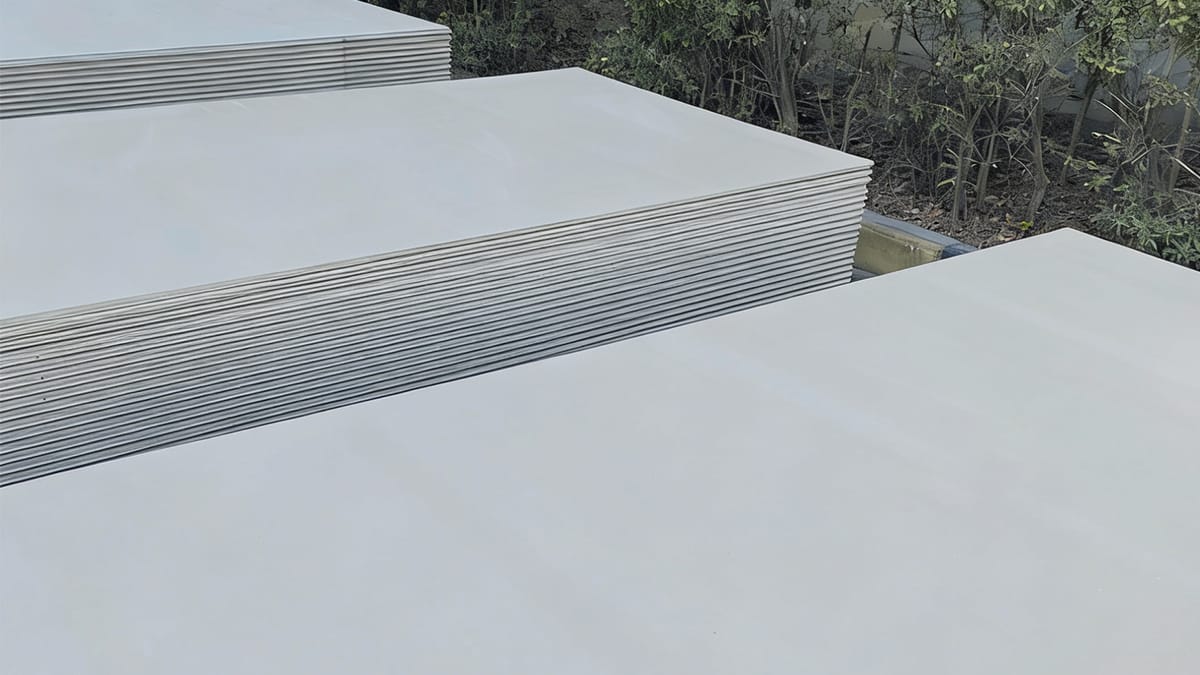
You might wonder why MgO board subfloors are special. MgO board means magnesium oxide board. Many new buildings use this board. It is strong and does not burn easily. The main part is magnesium oxide. Makers add glass mesh, magnesium chloride, and perlite. These parts make the board tough and safe.
Here is a table that shows what each part does:
Component/Process | Role in Fire Resistance |
|---|---|
Magnesium Oxide (MgO) | Main part, helps with fire resistance and strength. |
Glass Mesh | Makes the board stronger, stops cracks and breaks. |
Magnesium Chloride (MgCl2) | Holds everything together, keeps the board stable. |
Perlite | Helps keep heat out and makes the board a better insulator. |
Mixing Process | Puts all the parts together to make a strong board. |
Curing Process | Makes MgO and MgCl2 react, so the board gets stronger and resists fire. |
MgO board subfloor vs OSB is used where safety is important. The curing step makes MgO board good at stopping fire. It also makes the board work better overall. You get a subfloor that can handle heat, water, and heavy things.
Tip: If you want a subfloor that fights fire and lasts long, MgO board subfloors are a great pick.
What Is OSB?
OSB means Oriented Strand Board. You see it in homes and other buildings. OSB is made from wood strands and strong glue. The glue types are phenol-formaldehyde and pMDI. These glues change how OSB works, especially in fires.
Here is a table that shows what the glues do:
Adhesive Type | Characteristics |
|---|---|
Phenol-formaldehyde | This glue does not melt in heat or fire. It helps OSB keep its shape. |
Polymeric Methylene Diphenyl Diisocyanate (pMDI) | Acts like wood in fire, does not melt, but can burn and turn black. |
MgO board subfloor vs OSB have different good points. OSB is strong and easy to use. But it does not stop fire as well as MgO board. The glue helps OSB stay together, but the wood can still burn. When you look at MgO board subfloor vs OSB, MgO board is better for fire safety.
Note: If you want the best fire safety, MgO board subfloor vs OSB shows MgO board is safer.
Fire Ratings and Performance
MgO Board Subfloor Fire Ratings
 MgO Board Subfloor Fire Ratings
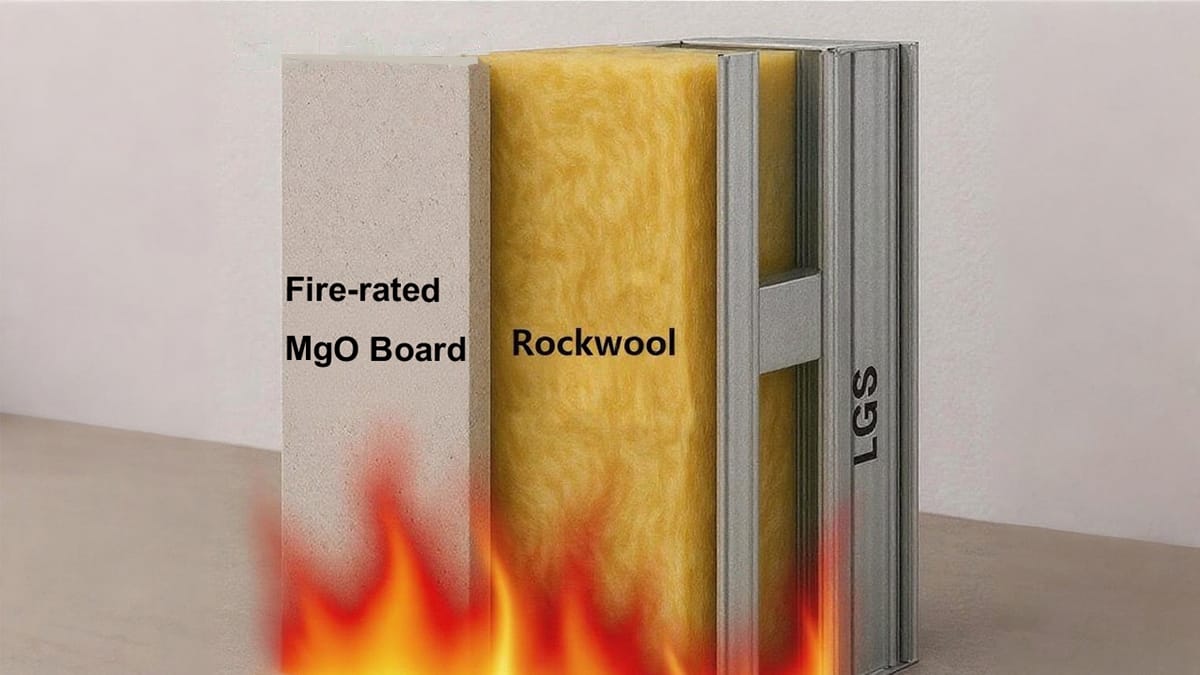
You want your home to be safe in a fire. MgO board is very good at stopping fire. People use this board where fire safety is important. MgO board does not burn because it is non-combustible. This means it will not add fuel to a fire.
MgO board passes tough fire safety rules. It is certified as non-combustible in many countries. DragonBoard MgO panels can last up to 2 hours in fire tests like UL design G575. You can find these boards approved by the International Building Code. MgO board gets the highest fire rating, A1, in Europe. This means it does not burn or make dangerous smoke. You get more time to escape and less risk from bad fumes.
Here are the main fire safety features of MgO board:
MgO boards do not burn or add fuel to fire.
Fire ratings are from 1 to 4 hours, depending on the type.
MgO board stays strong in very high heat.
The board does not make toxic smoke in a fire.
MgO board meets fire safety rules like UL, ASTM, and EN 13501-1+A1:2010.
Feature | MgO Board Performance |
|---|---|
Non-combustible | Yes (A1 rating, does not burn) |
Fire resistance rating | 1-4 hours (UL, ASTM, EN standards) |
Toxic smoke emission | None |
Structural integrity in fire | Maintains strength at high temperatures |
International code compliance | Meets IBC, UL, EN, ASTM standards |
You can trust MgO board to keep your home safer from fire. It helps you follow fire safety rules. If you want a fire-resistant subfloor, MgO board is a smart pick.
✅ Tip: MgO board does not just stop fire. It also stays strong and keeps its shape, even in very hot fires.
OSB Fire Ratings and Limitations
Many homes use OSB, but it does not stop fire as well as MgO board. OSB is not non-combustible. It is made from wood and glue, so it can catch fire fast. You need to add chemicals to make OSB better at stopping fire. These chemicals include sodium bicarbonate, sodium borate, and phosphorus-based chemicals. They slow fire down, but OSB is still not as safe as MgO board.
Here is what you should know about OSB and fire:
OSB subfloors do not resist fire well without chemicals.
Treated OSB can be used in fire-rated floors, but it is not as good as MgO board.
Fire chemicals make a barrier that lets out gases to slow burning.
These chemicals can wear off over time, especially if they get wet.
OSB can get weak and make smoke in a fire, which is dangerous.
Feature | OSB Performance |
|---|---|
Non-combustible | No |
Fire resistance rating | Low (improved with chemical treatment) |
Toxic smoke emission | Possible |
Structural integrity in fire | Weakens quickly |
Chemical treatment needed | Yes (for fire safety standards) |
OSB needs extra steps to meet fire safety rules. You must use fire-resistant coatings or chemicals like boric acid. These can help OSB resist fire and stay strong. But water can wash away the chemicals, so OSB may not stay safe for long.
⚠️ Note: If you want the best fire resistance, pick a non-combustible material like MgO board. OSB can help sometimes, but it cannot match MgO board for fire safety.
Always check your local rules before you choose a subfloor. MgO board gives you better fire resistance and keeps you safer for a long time.
Other Key Factors for Subfloor Choice
Durability and Strength
 Durability and Strength
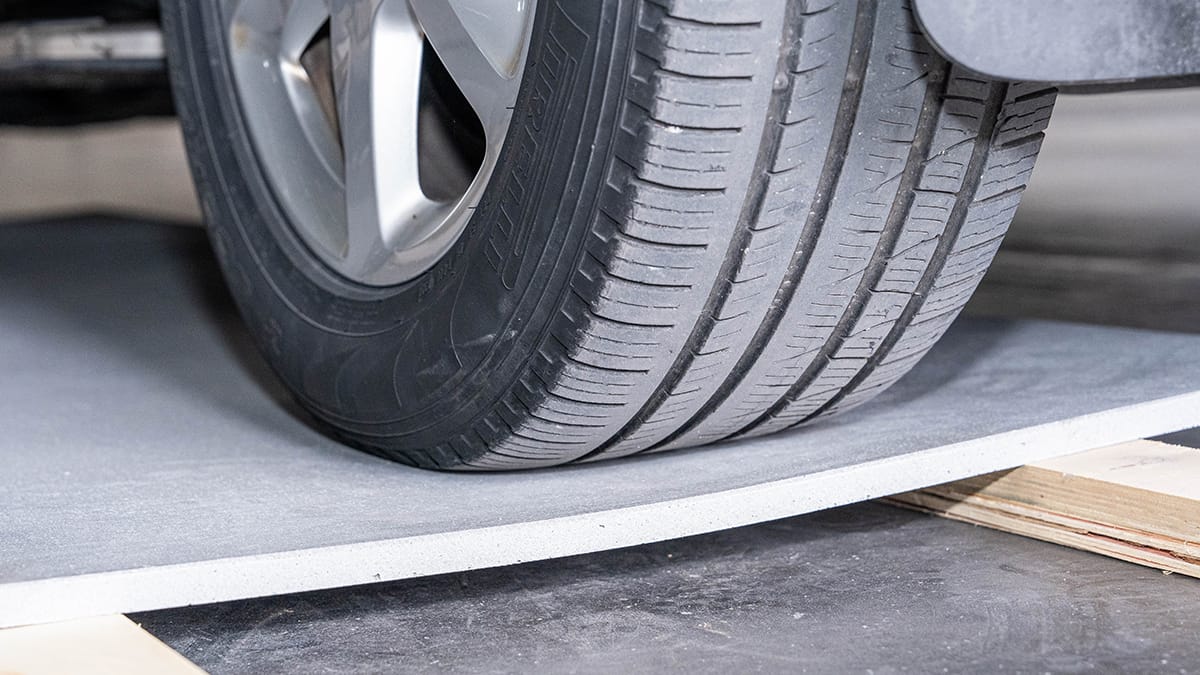
You want your subfloor to last a long time. It should stay strong, even in places where fires can happen. MgO board is very strong. It can handle a lot of weight and pressure. OSB can also hold weight, but MgO board is better at stopping damage from hits. MgO board also has great shear strength. Look at the table to see how they compare:
Property | MgO Board (MPa) | OSB (MPa) |
|---|---|---|
Compressive Strength | 12 to 25 | 10.3 to 17.2 |
Flexural Strength | 14 to 22 | N/A |
Shear Strength | Excellent | N/A |
Impact Resistance | High | N/A |
MgO board keeps its strength after a fire. OSB can get weak if it gets wet or is in a fire.
Moisture Resistance
It is important for your subfloor to keep water out. This helps keep your home safe and follow fire safety rules. MgO boards are very good at stopping water. They do not swell or grow mold. OSB can soak up water and get bigger, even with special coatings. This makes OSB weaker in wet places. In bathrooms or basements, MgO boards keep their shape. OSB can get weak if it gets wet and dries many times.
MgO boards do not get moldy. They resist fire and water damage. You can use them in basements or other wet places.
OSB costs less but does not stop water as well. If OSB gets wet for a long time, it can swell and get weak.
You need a subfloor that keeps water out for fire safety. MgO board is better at stopping water and fire.
Cost Comparison
You want to know how much each subfloor costs. OSB costs between $1.56 and $2.41 for each square foot. MgO board costs between $1.50 and $2.50 for each square foot. The prices are close. But you should think about how MgO board stops fire and water.
Material Type | Average Cost per Square Foot |
|---|---|
OSB Subfloor | $1.56–$2.41 |
MgO Board | $1.50–$2.50 |
Installation and Workability
You want a subfloor that is easy to put in. MgO boards are light and easy to cut with normal tools. You can use many types of fasteners. It does not take long to handle them. OSB is also light, but you need to be careful when you move it. OSB uses regular fasteners.
Feature | MgO Boards | OSB |
|---|---|---|
Weight | Lighter (12–13 kg per board) | Lightweight but less durable |
Cutting | Easy to cut with conventional tools | Moderate ease of cutting |
Fastening | Compatible with various fasteners | Standard fastening methods |
Handling | Reduced handling time | Requires more care in handling |
You might need a skilled worker to install MgO board. This can make it cost more to put in. OSB is cheaper to install, but you may need to add fire coatings for safety.
Environmental Impact
You want to help the planet and keep your home safe. MgO boards are made from natural minerals. They do not use many chemicals. They do not let out bad gases. OSB is made from wood and needs chemicals to stop fire and water. MgO boards are better for the earth and can be recycled. OSB can sometimes be recycled, but often ends up as trash.
Feature | MgO Boards | OSB |
|---|---|---|
Eco-Friendly Composition | Made from natural minerals | Made from wood; needs deforestation |
Use of Non-Toxic Materials | Non-toxic, no harmful emissions | Can off-gas chemicals |
Low Carbon Footprint | Lower | Higher |
Recyclability | Fully recyclable | Sometimes recyclable |
Circular Construction Contribution | Supports reuse | Can contribute if untreated |
MgO boards make less waste and use less energy. OSB makes more waste and uses more energy to make. If you pick MgO board for your subfloor, you help the earth and make your home safer from fire.
Choosing Between MgO Board Subfloors and OSB
When to Use MgO Board Subfloors
 When to Use MgO Board Subfloors
Pick MgO board subfloors if fire safety matters most. MgO board protects well from fire and heat. It does not burn or make toxic fumes. It stays strong in high heat. You can use MgO board in schools, hospitals, and homes with strict safety rules. The table below shows why MgO board is good for fire safety:
Fire Resistance Properties | Benefits of MgO Boards |
|---|---|
Non-combustible | Stops fire from spreading, keeps people safer |
High fire resistance rating | Gives more protection during a fire |
Does not release toxic fumes | Makes air safer in a fire |
Resistant to high temperatures | Stays strong even when it gets very hot |
Fire retardant | Slows fire down, gives more time to escape |
No warping or degradation in heat | Keeps floor steady in high heat |
Meets fire safety standards | Helps follow building rules |
Durable under fire exposure | Makes buildings safer for a long time |
Tip: MgO board also keeps out water and stands up to lots of walking, so it works well in basements, kitchens, and busy places.
When to Use OSB Subfloors
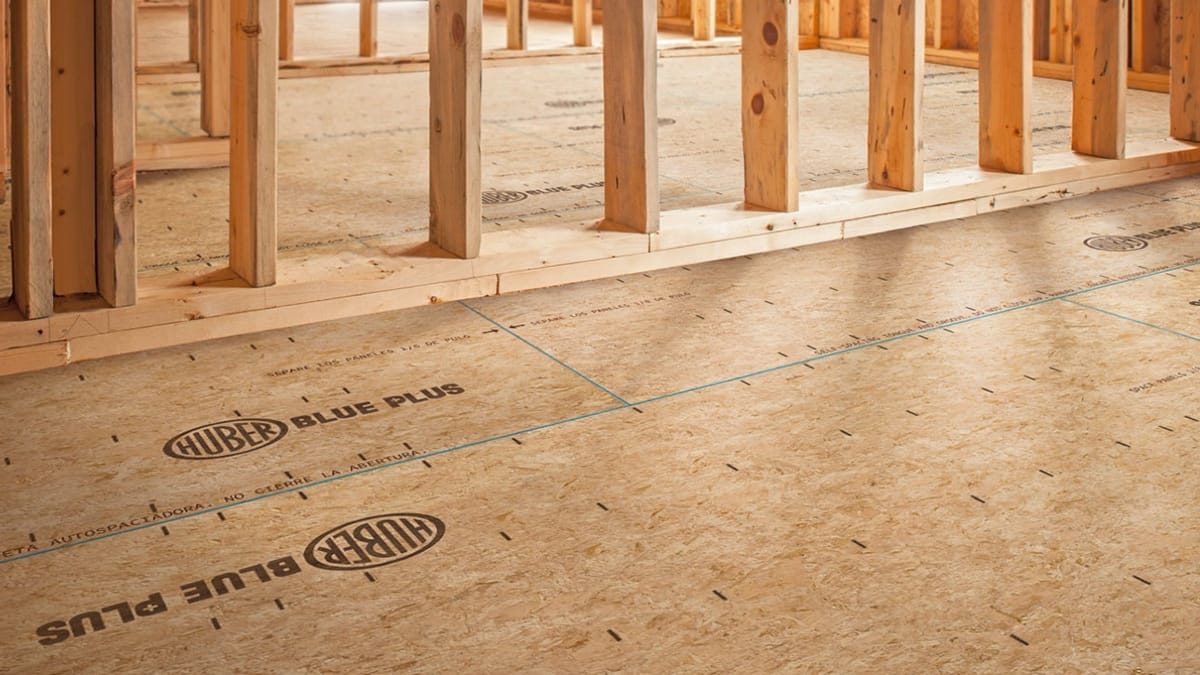
Choose OSB subfloors if you want to save money or need something flexible. OSB works in many buildings. You can use it for floors, walls, and roofs. OSB is strong and holds heavy things. It fits homes, apartments, and attics. If you use OSB in wet places, add a coating and seal the edges to keep water out.
OSB is used for floors in homes and businesses.
It works as wall sheathing and gives support.
OSB is strong enough for roofs.
OSB is tough and works in many ways.
You can use OSB for floors, walls, roofs, and furniture.
Practical Recommendations
Think about fire safety, water, price, and how easy it is to install before you pick. MgO board protects better from fire and water. OSB costs less and works for many jobs. If you use OSB, seal the edges and add coatings in wet spots. MgO board is light and easy to put in, especially for fixing old floors.
Always check your local building codes because they may have special rules for MagPanel.
Talk to a building expert before you choose. Local rules may say you need certain materials for safety. Pick the subfloor that fits your needs and keeps your home safe.
MgO board keeps fire away better than OSB. OSB can burn fast, but MgO board does not burn. Look at the table to see how they are different:
Subfloor Material | Fire Resistance | Durability (Years) | Cost (per sq. ft.) |
|---|---|---|---|
OSB | Low (Burns Easily) | 20-25 | $3 – $10 |
MgO Board | Very High (Does Not Burn) | 30+ | $4 – $12 |
You need to check your local building codes before you pick.
Codes tell you what thickness and materials are safe.
Building experts help you follow the rules and avoid mistakes.
If you ignore codes, your floor could get damaged.
Pick the subfloor that matches your safety needs and your budget.
FAQ
What makes magnesium oxide board better for fire resistance than oriented strand board?
Magnesium oxide board does not burn in a fire. Oriented strand board is made from wood, so it burns faster. Magnesium oxide board helps keep your home safer from fire.
Can you use mgo subfloors in wet areas?
You can put mgo subfloors in bathrooms and basements. Magnesium oxide board does not get damaged by water or mold. Oriented strand board gets bigger and weaker when it gets wet. Mgo stays strong and keeps working in damp places.
Does osb offer any fireproofing capabilities?
Osb can slow down fire if you add special chemicals. But it is not as safe as magnesium oxide board. You need to put extra coatings on osb for better fire safety. Mgo is naturally fire-resistant and stays strong in a fire.
How do mgo and osb compare for installation?
You can cut and install mgo boards with normal tools. Oriented strand board is also easy to put in. Mgo is lighter and does not break easily when you move it. Osb needs to be sealed well to keep out water and fire.
Which subfloor lasts longer, mgo or osb?
Mgo subfloors last longer than osb. Magnesium oxide board stands up to fire, water, and heavy use. Oriented strand board wears out faster, especially if it gets wet or hot. Mgo keeps its strength and works well for many years.