
16 Dec Comparing Fire Resistance and Environmental Impact of MgO Board and Fiberboard Subfloors
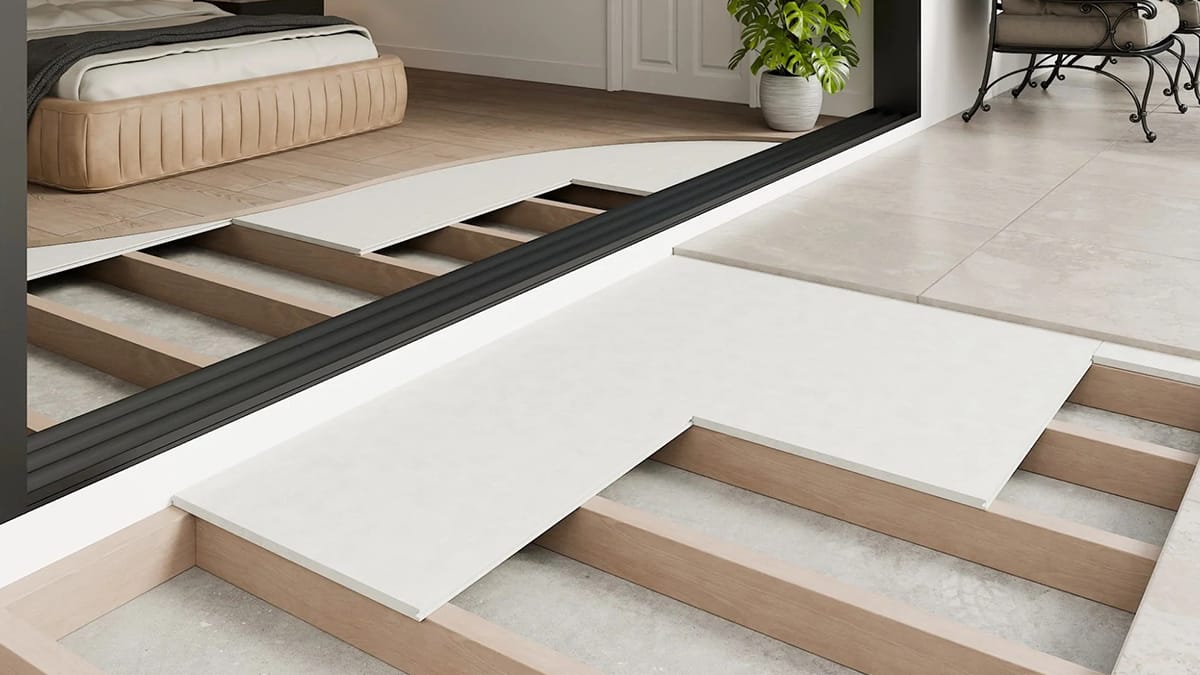
You want your home to be safe. You care about fire safety and the environment. When you look at mgo board subfloor vs fiberboard subfloor, one option stands out as superior. MgO board subfloors can handle heat up to 1200°C, providing you with more time to escape in the event of a fire. This fire safety feature is crucial for keeping your family protected. Additionally, you contribute to fire safety by selecting materials that resist moisture and mold. The table below highlights important factors regarding fire safety and environmental impact:
Factor | MgO Subfloor Benefits |
|---|---|
Fire Resistance | Handles up to 1200°C, giving you more time to get out |
Moisture Resistance | Prevents mold and maintains the strength of the floor |
Environmental Impact | Composed of natural minerals, recyclable, and produces less greenhouse gas |
Key Takeaways
MgO board subfloors are very good at stopping fire. They can handle heat up to 1200°C. This gives you more time to get out if there is a fire.
Picking MgO board helps keep the air inside clean. It does not let out bad fumes or smoke. Fiberboard can make the air dirty.
MgO board is good for the planet. It is made from natural minerals. You can recycle it. It does not add to landfill trash.
Fiberboard can burn fast. It may let out bad chemicals. This can make your home less safe. It can also make fires worse.
MgO board costs more at first. But it lasts longer and needs less fixing. This saves you money over time.
Fire Resistance: MgO Board Subfloor vs Fiberboard Subfloor
MgO Board Fire Performance
You want your home to stay safe during a fire. MgO board gives you strong protection. This material does not burn. It can handle very high temperatures, even above 1000°C. In many tests, MgO board keeps its strength and does not break down. You can trust it to stay in place when you need it most.
MgO board subfloor panels have fire resistance ratings of 1- and 2-hours. These ratings follow UL Classified standards. Some thicker panels can protect for up to 4 hours. MgO board meets strict fire safety standards like ASTM E119. It does not give off toxic smoke or fumes during a fire. This means you and your family can breathe easier if a fire starts.
Tip: MgO board stays strong even if it loses some weight during a fire. It remains non-combustible and does not add fuel to the flames.
Here is how MgO board compares to other materials in fire tests:
Material | Fire Rating (ASTM E84) | Non-Combustibility | Performance in Extreme Conditions |
|---|---|---|---|
MgO Board | Class A | Yes | Superior |
Fiber Cement Board | Good | Yes | Moderate |
Fiberboard Fire Performance
Fiberboard does not give you the same level of fire resistance. This material can catch fire more easily. It does not handle high heat well. Fiberboard may burn, break down, and lose its strength quickly in a fire. It often needs extra treatments to improve its fire safety. Even with these treatments, fiberboard cannot match the performance of MgO board.
Fiberboard can also give off smoke and harmful gases when it burns. This can make it harder for you to escape safely. Buildings with fiberboard subfloors may face higher fire risks.
Direct Comparison
When you compare mgo board subfloor vs fiberboard subfloor, you see clear differences in fire safety. MgO board is fireproof and non-combustible. It outperforms fiberboard in every fire test. You get more time to escape and less risk of toxic smoke. MgO board keeps its structure, even after long exposure to heat.
Fiberboard, on the other hand, is less fire-resistant. It can add to the fire hazard in your building. You may need to spend more money on extra fireproofing if you choose fiberboard.
MgO board subfloor vs fiberboard subfloor: MgO board gives you better fire resistance and safety.
MgO board does not burn, does not emit toxic fumes, and stays strong in extreme heat.
Fiberboard burns faster, weakens quickly, and can make fires more dangerous.
Note: Choosing MgO board for your subfloor improves fire safety for your whole building. You lower the risk and protect everyone inside.
Environmental Impact: MgO Board Subfloor vs Fiberboard Subfloor
 MgO Board Environmental Benefits
 MgO Board Environmental Benefits
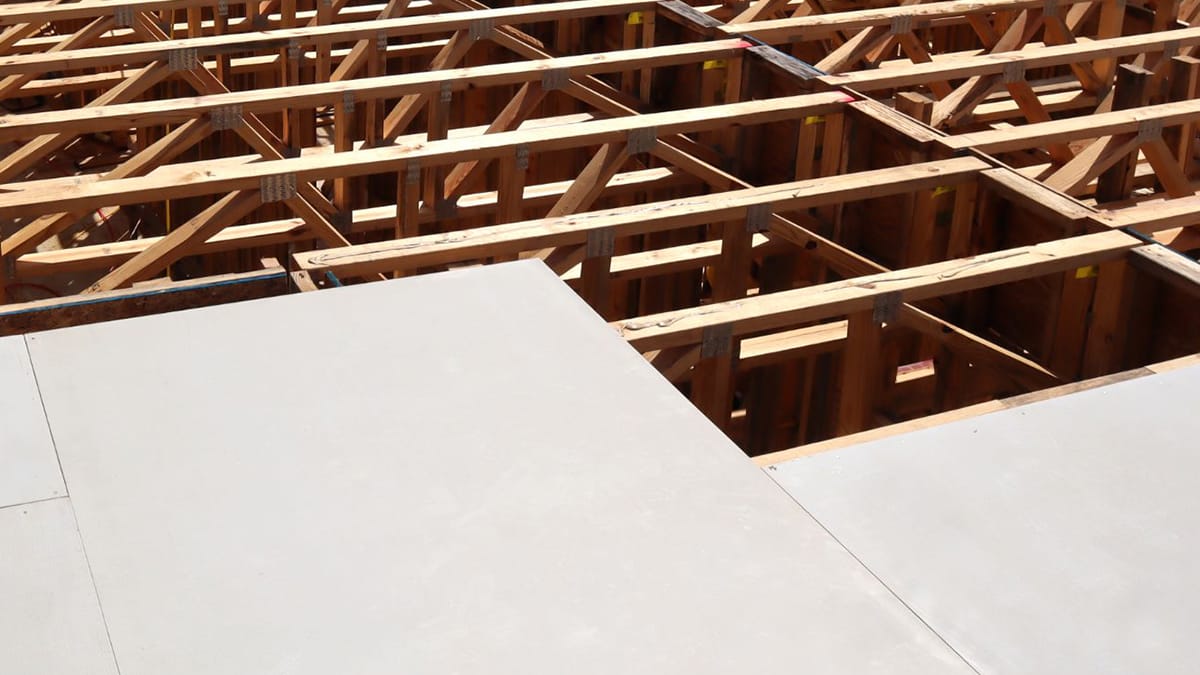
MgO board is a smart choice for the earth. It uses natural minerals, not trees or harsh chemicals. This helps stop deforestation and keeps pollution low. You help nature when you pick MgO board.
You can recycle MgO board after you use it. Some companies reuse old boards for insulation or gardens. Some brands let you grind up the board and mix it with soil. This helps plants grow better. MgO board breaks down safely, so it does not pollute landfills.
You can use them again for insulation or gardens.
Some types can be ground up and mixed with soil.
They do not pollute landfills.
MgO board resists moisture, which is good for the planet. Its mineral design keeps water out. The board does not swell or warp. You can use it in bathrooms, kitchens, or basements. It lasts a long time, so you do not need to replace it often. This saves resources and cuts down on waste.
Fiberboard Environmental Concerns
Fiberboard uses wood fibers, so it seems green. But making fiberboard causes problems for the environment. Factories use lots of water and energy. They also release greenhouse gases and other pollution.
Main Hotspot Stage | Key Findings | |
|---|---|---|
Global warming | Fiber preparation | Big emissions during this stage |
Acidification | Fiber preparation | Major impact on the environment |
Eutrophication | Fiber preparation | High use of resources |
Water use | Fiber preparation | Uses a lot of water |
Fossil fuels | Lamination | UF resin makes more emissions |
Human toxicity | Lamination | UF resin can hurt people |
Cumulative energy demand | Fiber preparation | Needs more energy than other stages |
Renewable biomass | Fiber preparation | Resource use affects renewable materials |
Non-renewable fossil | Lamination | High because of electricity use |
You should think about air quality inside your home. Fiberboard uses glues and resins that can release formaldehyde. These chemicals can make the air unhealthy. They may cause health problems. Experts say to pick materials with low emissions to keep your family safe.
Glues and resins in fiberboard can release formaldehyde and VOCs.
These chemicals can make indoor air worse and harm health.
Experts say to use products with the lowest VOCs.
Fiberboard does not resist moisture well. If it gets wet, it can swell, warp, or rot. You may need to replace it sooner. This creates more waste and uses more resources. Extra treatments for moisture resistance can add more chemicals to the environment.
Direct Impact Comparison
MgO board and fiberboard are very different for the planet. MgO board is greener because it uses minerals, lasts longer, and recycles easily. You help nature by picking a product that does not pollute landfills or release bad chemicals.
Fiberboard uses more energy and water to make. It needs synthetic resins that can hurt the earth and your air. You may have more waste and pollution with fiberboard, especially in wet places.
Here are the main reasons MgO board is better for the environment:
It resists moisture, so you do not replace it often.
It does not have chemicals that lower air quality.
You can recycle it and make less landfill waste.
You save energy and water by choosing MgO board.
Tip: If you want a subfloor that helps your family and the planet, MgO board is the best choice for eco-friendliness and long-term impact.
Practical Considerations for Subfloor Choice
Safety and Health
 Safety and Health
You want your house to be safe for everyone. When you look at mgo board subfloor vs fiberboard subfloor, you notice big health and safety differences. MgO board does not have harmful chemicals. It helps people with allergies and asthma breathe better. You do not need to worry about mold or mildew because MgO board stops them from growing. This keeps your air clean and free from things that can bother you. Fiberboard can let out VOCs like formaldehyde. These can cause breathing problems and other health issues. Picking materials with low VOCs keeps your family safer and follows safety rules.
Description | |
|---|---|
Non-toxic nature | MgO boards do not contain harmful chemicals, making them suitable for allergy sufferers. |
Resistance to mold and mildew | Their natural resistance ensures excellent indoor air quality. |
Reduction of asthmatic symptoms | Helps in reducing respiratory issues, promoting better respiratory health. |
Irritation-free indoor air | Absence of airborne irritants leads to a more comfortable living environment. |
Hypoallergenic properties | Improves living conditions by minimizing allergens in the environment. |
Tip: You can lower the chance of toxic gases in your home by choosing non-toxic subfloor materials. This helps everyone in your house stay healthy and safe.
Sustainability Factors
You help the earth when you pick the right subfloor. MgO board is good for the planet because it uses natural minerals. It does not hurt forests. You can recycle MgO board, so less trash goes to landfills. MgO board also keeps out water, so you do not have to replace it often. This saves resources and helps the environment. Many MgO board products have certifications like CE, ISO, LEED, and FloorScore. These show the product is safe, healthy, and good for green building.
Certification | Details |
|---|---|
CE | Indicates safety and compliance with health regulations. |
ISO | Ensures consistent quality in manufacturing. |
INTERTEK | Confirms safety and performance standards. |
ASTM E84 | Fire safety certification. |
UL 723 | Flame spread rating. |
FloorScore | Certifies clean air quality. |
LEED | Recognizes green building practices. |
Note: Fiberboard uses more energy and water to make. It often needs chemicals to stop mold, which can hurt the earth and your health.
Cost and Installation
You want a subfloor that is not too expensive and lasts a long time. MgO board costs more at first, about $8 to $20 for each square meter. Fiberboard is cheaper, about $6 to $15 for each square meter. But MgO board is stronger and lasts longer. It does not burn, get moldy, or get ruined by pests, so you do not have to fix or replace it as much. You also save time and money because MgO board does not need much care. Builders and architects like MgO board because it is safe from fire and lasts a long time. You can feel good knowing your floor will stay strong for many years.
Subfloor Type | Average Cost per m² |
|---|---|
MgO Board | $8–$20 |
Fiberboard | $6–$15 |
Callout: You might pay more for MgO board at first, but you save money later because it is strong, safe from fire, and stops mold.
When you look at mgo board subfloor vs fiberboard subfloor, you notice big differences. MgO board subfloors are much better at stopping fires. They do not let out dangerous smoke. This helps keep the air in your house clean. MgO boards use safe minerals and block water, which is good for the earth. Safety experts say these things are important, as shown below:
Feature | Description |
|---|---|
Inherent fire resistance | MgO panels can take high heat and do not burn. |
Safe indoor air | No harmful fumes come out during fires. |
Eco-friendly | Made from minerals, so they do not hurt nature. |
Picking MgO board subfloor is smart and helps the planet.
FAQ
What makes MgO board more fire-resistant than fiberboard?
MgO board uses minerals that do not burn. You get a subfloor that stays strong in high heat. Fiberboard uses wood fibers, which catch fire faster and lose strength quickly.
Can you recycle MgO board after use?
Yes, you can recycle MgO board. Many companies reuse it for insulation or garden soil. This helps you reduce landfill waste and support a cleaner environment.
Does MgO board improve indoor air quality?
You get better air quality with MgO board. It does not release harmful chemicals or VOCs. Fiberboard can emit formaldehyde, which may cause breathing problems.
Is MgO board harder to install than fiberboard?
You can install MgO board with standard tools. It weighs more than fiberboard, so you may need help lifting large panels. Most builders find the process simple and straightforward.