
18 Dec MgO Board Subfloor vs Gypsum Subfloor Which Is More Durable
You want a subfloor that lasts a long time. When you compare mgo board subfloor and gypsum subfloor, mgo board is stronger. It is safer and resists damage better. Many builders pick mgo board subfloor for busy places and wet rooms. The table below shows mgo board is better than gypsum in important ways. Magnesium oxide board does not burn. It stays strong when wet. It does not get damaged as easily as gypsum. Mgo board subfloor vs gypsum subfloor is an easy choice for strength.
Feature | Gypsum Wallboard | MgO Board |
|---|---|---|
Strength & Durability | Not as strong as mgo board | Strong; takes hard hits |
Fire Ratings | Stops fire but can burn | Does not burn (A1 rating) |
Moisture Resistance | Not good unless treated | Very good with water |
Key Takeaways
MgO board is stronger than gypsum board. It lasts longer too. This makes it good for busy places.
Pick MgO board for wet places like bathrooms. It works well in kitchens too. It does not get damaged by water. It stops mold from growing.
MgO board is safer in fires. It does not burn. It keeps fire from spreading.
MgO board costs more at first. But you spend less money later. It needs less fixing and lasts longer.
Think about what your project needs. Check if the place is wet or busy. This helps you pick the best subfloor.
mgo board subfloor vs gypsum subfloor: Moisture Resistance
mgo board: Water Protection
You want your subfloor to stay strong when exposed to water. mgo board gives you excellent water resistance. This material does not absorb much moisture, so it keeps its shape and strength. In laboratory tests, mgo board shows a moisture absorption rate of only 0.34%. You can see how mgo board compares to gypsum board in the table below:
Property / Material | Magnesium Oxide (mgo) Board | Gypsum Board |
|---|---|---|
Moisture Absorption | 0.34% | Higher |
Mold Growth | 0/0/0 (no mold growth) | Mold prone |
mgo board resists mold and mildew. You do not have to worry about fungal growth, even in damp areas. mgo board works well in bathrooms, kitchens, and basements. You can use mgo board in places where water spills or leaks might happen. mgo board stays strong and does not swell or warp. You get peace of mind with mgo board because it keeps your floor safe and dry.
You should know that mgo board is hygroscopic. This means mgo board can draw in moisture from the air. If you use mgo board in very wet places for a long time, you might see some problems like efflorescence or swelling. Most homes and buildings do not have these issues because mgo board has high moisture resistance.
Gypsum Subfloor: Moisture Issues
Gypsum board does not protect your subfloor from water as well as mgo board. Gypsum board absorbs more moisture, with a surface moisture absorption rate close to 3%. When you use gypsum board in wet areas, you risk swelling, warping, and even disintegration. You might see mold growing on gypsum board if it gets wet often. This can damage your floor and cause health problems.
Gypsum board has proven dimensional stability under normal dry conditions. If you keep gypsum board dry, it works fine. In places with high humidity or water exposure, gypsum board fails more often than mgo board. You need to think about moisture resistance when you choose your subfloor. mgo board gives you better protection and lasts longer in wet environments.
Fire Resistance Comparison
 mgo board: Fire Safety
 mgo board: Fire Safety
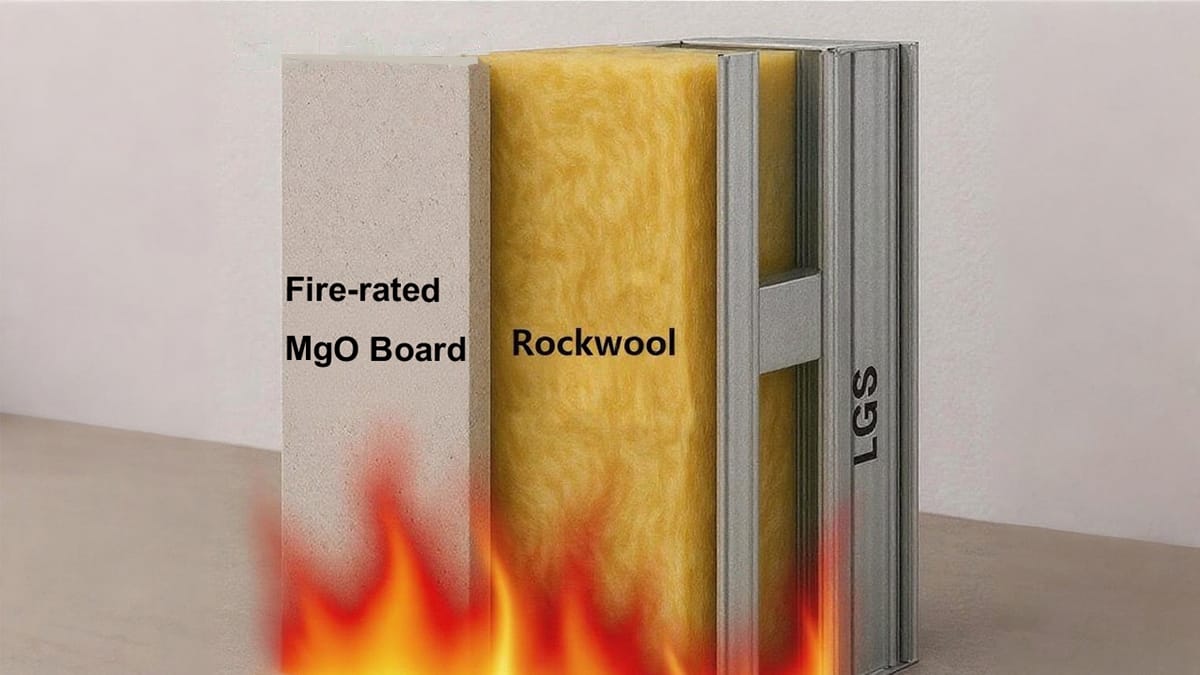
You want your subfloor to protect your home from fire. mgo board gives you top fire safety. This material does not burn. mgo board has an A1 non-combustible rating in Europe. You can trust mgo board to stop flames from spreading. In the ASTM E84 test, mgo board often gets a zero rating, which means no flame spread. mgo board helps walls and floors stand up to fire for one to two hours or more in the ASTM E119 test. You get strong fire resistance with mgo board in your subfloor.
Tip: mgo board keeps its strength even when exposed to high heat. You do not have to worry about it breaking down during a fire.
You can see how mgo board compares to gypsum board in real-world fire incidents. mgo board stays strong and does not add fuel to a fire. You get peace of mind with mgo board because it gives you the best fire safety for your home or building.
mgo board does not burn or melt.
mgo board stops flames from moving to other rooms.
mgo board keeps your subfloor safe for a long time during a fire.
Gypsum Subfloor: Fire Performance
Gypsum board also gives you some fire resistance. This material can slow down fire, but it does not match the fire safety of mgo board. Gypsum board needs extra treatments to reach high fire ratings. If you use gypsum board as a subfloor, you may not get the same level of protection as mgo board.
Here is a table that shows the fire resistance and durability of both materials:
Material | Fire Resistance | Durability and Longevity |
|---|---|---|
mgo board | Highly fire-resistant, rated as noncombustible (1-2 hours) | Extremely durable, resistant to insects, mold, and mildew |
gypsum board | Fire-resistant but needs treatments for high ratings | Less durable, especially in wet or high-impact areas |
You should know that gypsum board can help slow fire, but it may break down faster than mgo board. If you want the best fire safety, mgo board gives you stronger fire performance and longer-lasting protection.
Impact Strength and Durability
mgo board: High-Traffic Performance
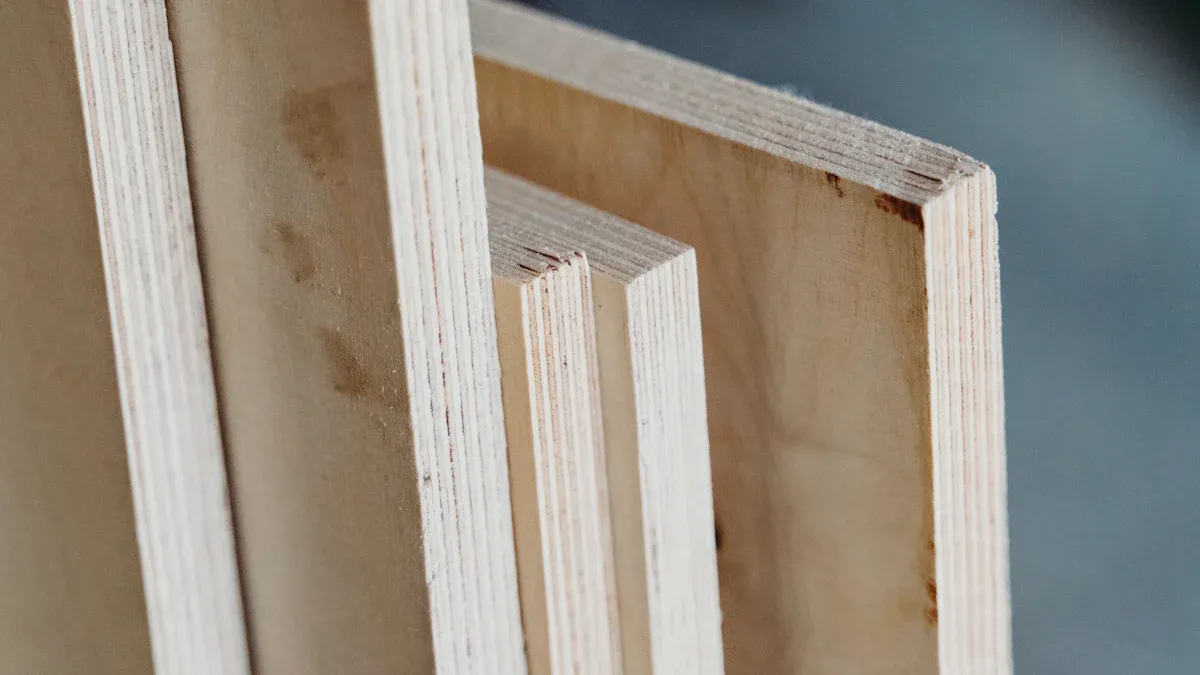
You want your subfloor to last in busy places. mgo board is very strong and can take hard hits. It keeps its shape and does not break, even after many years. You can put mgo board right on joists. This makes it easy to install and keeps the floor strong.
mgo board is great for hallways, kitchens, and stores. You do not have to worry about cracks or weak spots. Even after ten years, mgo board stays tough and does not get weak, even if it gets wet and dries many times. Your floor will stay safe and solid for a long time.
mgo board does not change shape after getting wet.
mgo board can last 25 to 50 years with little care.
mgo board does not crack or get soft, even in busy places.
mgo board is stronger and tougher than gypsum board.
You can count on mgo board to stay strong. It is a smart choice if you need a tough floor.
Gypsum Subfloor: Structural Weakness
Gypsum board is not as strong as mgo board. If you use gypsum board in busy places, you might see problems. Gypsum board can crack and get soft, especially if it gets wet or stepped on a lot. These problems can make your floor come apart and cost a lot to fix.
Gypsum board needs a strong base to work well. This makes it harder to put in and does not mean it will last long. After getting wet and drying 25 times, gypsum board can lose half its strength. In busy places, you might see damage much faster than with mgo board.
Gypsum board can lose 36 to 52% of its strength after getting wet and drying many times.
Gypsum board often cracks and gets soft in busy areas.
Gypsum board usually lasts 10 to 15 years, which is less than mgo board.
Too much weight or changes in use can make gypsum board floors bend or break.
If you want a floor that lasts and keeps you safe, mgo board is better than gypsum board. mgo board gives you a stronger floor, lasts longer, and needs less fixing.
Mold and Mildew Resistance
mgo board: Mold Protection
You want your subfloor to stay clean and safe. mgo board gives you strong protection against mold and mildew. This material does not let mold grow easily. You can use mgo board in places with high humidity, like bathrooms and basements. The surface of mgo board stays dry because it does not absorb much water. You get a moisture absorption rate of only 0.34% with mgo board. This low rate helps stop mold from forming.
You can see the difference in the table below:
Material | Moisture Absorption Rate | Mold Resistance |
|---|---|---|
Gypsum Board | Up to 3% | Low |
MgO Board | 0.34% | High |
mgo board works well in wet climates. You do not have to worry about mold or mildew. The high mold resistance of mgo board means you get a healthier home. You can trust mgo board to keep your floors safe for many years. If you want mold and mildew resistance, mgo board is the best choice.
mgo board does not let mold grow.
mgo board keeps its strength in damp places.
mgo board helps you avoid health problems from mold.
Gypsum Subfloor: Mold Risks
Gypsum board does not protect you from mold as well as mgo board. You see more mold problems with gypsum board, especially in humid rooms. The moisture absorption rate for gypsum board can reach up to 3%. This high rate means water can get inside and stay there. Mold grows fast when gypsum board gets wet.
You need to check your floors often if you use gypsum board. Mold can damage your subfloor and make your home less safe. You may need to replace gypsum board more often because of mold. You also risk breathing problems if mold grows on gypsum board.
Gypsum board absorbs more water than mgo board.
Gypsum board lets mold grow in wet places.
Gypsum board needs more care and cleaning.
If you want a subfloor that stays strong and clean, mgo board gives you better protection than gypsum board.
Longevity and Maintenance
mgo board: Long-Term Value
 mgo board: Long-Term Value
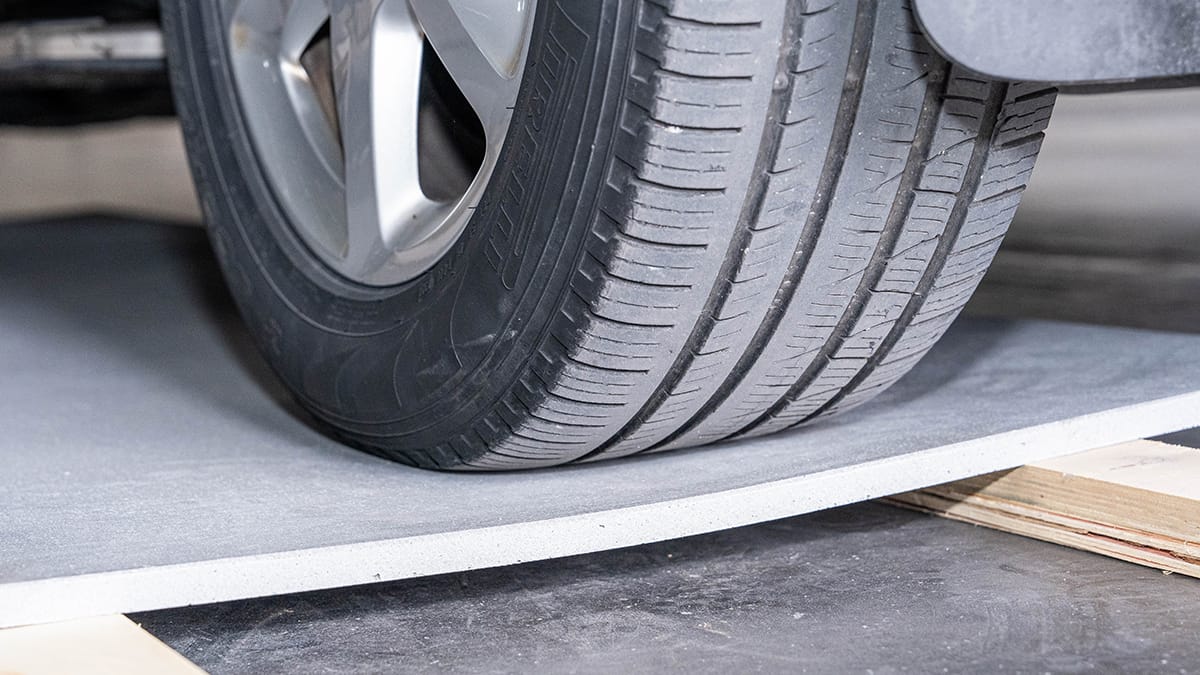
You want your subfloor to last for many years with little effort. mgo board gives you strong long-term performance and long-term durability. You can expect mgo board to keep its strength and shape for 20 to 30 years. This material stands up to fire, water, mold, and pests. You do not need to spend much on repairs or replacements. Most people choose mgo board because it offers great longevity in harsh environments.
mgo board does not need much care. You can clean it easily, and it does not break down quickly. In most homes and buildings, mgo board keeps its performance high for decades. You save money over time because you do not have to fix or replace your subfloor often.
Note: If you install mgo board before your building is closed, it can absorb too much moisture. This can cause salts to move to the surface and lead to weeping. You should always protect mgo board from rain and wet air during construction.
Here is a table that shows how mgo board compares to gypsum board for maintenance and lifespan:
Material | Maintenance Cost | Total Lifespan |
|---|---|---|
mgo board | Low | 20-30 years |
gypsum board | Moderate | 10-15 years |
Gypsum Subfloor: Lifespan
You may think gypsum board is a good choice, but it does not last as long as mgo board. The lifespan of gypsum board is usually 10 to 15 years. You will need to repair or replace it more often, especially if your space has water or heavy use. Gypsum board does not have the same longevity in harsh environments as mgo board.
You will face more maintenance with gypsum board. Water can damage it, and mold can grow quickly. You may see cracks or soft spots after a few years. These problems lower the long-term performance of your floor. You will spend more money and time keeping gypsum board in good shape.
If you want a subfloor with high longevity and low maintenance, mgo board gives you better value and performance over time.
Cost vs Durability
Initial Costs
You might notice a big difference in price when you compare mgo board and gypsum board. The cost for mgo board ranges from $16.14 to $26.91 per square meter. Gypsum board costs much less, from $5.38 to $10.76 per square meter. This means you spend more at first if you pick mgo board for your subfloor.
Board Type | Cost per Square Meter |
|---|---|
MgO Board | $16.14 – $26.91 |
Gypsum Board | $5.38 – $10.76 |
Gypsum board looks like a better deal if you only think about the upfront price. Many people choose gypsum board for projects with a tight budget. You can save money at the start, but you need to look at the bigger picture.
Maintenance and Value
You want your subfloor to last and not cost a lot to keep up. Mgo board gives you better durability, so you spend less on repairs. Gypsum board needs more care, especially in places with water or heavy use. Over time, you may pay more to fix or replace gypsum board.
Feature | MgO Boards | Gypsum Boards |
|---|---|---|
Upfront Cost | Higher upfront cost | Lower upfront cost |
Durability | More durable, resists water, fire, and mold | Strong under normal conditions, but less durable in wet areas |
Maintenance Costs | Lower maintenance costs over time | Higher maintenance costs due to water damage and mold |
Suitability for Wet Areas | Ideal for high-moisture environments | Better for dry spaces, frequent repairs needed in wet areas |
You get the most value from mgo board in places like bathrooms, kitchens, damp basements, and outdoor areas. Mgo board stands up to water, fire, and mold. You do not have to worry about frequent repairs. Gypsum board works best in dry rooms, but it can break down fast in wet spots.
Tip: Mgo board is also better for the environment. It uses less energy to make and can be recycled. Gypsum board often ends up in landfills and takes more energy to produce.
If you want a subfloor that lasts and saves you money over time, mgo board is the smart choice. You pay more at first, but you get better durability and lower costs in the long run.
Choosing the Right Subfloor
Project Needs
 Project Needs
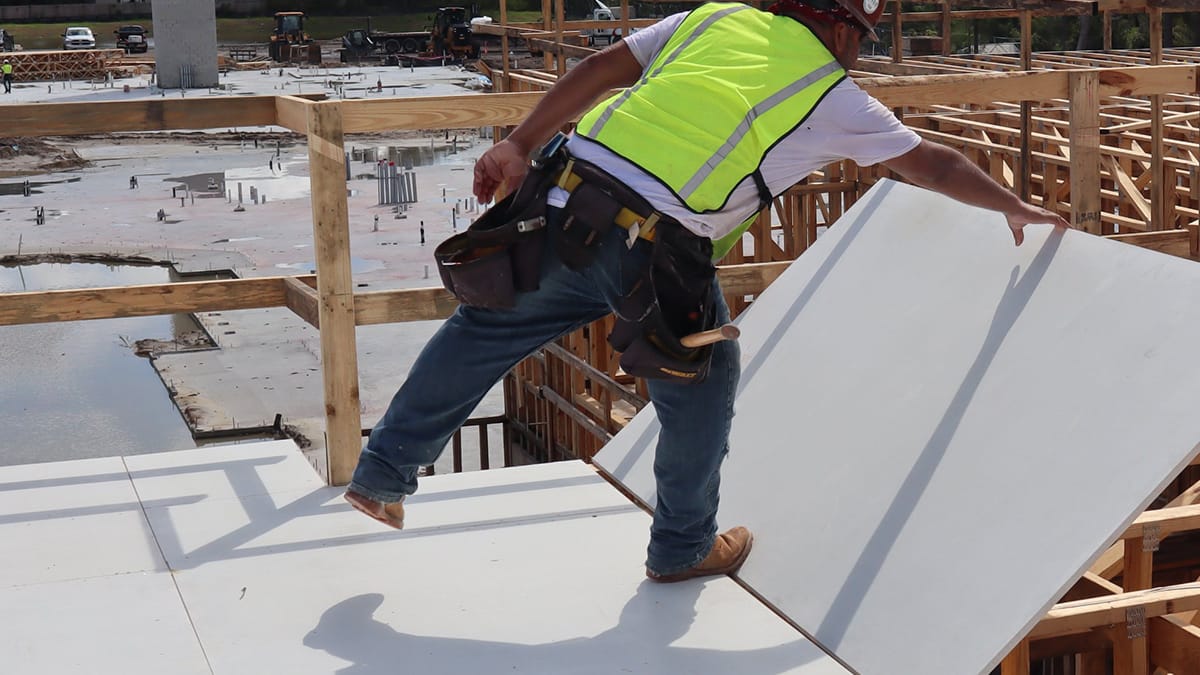
You want to pick the best subfloor for your project. Start by thinking about where you will use it. If you plan to install flooring in a bathroom, basement, or kitchen, you need a material that can handle water. Gypsum board does not do well in wet places. It can soak up water, swell, and even fall apart. Mgo board stands up to water and mold, so it works better in damp rooms.
You should also think about how much traffic the area will get. High-traffic spaces like hallways and stores need a strong subfloor. Gypsum board is not as tough and can crack or get soft over time. Mgo board has high impact resistance and keeps its shape, even after years of use.
Fire safety matters too. Mgo board does not burn and helps protect your home. Gypsum board slows fire but does not give the same level of safety. If you want a green choice, mgo board is more eco-friendly and can be recycled. Gypsum board uses more energy to make.
Here is a quick table to help you compare:
Factor | MgO Board | Gypsum Board |
|---|---|---|
Moisture Resistance | Highly resistant to water, moisture, and mold | Not water-resistant; can deteriorate when wet |
Strength & Durability | Stronger and more impact-resistant | Less strong and more prone to damage |
Fire Safety | Non-combustible, high fire protection | Fire-resistant but less protective |
Environmental Impact | Eco-friendly, recyclable | Energy-intensive to produce |
Cost | Higher initial cost | Lower initial cost |
Installation Ease | More complex | Easier, lighter |
Quick Recommendations
Choose mgo board for bathrooms, kitchens, and basements. It resists water and mold.
Pick mgo board if you need high performance in busy areas or want better fire safety.
Use gypsum board in dry, low-traffic rooms where cost and easy installation matter most.
Remember, mgo board costs more at first but saves money on repairs and lasts longer.
Keep indoor humidity and temperature steady to help your subfloor last, especially with mgo.
Tip: If you want a subfloor that stays strong and safe for many years, mgo board is the best choice for most projects.
You want a subfloor that lasts. Studies show mgo board gives you better durability than gypsum. Mgo board resists water, mold, and fire. You save money over time because it needs less care. If you build in wet or busy places, mgo works best. Use the table below to help you choose:
Project Type | Best Subfloor |
|---|---|
Wet rooms | |
Fire safety needed | mgo board |
Tight budget | Gypsum board |
Tip: Ask a professional before you start your project. Your needs may change the best choice.
FAQ
What makes MgO board more durable than gypsum subfloor?
You get better durability with MgO board because it resists water, fire, and mold. This material stays strong in busy areas and wet rooms. You do not need to worry about frequent repairs or replacements.
Can you install MgO board in wet environments?
You can use MgO board in bathrooms, kitchens, and basements. This board does not absorb much water. You get a subfloor that keeps its shape and strength, even when exposed to moisture.
Is gypsum subfloor a good choice for high-traffic areas?
Gypsum subfloor does not perform well in busy spaces. You may see cracks or soft spots after heavy use. If you want long-lasting durability, MgO board works better in high-traffic rooms.
How does fire resistance compare between MgO board and gypsum subfloor?
MgO board does not burn and helps protect your home from fire. Gypsum subfloor slows fire but does not offer the same level of safety. You get stronger fire resistance with MgO board.
What is the lifespan of MgO board compared to gypsum subfloor?
MgO board lasts 20 to 30 years with little maintenance. Gypsum subfloor usually lasts 10 to 15 years. You save money over time because MgO board offers greater durability and fewer repairs.