
19 Dec Moisture Resistance Showdown Between MgO and Plywood Subfloors
When comparing mgo board subfloor vs plywood subfloor, their reactions to water are quite different. Mgo board subfloor keeps nearly all its strength even after repeated exposure to moisture, while plywood subfloor loses about 9% of its bending strength when wet. Mgo board subfloor does not swell, bend, or support mold growth. In contrast, plywood subfloor tends to swell and bend when wet, requiring extra maintenance. For areas with high moisture, mgo board subfloor vs plywood subfloor shows that mgo board lasts longer and is more cost-effective over time for flooring.
Material | Moisture Resistance |
|---|---|
Mgo Board Subfloor | Excellent at resisting water; does not swell or bend; prevents mold and mildew |
Plywood Subfloor | Swells and bends easily; does not naturally prevent mold and mildew |
Key Takeaways
MgO board subfloors do not let in much water. They stay strong and stop mold from growing. This makes them great for wet places like bathrooms and basements.
Plywood subfloors can get bigger and weaker when they get wet. They often need more care to stop mold and damage.
MgO board costs more at first, but it saves money later. It lasts a long time and does not need much care.
To install MgO board right, you must seal the edges. You also need to make sure the base is clean. This helps it keep out water and last longer.
Picking the best subfloor is very important. MgO board works better than plywood in wet places.
MgO Board Subfloor vs Plywood Subfloor Overview
MgO Subfloor Panels Explained
MgO subfloor panels are used in new buildings. They work well where water is a problem. MgO board is made by mixing magnesium oxide, magnesium chloride, fibers, and other things. The mix turns into a thick liquid. It is poured into molds and pressed flat. Then it is cured and finished. This makes panels that are strong and light. The table below lists what goes into MgO board and why it helps:
Components | Benefits |
|---|---|
Magnesium Oxide | Stops fire, is safe, and keeps away mold |
Magnesium Chloride | Makes the board stronger and tougher |
Reinforcing Fibers | Helps the board handle bumps and hits |
Perlite/Vermiculite | Keeps heat in and makes the board lighter |
Additives | Helps block water and lets the board bend |
MgO subfloor panels do not swell or bend. They do not grow mold, even when it is damp. Builders use MgO board in places like basements, bathrooms, and kitchens. These rooms often have lots of water and steam.
Plywood Subfloor Basics
Plywood subfloor is a common choice for homes and buildings. It is made by gluing thin wood sheets together. The sheets are pressed to make a strong panel. Plywood subfloor is tough and bends easily. But it can swell or bend if it gets wet. If plywood is not treated, it can grow mold and get weak over time.
Why Moisture Resistance Matters
Moisture resistance is very important for subfloors. Some rooms, like bathrooms and basements, are always damp. Builders use moisture barriers with concrete to keep subfloors safe. MgO board keeps its shape and stays strong. Plywood subfloor can get damaged by water. MgO subfloor panels stop bending, rotting, and bugs. This helps the subfloor last longer. Using MgO board in wet places means it will last and need less fixing.
Moisture Resistance Comparison
 MgO Subfloor Panels Performance
 MgO Subfloor Panels Performance
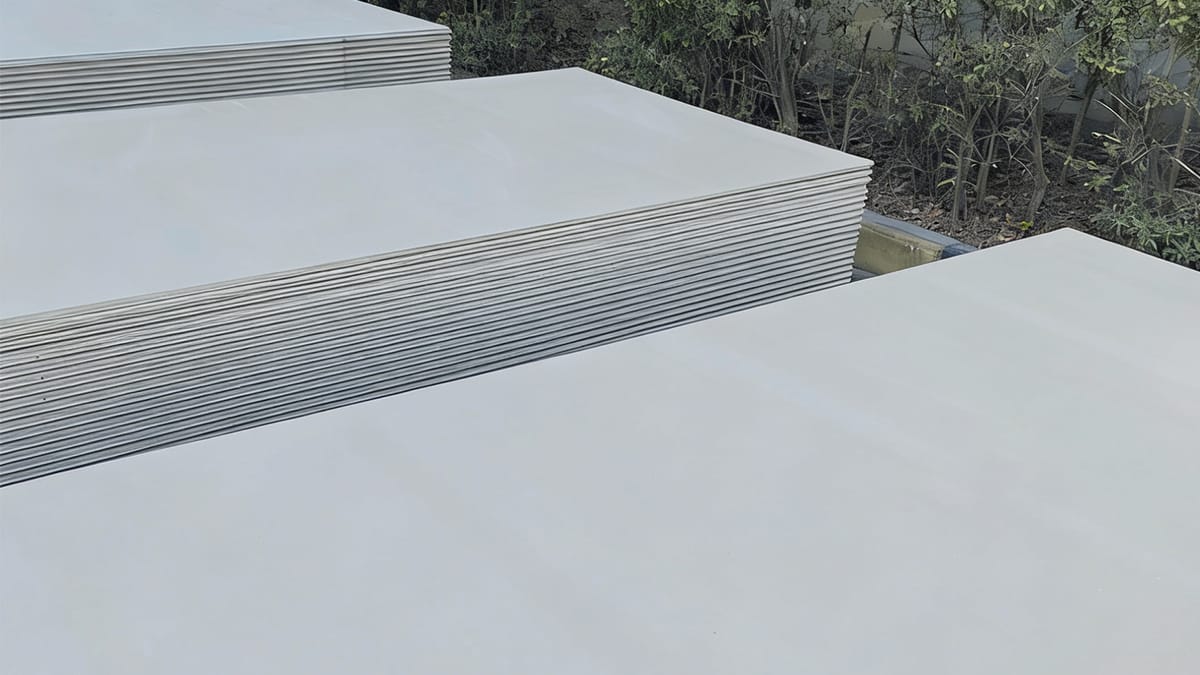
MgO subfloor panels work very well in places with lots of water. Builders use mgo board in bathrooms, kitchens, basements, and pool areas. This is because it stops mold and mildew from growing. MgO subfloor panels do not soak up water or get bigger when wet. This is important for keeping buildings safe from water damage. Magnesium oxide boards stay strong and flat, even in high humidity. The sulfate-based mgo board stops taking in water when the air is very humid, at 95 percent. This makes it good for damp places. MgO subfloor panels keep their size and strength during wet and dry times, and even when it freezes and thaws. In water tests, they only take in 0.34 percent water. This means they keep almost all their strength after getting wet and drying out. MgO board subfloor panels do not swell, come apart, twist, or bend when wet. This helps them last a long time.
Tip: Builders pick mgo subfloor panels for rooms that are always damp. These panels stay strong and do not let mold grow.
Plywood Subfloor Moisture Behavior
Plywood subfloor acts differently when it gets wet. If plywood is not treated, it soaks up water. This makes it swell, come apart, grow fungus, and get weak over time. Treated plywood can fight off water and rot, so it works for outdoor jobs and wet places. But even treated plywood can get weaker in very humid air. Plywood subfloor loses about 9 percent of its strength after getting wet and drying out, based on water tests. Untreated plywood gets ruined fast when it gets wet, sometimes in just a few years. Treated plywood can last up to 40 years if you take care of it, but it still does not resist water as well as mgo board. Plywood subfloor can swell and hold water longer than mgo subfloor panels. This hurts how well it works and how long it lasts.
Untreated plywood soaks up water and gets bigger.
Treated plywood fights water but can still get weaker in high humidity.
Plywood subfloor needs regular care to stop water damage.
Key Differences in Moisture Absorption
When you compare mgo board subfloor and plywood subfloor, you see big differences in how much water they take in and how long they last. MgO board only takes in 0.34 percent water, but plywood takes in much more. MgO subfloor panels keep almost all their strength after getting wet and drying out. Plywood loses about 9 percent of its strength. MgO board does not let mold grow, but plywood can get mold and mildew if it gets wet. The table below shows these differences:
Material | Moisture Absorption | Strength Retention After Wet/Dry Cycles | Mold Resistance | Durability |
|---|---|---|---|---|
MgO Board | 0.34% | Almost all strength kept | No | Up to 100 years |
Plywood | More than MgO | Loses about 9% strength | Yes | Not as durable |
MgO subfloor panels are great at stopping water damage. They do not swell, twist, or break down when wet. Their water-resistant features help them stay strong, even in very humid places. Plywood subfloor, even if treated, cannot do as well as mgo board when it comes to fighting water and lasting a long time. Water tests and real-life stories show that mgo board is the best choice for floors in wet and humid places.
Mold, Warping, and Structural Integrity
Mold and Mildew Resistance
 Mold and Mildew Resistance
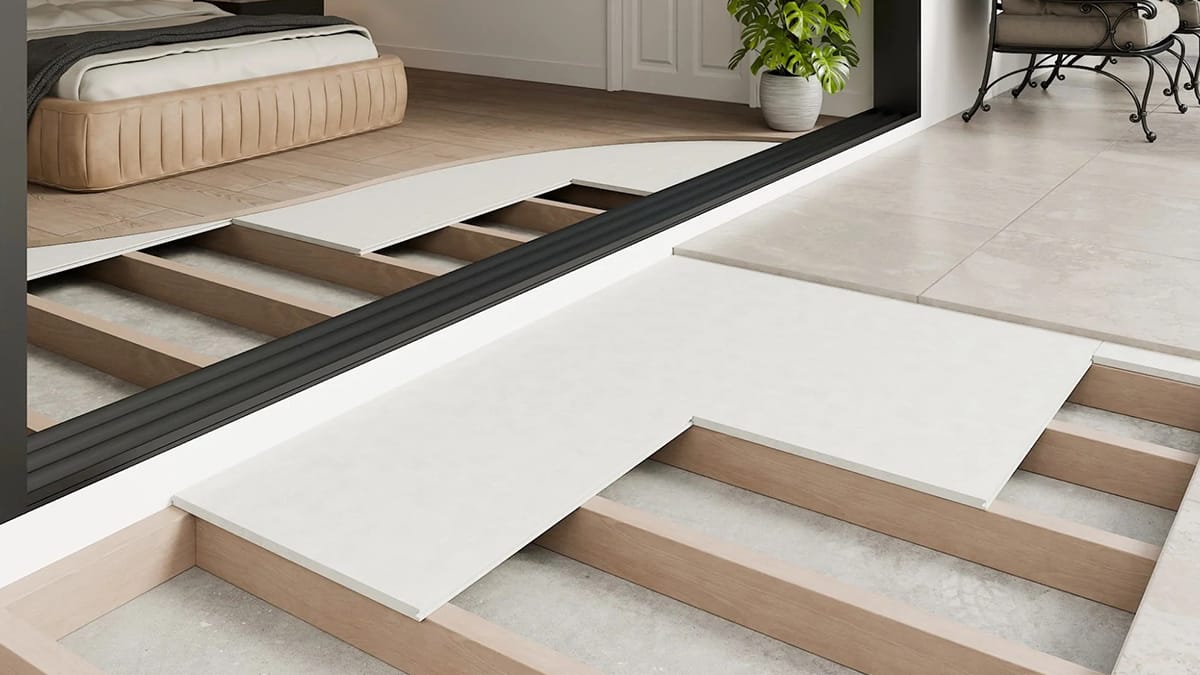
Mgo board subfloor and plywood subfloor act very differently with mold. Mgo board subfloor panels are great at stopping mold. Magnesium oxide in mgo board blocks mold and mildew, even in wet air. Builders use mgo subfloor panels in bathrooms and basements. These rooms stay humid all the time. Mgo board does not let mold or mildew grow. This helps keep the air inside clean. Plywood subfloor soaks up water. This makes mold and mildew grow, especially in damp places. Untreated plywood subfloor often gets mold. Mold makes the wood weak and can be bad for health.
Note: Mgo board subfloor panels stop mold and mildew, so they work well in wet rooms.
Warping and Swelling After Moisture Exposure
Plywood subfloor often warps and swells when it gets wet. When plywood gets wet, the wood fibers get bigger. This makes the plywood bend and change shape. If plywood stays wet for a long time, the layers can come apart. Decay and mold also happen, which makes the subfloor weaker. Mgo board subfloor panels do not swell or warp. The magnesium oxide mix keeps water out, even in wet air. Mgo board does not swell, bend, or come apart after short times in water. Builders trust mgo subfloor panels to keep their shape and work well.
Plywood subfloor:
Swells and warps when wet
Layers come apart in wet air
Gets weak and moldy
Mgo board subfloor panels:
Do not swell or warp
Keep their shape in wet air
Do not come apart or rot
Load-Bearing and Longevity
Mgo board subfloor panels stay strong and last long, even after getting wet many times. Mgo board does not rot, swell, or bend because it resists water. MagPanel® and other mgo subfloor panels stay stable, even if they bend a little. Short times in water do not hurt them. Mgo board does not come apart, so it lasts longer. Plywood subfloor gets weaker after getting wet. It needs care to stop damage from water and mold. Mgo board subfloor panels work well and last a long time. Builders like them for wet places.
Tip: Mgo board subfloor panels are tough and last long in rooms with lots of water and wet air.
Installation and Handling in Moisture-Prone Areas
Best Practices for MgO Subfloor Panels
Builders pick mgo board for floors in damp places. Mgo subfloor panels are very good at stopping water and humidity. To help them work best, installers should do a few things:
Seal the edges and joints with strong sealant. This helps block water, especially in bathrooms and kitchens.
Make sure the base is clean and flat before putting down panels. Use a broom or vacuum to get rid of dust and dirt.
Leave small gaps, about 3-5 mm, between panels. These gaps let the panels grow and shrink when it gets hot or cold. This stops bending or cracking in wet air.
Keep mgo board in a dry spot before using it. This keeps it strong against water.
Mgo board subfloor panels stay strong and keep their shape in wet air. Builders trust mgo board to work well in damp rooms.
Plywood Subfloor Installation Challenges
Plywood subfloor has problems in wet places. Water can make it come apart, grow mold, and look wavy. Installers need to fix these problems to keep the floor strong:
Water sitting on plywood makes it come apart and grow mold.
Plywood can get weak spots when it gets wet. This hurts how strong the floor is.
The floor must be dry before putting other materials on top. If it stays wet, plywood can bend or get weak.
Water left on plywood for a day or two makes mold grow fast. This needs to be fixed right away.
Mgo board subfloor panels do better than plywood in wet and humid places.
Practical Tips for Wet Environments
Installers can help floors last longer by using smart tips:
Make sure the floor is flat, solid, and has no big problems. This helps keep water out and stops humidity trouble.
Pick materials made for waterproofing and that work with plumbing. This stops leaks.
Protect weep holes and make the floor slope before adding waterproofing. This stops water from pooling and keeps humidity low.
Use waterproof materials instead of just water-resistant ones. This works better in wet places.
Mgo board subfloor panels are best for stopping water and working well in damp rooms. Builders get strong, long-lasting floors by following these steps.
Cost and Long-Term Value
Initial Costs and Installation
 Initial Costs and Installation
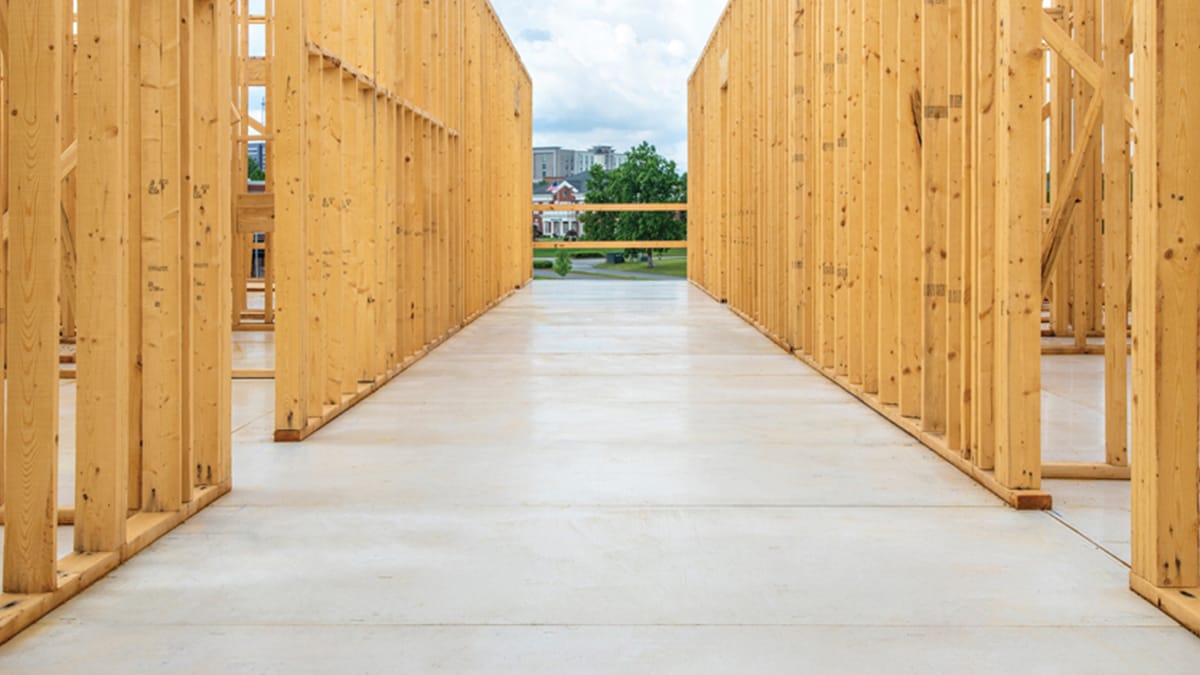
Builders look at the price of mgo board and plywood. Mgo board costs more at first than plywood. Installing mgo subfloor panels may need skilled workers. This can make the project cost more. Plywood is cheaper to buy and install. But mgo subfloor panels resist fire, water, and bugs better. The table below shows how mgo board and plywood are different in cost and performance:
Feature | MgO Board | Plywood |
|---|---|---|
Initial Cost | More expensive | Cheaper |
Total Project Cost | Depends on application | Depends on application |
Fire Resistance | Non-combustible | Highly flammable |
Moisture Resistance | Superior resistance | Susceptible to water damage |
Pest Resistance | Inorganic, no food source | Provides food source for pests |
Maintenance and Replacement Expenses
Mgo subfloor panels do not need much care over time. Mgo board does not soak up water or change shape. Plywood subfloor needs checks for mold and rot, especially in wet rooms. Mgo board does not need to be replaced often, so it saves money later. Plywood needs repairs or new panels because it gets wet and grows mold. Mgo subfloor panels help owners spend less on fixing floors.
Mgo board needs little care.
Mgo subfloor panels last a long time.
Plywood subfloor needs repairs in wet places.
Mgo board saves money because it is strong and resists damage.
Moisture-Related Value Over Time
It is important for subfloors to last a long time. Mgo board fights water and stays strong for many years. Plywood gets weaker and may need to be replaced after getting wet many times. Mgo subfloor panels cost less over time because they do not break down. The table below shows how repair costs from water add up:
Feature | MgO Board | Plywood |
|---|---|---|
Moisture Resistance | Excellent | Good |
Durability | Very High | High |
Long-term Cost Savings | Lower | Higher |
Mgo board is great because it lasts long and does not get damaged by water. Builders pick mgo subfloor panels for strong floors and lower costs over time.
Tip: Mgo board is a smart choice for wet rooms. It stays strong and lasts a long time, so it saves money.
Comparison Table: MgO Board Subfloor vs Plywood Subfloor
Moisture Resistance and Durability
 Moisture Resistance and Durability
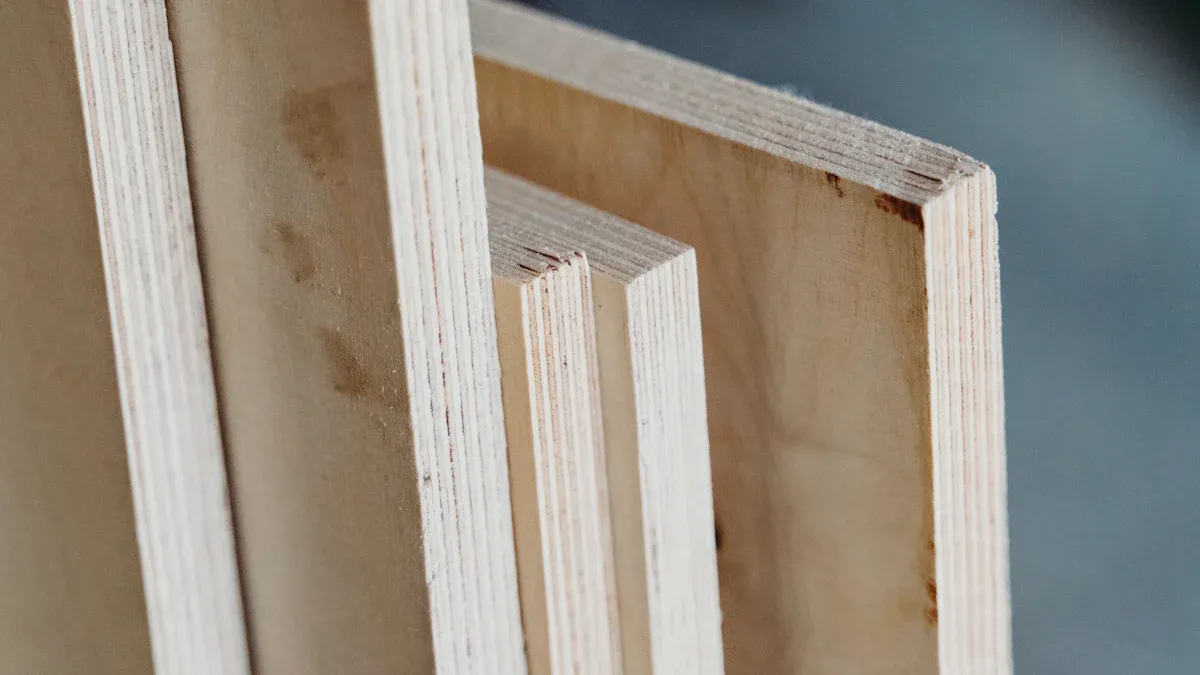
Builders look at MgO board and plywood for wet rooms. MgO board subfloor panels do not soak up water. They do not bend, break, or let mold grow. Plywood subfloor panels take in water fast. This makes them get bigger, bend, and sometimes grow mold. MgO board subfloor panels last longer in damp places. Plywood subfloor panels need to be checked often for problems. The table below shows the main differences:
Property | MgO Board Subfloor | Plywood Subfloor |
|---|---|---|
Moisture Resistance | Highly resistant; ideal for humid areas | Susceptible to warping, delamination, mold |
Durability | Long-lasting; resists cracking, shrinking | Moderate lifespan; needs frequent inspection |
Mold Growth | Prevents mold and mildew | Can support mold and mildew |
Warping/Swelling | Does not warp or swell | Warps and swells when wet |
Note: MgO board subfloor panels stay strong and keep their shape after getting wet many times. Plywood subfloor panels get weak and might need to be replaced.
Installation and Cost
How you put in the subfloor and what it costs matters a lot. MgO board subfloor panels cost more at first. You need skilled workers to install them right. Plywood subfloor panels cost less and go in fast. But plywood subfloor panels need fixing often in wet rooms. MgO board subfloor panels save money later because they fight water and last longer. The table below compares installation and cost:
Feature | MgO Board Subfloor | Plywood Subfloor |
|---|---|---|
Initial Cost | Higher | Lower |
Installation | Skilled labor needed | Easy, quick installation |
Maintenance | Minimal | Frequent in wet areas |
Long-term Value | Saves money over time | Higher repair costs |
MgO board subfloor panels protect better against water.
Plywood subfloor panels need more care and cost more to fix in damp rooms.
Tip: Builders pick MgO board subfloor panels for wet rooms. This helps avoid expensive repairs and keeps floors strong for a long time.
MgO board subfloors are good at stopping water, lasting long, and blocking mold. Builders pick MgO board for wet places because it keeps water out and needs less fixing. The table below shows mistakes people make when picking subfloor materials:
Mistake | Explanation |
|---|---|
Not thinking about water damage | Using regular OSB or untreated plywood in wet rooms can make the boards swell and fall apart. |
Not matching panel thickness to joist space | Thin panels over wide joists can bend, which cracks tiles or makes floors squeak. |
Thinking underlayments fix subfloor problems | If the subfloor is not flat, it will show or hurt the top layer, so you must prep and level it first. |
Picking the right subfloor stops mold and saves money on repairs. Builders should think about how long the subfloor will last and how much care it needs when choosing between MgO board and plywood.
FAQ
What makes MgO board a better choice for moisture-prone areas?
MgO board does not let water or mold in. Builders use it for floors in bathrooms and basements. It stays strong and keeps its shape, even after getting wet many times.
Can plywood subfloor be used in wet environments?
Plywood subfloor can be used in wet places if it is treated. If plywood is not treated, it soaks up water and gets bigger. It can also let mold grow. You need to check and care for it often to keep it safe.
How long does an MgO board subfloor last?
MgO board subfloor panels can last as long as 100 years. This material does not bend, swell, or let mold grow. Builders pick it because it is strong and does not need much care in wet rooms.
Is MgO board subfloor more expensive than plywood?
MgO board subfloor costs more at first. The higher price is because it fights water and lasts longer. Over time, you save money because you do not need to fix or replace it as much.
What maintenance does a plywood subfloor require?
Plywood subfloor needs to be checked often for mold, bending, and water damage. Builders say to treat the wood and keep it dry. Taking care of it helps the floor last longer.