
06 Dec Top 5 Subfloor Board Types for Every Flooring Project
If you want to put in new flooring, you should know the best subfloor board types for any project in 2025. MgO board is the best choice. It gives fire resistance that is better than local rules. It helps keep people safe during fires. MgO board also keeps out water and mold. This makes it great for basement subfloors and healthier rooms. Builders use natural materials, so you do not get harmful toxins. This helps make building greener. Other wood subfloor materials and moisture-resistant resin boards are also good choices. You can pick subfloor board types that fit your flooring, weather, and budget for the best results.
Key Takeaways
MgO board works best in wet places. It does not get damaged by water, mold, or fire. This makes it strong and safe to use.
OSB costs less than other boards. It gives a strong base for floors. But it must stay dry or it will get ruined.
Plywood supports floors well and keeps out water. Pick the right type for damp rooms. This stops the wood from bending.
Tongue-and-groove plywood fits together tightly. It helps make floors quieter and more steady.
Cement board is great for putting down tile. It does not get hurt by water. You need to install it with care.
Top Subfloor Board Types
MgO Board Subfloor
MgO board is different from other subfloor board types. It gives you a strong and safe base for your floor. MgO board uses magnesium oxide, sand, and other natural things. This mix helps block water and fire. You do not have to worry about swelling or warping when it gets wet. MgO board also stops mold and keeps your house healthy.
Tip: If you need a subfloor board for basements or kitchens, MgO board is the best pick for places with lots of moisture.
Here is a simple table to compare MgO board and plywood:
Criteria | MgO Board | Plywood |
|---|---|---|
Material Composition | Magnesium oxide, sand, additives | Layers of wood veneer |
Moisture Resistance | Highly resistant, does not swell or warp | Can swell or warp with moisture |
Durability | Very durable | Durable, less impact and moisture proof |
Fire Resistance | Excellent, non-combustible | Limited, can catch fire |
Environmental Impact | Eco-friendly, non-toxic | Not sustainable |
Sound Insulation | Better sound insulation | Less effective |
Cost | More expensive | More affordable |
MgO board costs about $8–$20 for each square meter. The price depends on how thick it is. MgO board is more expensive than other subfloor boards. But it gives you better safety and lasts longer. Many reviews say MgO board is the best subfloor board for 2025. It protects your home and stays strong for many years.
OSB Subfloor
OSB is a popular subfloor board type. It is made from wood strands pressed together. OSB gives you a sturdy base for your floor. It spreads weight evenly and works well in homes and businesses.
Feature/Aspect | Description |
|---|---|
OSB Subfloor | Sturdy foundation, distributes weight evenly |
Pros | Less expensive, durable, consistent thickness, quick installation, eco-friendly |
Cons | Poor water resistance, not for final floor surface, heavy, needs protection during construction |
OSB costs about $1 to $2.40 for each square foot. It is cheaper than plywood and other subfloor boards. If you want to save money and still get a strong floor, OSB is a good choice. Reviews say OSB is a budget-friendly option. But you must keep it dry.
Plywood Subfloor
Plywood is a classic subfloor board type. It has layers of wood glued together. Plywood gives good water resistance and strong support.
Strong and works for many projects
High water resistance for damp places
Makes floors stronger when installed right
You should use plywood that is at least 23/32-inch thick. Plywood comes in different grades. You can pick the one you need. Plywood costs about $2.50 to $3.00 for each square foot. It costs more than OSB but gives better support. Some problems are that it needs to get used to the room before installing. It can warp in very humid places.
Costs more than OSB
Needs time to adjust before use
May not work well in very humid places without the right grade
Tongue-and-Groove Plywood
Tongue-and-groove plywood is a special kind of plywood. The sheets lock together to make a tight and strong floor. This design stops gaps and noise. Your floor feels solid.
Holds more weight without bouncing
Stops mold by keeping water out
Tongue-and-groove plywood is used for floors, roofs, siding, walls, and furniture. It works well for homes and businesses. You get a smooth and strong surface. Reviews say tongue-and-groove plywood is easy to install and lasts a long time.
Floors and subfloors: Tight fit, smooth surface
Roofing: Solid base for materials
Siding: Uniform look
Structural framing: Bonds framing, boosts stability
Wall sheathing: Flat surface, better insulation
Furniture: Cabinets, tables
Outdoor structures: Sheds, decks (when treated)
Cement Board Subfloor
Cement board is another subfloor board type. It is made from cement and fibers. Cement board works best under tile and in wet places like bathrooms.
Feature | Description |
|---|---|
Exceptional Reinforcement | Makes seams stronger |
Crack Prevention | Stops tiles from cracking |
Professional Finish | Neat, clean look |
Easy Application | Simple for experts and beginners |
Versatile Compatibility | Works with many glues and mortars |
Customizable Options | Different sizes for projects |
High-Quality Material | Lasts a long time |
Moisture-Resistant | Handles water well |
Cement board costs more than OSB or foam boards. It is heavy and hard to move. You need special tools to install it. Cement board does not insulate well. It may make energy bills go up. You must add waterproof layers to keep water out. Cement board is best for tile floors and wet rooms. It is not the best subfloor board for every project.
High material costs
Hard to install for beginners
Heavy and tough to handle
Not flexible for curved designs
Needs extra waterproofing
Poor insulation
Note: If you want strong water resistance and a neat finish for tile floors, cement board is a smart pick.
Now you know the main subfloor board types for any flooring project. Each type has good and bad points. You can read reviews and compare choices to find the best one for your home or business.
Best Subfloor Options for 2025
 Durability and Strength
 Durability and Strength
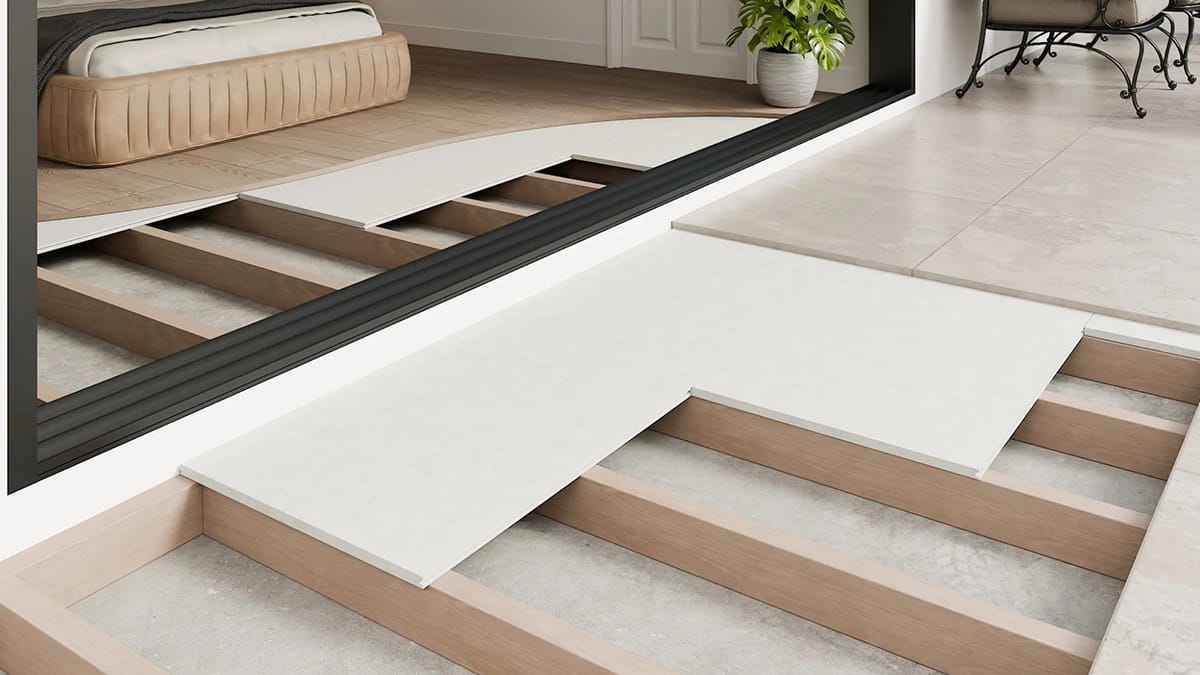
You want your subfloor to last a long time. The best subfloor boards give strong support. They can hold a lot of weight. MgO board is very tough and lasts many years. OSB laminated beams are also strong. They can hold up to 46% more weight than regular wooden I-beams. Plywood and tongue-and-groove plywood are strong too. But they might split or peel after a while. Cement board is hard but not very flexible. It can crack if something heavy sits on it.
MgO Board | OSB | Plywood | Cement Board | |
|---|---|---|---|---|
Flame Resistance | High | Poor | Poor | High |
Impact Resistance | High | Average | Average | Poor |
Mold and Mildew Resistance | High | Poor | Poor | High |
Water Resistance | High | Poor | Poor | High |
OSB laminated beams give steady strength.
MgO board does not break easily and lasts longer. This makes it a top choice for a long-lasting subfloor.
Moisture and Fire Resistance
It is important to keep water out in basements, kitchens, and bathrooms. MgO board stops water, mold, and mildew. Cement board also keeps out water but needs extra waterproofing. OSB and plywood can get bigger, bend, or grow mold if they get wet. MgO board is great at stopping fires. It gets a Class A rating for fire safety. It does not burn or make bad gases. Cement board also stops fire. OSB and plywood can burn unless they are treated.
Material | Fire Resistance | Moisture Resistance | Durability |
|---|---|---|---|
MgO Boards | Blocks water, mold | Very strong | |
OSB Boards | Burns easily | Swells, molds | Strong, weakens |
Plywood | Burns easily | Warps when soaked | Can split/peel |
Cement Board | High | Handles water | Moderate |
If you need to stop water and fire, MgO board is the best subfloor for wet or risky places.
Environmental Impact
You help the earth when you pick green subfloor boards. MgO board uses less energy to make. It also traps CO2 while it dries. You can recycle it and it is not toxic. OSB and plywood use glue with formaldehyde. This glue can let out bad gases. Cement board does not have asbestos but takes a lot of energy to make. MgO board can cut carbon by up to 70%. It also lasts longer than wood or cement boards.
Material Type | Carbon Footprint Reduction | Toxicity Level | Lifespan Benefits |
|---|---|---|---|
MgO Boards | Up to 70% | Non-toxic | Longer lifespan |
Wood-based (OSB) | Higher | Formaldehyde | Shorter lifespan |
Cement Boards | Higher | Asbestos-free | Moderate lifespan |
MgO board is not toxic and meets green building rules.
MgO board lasts longer and keeps out water. This makes it the best subfloor for green projects.
Subfloor Board Comparison Table
Features and Costs
Picking the right subfloor is important for your project. A simple comparison helps you see what each subfloor board offers. You can look at features, price, and how strong each one is. Use this table to check the most common subfloor boards:
Subfloor Type | Key Features | Price Range (per sq ft) | Durability | Moisture Resistance | Fire Resistance |
|---|---|---|---|---|---|
Fireproof, mold-resistant, eco-friendly | $0.75–$2.00 | High | Excellent | Excellent | |
OSB | Budget-friendly, strong, easy to install | $1.00–$2.40 | Good | Low | Low |
Plywood | Reliable, strong, easy to cut | $2.50–$3.00 | Good | Moderate | Low |
Tongue-and-Groove Ply | Tight fit, smooth surface, sturdy | $2.75–$3.25 | Very Good | Moderate | Low |
Cement Board | Water/fire resistant, stable for tile | $2.00–$4.00 | Moderate | High | High |
Tip: MgO board costs more than others. It gives better fire and water safety. OSB is cheaper, but you must keep it dry.
Suitability for Flooring Types
Not all subfloors work with every floor type. You need to match your subfloor to your flooring. This table shows which subfloor boards go with popular floors:
Why Choose It? | ||
|---|---|---|
Plywood | Hardwood, Vinyl | Strong, reliable, easy to work with |
OSB | Engineered Wood, Laminate, Carpet, Vinyl Plank | Budget-friendly, good for many floors |
MgO Board | Vinyl, Tile | Durable, eco-friendly, resists mold and water |
Tongue-and-Groove Ply | Hardwood, Laminate | Tight fit, smooth surface, less squeaking |
Cement Board | Tile, Stone, Vinyl | Moisture/fire resistant, stable for tile |
You can see plywood and OSB are good for wood and vinyl floors. MgO board and cement board work best for tile and wet rooms. Tongue-and-groove plywood is great for hardwood and laminate.
Note: Always check your floor type before picking a subfloor. The right choice keeps your floor safe and strong.
Best Flooring for Wood Subfloor
Hardwood and Vinyl
 Hardwood and Vinyl
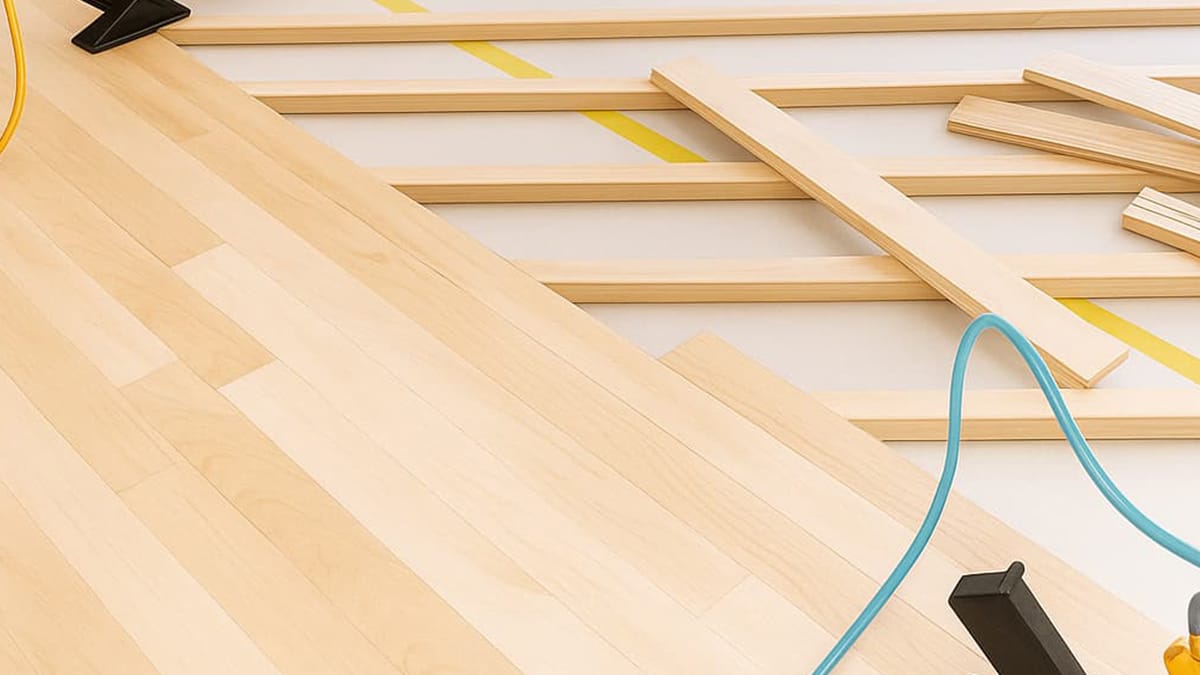
If you want to put hardwood or vinyl on your floor, you need the right subfloor. Plywood and OSB are good for hardwood floors. Plywood holds nails well and does not move much. Engineered hardwood also works with plywood and OSB. You can use nails, staples, or glue to put down engineered hardwood. Vinyl floors need a flat and smooth base. OSB works if you add underlayment for vinyl. Tongue-and-groove plywood fits tightly and stops squeaks. This makes it a great pick for engineered hardwood and vinyl.
Tip: Clean and dry your wood subfloor before you put down hardwood or vinyl. This helps stop problems later.
Recommended Flooring Types | |
|---|---|
Plywood | Solid hardwood, Engineered hardwood |
OSB | Engineered hardwood, Solid wood, Vinyl |
Tongue-and-Groove Ply | Engineered hardwood, Vinyl |
Carpet and Tile
Carpet and tile also need a good wood subfloor. OSB and plywood make a flat base for carpet. You should get rid of extra moisture before you put in carpet. Tile needs a strong and stiff subfloor. Plywood with cement backer board is best for tile. Do not use engineered hardwood under tile. You must use a vapor barrier and the right fasteners to stop splitting. Put fasteners no more than 8 inches apart.
Note: Check for moisture and use a vapor barrier if you need one before you put in tile or carpet.
Matching Subfloor to Flooring
You must match your subfloor to your floor type. Plywood is best for hardwood and tile in wet places. OSB is cheaper for dry rooms and big spaces. Tongue-and-groove plywood gives more support for engineered hardwood. Pick CDX plywood for wet areas. The usual thickness is 3/4 inch. Marine or pressure-treated plywood is good for damp rooms. Always check your local building codes and APA ratings to be safe.
The thickness and grade of plywood are important for your floor.
Exposure 1 plywood works for most homes.
Structural plywood holds heavy things and lasts longer.
Table: Factors for Selecting Plywood Grade
Factor | Details |
|---|---|
Thickness | 3/4 inch standard; adjust for joist spacing |
Grade | CDX for moisture resistance; A for smooth finish |
Moisture Resistance | Marine-grade or pressure-treated for wet areas |
Compliance | APA ratings and local codes |
You can avoid repairs later if you pick the right subfloor for your floor and budget.
How to Choose the Right Subfloor
Climate and Moisture Considerations
 Climate and Moisture Considerations
Think about the weather and wetness before you pick a subfloor. Wet places can make floors get damaged by water. MgO boards are better at stopping water than OSB or plywood. Always use a moisture barrier if the air is very wet. This keeps your floor strong and safe from water. Builders use ClimateLine panels and Platinum ‘R’ Floor for tough weather. These panels fight water damage and last a long time. You must follow building rules for keeping air tight. Always add steps to stop water when you install your floor. Put a moisture barrier under your subfloor to keep water out.
Material | Moisture Resistance | Durability in Wet Conditions | Environmental Adaptability |
|---|---|---|---|
MgO Boards | Excellent | High | Good |
OSB | Low | Moderate | Poor |
Plywood | Moderate | Moderate | Moderate |
Use a moisture barrier in basements and bathrooms.
Check for water problems before you put in a subfloor.
Add steps to stop water in your installation tips.
Budget and Installation
You want to spend the right amount of money. OSB is cheaper than MgO board or plywood. MgO board costs more but stops water and fire better. Plywood is in the middle for price and water control. Plan your steps to save money and time. Buy only what you need for your room. Use easy steps to make fewer mistakes. If you want to save money, use OSB in dry rooms. MgO board is best for wet places. Always add water control to your steps.
Plan your money before you buy subfloor boards.
Use simple steps to finish faster.
Pick OSB for dry rooms and MgO board for wet rooms.
Load-Bearing Needs
Check how much weight your subfloor can hold. Floors in homes and businesses must meet weight rules. MgO board and plywood can hold heavy things. OSB works for most homes but not for very heavy stuff. Look at the size and thickness of your subfloor. Use these steps for heavy loads:
Requirement | Specification |
|---|---|
1/180 of span under live load plus dead load, 1/240 of span under live load only | |
Maximum span for 15/32- and 1/2-inch panels | 24 inches |
Maximum span for 3/4-inch wood finish flooring | 24 inches when installed at right angles to joists |
Allowable uniform live load at maximum span | 100 psf based on deflection of 1/360 of span |
Limit for panels with a span rating of 48 on center | 65 psf total uniform load at maximum span |
Tip: Always check the size and thickness before you put in your subfloor. Use strong boards for heavy furniture or machines.
You can stop water problems and weak floors by following these steps. Pick the right subfloor for your weather, money, and weight needs. Add steps to stop water and use a moisture barrier for every project.
You have learned about the top subfloor board types for every flooring project. MgO board stands out for fire and water resistance. OSB and plywood work well for wood and vinyl floors. Cement board fits tile and wet rooms. Tongue-and-groove plywood gives a tight fit for smooth floors.
Prepare your subfloor to avoid uneven surfaces and moisture problems.
Pick materials that match each room’s needs.
Think about your daily routine when you choose flooring.
Use the comparison table and selection guide to help you decide. Start planning your installation or explore more about subfloor options.
FAQ
What is the best subfloor board for wet areas?
You should use MgO board or cement board in wet areas. Both resist water and mold. MgO board also gives you fire protection and lasts longer in damp spaces.
Can you install hardwood flooring over OSB?
Yes, you can install hardwood over OSB. Make sure the OSB is dry and flat. Use underlayment for extra support. Always follow the flooring manufacturer’s instructions.
How thick should your subfloor be?
Most homes need a subfloor at least 3/4 inch thick. Thicker boards give you more strength. Check your local building codes for the best thickness.
Is MgO board safe for indoor air quality?
MgO board is safe for indoor air. It does not release harmful chemicals. You get a healthier home with less risk of toxins or bad smells.
Do you need a moisture barrier under your subfloor?
You should use a moisture barrier in basements, bathrooms, or any area with high humidity. This step helps protect your subfloor from water damage and mold.