
08 Dec Upgrade Your Subfloor with These Modern Alternatives to MgO Board
You might want a subfloor that stays strong for many years and is easy to put in. Many people do not use mgo board subfloor now. They worry about water damage, leaking chloride, and spending too much money. Some also think it is hard to install. When you look at choices, think about what is most important. Is it strength, cost, how simple it is to install, or how it affects nature?
Key Takeaways
Consider your project’s needs when choosing a subfloor. Think about moisture, weight, and traffic in each room.
Plywood is strong and easy to install, making it a great choice for many areas, but remember to seal it to prevent water damage.
OSB is a budget-friendly option, but it absorbs water easily, so avoid using it in wet areas like bathrooms.
Cement board and concrete are best for wet spaces. They resist water and provide a solid base for flooring.
Cork is perfect for bedrooms due to its comfort and sound insulation. It’s eco-friendly and helps keep your home warm.
Top Subfloor Alternatives to MgO Board
When you pick subfloor alternatives, you want them to last. You also want them to be easy to install and not cost too much. Each choice has special features. You can pick what fits your room, project, and what matters to you.
Plywood Subfloor
Plywood is a popular subfloor alternative. Many homes use plywood because it is strong. It is also easy to cut. Builders like plywood because it stays flat and smooth. You can put plywood in bedrooms, living rooms, and kitchens.
Strengths:
Plywood gives a strong base for any flooring.
You can install plywood fast with common tools.
Plywood does not bend as much as solid wood.
Weaknesses:
Plywood costs more than osb. A 4×8 sheet of plywood is about $10. Osb is about $6.
Plywood is heavy, so you need help to move it.
If you do not seal plywood, water can make it rot or come apart.
Tip: Seal plywood edges to stop water damage.
Disadvantage | Description |
|---|---|
Higher Cost | Plywood costs more than osb, about $160 for 500 sq ft. |
Heavier Weight | Plywood is heavy, so it is harder to carry and install. |
Susceptibility to Water | Water can make plywood rot or come apart if not sealed. |
OSB Subfloor
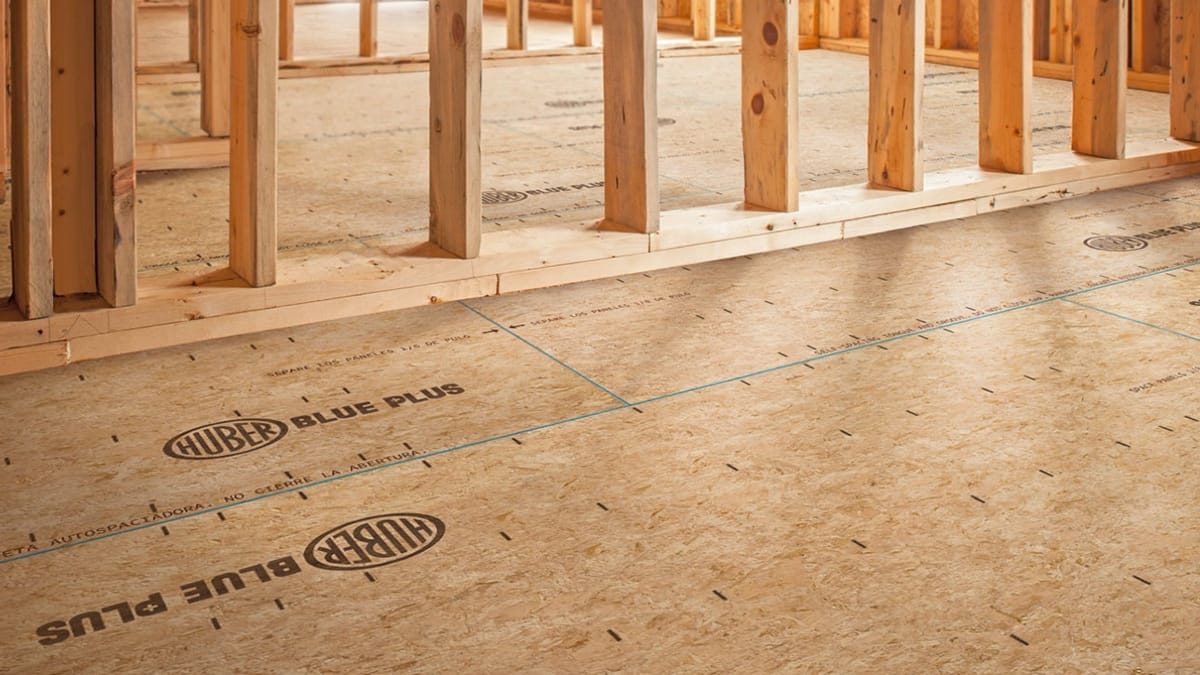 OSB is another common subfloor alternative. You see osb in new homes and remodels. Osb uses wood strands and glue pressed into big panels. You can use osb in most rooms except very wet ones.
Strengths:
Osb costs less than plywood, so it saves money.
Osb comes in big sheets, so you cover floors fast.
Osb panels often have tongue-and-groove edges for a tight fit.
Weaknesses:
Osb soaks up water more than plywood or MgO board. If osb gets wet, it can swell and get weak.
Osb does not fight moisture as well as MgO board. Do not use osb in bathrooms or kitchens.
Osb may need a vapor barrier, like plastic sheeting, to keep out water.
Material | Price per square foot | |
|---|---|---|
OSB | About $6 | $0.50 to $1.00 |
Plywood | About $10 | $4.50 to $10 |
MgO board | Higher than OSB | $1.50 to $3.00 |
Note: Always follow the maker’s rules for nails and spacing when you put in osb.
Cement Board
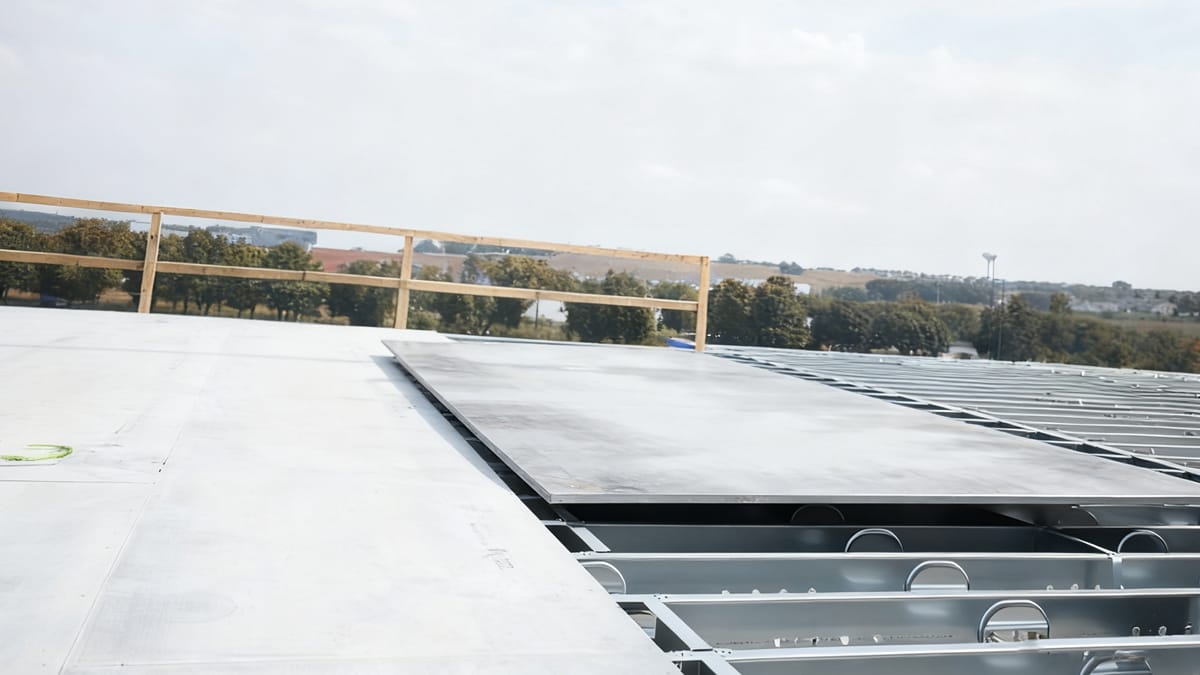
Cement board is a modern subfloor choice for wet places. You find cement board under tile in bathrooms and kitchens. It is made from cement and strong fibers.
Strengths:
Cement board is tough and handles lots of walking.
It fights water, so you can use it in showers and laundry rooms.
Cement board does not burn easily, so it is safe for basements.
Weaknesses:
Cement board takes longer to put in than plywood or osb.
You might need a pro to cut and fit cement board.
Cement board is heavy and hard to move.
Sustainability Tip: Some cement boards use recycled stuff, which helps cut waste and supports reuse.
Fiber Cement Board
Fiber cement board is a newer subfloor choice. You can use it where you want strength and easy setup. Fiber cement board mixes cement with plant fibers.
Strengths:
Fiber cement board fights water, rot, and bugs.
It lasts a long time, sometimes 50 to 100 years with little care.
You can cut and put in fiber cement board easily, even by yourself.
Weaknesses:
Fiber cement board costs more than osb.
You should wear a mask when cutting, because the dust is not safe.
Feature | Fiber Cement Board | Cement Board |
|---|---|---|
Durability | Very tough, fights water, rot, and bugs; lasts 50 to 100 years with little care. | Tough, good in wet places; can last 50 years or more with care. |
Weather Resistance | Great at fighting weather; does not peel or chip. | Good in wet places but not as strong overall. |
Installation Ease | Light and easy to use, good for DIY jobs. | Easy to cut, but may need a pro for best results. |
Concrete Subfloor
Concrete is one of the oldest and strongest subfloor choices. You see concrete in basements, garages, and even modern homes. Concrete works well in bathrooms, especially where you need water resistance.
Strengths:
Concrete lasts for many years and holds heavy things.
It needs little care. You just sweep and mop.
Concrete helps keep your home warm in winter and cool in summer.
You can polish, stain, or add texture to concrete for different looks.
Concrete does not hold dust or allergens, so it helps indoor air.
Weaknesses:
Concrete feels hard and cold under your feet.
You may need a pro to pour and finish concrete.
Cracks can happen if the base is not ready.
Room Guide: Use concrete in bathrooms for water resistance and in living rooms for strength.
Cork Subfloor
Cork is a special subfloor choice. You can use cork in bedrooms or quiet rooms. Cork comes from the bark of cork oak trees, so it is renewable.
Strengths:
Cork blocks sound well. You hear less noise from steps.
Cork keeps floors warm, which feels nice in bedrooms.
Cork is good for nature and breaks down over time.
You can put in cork tiles or sheets with simple tools.
Weaknesses:
Cork can dent under heavy furniture.
It does not fight water as well as cement or concrete.
You may need to reseal cork every few years.
Feature | Cork | Foam | Rubber | Felt |
|---|---|---|---|---|
Sound Insulation | Great | Medium | High | Medium |
Thermal Insulation | Good | Low | Medium | Medium |
Did you know? Cork is a top pick for bedrooms because it is quiet and comfy.
Summary Table: Best Subfloor Option by Room Type
Room Type | Best Subfloor Option |
|---|---|
Bathroom | Concrete or MgO boards |
Bedroom | Cork or Engineered Wood |
When you look at subfloor choices, you see each material works well in some homes. You can pick plywood for strength, osb for saving money, cement board for wet places, fiber cement for easy setup, concrete for lasting power, or cork for comfort and quiet.
Plywood and OSB Compared
 Benefits of Plywood
 Benefits of Plywood
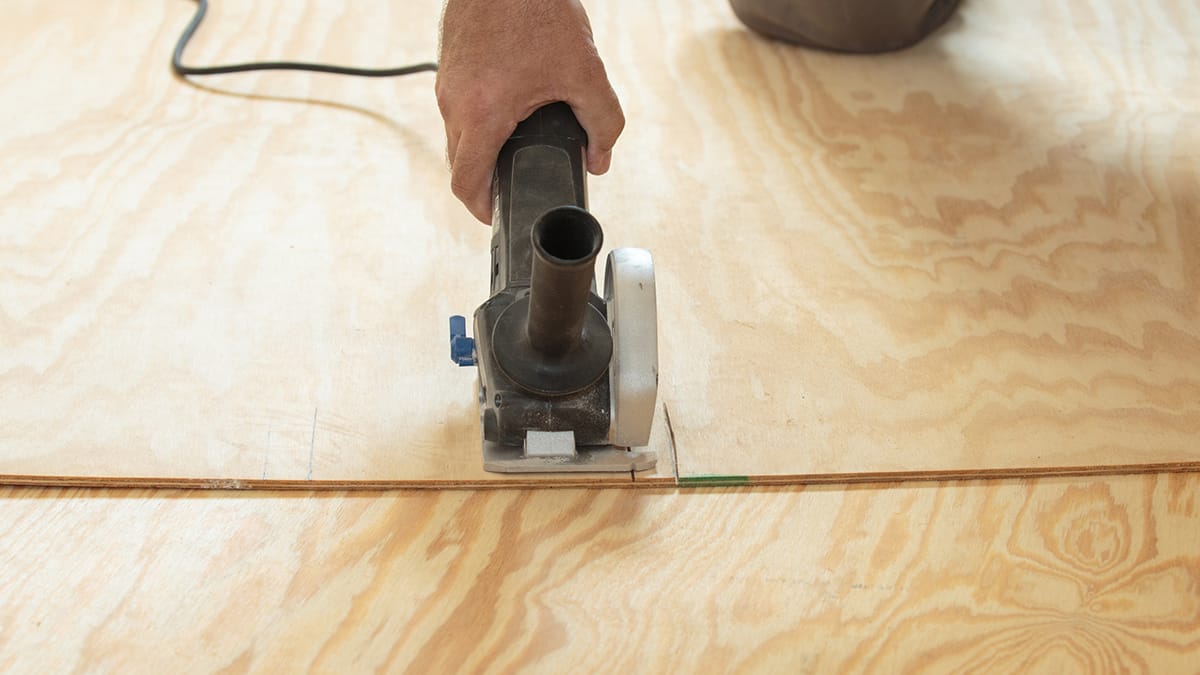
Plywood has many good points for subfloors. It makes a strong base for almost any floor. You can nail or glue flooring on plywood easily. Plywood stays flat and holds nails well. This helps your floor last longer and stay quiet. If plywood gets wet, it dries faster than osb. You do not worry as much about swelling or warping. You can use plywood in kitchens and bathrooms. It fights moisture better than osb. Premium plywood uses special glue to keep water out. This keeps your subfloor steady. Plywood is flexible, so you can install it in many ways. It matches with lots of flooring types.
Plywood is strong and fights water.
You can use plywood with engineered wood and pine.
Plywood stays flat and keeps your floor safe.
Tip: Pick good plywood for better strength and fewer problems.
Drawbacks of Plywood
You should know the bad sides of plywood before you start. Plywood can soak up water. This makes it swell, bend, or grow mold. If you use weak glue, your floor may come loose. Uneven plywood can make soft or bouncy spots. You might hear squeaks if plywood comes loose from joists. Water damage or stains show up in wet rooms. Plywood costs more than osb. Some types are harder to use.
Water can make plywood bend or move.
Bad glue can make your floor loose.
Gaps and overlaps make the base weak.
Some plywood is hard to install.
OSB Pros and Cons
You might pick osb because it costs less than plywood. OSB is strong and lasts a long time. Some types, like OSB/3 and OSB/4, fight water better. They have thick layers and strong glue. OSB uses less formaldehyde, which is better for nature. But osb swells at the edges when wet. This can cause problems later. Water resistance changes by grade, so pick carefully for wet rooms. OSB needs good air flow and protection outside. If you pick the wrong type, it can break down and cause health issues.
Pros of OSB in High-Moisture Environments | Cons of OSB in High-Moisture Environments |
|---|---|
OSB/3 and OSB/4 boards fight water better because of thick layers and strong glue. | Water resistance changes by grade, which matters in wet places. |
OSB is strong and works well for building. | Needs good air flow and protection outside. |
OSB is better for nature because it uses less formaldehyde. | Picking the wrong grade can make it weak and cause health problems. |
OSB swells at the edges after getting wet.
You need to pick the right type for wet rooms.
OSB is good for saving money on big jobs.
OSB needs extra care in wet places.
Cement and Fiber Cement Boards
Cement Board Strengths
You see cement board in many homes because it works well in wet places. You can use it in bathrooms, kitchens, and laundry rooms. Cement board gives you a solid base for tile. It resists water and keeps its shape when wet. You find these benefits make it a top choice for shower surrounds and backsplashes. Cement board also stands up to heavy use and does not break down easily. You get moderate fire resistance, which helps keep your home safe.
Main benefits of cement board for wet areas:
You install it in places with lots of moisture.
It works as a base for tile in kitchens and bathrooms.
It keeps its strength when exposed to water.
You use it for floors, walls, and ceilings in wet rooms.
It lasts a long time with little care.
You notice cement board supports heavy loads and resists mechanical damage.
Aspect | Cement Board | Fiber Cement Board |
|---|---|---|
High strength, good for heavy use | Can crack under heavy impact | |
Fire Resistance | Moderate | Some resistance, less than MgO |
Fiber Cement Board Advantages
Fiber cement board gives you many benefits over traditional cement board. You find it lighter, so you carry and lift it with less effort. This makes installation faster and safer. You see fewer injuries from lifting heavy boards. You can cut and fit fiber cement board easily, which helps with DIY projects. Fiber cement board resists water, rot, and bugs. You get a long-lasting subfloor that needs little maintenance.
Advantages of fiber cement board:
You handle it more easily because it weighs less.
You install it faster, saving time and energy.
You get strong resistance to water and pests.
You use it for many types of flooring, except floating floors.
You enjoy a durable subfloor that lasts for decades.
You notice fiber cement board offers some fire resistance, but it does not match MgO boards. You should know it may crack under heavy impact, which affects load-bearing capacity.
Thickness | Weight (lbs. per sq. ft.) | |
|---|---|---|
Gypsum Sheathing | 5/8″ | 2.5 |
PermaBASE Cement Board | 1/2″ | 2.9 |
PermaBASE Cement Board | 5/8″ | 3.65 |
Limitations of Cement-Based Boards
You need to think about the drawbacks before you choose cement-based boards. The weight of these boards makes transportation and installation harder. You must secure them properly, or you risk movement and cracks. You find that not all flooring types work with cement-based boards. Floating floors do not match well, which limits your options.
Common drawbacks of cement-based boards:
You deal with heavy boards that slow down installation.
You must use the right fasteners to avoid problems.
You cannot use them with every flooring type.
You may see cracks if boards are not installed correctly.
You face extra work moving and lifting these boards.
You see that fiber cement boards are heavier than some alternatives. You need to plan for extra help during installation.
Tip: Always check if your flooring matches cement-based boards before you start your project.
Concrete and Cork Subfloors
Concrete Subfloor Benefits
You get many benefits when you choose a concrete subfloor. Concrete lasts a long time and needs little care. You do not have to worry about replacing it often. Concrete has high thermal mass. This means it can store heat during the day and release it at night. Your home stays cooler in summer and warmer in winter. You use less energy for heating and cooling. This helps you save money on energy bills. Concrete also stands up to heavy use and does not wear out quickly.
Concrete subfloors last for decades with proper care.
You need less maintenance compared to other materials.
Concrete helps control indoor temperature by storing and releasing heat.
You can use concrete in basements, garages, and modern homes.
You should know the drawbacks too. Concrete feels hard and cold under your feet. Cracks can form if the base is not prepared well. You may need a professional to install or repair it.
Cork Subfloor Features
Cork subfloors offer unique features for your home. Cork comes from the bark of cork oak trees. The bark grows back, so cork is a renewable resource. You help the environment when you pick cork. Cork is also recyclable and supports a circular economy. You get natural insulation from cork. Your floors stay warm and quiet. Cork does not let mold or mildew grow. It is hypoallergenic, which means it is good for people with allergies.
Cork is soft and comfortable to walk on.
You enjoy less noise because cork blocks sound.
Cork helps lower your energy bills by keeping heat in.
You can recycle cork when you replace your floor.
Cork has some drawbacks. Heavy furniture can dent it. It does not resist water as well as concrete. You may need to reseal cork every few years to keep it looking good.
Best Uses for Concrete and Cork
You can use concrete and cork subfloors in many types of projects. The table below shows where each material works best:
Benefit | Description |
|---|---|
Sustainability | Cork is renewable and lowers your carbon footprint. |
Insulation | Cork keeps your home warm and quiet. |
Durability | Concrete lasts for decades and resists heavy use. |
Fire Resistance | Both materials add safety to your home. |
Moisture Resistance | Concrete stops water damage. Cork helps prevent mold. |
Green Building Certifications | Cork and concrete can help you earn green building points. |
Aesthetic Value | Both offer unique looks for modern homes. |
You get the most benefits from concrete in basements, garages, and high-traffic areas. Cork works well in bedrooms, playrooms, and places where you want comfort and quiet. You should think about the drawbacks of each material before you decide.
Subfloor Alternatives vs. MgO Board Subfloor
Durability Comparison
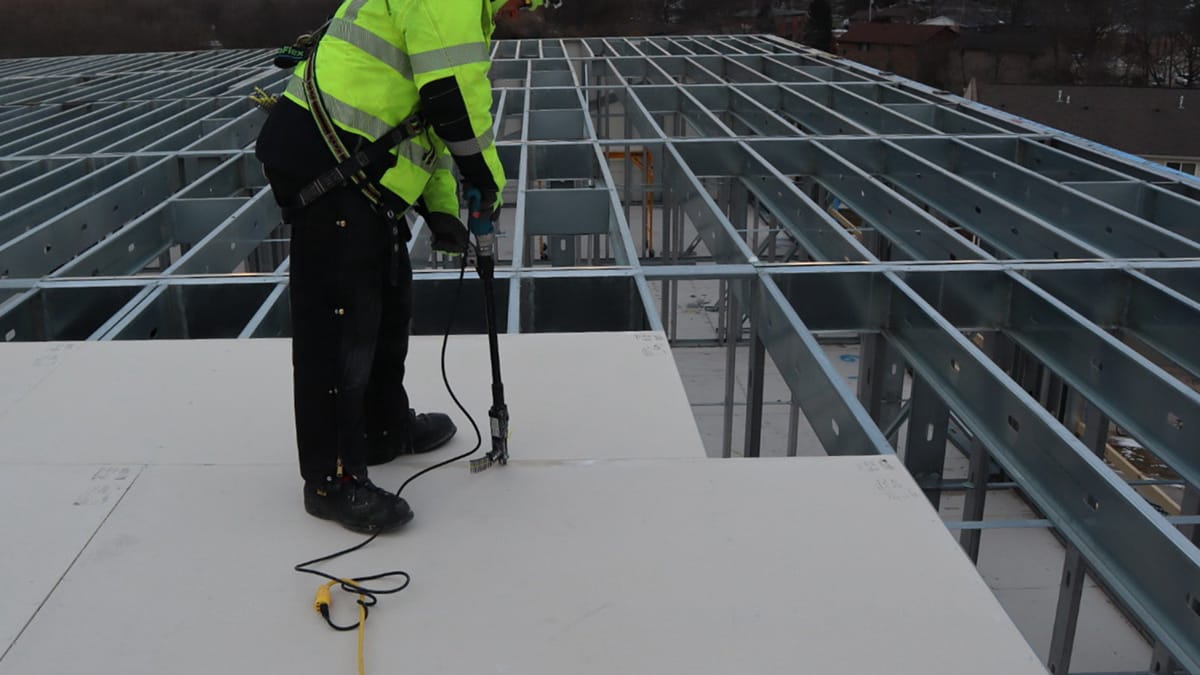 Durability Comparison
You want your subfloor to last for many years. MgO board subfloor stands out in durability tests. You see that mgo boards can handle heavy weight without bending. They do not swell when exposed to water. You can use mgo board subfloor in wet rooms and high-traffic areas. These panels resist impact, bending, and freezing. Mold and mildew do not grow on mgo boards because of their high alkalinity.
Other subfloor options like plywood and OSB work well in dry rooms. Concrete lasts for decades but can crack if not installed right. Fiber cement and cement boards resist water but may crack under heavy loads. Cork feels soft and quiet but dents easily.
MgO board subfloor: Best for wet, busy spaces.
Plywood/OSB: Good for dry, low-traffic rooms.
Concrete: Great for basements and garages.
Cork: Best for bedrooms and playrooms.
Fire and Moisture Resistance
You need a subfloor that keeps your home safe. Mgo boards do not burn easily. They resist fire better than plywood or OSB. You also get strong moisture resistance. Mgo board subfloor does not swell or rot in wet places. Cement board and concrete also resist fire and water. Cork and OSB do not handle water or fire as well. If you want water-resistant options, mgo boards and cement board work best.
Tip: Use mgo board subfloor in bathrooms, kitchens, and laundry rooms for extra safety.
Cost and Installation
You want to know how much time and money you will spend. Mgo board subfloor costs more than OSB or plywood. You may need special tools and more time to install mgo boards. The panels are heavy and need careful handling. Gypsum boards cost less and install faster because they are lighter.
Material | Installation Time | |
|---|---|---|
Gypsum Boards | Lower | Faster |
MgO Boards | Higher | Slower |
Plywood and OSB are easy for most people to install. Concrete needs a professional. Cork tiles go in quickly but need resealing.
Eco-Friendliness
You may want eco-friendly subfloors for your home. Mgo board subfloor uses natural minerals and does not release harmful chemicals. You can recycle mgo boards. Cork is a top eco-friendly choice because it comes from renewable bark. Concrete and fiber cement use a lot of energy to make, but they last a long time. OSB uses wood scraps, which helps reduce waste.
Eco-friendly subfloors: Cork, mgo boards, OSB.
Best uses for mgo subfloor boards: Wet rooms, basements, and places that need fire safety.
Benefits of mgo subfloor boards: Long life, mold resistance, and safety.
Drawbacks of mgo subfloor boards: Higher cost and harder installation.
Note: You help the planet when you pick eco-friendly materials.
Choosing the Right Subfloor Alternative
Assessing Project Needs
You start by thinking about what your project needs. Every room in your home has different demands. You want a subfloor that supports your daily life. Ask yourself these questions:
Do you need a subfloor for a wet area like a bathroom?
Will heavy furniture sit on your subfloor?
Do you want a quiet space or a warm floor?
Write down your answers. This helps you pick the right subfloor. You may need strength, water resistance, or comfort. Your project size also matters. Large rooms may need a subfloor that installs quickly.
Tip: Make a checklist for your subfloor needs before you shop.
Matching Material to Environment
You match your subfloor to the room’s environment. Wet rooms need a subfloor that resists water. Dry rooms let you use more types of subfloor. Bedrooms and playrooms work well with cork subfloor. Garages and basements need concrete subfloor for strength. Kitchens and laundry rooms do best with cement board or fiber cement board.
Room Type | Best Subfloor Choice |
|---|---|
Bathroom | Cement board, concrete |
Bedroom | Cork |
Garage | Concrete |
Kitchen | Fiber cement board |
You look at how much moisture, traffic, and weight your subfloor will face. Pick a subfloor that matches these needs.
Balancing Budget and Performance
You want a subfloor that fits your budget and works well. Some subfloor options cost more but last longer. OSB saves money on big projects. Plywood gives you strength but costs more. Concrete subfloor lasts for decades but needs a pro to install. Cork subfloor feels soft and warm but may need resealing.
Compare prices for each subfloor.
Think about how long each subfloor will last.
Check if you can install the subfloor yourself.
Note: Spending a little more on your subfloor can save you money on repairs later.
You balance cost, durability, and ease of installation. This helps you choose the best subfloor for your home.
You need a subfloor that works for you and lasts long. Every material has good and bad sides. You should think about your room, budget, and project before picking.
Look at how strong, cheap, and easy to install each one is.
Ask for samples or talk to a flooring pro.
Go to stores nearby and check out the materials.
Tip: You choose better when you ask questions and learn more.
FAQ
What is the best subfloor for wet areas?
You should use cement board or concrete in wet areas. These materials resist water and mold. You get a strong base for tile and other flooring. Cement board works well in bathrooms and laundry rooms.
Can you install plywood subfloor by yourself?
You can install plywood subfloor with basic tools. You need a saw, hammer, and nails. Always measure your space before cutting. Ask a friend to help move heavy sheets.
Is cork subfloor good for bedrooms?
Cork subfloor works well in bedrooms. You get a quiet and warm floor. Cork blocks sound and feels soft under your feet. You help the environment when you choose cork.
How do you protect OSB from water damage?
You should seal OSB edges with waterproof paint or tape. Use a vapor barrier under OSB in wet rooms. Always follow the manufacturer’s instructions for best results.
Which subfloor is most eco-friendly?
Cork and OSB are top eco-friendly choices. Cork comes from renewable bark. OSB uses wood scraps and reduces waste. You support green building when you pick these materials.