
09 Dec Everything You Need to Know About MgO Board Subfloors in 2025
You might ask, what is mgo board subfloor? This kind of subfloor uses magnesium oxide as its main part. In 2025, builders and people who own homes pick mgo board for subfloors because it has special benefits over old materials.
It stops mold and mildew, so air inside is cleaner.
It gives good fire safety because it does not burn.
It stays tough and strong, even when things get rough.
It helps your house stay warm with great thermal insulation.
It can be recycled, so it is a good eco-friendly choice.
Key Takeaways
MgO board subfloors stop mold and fire. This makes them safe for homes. These panels are strong and last a long time. They can last up to 100 years. This means you do not need many repairs. MgO boards are good for the environment. They do not have bad chemicals. They help keep indoor air clean. Installing them is easy. You must use the right steps to stop cracks. Pick MgO subfloor panels for busy and wet places. This helps them work well for a long time.
What Is MgO Board Subfloor?
Composition and Structure
You might ask what mgo board subfloor is and how it helps your house. Magnesium oxide board is the main part of mgo subfloor panels. These panels use strong and safe materials together. This makes a subfloor that can handle fire, water, and lots of use.
Here are the main parts of mgo subfloor panels and what each does:
Component | Contribution to Properties |
|---|---|
Magnesium Oxide (MgO) | Gives fire resistance and strength; helps the board last. |
Magnesium Chloride (MgCl2) | Holds the board together and makes it stable. |
Perlite | Makes the board lighter and helps keep heat in. |
Wood Fiber | Makes the board stronger and able to bend. |
Vermiculite | Helps the board resist fire and heat. |
Glass Mesh | Makes the board tougher and helps it last longer. |
Magnesium oxide board gives your floor a strong and safe base. Perlite and vermiculite keep the panels light but tough. Wood fiber and glass mesh help the board bend and not crack. This means your subfloor lasts longer and keeps your home safe.
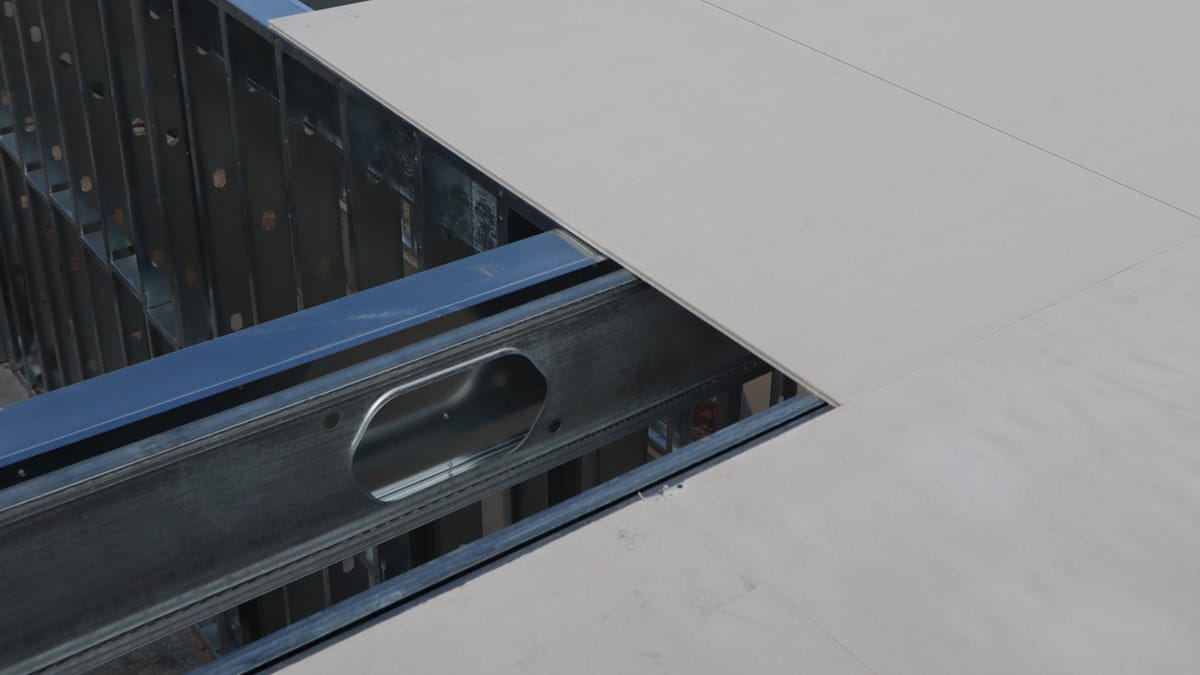
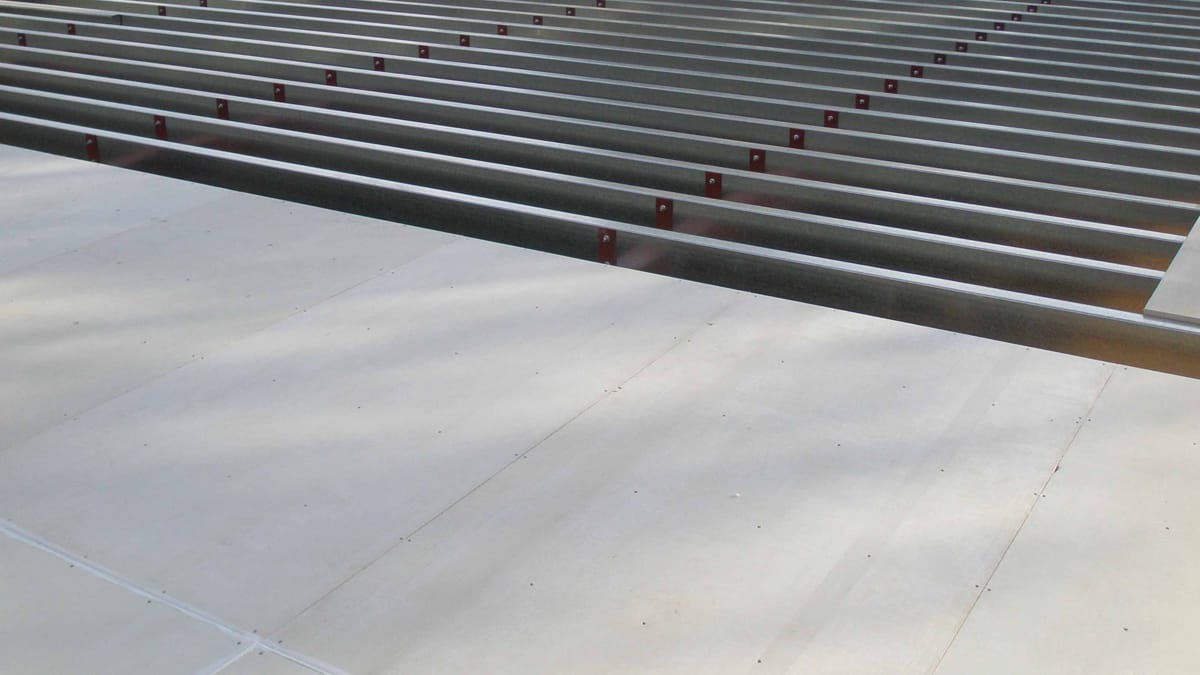
You can put mgo subfloor panels right on joists spaced 24 inches apart. Other materials, like gypsum underlayment, need a solid base and get weak when wet. Magnesium oxide board stays strong and does not bend or rot, even in wet places like bathrooms or kitchens. You get better protection from water and fire with mgo subfloor panels.
How MgO Subfloor Panels Are Made
You may wonder how mgo subfloor panels are made. First, workers mix magnesium oxide, magnesium chloride, and other important parts. They pour this mix into molds and add wood fiber and glass mesh layers. The panels dry and get hard, making a strong magnesium oxide board.
Manufacturers follow strict rules to make sure each mgo board is safe. The industry uses Product Category Rules to check the board’s impact on the environment. You get mgo subfloor panels that pass tests for strength, fire safety, and water protection.
Here is what makes the process special:
The mgo industry works to meet U.S. building codes for safety.
Product Category Rules help check how each board affects the environment.
Standards test the mix and how well mgo subfloor panels work.
Outside groups check the panels to make sure they follow all rules.
Magnesium oxide board is special because it does not burn and stays strong. Builders use mgo subfloor panels in big buildings for extra safety. You get a subfloor that lasts, resists fire, and keeps your home dry.
Tip: If you need a subfloor for wet or busy areas, mgo board is a safe and strong choice.
MgO Subfloor Panels: Key Properties
 Fire and Moisture Resistance
 Fire and Moisture Resistance
You want your subfloor to keep your home safe. MgO subfloor panels protect against fire and water. These panels do not burn easily. They are a top pick for fire safety. MgO subfloor panels meet strict rules for fire protection. You can see how they work in the table below:
Test Name | Rating/Result | Duration/Notes |
|---|---|---|
ASTM E84 | Class A (no flame spread) | Zero flame spread, minimal smoke |
ASTM E119 | Up to 120 minutes | Effective for walls and ceilings |
EN 13501-1+A1:2010 | A1 non-combustible rating | Highest level for fire resistance |
These fire-rated panels help keep your home safe. MgO subfloor panels stop flames from spreading. They help you follow building codes for fire safety.
MgO subfloor panels also resist water. They do not soak up moisture. This makes them great for bathrooms and kitchens. The table below shows how they compare to other materials:
Material | Moisture Resistance |
|---|---|
MgO Panels | High moisture resistance, does not absorb water, ideal for humid areas. |
Plywood | Prone to moisture absorption and wicking. |
OSB | Similar to plywood, absorbs moisture due to glues used. |
You can use MgO subfloor panels in wet places. You do not have to worry about mold or rot. Their moisture resistance helps your subfloor last longer and keeps your home healthy.
Note: MgO subfloor panels work well in wet and busy areas because they resist fire and water.
Strength and Durability
You need a subfloor that stays strong. MgO subfloor panels are tough and last a long time. These panels have high compressive strength. Standard 9mm panels reach 14 MPa. 12mm boards reach about 13.7 MPa. Gypsum boards only reach 3 to 6 MPa. MgO subfloor panels can handle heavy loads and daily use.
MgO subfloor panels keep their shape and strength. They resist fire, water, and pests. Plywood can burn and get ruined by termites. MgO board stays strong. Magnesium oxide flooring lasts for years without losing strength.
MgO subfloor panels are very durable and resist fire, water, and pests.
Plywood is less durable and can burn or get damaged by termites.
You can use MgO flooring in busy places like hallways and kitchens. MgO subfloor panels are a great choice for homes that need strong floors.
Eco-Friendliness and Safety
You care about the planet and your health. MgO subfloor panels help protect both. These panels meet top green certifications:
Certification/Standard | Description |
|---|---|
LEED | Helps achieve environmental credits in green building projects. |
BREEAM | Meets stringent green building standards for eco-friendliness. |
Carbon-negative | Supports sustainability in construction. |
Non-toxic composition | Ensures safety and eco-friendliness in use. |
MgO subfloor panels do not have harmful chemicals. They do not have formaldehyde or VOCs. Your indoor air stays clean. MagPanel and other brands use natural materials. There is no off-gassing or toxic binders. Magnesium oxide flooring is free of asbestos and other toxins. MgO board is safe for your family and the earth.
MgO boards do not have formaldehyde or VOCs.
They are free of asbestos and other toxins.
These panels do not pollute indoor air.
You help the planet when you pick MgO subfloor panels. Their safe and green features make them a smart choice for building.
Sound and Impact Resistance
You want your home to be quiet and comfy. MgO subfloor panels help block noise and absorb impacts. These panels have a sound transmission class (STC) rating of 50 to 54. This means they block sound between rooms and floors. Your home is quieter with less noise from footsteps or voices.
DragonBoard panels have an STC rating of 53 to 54.
EXACOR panels have an STC rating of 50 without extra sound mats.
MgO subfloor panels also resist impacts. They are light and strong. They do not crack or break easily. You can use magnesium oxide flooring in busy areas. These panels are tougher than gypsum drywall. They are lighter than cement boards, so they are easier to install.
Material | Impact Resistance | Durability | Weight |
|---|---|---|---|
MgO Panels | High | High | Lightweight |
Gypsum Drywall | Moderate | Moderate | Lightweight |
Cement Boards | High | High | Heavy |
You get a subfloor that stands up to daily use and keeps your home quiet. MgO subfloor panels are perfect for busy families and active spaces.
Tip: Pick MgO subfloor panels for places where you need strong, quiet, and long-lasting floors.
Advantages and Drawbacks of MgO Board
Main Benefits
 Main Benefits
You want a subfloor that is strong and safe. Mgo subfloor panels help your home last a long time. Magnesium oxide flooring is very tough. You can use mgo flooring in busy places like kitchens. It works well in hallways too. The panels do not get damaged by water. They also stop mold and fire. These features make mgo board great for wet rooms.
Mgo subfloor panels are the strongest choice for subfloors.
You save money because mgo flooring needs little care.
The panels resist water, mold, and fire, so they stay strong.
Mgo board is lighter than some other boards, so shipping costs less.
You pay less for labor since mgo flooring is easy to put in.
Magnesium oxide flooring lasts in busy and wet places.
The panels keep out water, so your home stays healthy.
You can use mgo board where you need extra strength. The mgo board lasts a long time and needs fewer repairs. It is very tough and resists damage. Mgo flooring works with many finishes, especially in bathrooms. The panels do not soak up water, so magnesium oxide flooring is safe and lasts.
Tip: Pick mgo subfloor panels for places that need strong and water-resistant floors.
Potential Limitations
You should know the downsides before you choose mgo board. Some people say it costs more and is hard to find. The table below lists common problems:
Drawback | Description |
|---|---|
Cost | Costs more than OSB or plywood. |
Availability | Not easy to find, which can slow building. |
Installation Issues | If installed wrong, it can crack or not work well. |
Mgo subfloor panels can be heavy and hard to move alone. The boards might crack if you drop them. Some brands are better than others. You need to drill holes first to stop cracks when installing. Sometimes, you wait weeks for mgo board to arrive. Mgo flooring costs more than regular boards.
Magnesium oxide flooring does not get damaged by water or mold, but you must install it right. If you do not follow steps, the subfloor can crack or lose its strength. Most finishes work well with mgo flooring, especially in wet rooms. You get safe and strong magnesium oxide flooring, but you need to plan for delivery and putting it in.
Note: Always check the brand and follow steps to make mgo subfloor panels last.
MgO Board vs. Other Subfloor Materials
Plywood Comparison
 Plywood Comparison
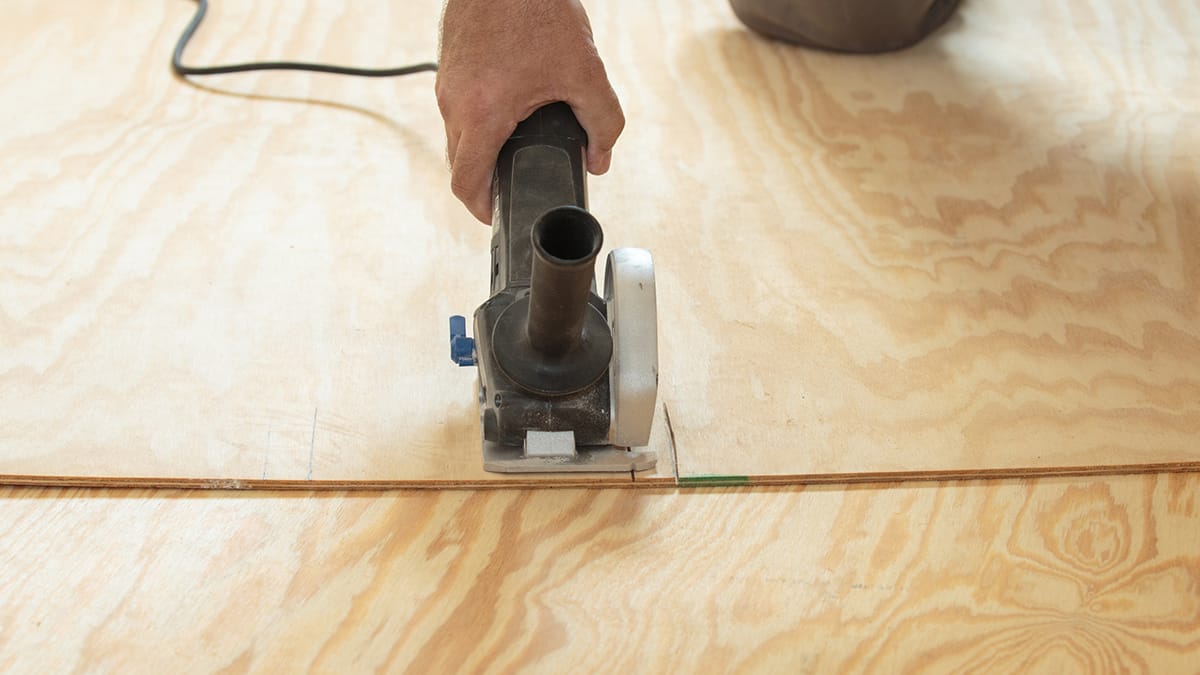
You often see plywood used for subfloor projects. Plywood costs less than mgo subfloor panels. In 2025, mgo board costs $4 to $12 per square foot, while plywood costs $3 to $10 per square foot. You pay more for mgo flooring, but you get better fire and water protection. Plywood absorbs moisture and can swell or rot. Magnesium oxide flooring stays strong and does not soak up water. You need less maintenance with mgo subfloor panels.
Subfloor Material | Cost (per sq. ft.) |
|---|---|
MgO Board | $4 – $12 |
Plywood | $3 – $10 |
You spend more time installing mgo subfloor panels. The process needs patching and skimming. You use corrosion-resistant screws and adhesives. Plywood installs faster and needs less prep work. If you want a subfloor that lasts and stays resistant to fire and water, mgo board is the better choice.
OSB Comparison
OSB is another common subfloor material. You save money with OSB, but it does not last as long as mgo flooring. OSB swells and holds water. It loses strength after wet and dry cycles. Mold grows on OSB, but mgo subfloor panels do not allow mold. Magnesium oxide flooring keeps its strength and lasts up to 100 years.
Material | Moisture Resistance | Strength Retention After Wet/Dry Cycles | Mold Resistance | Longevity |
|---|---|---|---|---|
MgO Board | Excellent (0.34% water absorption) | Almost all strength retained after 25 cycles | No mold growth | Up to 100 years |
OSB Panel | Poor (swells and holds water) | Loses strength after wet/dry cycles | Prone to mold | Shorter lifespan than MgO |
You get better fire resistance and durability with mgo subfloor panels. Magnesium oxide flooring works well in high-traffic areas. OSB is cheaper, but you spend more on repairs and replacements.
Tip: Choose mgo flooring for busy spaces and wet rooms. You get a subfloor that is resistant to water and fire.
Cement Board Comparison
Cement board is heavy and hard to move. You use cement board for wet areas, but mgo subfloor panels weigh less. Both have the same thickness, but mgo board weighs 9–12 kg per square meter, while cement board weighs 18–20 kg. Magnesium oxide flooring is easier to install.
Board Type | Typical Weight per m² | Thickness |
|---|---|---|
MgO Board | 9–12 kg | 10mm |
Cement Board | 18–20 kg | 10mm |
MgO subfloor panels offer better fire and moisture resistance. Cement board needs extra treatments to match mgo board’s fire rating. Magnesium oxide flooring lasts over 30 years in wet conditions. Cement board can deform if it stays wet too long.
Property | MgO Board | Cement Board |
|---|---|---|
Fire Resistance | Excellent; does not burn, withstands high heat, meets ASTM E119 | Good; requires treatments to match MgO boards |
Moisture Resistance | Excellent; lasts over 30 years in wet conditions, resists mold | Moderate; can deform if wet for too long, varies by manufacturing method |
You get a lighter, more resistant, and longer-lasting subfloor with mgo flooring.
Applications, Installation & Maintenance
Where to Use MgO Board Subfloor
You can use mgo subfloor panels in many places. These panels work well in homes, schools, hospitals, and offices. You see mgo flooring in kitchens, bathrooms, laundry rooms, and entryways. Builders use mgo board for sub-flooring in high-traffic areas because it stays strong. You also find mgo subfloor panels in commercial buildings where safety matters. The table below shows common applications for mgo subfloor panels:
Area | Reason for Use |
|---|---|
Kitchens | Moisture resistance, easy cleaning |
Bathrooms | Stops mold, resists water |
Hallways | Handles heavy foot traffic |
Hospitals | Safe, non-toxic, easy to maintain |
Schools | Durable, quiet, long-lasting |
You get a safe and tough floor underlayment subfloor when you choose mgo board. Mgo flooring works with many types of floor underlayment, including tile, vinyl, and hardwood.
Installation Steps
You want a smooth installation process for your mgo subfloor panels. Follow this installation guide for sub-flooring to get the best results:
Measure and cut mgo subfloor panels to fit your space. Make sure the edges are clean for tight seams.
Place the panels on the joists and secure them with special screws. Space the screws 8 to 12 inches apart.
Leave a small gap of 3 to 5 mm between panels. This lets the mgo flooring expand and contract.
Check the level of the subfloor with a tool to make sure it is even.
Add your top layer, such as tile, vinyl, or hardwood, over the mgo subfloor panels.
Tip: Do not over-tighten screws. Seal all seams to stop water from getting in. Use flexible sealant for a smooth finish.
Maintenance Tips
You keep your mgo flooring strong by following simple steps. Mgo subfloor panels need little care because they resist water and mold. Here are easy ways to maintain your subfloor and underlayment:
Inspect mgo subfloor panels once or twice a year for cracks or chips.
Clean the surface with a damp cloth or mild soap. Avoid harsh cleaners.
Check seams and joints for wear. Repair with joint compound and sand smooth.
In wet areas, apply primer or waterproof sealant every few years.
Make sure your floor underlayment stays dry and clean.
You get a long-lasting subfloor when you follow these tips. Mgo board and mgo flooring help your home stay safe and strong for years.
Mgo flooring is great because it does not burn. It also keeps out water and stays strong for a long time. This makes it safe and good for the planet. You can use it in places that get wet or have lots of people. If you want to know if mgo flooring is right for you, look at this table:
Factor | Description |
|---|---|
Certifications and Quality | Check for ISO, CE, or ASTM to make sure it works well. |
Durability and Strength | See if mgo flooring is tough enough for your needs. |
Environmental Impact and Sustainability | Pick mgo flooring if you want a healthy and green building. |
Supplier Reliability and Support | Find a supplier who gives good help and delivers fast. |
If you want a subfloor that lasts and keeps your home safe, mgo flooring is a smart pick for 2025. It also helps the planet and works well in busy or wet places.
FAQ
How do you cut MgO board subfloor panels?
You use a carbide-tipped saw blade for clean cuts. Wear a mask to avoid dust. Mark your measurements with a pencil. Cut slowly to keep the edges smooth.
Can you install MgO board over old subfloors?
You can install MgO board over plywood or concrete. Make sure the old subfloor is dry and flat. Remove loose material before you start. Use screws for a secure fit.
Is MgO board safe for people with allergies?
MgO board does not contain formaldehyde or VOCs. You get clean indoor air. People with allergies or asthma can feel safe using MgO board in their homes.
What flooring types work with MgO board subfloors?
You can use tile, vinyl, laminate, or hardwood over MgO board. The surface stays flat and strong. Most flooring adhesives stick well to MgO board.
How long does MgO board subfloor last?
MgO board subfloor can last up to 100 years. You get strong protection from water, fire, and pests. Regular checks help keep your subfloor in good shape.