
03 Dec MGO Flooring Pros and Cons You Need to Know in 2025
You want a floor that stands up to fire, lasts for years, and keeps your home healthy. Mgo flooring checks those boxes. It handles heat and daily wear better than most options. You also get peace of mind because magnesium oxide flooring is eco-friendly and safe for your family. Some drawbacks exist, though. You will pay more upfront and need proper installation, especially if moisture is a concern. Think about your project and what matters most before making your choice.
Key Takeaways
MGO flooring does not burn easily. It keeps your home safe. You can feel calm knowing this.
This flooring is strong. It does not break or wear out fast. It works well in busy places like schools. It is also good for hospitals.
MGO flooring is good for the planet. It uses natural things. It does not let out many bad chemicals. This helps keep the air inside healthy.
MGO flooring costs more at first. But it lasts a long time. It keeps you safe, so it is worth it.
You must control moisture with MGO flooring. Install it the right way. This stops it from bending or getting ruined by water.
What Is MGO Flooring
Definition
You may wonder how magnesium oxide flooring is not like other floors. This type of flooring uses a mix of special things. The main part is magnesium oxide, which comes from rocks and minerals. Makers add magnesium chloride, perlite, fiberglass mesh, and wood pulp. All these parts make a board that is strong and does not burn easily. This floor can handle heat, water, and lots of use.
Here’s a quick chart to show how magnesium oxide flooring is different from other floors:
Material | Composition | Key Properties |
|---|---|---|
MgO, MgCl₂, perlite, fiberglass mesh, wood pulp | Fire resistant, moisture resistant, structural strength | |
Plywood | Wood fibers | Susceptible to moisture, warping, fire hazards |
Cement Board | Cement, aggregates | Heavy, labor-intensive installation, fire-resistant |
OSB | Oriented strand board | Affordable, lacks durability, deteriorates in humidity |
How It’s Made
You might want to know how magnesium oxide flooring is made. First, workers get all the raw materials ready. They mix magnesium oxide, magnesium chloride, and other things together. Then, they shape the mix into boards. The boards need time to harden. After that, workers take the boards out of their molds. The boards sit again to get even stronger. Some boards get soaked in water to wash out extra stuff. At the end, the boards dry and get cut to the right size.
Here are the steps in order:
Material Mixing
Board Forming
Curing Phase I
Demolding
Curing Phase II
Soaking (for some boards)
Drying
Cutting
This way, you get magnesium oxide flooring that is strong and ready for many jobs.
Common Uses
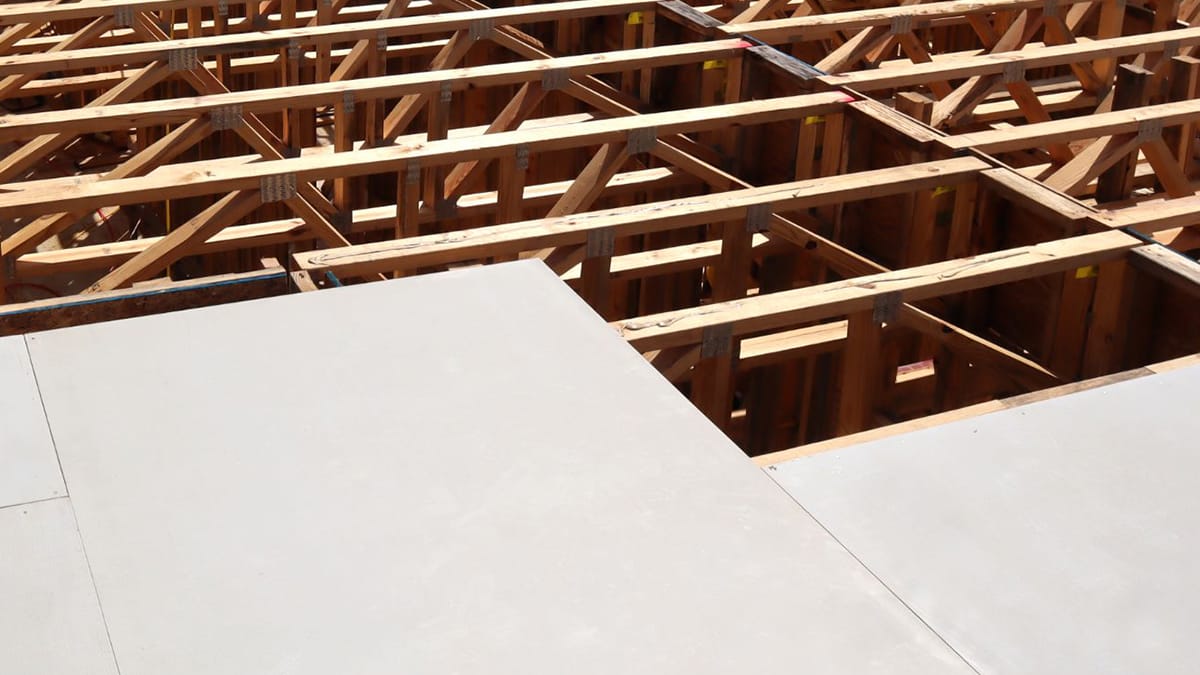
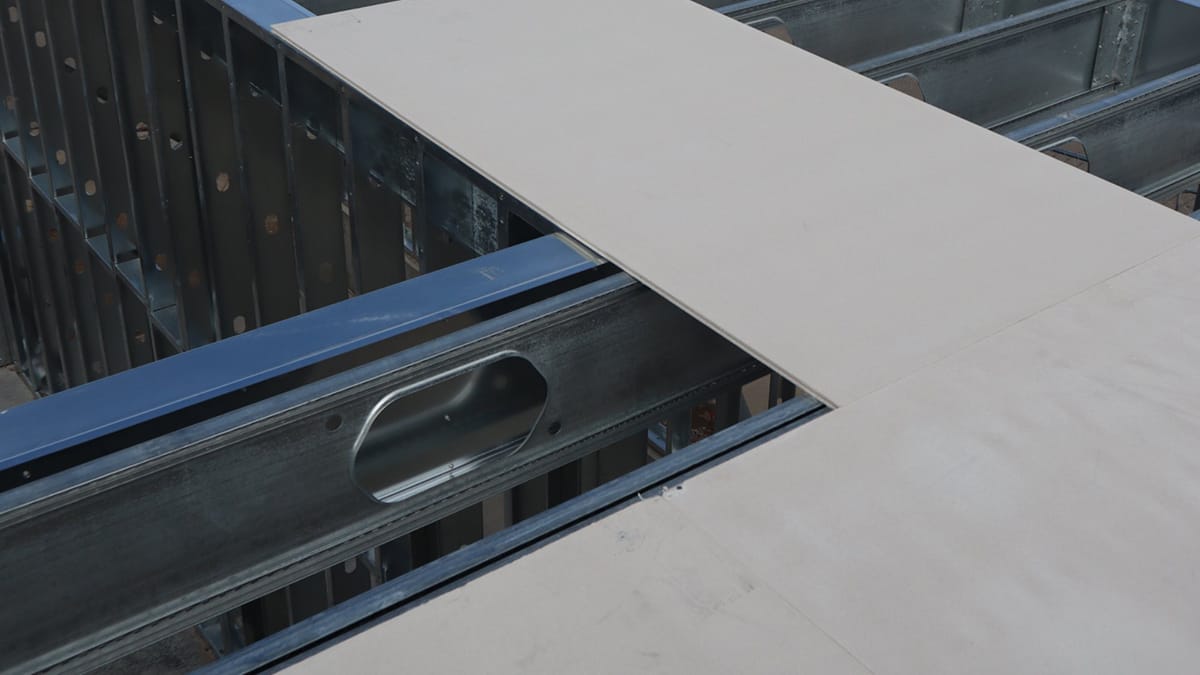
You can put magnesium oxide flooring in lots of places. It works in houses, offices, and even factories. People use it for walls that split rooms, ceilings that hang down, and outside wall designs. You also see it in layers that keep heat in and in inside wall systems. Builders use it for floors above ground and for roof covers. Magnesium oxide flooring is good for keeping steel buildings safe from fire. Furniture makers use it for doors, counters, and cabinets that do not burn easily. Light steel buildings use it for floors and ceilings too.
Here’s a chart that shows where you might see magnesium oxide flooring:
Building Type/Project | Description |
|---|---|
Internal divisions in buildings | |
Suspended Ceilings | Used in homes and offices |
External Wall Decoration | Improves building appearance |
Thermal Insulation Layer | Boosts energy efficiency |
Internal Partition Systems | Flexible room layouts |
Overhead Floor Structures | Structural support in multi-story buildings |
Roof Siding | Protects and strengthens roofs |
Fireproofing | Safety in steel structure buildings |
Furniture Manufacturing | Fireproof doors, counters, cabinets |
Light Steel Assembled Buildings | Floors and ceilings in lightweight structures |
Magnesium oxide flooring gives you a safe and strong choice for many building jobs. You can feel good about your floor because it lasts a long time.
MGO Flooring Advantages
Fire Resistance
You want a floor that keeps your home safe. Magnesium oxide flooring is great because it does not burn easily. It is much better than other floors in fire tests. You get more time to get out if there is a fire. The table below shows how magnesium oxide flooring does in fire tests:
Test Standard | Fire Resistance Rating | Duration/Notes |
|---|---|---|
ASTM E84 | Class A | No flame spread, minimal smoke |
ASTM E119 | Up to 120 minutes | Effective for walls and ceilings |
EN 13501-1+A1:2010 | A1 non-combustible | Highest level for not burning |
Magnesium oxide flooring does not catch fire fast. You can see how it compares to other boards in this chart:
Material | Fire Resistance Rating |
|---|---|
MgO Board | Noncombustible, 1-2 hours of fire resistance |
Gypsum Board | Needs treatments for high fire ratings |
Cement Board | Fire-resistant but less effective than MgO |
If you care about fire safety, magnesium oxide flooring is a good choice.
Durability
You want your floor to last a long time. Magnesium oxide flooring is strong and tough. It can hold heavy things and does not break easily. Here are some reasons why magnesium oxide flooring is a good pick:
It is strong for its weight and supports more.
It works well in busy places or with heavy furniture.
It is better than plywood and OSB for impacts.
It keeps its shape in tough places.
Magnesium oxide flooring is heavier than plywood. You need to be careful when moving it. But it stays strong for many years. If you want a floor that does not crack, magnesium oxide flooring is smart.
Eco-Friendly
You want to help the planet. Magnesium oxide flooring is good for green building. Many products get top awards for being eco-friendly. Here is a table with some eco-labels:
Certification | Product Type | Manufacturer |
|---|---|---|
FloorScore® | Bamboo Flooring | Ambient Bamboo Products Inc. |
LEED | Eucalyptus Flooring | Ambient Bamboo Products Inc. |
EPD | MAXTERRA® MgO Panel | MAXTERRA® |
Magnesium oxide flooring uses minerals from nature. It does not let out bad chemicals. You help the earth when you pick magnesium oxide flooring. You also make your home healthier.
Health Benefits
You want a healthy home for your family. Magnesium oxide flooring helps keep the air clean. It does not release VOCs, which can make people sick. Here are some facts:
Evidence | Description |
|---|---|
Low VOC Emissions | Magnesium oxide flooring has almost zero VOC emissions for 14+ years. |
Indoor Air Quality Tests | Passed strict tests like FloorScore® and CARB Phase II. |
Mold and Mildew Resistance | Resists mold and mildew, keeping your air clean. |
Magnesium oxide flooring helps stop allergies.
It does not let mold grow because it resists water.
You can breathe easier and feel better at home.
Magnesium oxide flooring helps you make a safe and healthy place for your family.
Underfloor Heating Suitability
You want every room to feel warm and cozy. Magnesium oxide flooring works well with underfloor heating. It lets heat move through it easily. Your feet feel warm and your room heats up fast. Make sure you choose magnesium oxide flooring that is made for underfloor heating. You get a comfy home and save energy.
Magnesium oxide flooring gives you fire safety, strength, eco-friendly features, health benefits, and works with underfloor heating. These good points make it a great choice for many projects.
MGO Flooring Disadvantages
Cost
You may see that magnesium oxide flooring costs more than other floors. The price can be a shock if you compare it to laminate or vinyl. You pay extra for fire safety, strength, and being eco-friendly. The first cost is not just the boards. You also need special glue and skilled workers. If your space is big or your budget is small, this matters a lot.
Tip: Think about saving money over time. Magnesium oxide flooring lasts longer and needs fewer fixes. This can help make up for the higher price at the start.
Moisture Issues
Water can cause big problems for magnesium oxide flooring. If water gets under the boards or into the floor below, you might see warping or cracks. This happens more in basements, bathrooms, or damp places. You need to keep things dry and follow the right steps when putting it in.
Here are some common problems from moisture:
Failure Type | Description |
|---|---|
Warping | Floorboards that warp due to moisture accumulation. |
Cracking | Wall panels that crack along joints or edges. |
Hairline Cracks | Ceilings showing hairline cracks after environmental stress. |
You could also have these issues:
Warping and buckling if wood floors move from wetness.
Mold and mildew if water stays too long.
Glue problems that make the floor come up.
To help stop these problems, you can use special tools and materials:
Measure Type | Description |
|---|---|
Moisture Mitigation Systems | Systems designed to limit moisture impact on flooring, acting as insurance against moisture issues. |
Vapor Retarders | Layers placed between subgrade and concrete to prevent moisture migration. |
Surface Membranes | Applied layers that reduce permeability between subfloors and final flooring applications. |
Adhesives | Special adhesives that can withstand higher moisture levels, providing a proactive solution. |
Moisture Testing | Testing for accurate moisture levels in the subfloor to ensure readiness for flooring installation. |
Note: Always check the floor below for water before you put in magnesium oxide flooring. This step can save you from big problems later.
Limited Designs
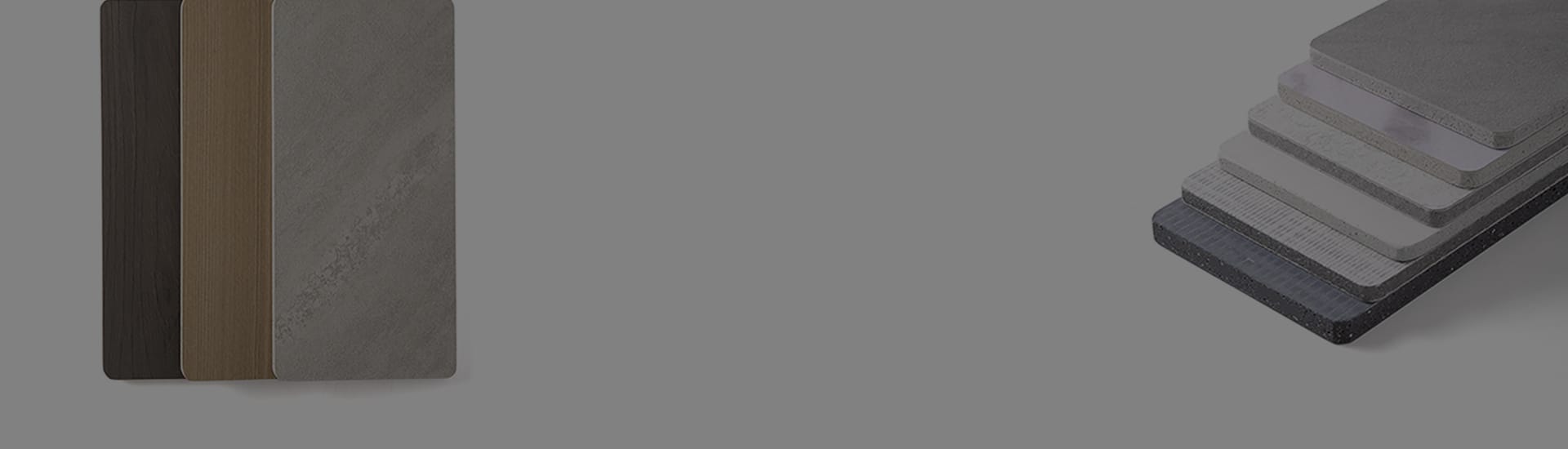
You may want a floor that fits your style. Magnesium oxide flooring does not have as many colors or patterns as wood, tile, or vinyl. Most boards are gray, white, or beige. You can paint them or add a finish, but you will not get lots of choices. If you want a bold or special look, you might feel stuck.
Most magnesium oxide flooring looks simple and modern.
You can use rugs or paint, but the main look stays plain.
If you want wood or stone looks, you may need something else.
Maintenance
You want a floor that is easy to care for. Magnesium oxide flooring does not need much work, but you still need to watch it. Clean it with a damp cloth and do not use strong cleaners. Check often for cracks, chips, or loose parts. If your floor gets a lot of use, you may need to repaint or reseal it to keep it safe.
Here are some easy things to do:
Clean with a damp cloth. Do not use rough cleaners.
Look for cracks, chips, or loose parts.
Repaint or reseal if the floor gets wet or used a lot.
Let’s see how magnesium oxide flooring compares to other floors:
Flooring Type | Maintenance Frequency | Notes |
|---|---|---|
MGO Flooring | Minimal maintenance | Surfaces should be kept dry and inspected regularly for damage. |
Hardwood | Higher maintenance | Requires prompt cleaning of spills and may need refinishing over time. |
Tile | Low maintenance | Spills, dirt, and stains can be easily wiped or mopped away. |
Magnesium oxide flooring needs less care than hardwood but a bit more than tile. You still need to keep it dry and check for damage. If you do this, your floor can last for many years.
Remember: A little care helps a lot. Clean often and fix problems fast to keep your magnesium oxide flooring strong and looking nice.
MGO Flooring vs Other Types
Laminate
You might look at laminate flooring because it costs less. Laminate is easy to install and comes in many styles. However, it does not last as long as magnesium oxide flooring. Laminate can swell if it gets wet, and it often contains formaldehyde, which can affect your air quality. Magnesium oxide flooring costs more at first, but it gives you better value over time and keeps your home healthier.
Feature | MGO Flooring | Laminate Flooring |
|---|---|---|
More expensive | Less expensive | |
Long-term Value | Better | Moderate |
Waterproofing | Less than 3% swell | 6% swell |
Health Risks | No formaldehyde | Contains formaldehyde |
Tip: If you want a floor that lasts and keeps your air clean, magnesium oxide flooring is a better pick.
Vinyl
Vinyl flooring is popular because it is waterproof and comes in many colors. You can clean it easily, and it feels soft under your feet. But vinyl is made from PVC, which is not good for the planet. Making vinyl releases a lot of carbon dioxide and uses harmful chemicals. Recycling vinyl is hard and often does not work well. Magnesium oxide flooring uses natural materials, has a lower impact on the environment, and you can recycle it at special places.
Vinyl flooring production releases much more carbon dioxide than you might think.
Making vinyl uses dangerous substances like mercury and PFAS.
Magnesium oxide flooring is made from natural ingredients and is 100% recyclable.
You help the earth more when you choose magnesium oxide flooring.
Hardwood
Hardwood floors look beautiful and feel warm. Many people love the classic style. Hardwood can scratch and dent, though. It does not handle water well and needs regular care. Magnesium oxide flooring is tougher and resists water better. You do not need to refinish it as often. If you want a floor that stands up to busy life, magnesium oxide flooring is a smart choice.
Tile
Tile floors are strong and easy to clean. They work well in kitchens and bathrooms. However, tile can crack if you drop something heavy. It also feels cold and hard under your feet. Magnesium oxide flooring gives you more comfort and better fire safety. You can use it in places where tile might not work, like schools, hospitals, or high-rise apartments. It does not swell or warp in damp rooms, and it handles lots of foot traffic.
Magnesium oxide flooring slows down fire, making it safer for busy buildings.
It does not rot or swell in wet places like bathrooms or basements.
It stays strong in high-traffic areas, better than many tiles.
Note: Think about where you want to use your floor. Magnesium oxide flooring stands out in places where you need safety, strength, and comfort.
Is MGO Flooring Right for You?
Best Uses
You want your floor to match your needs. Magnesium oxide flooring works best in places where safety and strength matter most. You can use it in schools, hospitals, and high-rise apartments. Builders like it for offices and factories because it stands up to heavy use. If you have a home with underfloor heating, this floor helps keep rooms warm. You might also choose it for basements or kitchens where fire safety is important.
Here are some top places to use magnesium oxide flooring:
Busy hallways
Commercial kitchens
Fire-prone areas
Hospitals and clinics
Multi-story buildings
Tip: If you want a floor that lasts and keeps your space safe, magnesium oxide flooring is a smart pick.
Who Should Avoid It
Not every project fits magnesium oxide flooring. You might want to skip it if you have a tight budget. The cost is higher than laminate or vinyl. If you want a floor with lots of colors or patterns, you may feel limited. Homes with damp basements or bathrooms can have trouble with moisture. You need to check your subfloor before installing.
Here’s a quick table to help you decide:
Situation | Should You Choose MgO Flooring? |
|---|---|
Tight budget | No |
Need bold designs | No |
Damp basement | No |
Fire safety priority | Yes |
High traffic area | Yes |
Decision Factors
You want to make the right choice. Think about what matters most for your project. Ask yourself these questions:
Do you need fire resistance?
Is durability important?
Will you use underfloor heating?
Is your budget flexible?
Do you want a simple look or bold style?
Note: Magnesium oxide flooring gives you safety and strength, but you pay more and get fewer design choices. Weigh your needs before you decide.
You get strong fire resistance, durability, and eco-friendly benefits with MGO flooring. You pay more upfront and face moisture risks. If you want safety and long-lasting floors, this option fits well. If you need bold designs or have a tight budget, you might look elsewhere.
Best for busy spaces and places needing fire safety
Not ideal for damp rooms or if you want lots of style choices
Think about your needs, budget, and project before you choose. The right floor makes your space work better.
FAQ
Can you install MGO flooring yourself?
You can try, but it’s best to hire a pro. MGO boards need special tools and skills. If you make a mistake, you might get cracks or moisture problems.
Is MGO flooring safe for pets?
Yes, your pets stay safe on MGO flooring. The boards resist scratches and don’t release harmful chemicals. You can clean up messes easily.
How do you clean MGO flooring?
Use a damp cloth or mop. Avoid harsh cleaners. If you spill something, wipe it up fast. You keep your floor looking good with simple care.
Does MGO flooring work in bathrooms?
MGO flooring can work in bathrooms if you keep things dry. You need to seal the boards well. Too much water can cause damage over time.
What colors does MGO flooring come in?
Most MGO floors come in gray, white, or beige. You can paint or finish them for a new look. You won’t find many bold patterns or wood styles.