
04 Dec MgO Board Flooring vs Plywood and OSB Subfloors: Which Lasts Longer
You want your floor to last a long time. Picking the right subfloor is important. Mgo board flooring is usually better than plywood and OSB panels. Mgo boards do not get damaged by water, fire, or mold as easily. This makes them a smart choice for homes and businesses. Most mgo boards can last more than 50 years. Plywood and OSB can last as long as the house if put in right. The table below shows how mgo panels are strong in important ways:
Material Type | Moisture Resistance | Fire Resistance | Mold Resistance | Sound Insulation |
|---|---|---|---|---|
MGO Panels | High | High | High | Moderate |
Plywood | Moderate | Low | Moderate | Moderate |
OSB | Moderate | Low | Low | Moderate |
Key Takeaways
MgO board flooring can last more than 50 years. This makes it a strong choice for homes and businesses.
Pick MgO boards for places that get wet often. They fight water, mold, and fire better than plywood or OSB.
You must install and care for all subfloors the right way. Make sure the floor is flat and dry to stop problems.
Plywood and OSB work well in dry spots but need more care. This helps stop bending and mold from growing.
Think about your space and how much people walk on it. This helps you pick a subfloor that lasts and works well.
Subfloor Longevity Overview
Lifespan Comparison
When you pick a subfloor, you want it to last. How long it lasts depends on how strong it is. It also depends on how well it handles problems like water and mold. Here is a simple chart that shows how long each type can last:
Subflooring Material | Lifespan | Durability and Resistance |
|---|---|---|
MgO Board | 50+ years | Very strong, stands up to water, mold, and fire |
Plywood | 30-50 years | Okay strength, can bend or get mold if wet |
OSB | 20-40 years | Not as strong, soaks up water, can break or swell |
MgO board lasts the longest of all three. Plywood can last a long time if it stays dry. OSB does not last as long because it gets damaged by water.
Key Durability Factors
You should know what makes subfloors wear out. Most problems come from water, fire, mold, and noise. Each type of subfloor reacts in its own way.
Water can make OSB and plywood bend or swell. This can cause the floor to be uneven and grow mold.
Plywood and OSB do not stop fire well. They can burn fast. MgO board does not burn easily and can last longer in a fire.
Mold grows when there is water. Plywood and OSB can smell bad and get soft. MgO board does not let mold grow, even in damp places.
If you want a quiet house, sound control is important. All three types give about the same sound control.
People often replace subfloors if they squeak, feel uneven, smell musty, or have water damage. If you want your subfloor to last, pick one that can handle these problems. MgO board protects best, but you still need to put it in right and keep it dry.
MgO Board Flooring: Durability & Lifespan
Moisture & Mold Resistance
You want your subfloor to stay strong when wet. Mgo board flooring keeps out water very well. Mgo panels do not soak up water like plywood or OSB. In tests, mgo board flooring stayed the same after getting wet and drying many times. OSB lost almost half its strength. Plywood lost some strength too. Mgo panels stay strong in damp places. You do not need to worry about mold with mgo boards. Magnesium oxide board got a perfect score on the ASTM G21 mold test. No mold grew on the panels. Plywood and OSB can get moldy because they use natural materials. The table below shows how much water each material takes in:
Material | Surface Moisture Absorption |
|---|---|
MgO Board | 0.0034 |
Plywood/OSB | Over 20% |
Mgo panels help your floor last longer because they resist water. You can use mgo board flooring in bathrooms, kitchens, and basements. Mgo panels protect your home from water and mold.
Fire Resistance
You need a subfloor that keeps you safe from fire. Mgo board flooring does not burn or melt, even at very high heat. Magnesium oxide board does not catch fire. Plywood and OSB burn easily. Mgo boards have top fire ratings:
Two-Hour Floor/Ceiling Fire Rating
Mgo panels have an ASTM E-136 rating, which means they do not burn. The ASTM E84 Flame Spread Index for mgo panels is 0. The Smoke Developed Index is also 0. You can use mgo fire-rated panels to meet building codes. Mgo fire-rated panels help protect homes and businesses. Mgo panels give you fire and water resistance that plywood and OSB do not. You feel safer with mgo board flooring.
Sound Insulation Benefits
You want your home to be quiet. Mgo board flooring helps block noise. Mgo panels have tiny holes that absorb sound better than plywood or gypsum board. You hear less noise from footsteps and voices. Magnesium oxide board works well in apartments and offices. Mgo panels help you follow sound rules in building codes.
Mgo boards are good at stopping noise. They help keep rooms quiet and private in buildings with many people.
Mgo boards, when used in tested floor and ceiling setups, help builders meet sound rules. This is important for apartments and condos.
Mgo boards are heavy and block noise well. They are great for city buildings and places with many people.
You get more privacy and comfort with mgo panels. Mgo board flooring gives you fire and water resistance and blocks sound.
Maintenance Needs
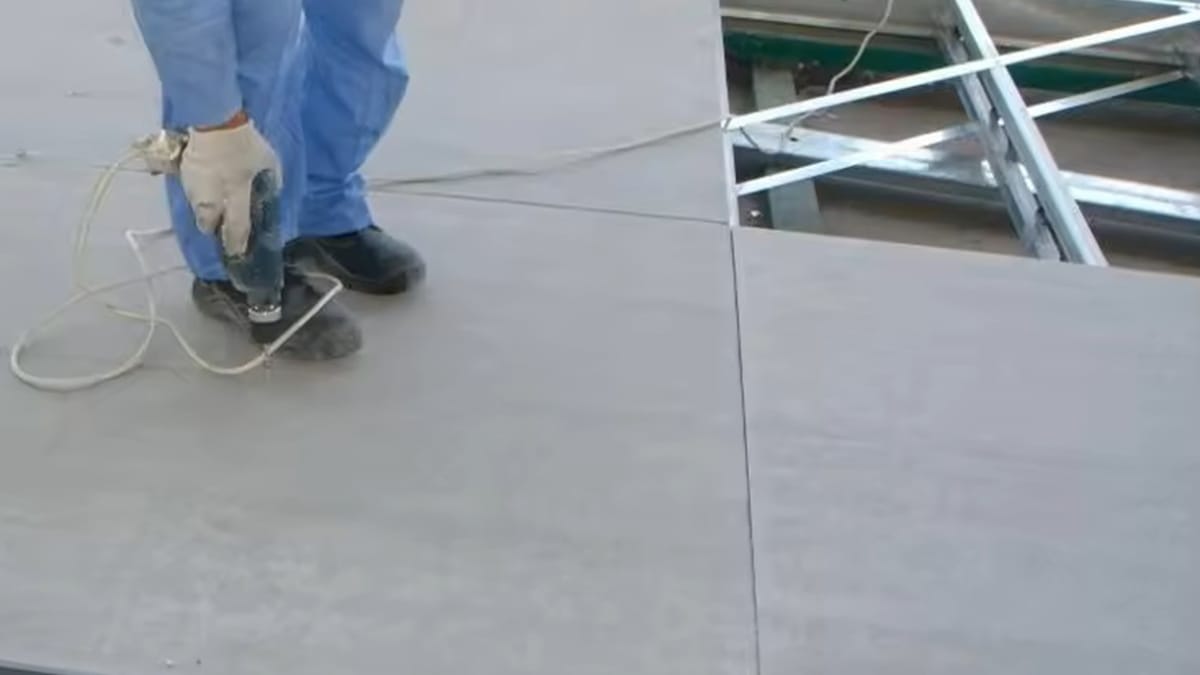
You want your subfloor to last for many years. Mgo board flooring is easy to care for. Store mgo panels flat in a dry place with air flow. Let mgo boards get used to the room before you put them in. Do not tighten screws too much or the panels might crack. Spread joint compounds and coatings evenly. Pick mgo panels with less chloride for better water resistance. Put waterproof coatings on mgo panels to protect them from water. Make sure you have good air flow when you install them. Do not let mgo panels get wet from rain or water.
Maintenance Practice | Effect on Durability |
|---|---|
Store MgO boards flat in a dry, ventilated area | Stops water from getting in and keeps boards flat |
Allow boards to acclimate to room temperature and humidity | Makes installation easier and safer |
Avoid over-tightening screws | Stops cracks and damage |
Apply joint compounds and coatings evenly | Helps boards expand and shrink the same way |
Use boards with lower chloride content | Makes boards better at keeping out water |
Apply waterproof sealants or coatings | Protects boards from water problems |
Ensure good ventilation during installation | Keeps boards dry and safe |
Avoid exposure to direct rain or water contact | Stops boards from wearing out too soon |
Mgo board flooring lasts a long time if you follow these steps. Mgo panels need less care than plywood or OSB. You save time and money with mgo panels. Mgo board flooring gives you fire and water resistance, blocks sound, and is easy to care for.
Plywood Subfloor: Strengths & Weaknesses
Moisture & Mold Issues
You may notice problems with plywood if your home has high humidity or water leaks. Plywood does not have the same moisture resistance as MgO board. When plywood gets wet, it can warp or become wavy before you even install your floor. You might see your hardwood floors start to cup or bend. Sometimes, you hear squeaks when you walk because the subfloor has warped.
Many signs show that moisture and mold are hurting your plywood. You may smell musty or earthy odors that do not go away, even after cleaning. Water stains can appear on ceilings or floors. Warped, cupped, or buckling floors often mean the subfloor has moisture problems. Some people notice allergy symptoms that get worse at home but improve when they leave. You may also see discoloration in attics or crawl spaces. Condensation on windows or walls can mean your house has high humidity.
If you live in a place like Florida’s Gulf Coast, you face even more moisture and mold risks. The humid air, heavy rain, and storms make it hard to keep plywood dry. In these climates, mold grows faster and can damage your subfloor quickly.
Fire Resistance
You need to think about fire resistance when you choose a subfloor. Plywood is strong, but it burns easily. It does not have the fire resistance of MgO board. Builders often add fire-retardant treatments to plywood, but these can wear off over time. If a fire starts, plywood can catch fire fast and lose its strength.
MgO board stands out because it does not burn, even at very high temperatures. Plywood cannot match this level of fire resistance. You should know that plywood and OSB both need extra treatments to slow down fire, while MgO board does not.
Maintenance & Longevity
You can keep plywood in good shape if you take care of it. You need to check for leaks and fix them right away. Make sure your home has good airflow to keep the subfloor dry. If you see water stains or smell mold, act quickly to stop more damage.
Plywood can last 30 to 50 years if you keep it dry and fix problems early. In wet or humid places, plywood may not last as long. You may need to replace it sooner if you see warping, mold, or squeaks. Plywood gives you good durability, but it needs more care than MgO board.
Tip: Regular checks and fast repairs help your plywood subfloor last longer and keep your floor safe.
OSB Subfloor: Performance & Durability
Moisture Absorption
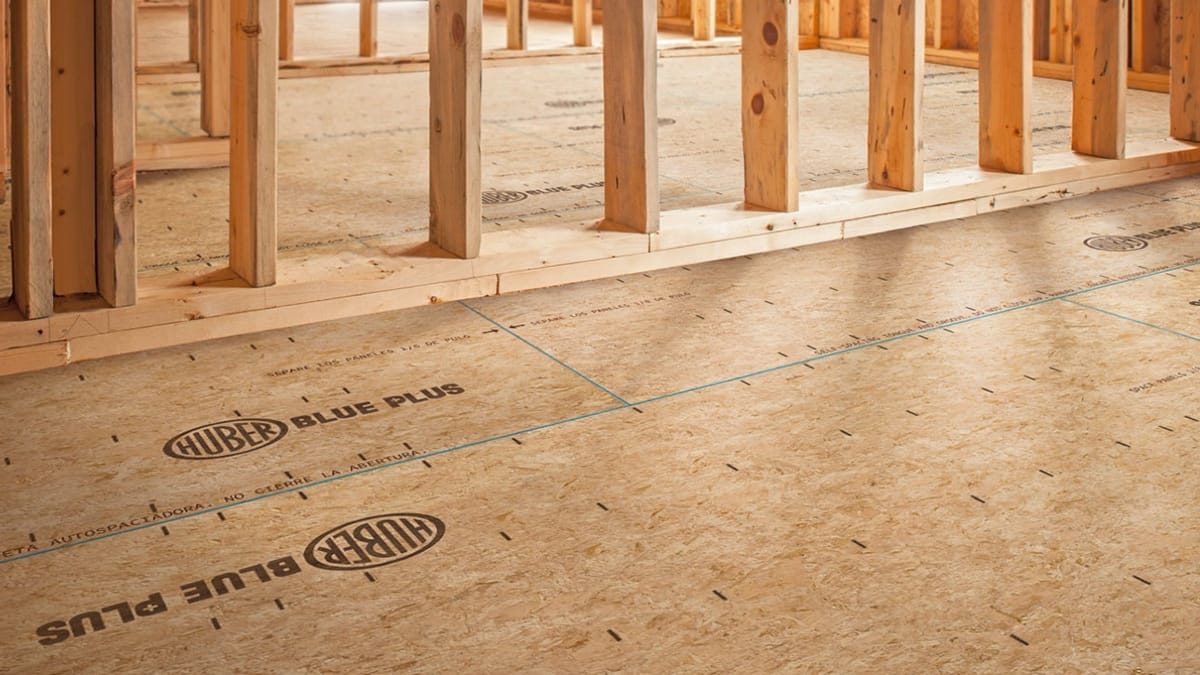
You may know oriented strand board as osb. Builders use osb panels for many floors. Osb panels absorb water quickly. This can cause swelling and warping. If you install osb panels in a damp area, you may see cracks and weak spots. Plywood resists water better than osb panels, but it still faces problems if it stays wet. Mgo boards and mgo panels stand out because they do not change shape in wet conditions. Mgo panels keep their strength even when humidity is high. Osb panels can lose their shape and break down faster than mgo boards or mgo panels. Modern osb panels sometimes have treatments to help with moisture resistance, but they still struggle in wet places. You should think about moisture resistance when you pick a subfloor for your floor.
Osb panels absorb moisture fast, which leads to swelling and warping.
Plywood resists swelling better than osb panels, but it can still get damaged.
Mgo boards and mgo panels keep their shape and strength in damp areas.
Osb panels may crack and weaken in high moisture.
Mgo panels work well in places with lots of rain or humidity.
Fire Resistance
Fire safety matters when you choose a subfloor. Osb panels and fire-rated osb get treated with chemicals to slow down fire. Fire-rated osb does not match the fire resistance of mgo boards or mgo panels. Mgo panels and mgo boards do not burn, even at high temperatures. Plywood is lighter than osb panels, but it does not have strong fire resistance. You can see the difference in the table below:
Material | Fire Resistance Rating |
|---|---|
Fire-rated OSB | Treated with fire-resistant chemicals, less fire-resistant than mgo boards. |
MgO Boards | Non-combustible, withstands higher temperatures, high fire resistance rating. |
Plywood | Lighter than osb panels, specific fire resistance ratings not detailed. |
Fire-rated osb helps slow down fire, but mgo panels and mgo boards give you better protection. You should use mgo panels if you want the best fire resistance for your floor.
Maintenance & Lifespan
You need to care for osb panels to help them last. Osb panels need more attention than mgo boards or mgo panels. You should seal the surface and edges with waterproof paint. Pick weather-resistant osb panels for outdoor use. Install osb panels off the ground to keep them away from water. Cover osb panels with a roof or overhang to protect them from rain and sun. Check osb panels often for swelling or cracks. Reapply sealants when needed. Mgo panels and mgo boards need less care and last longer. Osb panels may last 20 to 40 years if you follow these steps, but mgo panels can last much longer.
Seal the surface and edges of osb panels with waterproof paint.
Choose weather-resistant osb panels for outdoor use.
Install osb panels off the ground and cover them from rain.
Inspect osb panels often and reapply sealants as needed.
Mgo boards and mgo panels give you better durability and need less maintenance. Osb panels work for many floors, but you must care for them to keep your subfloor strong.
Factors Affecting Subfloor Lifespan
Installation Quality
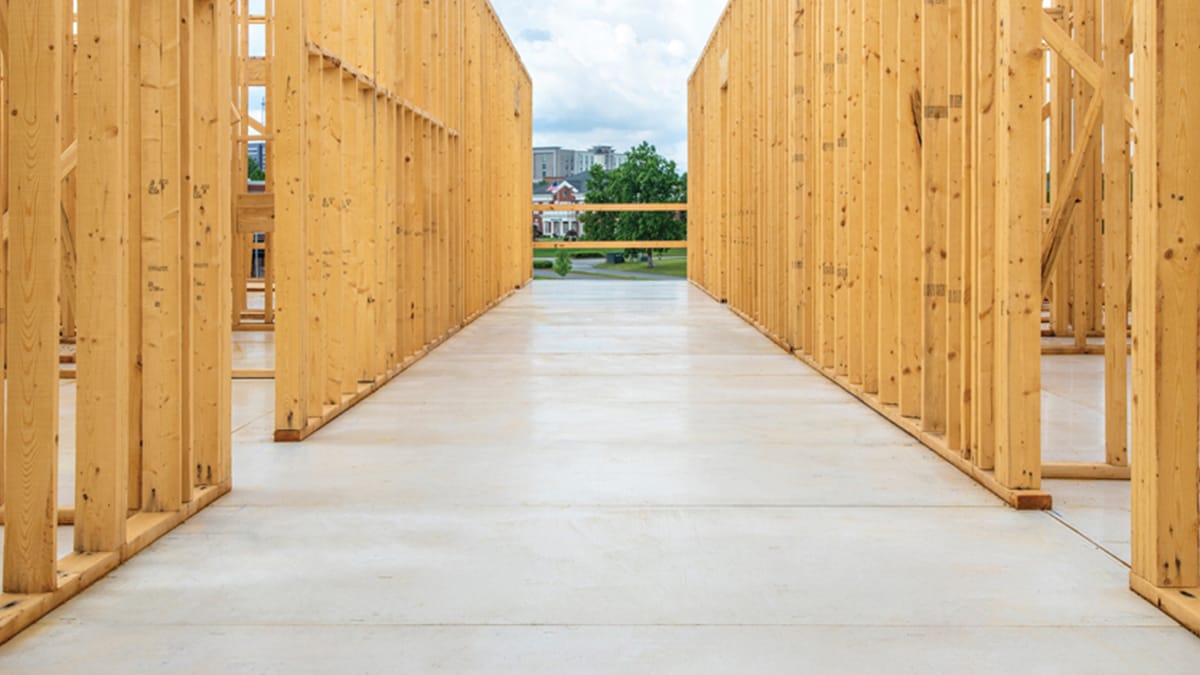
You must install your subfloor carefully. Good work helps mgo boards, plywood, and osb panels last longer. If you hurry or skip steps, your floor may get weak spots or squeaks. Always check that the surface is flat before you start. Use the right nails or screws and follow the instructions. Mgo panels should be dry and flat before you use them. Seal the edges of osb panels and keep them off the ground until you put them in. A strong installation helps your floor hold heavy things and stay strong for many years.
Environmental Impact
Where you live changes how long your subfloor lasts. Humidity and temperature can cause problems. Plywood and osb panels soak up water from the air. This can make them swell, bend, or break. If the air is too dry, you might see cracks or gaps. Mgo boards do not change much when the weather changes. They stay strong even in wet or humid places. Keep your home’s humidity between 35% and 55%. Keep the temperature between 60°F and 80°F. This helps all subfloors last longer and keeps your floor safe.
Note: Mgo boards use natural minerals and can be recycled. They make less pollution and help the planet. Plywood and osb panels need trees and chemicals, which can hurt nature.
Material | Environmental Impact |
|---|---|
MgO Boards | Can be recycled, less pollution, few chemicals |
Plywood | Uses trees, needs chemicals, makes more waste |
OSB | Like plywood, needs replacing more often, more waste |
Maintenance Practices
You can help your subfloor last longer by taking care of it. Check for cracks or loose boards often. Fix problems as soon as you see them. Use a meter to test for water, especially with osb panels and plywood. Sand or use leveling stuff to fix uneven spots. Clean the floor before you add new flooring. Store plywood and osb panels in dry places with good air flow. Stand sheets up to stop them from bending. Seal the edges of osb panels to keep water out. Put a vapor barrier in damp areas. Use dehumidifiers and fix leaks quickly. These steps keep your floor strong and help stop fire and water damage.
Tip: Check your subfloor often and fix problems fast to keep it safe and strong.
Which Subfloor Lasts Longer?
Summary of Findings
You want your floor to last for many years. The material you choose for your subfloor makes a big difference. MgO board stands out because it resists water, mold, and fire better than plywood or osb panels. You get a longer lifespan with MgO board, especially in places with moisture or high traffic. Plywood works well in dry rooms and gives you a strong base, but it can warp or grow mold if it gets wet. Osb panels cost less and work for many projects, but they soak up water and can swell or break down faster.
You should think about what affects how long your subfloor lasts. Here are the most important things to watch for:
Traffic patterns: Busy areas wear out faster. You can use rugs to protect these spots.
Moisture exposure: Wet rooms need extra care. You must prepare the subfloor to stop water damage.
Installation quality: Good work helps your floor last. Poor installation causes many problems.
Subfloor condition: You need a flat, dry base. Moisture or bumps can cause big issues later.
You also need to look at warranties. MgO board often comes with a five-year warranty against structural problems. Plywood and osb panels have different warranties, but both can have trouble with moisture. Osb panels use glue that lets in water. Plywood has a steady structure, but it can still soak up water. MgO board gives you a clear promise of strength.
Best Use Cases
You want to pick the right material for each room. The table below shows where each type works best:
Subfloor Material | Moisture Resistance | Durability (Years) | Best Use Areas |
|---|---|---|---|
Plywood | Moderate | 20-30 | Living rooms, bedrooms |
OSB | Medium-High | 20-25 | Dry areas, budget projects |
MgO Board | High | 30+ | Wet rooms, basements, kitchens |
You should use MgO board in places with water, like bathrooms, kitchens, and basements. It gives you the best durability and a longer lifespan. Plywood works well in bedrooms and living rooms where the air stays dry. Osb panels fit best in dry spaces or when you want to save money. You need to remember that osb panels can break down faster if they get wet. You should always check the room and pick the material that fits your needs.
Tip: Always check your subfloor before you install new flooring. Fix any problems with moisture or bumps. This helps your floor last longer and keeps your home safe.
You can see that MgO board gives you the best protection and lasts the longest. Plywood and osb panels work well in the right places, but you must care for them and keep them dry. When you choose the right material and install it well, you get a strong, safe floor for many years.
You want your subfloor to last. MgO board gives you the best protection against water, fire, and mold. It works well in wet rooms and busy spaces. The table below shows how MgO board compares to other materials:
Material | Key Features | Longevity Considerations |
|---|---|---|
MgO board | Water, fire, and mold resistant; blocks sound | Safe from fire, prevents swelling, pests |
When you choose a subfloor, think about your needs, your budget, and your climate. Remember these tips:
Pick a material that resists moisture, fire, and mold.
Check guides on subfloor types and new products for more help.
You can build a strong, quiet, and safe floor by making smart choices.
FAQ
What makes MgO board better for wet areas?
You get better moisture protection with MgO board. It does not swell or rot when wet. You can use it in bathrooms, kitchens, and basements. Plywood and OSB can warp or grow mold in these places.
Can you install MgO board over old subfloors?
Yes, you can install MgO board over old subfloors. You must check that the surface is flat and dry. Remove loose boards and fix any damage first.
Does MgO board cost more than plywood or OSB?
MgO board usually costs more up front. You save money over time because you do not need to replace it as often. You also spend less on repairs for water or fire damage.
How do you cut and handle MgO board?
You can cut MgO board with a standard saw. Wear a mask to avoid dust. Store the boards flat in a dry place. Let them adjust to room temperature before you install them.
Which subfloor is best for sound control?
MgO board blocks sound better than plywood or OSB. You get a quieter home, especially in apartments or busy buildings. For extra sound control, you can add underlayment or insulation.