
05 Dec What is MGO Flooring and How Does It Work in Modern Homes
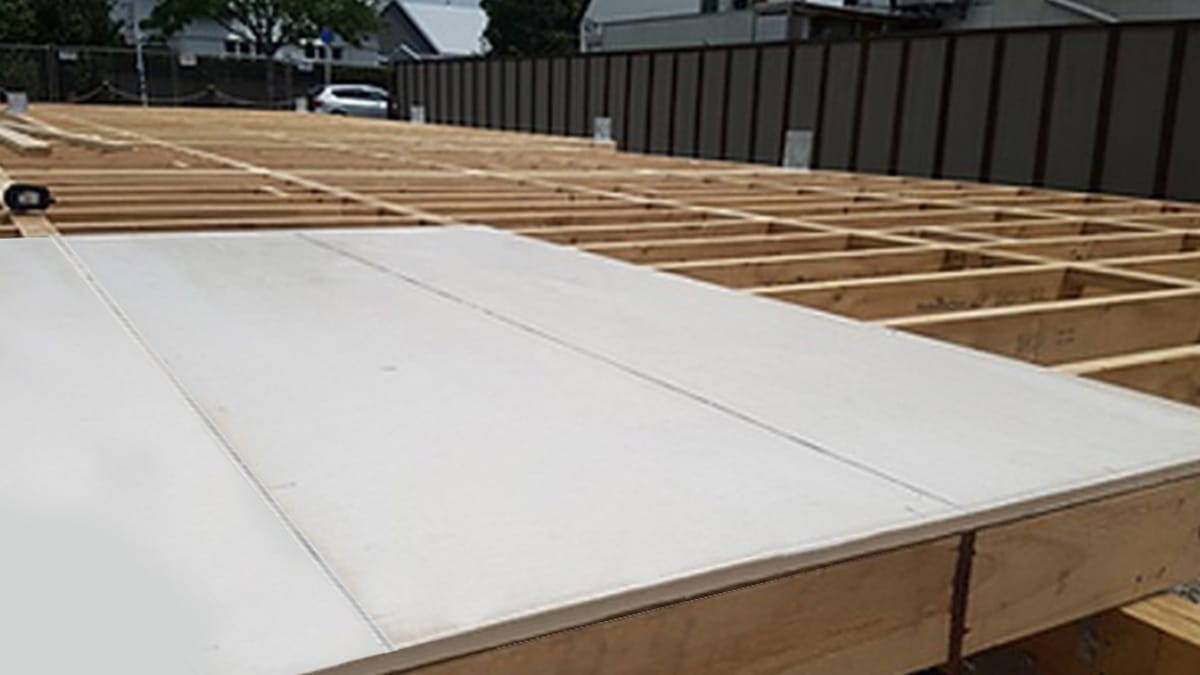
You might want a floor that can handle daily use. It also helps keep your home safe. MGO flooring is called magnesium oxide flooring. It gives you a new and earth-friendly option. This flooring uses magnesium oxide and other natural minerals. It is very good at stopping fires. It is very stable and does not have harmful chemicals. Many people pick it because it does not let water in. It stops mold from growing and helps block noise.
Benefit | Description |
|---|---|
Exceptional Fire Resistance | MgO flooring does not burn. It keeps your home safer from fire than other floors. |
Ultra-High Stability | It does not change much with heat. This makes it great for heating under the floor. It lasts a long time. |
Eco-Friendly and Non-Toxic | It is made without glue. This means it does not let out bad gases. It is safe for homes. |
Multifunctionality | It keeps water out. It stops mold. It helps make rooms quieter. You can use it in many places. |
Key Takeaways
MGO flooring does not catch fire easily and does not get damaged by water. This makes it a safe choice for homes.
This eco-friendly flooring does not let out bad chemicals. It helps keep the air inside your house clean.
MGO flooring is strong and does not break or wear out fast. It lasts longer than many other types of floors.
You can use it in many rooms, like kitchens and bathrooms. It does not get mold, so it is safe in wet places.
You can put in MGO flooring with simple tools. This means people can do it themselves at home.
What is MGO Flooring
Definition and Key Features
You want a floor that is strong and keeps you safe. MGO flooring is a new choice for building homes that care about the planet. This type uses magnesium oxide and other minerals to make panels. These panels work well in many houses. People use magnesium oxide flooring where they need extra fire safety and protection from water. You can count on it to last longer than most other floors. You do not have to replace it often. This saves you money and helps cut down on waste.
MGO flooring is different from other green floors. It is tough, fireproof, waterproof, and easy to clean. You do not need special cleaners. You can put other floors like hardwood on top. It fits many styles and looks. The table below shows what makes magnesium oxide flooring special:
Feature | Description |
|---|---|
Durability | MGO flooring lasts longer than many other options, reducing the need for replacements. |
Fireproof and Waterproof | Provides superior protection against fire hazards and is used in fireproof insulation boards. |
Eco-friendliness | Made from natural resources with a low carbon footprint and minimal waste in manufacturing. |
Ease of Maintenance | Resists stains, scratches, and wear, making cleaning easy without special products. |
Versatility | Adaptable for various designs and can serve as a base for different coverings like hardwood. |
These features help you keep your home safe and clean. MGO flooring helps build homes that are better for the planet and your family.
Composition and Manufacturing
You may wonder how MGO flooring is made. The process starts with minerals from nature. Magnesium oxide is the main part. Makers mix it with other minerals to make it stronger and steadier. You get panels that are tough and can handle water or fire.
Making MGO flooring takes a few steps. First, workers melt rocks like basalt at very high heat. This makes rock wool fibers. Next, they mix these fibers with magnesium oxide and other things. These extras help the panels fight water and fire. Last, the mix is shaped into panels and cured to make them strong and steady. The table below explains each step:
Step | Description |
|---|---|
1 | Raw materials like basalt rock are melted at high temperatures to create rock wool fibers. |
2 | The fibers are combined with magnesium oxide and other additives to enhance properties like moisture resistance and fire safety. |
3 | The mixture is formed into panels and cured to ensure durability and stability. |
You get magnesium oxide flooring that is strong and lasts a long time. This process makes panels that work well in today’s homes. You can use MGO flooring under other floors or as the main floor. Choosing it helps the planet because it makes less waste and uses less energy.
Tip: If you want a floor that is safe, strong, and good for the planet, MGO flooring is a smart pick for your home.
How Magnesium Oxide Flooring Works
Fire and Moisture Resistance
You want your house safe from fire and water. Magnesium oxide flooring is very good at stopping fire. It is Class A fire-resistant flooring. It does not burn, even when it gets very hot. You get over three hours of fire protection. Wood and vinyl floors cannot protect as well. Magnesium oxide flooring helps keep your family safe.
This flooring also keeps out water. MGO flooring works great in wet places like bathrooms and kitchens. It does not let water get in, so you do not get mold or mildew. Laminate and engineered wood floors can have problems in wet air. Magnesium oxide flooring keeps your house dry and healthy. You do not need to worry about swelling or rotting. The water-resistant feature helps your air stay clean.
Tip: If you want a floor that stops fire and water, magnesium oxide flooring is a smart pick for every room.
Durability and Stability
You want your floor to last a long time. MGO flooring can last for many years if you take care of it. You save money because you do not need to change it often.
It is also very stable. Magnesium oxide flooring stays strong when the weather changes. Some panels might have water problems after a long time, but most stay strong. How makers pick materials and cure panels matters for how well it works. You get a floor that does not crack or move easily. This makes magnesium oxide flooring a good base for other floors.
Here is a quick chart to show how magnesium oxide flooring compares:
Feature | Magnesium Oxide Flooring | Wood Flooring | Vinyl Flooring |
|---|---|---|---|
Fire Resistance | Class A, does not burn | Burns easily | Melts/burns |
Moisture Resistance | Excellent | Poor | Moderate |
Lifespan | Several decades | 10-20 years | 10-20 years |
Stability | High | Moderate | Moderate |
Safety and Eco-Friendliness
You want your family and the planet to be healthy. Magnesium oxide flooring does not have bad chemicals. You get a floor with no formaldehyde, asbestos, benzene, ammonia, or VOCs. This means you breathe better air at home. MGO flooring stops mold and mildew, so your air stays clean. You do not need to worry about toxic gases.
Magnesium oxide flooring has many green labels. These show your floor is safe and good for the planet. Here are some common labels:
Certification Name | Description |
|---|---|
FSC | Comes from forests that are managed well. |
A+ Flooring Certifications | Makes sure there are very few bad gases. |
M1 Emission Class | Has low levels of harmful stuff. |
PEFC | Helps protect nature. |
EU Ecolabel | Makes less harm to the planet. |
EPD | Shares info about the product’s impact. |
Nordic Swan Ecolabel | Meets tough rules for health and the planet. |
Nalfa Certification | Sets rules for strong floors and clean air. |
LEED Certification | Known for green building. |
CARB Phase 2 | Limits formaldehyde gases. |
Floorscore Certification | Focuses on clean air and low VOCs. |
You help the planet when you pick MGO flooring. Making it uses less energy than some other floors. If makers use natural gas, they can lower CO2 by 18% compared to coal. You make a good choice for the earth by using magnesium oxide flooring.
Magnesium oxide flooring keeps out water, so it does not swell.
You get cleaner air because mold and mildew do not grow.
MGO flooring lasts a long time and helps your home stay healthy.
Magnesium oxide flooring does not let out bad chemicals, so your home is safe.
Note: Magnesium oxide flooring gives you a safe, strong, and green choice for every room in your house.
MGO Flooring vs. Traditional Options
Key Differences
You might wonder how MGO flooring is different from other floors. Magnesium oxide flooring is made with natural minerals and plant fibers. This makes it strong and safe for your home. Most old-style floors, like hardwood and laminate, use wood or man-made stuff. These floors can swell or bend when they get wet. MGO flooring does not change shape if it gets wet. You will not see mold or mildew on it. You also do not have to worry about bad chemicals like formaldehyde or VOCs.
Here are some main ways MGO flooring is not like other floors:
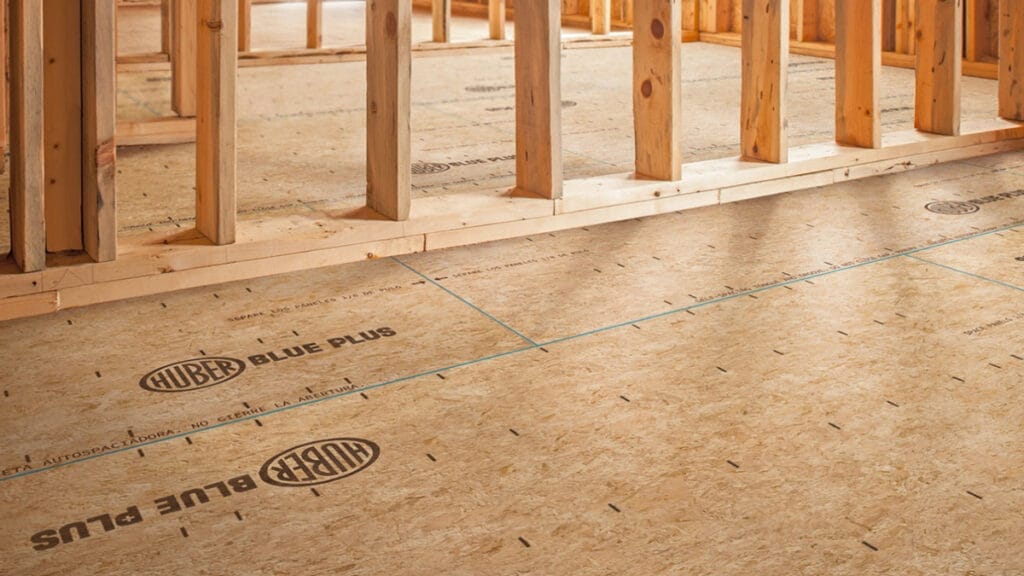
MGO flooring does not burn as easily as plywood or OSB.
Magnesium oxide flooring is as strong or stronger than cement boards.
It does not swell or bend when it gets wet.
MGO flooring uses materials that are natural and can be recycled.
It does not hurt the environment much.
Magnesium oxide flooring does not rot or let mold grow.
MGO sheathing works well in places that are damp.
When you put in the floor, there are more things to think about. The table below shows how MGO flooring is different from vinyl and ceramic tile:
Flooring Type | Installation Complexity | Tools Needed |
|---|---|---|
MGO Flooring | Needs some skill | Basic tools, saw, drill |
Vinyl Flooring | Easier to put in | Click-together planks, peel-and-stick |
Ceramic Tile | Harder to install | Many tools and steps |
MGO sheathing gives you a strong base for many rooms. You can put it under hardwood or tile floors. Magnesium oxide flooring works well with heated floors. You get a floor that is strong and safe for your house.
Pros and Cons
You want to pick the best floor for your home. Magnesium oxide flooring has many good points, but there are some downsides too. The table below helps you see both sides:
Advantages | Disadvantages |
|---|---|
Durability | Costs more at first |
Fire resistance | Harder to find in some places |
Mold and mildew resistance | |
Eco-friendliness | |
Cost-effectiveness over time | |
Tough and strong | |
Water and bug resistance | |
Cost-effectiveness over time |
You get a floor that can last for many years. MGO flooring keeps out fire, water, and bugs. You help the earth by using green materials. MGO sheathing keeps your house safe and dry. You might pay more when you buy it, but you save money later. Magnesium oxide flooring is not always easy to find everywhere.
Tip: If you want a floor that is safe, lasts long, and saves money over time, magnesium oxide flooring and MGO sheathing are smart picks for modern homes.
Applications and Installation
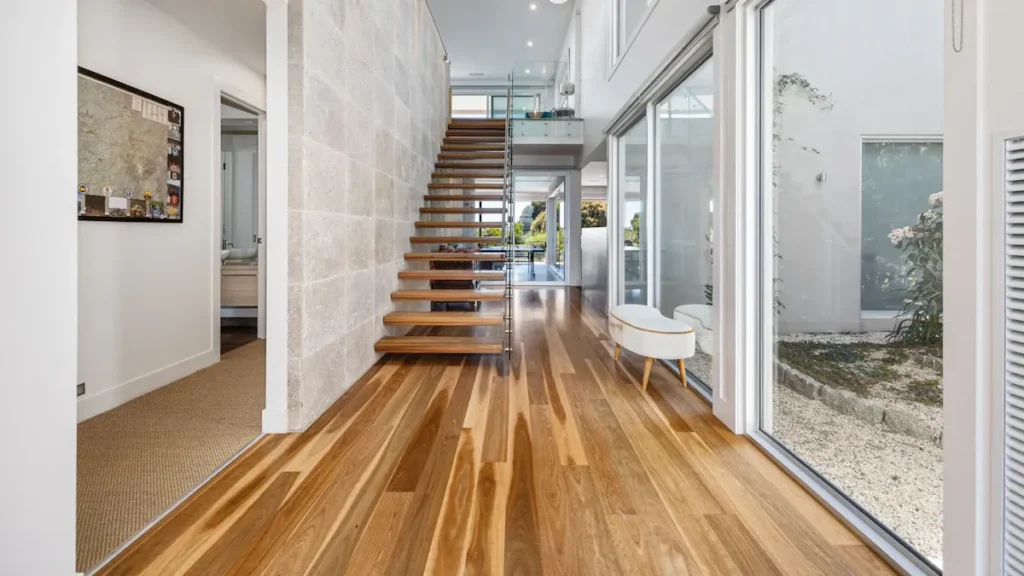
Uses in Modern Homes
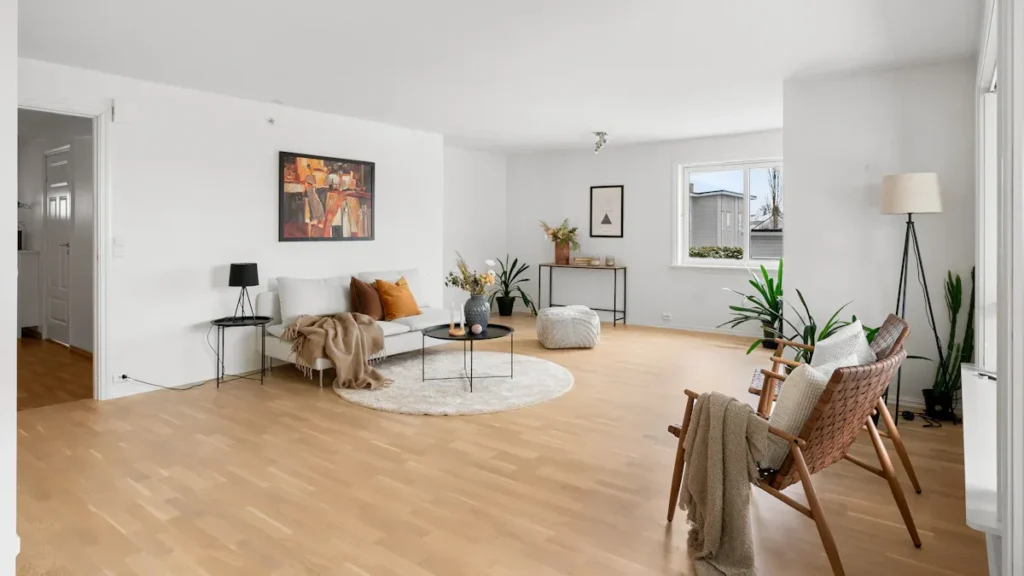
You can put mgo flooring in many rooms at home. Magnesium oxide flooring works well as a subfloor under other floors. People use it in big apartment buildings for fire safety. It is also good for homes that want clean air inside. You can put mgo flooring under hardwood, tile, or carpet. This gives you many ways to design each room.
Here is a table that shows where mgo flooring is used most:
Area of Installation | Description |
|---|---|
Multi-family developments | People want floors that stop fire and bad gases. |
Single-family dwellings | People want better air inside their homes. |
Mgo flooring is great for basements, kitchens, and bathrooms. These places often get wet or have lots of steam. Magnesium oxide flooring does not let mold, water, or fire hurt it. You can use it under other floors in busy or wet rooms. Mgo flooring panels work with heated floors and help keep noise down.
Tip: If you need a strong and safe base, mgo flooring underlayment is a good pick.
Installation Basics
You can put in magnesium oxide flooring with easy tools and steps. First, get safety glasses, gloves, a dust mask, a scoring knife, and a saw. You also need mgo boards, screws, underlayment, and a moisture barrier if needed.
Follow these steps to install it right:
Get your tools ready and measure the space. Cut the boards to fit.
Clean the floor and make sure it is flat. Take away dirt and check for wet spots.
Start laying mgo boards in one corner. Leave a small space for boards to grow. Use screws to hold each board down.
Put screws about 200-250mm apart. Make sure they are even with the board.
Sand the top and put on primer or sealant. Fill any spaces for a smooth look.
You can use mgo flooring under hardwood, tile, or carpet. It works with plywood, OSB, or mgo boards as the base. Mgo flooring underlayment keeps out water and mold, so it is good for wet rooms. Magnesium oxide flooring gives you a strong base for busy places.
Note: Always use the right underlayment and screws for your job. This helps mgo flooring last longer and work better.
You get safety, strength, and earth-friendly benefits with mgo flooring. This new type of floor helps keep your family safe. It also helps make the planet healthier. Before you pick mgo flooring, look at how good the product is. Check if the company gives help and a warranty. You can ask experts about the best thickness for your floor. You can use mgo boards with other green products too. If you want a tough and green home, try these ideas for your next project.
FAQ
What rooms can you use MGO flooring in?
You can use MGO flooring in kitchens, bathrooms, basements, and living rooms. It works well in places that get wet or need extra fire safety. You can also use it under other floors.
Is MGO flooring safe for people with allergies?
Yes, MGO flooring does not release harmful chemicals or dust. You get cleaner air in your home. This helps people with allergies breathe easier.
How do you clean MGO flooring?
You can sweep or vacuum MGO flooring. Use a damp mop for spills. You do not need special cleaners. Avoid soaking the floor with water.
Can you install MGO flooring by yourself?
You can install MGO flooring if you have basic tools and follow instructions. Some people ask a professional for help. Always wear safety gear when cutting panels.