
15 May What Are Magnesium Oxide Building Panels and How Are They Used
You use magnesium oxide building panels when you need a strong and safe material. These panels last a long time. They are better than gypsum or cement boards. They do not burn easily. They do not get damaged by water or mold. More people are picking these panels because they want safer and tougher choices.
Did you know?
The world market for these panels may grow from $2.0 billion in 2025 to $3.1 billion by 2034.
They can handle heat up to 1200°F. They also stop mold and pests.
Property | Description |
|---|---|
Fire Resistance | Handles heat up to 1200°F. Does not melt or make toxic fumes. |
Moisture and Mold Resistance | Stops water damage. Keeps away mold and pests. |
Strength and Durability | Very tough. Stronger than many old types of boards. |
Key Takeaways
Magnesium oxide building panels are very strong and do not burn easily. They last longer than other boards like gypsum or cement.
These panels do not get damaged by water, mold, or bugs. This makes them great for wet places like kitchens and bathrooms.
Magnesium oxide boards can cost more at first. But they save money later because they last long and need little care.
You need special tools and must be careful when installing them. Make sure you are trained and handle them right so they do not break.
Using magnesium oxide panels is good for the environment. They help builders get green awards like LEED.
What Are Magnesium Oxide Building Panels
Definition and Composition
People use magnesium oxide building panels when they need a strong and safe material for building. These panels are made from magnesium oxide. This happens when magnesium and oxygen mix together with heat and pressure. Makers often add magnesium sulfate to help the panels resist water. Here is how the panels are made:
Workers get raw materials from magnesite or other minerals.
They heat magnesite to make magnesium oxide.
They mix magnesium oxide powder with water and binders.
The mixture is put into molds to form boards.
The boards dry and get strong.
Quality checks make sure the panels are good.
Magnesium oxide boards do not have paper or organic fillers. This helps them stay safe from mold and bugs.
Key Material Properties
Magnesium oxide panels are special because they resist fire, water, and damage. These panels help keep buildings safe from fire, water, and pests. They do not burn or make toxic smoke. They do not get ruined by water or mold. These boards are tough and last longer than old types.
Tip: Magnesium oxide boards can take heat up to 1200°F and do not lose their shape in a fire.
Comparison to Traditional Boards
You might want to know how magnesium oxide panels are different from gypsum drywall or cement board. The table below shows how they compare:
Attribute | Magnesium Oxide Panels | Gypsum Board |
|---|---|---|
Up to 4 hours, does not burn | 30–60 minutes, weakens in fire | |
Moisture Resistance | Highly resistant, does not swell or mold | Absorbs water, can grow mold |
Density (g/cm³) | 0.85–1.2 | 1.2–1.3 |
Impact Strength (Kilo Joules) | More than 4.5 | Less than 1 |
Bending Strength (MPa) | 18–27 | Less than 5.6 |
Magnesium oxide boards are better at stopping fire and water damage. They cost more at first, but you save money later because they do not need as many repairs. You can use magnesium oxide building panels inside or outside buildings for many things.
Advantages and Disadvantages of Magnesium Oxide Boards
 Main Advantages
 Main Advantages
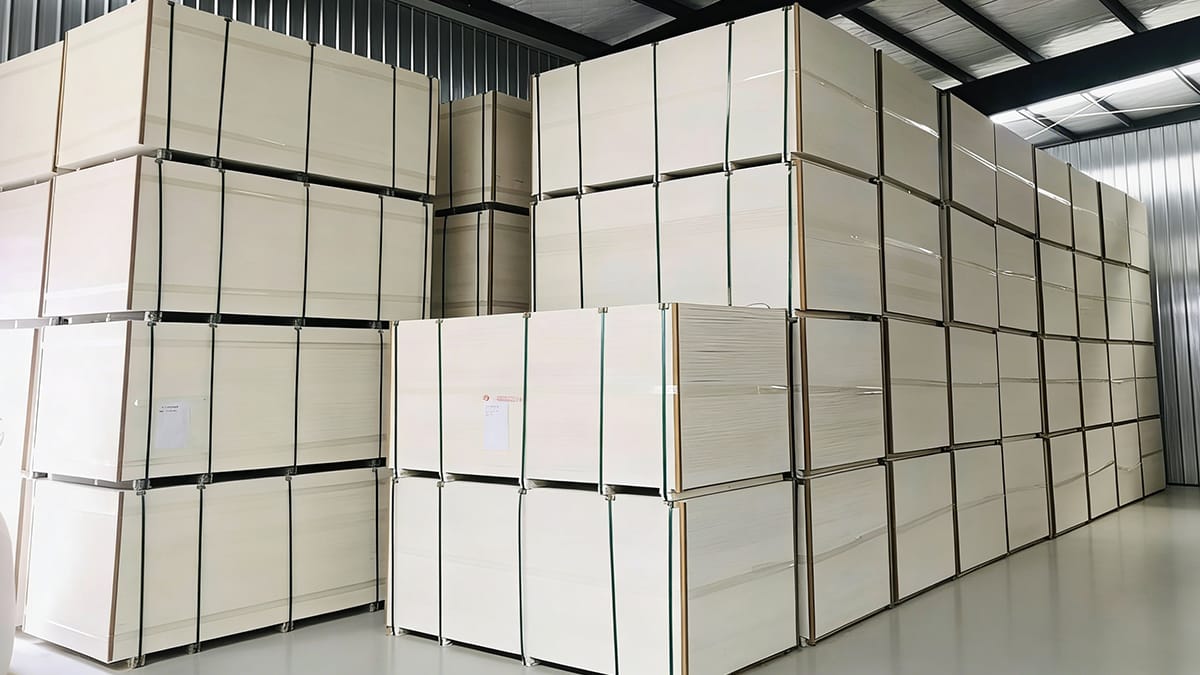
There are many good things about using magnesium oxide boards. These boards are strong and last a long time. Here are some main reasons people like them:
Fire resistance: Magnesium oxide boards do not burn easily. They are safe to use in places that need extra protection. They can take high heat and do not make bad smoke.
Water resistance: These boards do not swell or fall apart when wet. You can use them in bathrooms, kitchens, or outside. They stay strong and keep their shape even after getting wet for a long time.
Mold and insect resistant: Mold and bugs do not like these boards. They do not have paper or other things that attract pests. Mold cannot grow on them.
Durability: Magnesium oxide boards stay tough for many years. Studies show they keep their shape and strength in hot and wet places. They do not crack or get weak like some other boards.
Environmentally friendly: Using these boards is good for the planet. They are better for the environment than cement or gypsum. You can recycle them. They do not have harmful chemicals. They help keep the air inside clean.
Energy savings: These boards help keep buildings warm in winter and cool in summer. You do not need as much energy for heating or cooling.
Fewer repairs: These boards do not break down easily. You do not have to replace them often. This saves you money over time.
Note: Magnesium oxide boards can help your building get green certifications like LEED. They are good for eco-friendly building projects.
Here is a table that shows how magnesium oxide boards do in moisture tests compared to other boards:
Material | Moisture Resistance | Comments |
|---|---|---|
Magnesium Oxide Boards | Excellent | Take in very little water, stay strong when wet, move very little in moisture (0.05–0.07% after 22 weeks). |
Gypsum Boards | Poor | Swell and get weak over time, even with water-resistant coatings. |
Fiber Cement Boards | Moderate | Better than gypsum but can soak up water if not sealed well. |
You can see magnesium oxide boards work best in wet places.
Potential Drawbacks
There are also some things that are not so good about magnesium oxide boards. You should know these before you use them. Here are some things to think about:
Higher cost: These boards cost more than gypsum or cement boards. You pay more at first, but you might save money later because they last longer.
Ease of installation: Some builders say these boards are harder to cut or attach. They can be heavy and may need special tools. You might need extra training to put them in the right way.
Brittleness: Magnesium oxide boards are strong but can break if dropped or hit hard. In places with earthquakes or lots of bumps, you need to be careful. The boards are stiff but can still bend a little during shaking.
Availability: You may not find these boards in every store. Sometimes you have to order them from special places. This can slow down your work.
Limited color and finish options: These boards usually come in plain colors. If you want a special look, you may need to paint or cover them.
Tip: Always ask your supplier how to install and handle magnesium oxide boards. This helps you avoid problems and get the most out of these boards.
When you look at the good and bad sides, you can see why many people pick magnesium oxide building panels for new buildings. They are safe, last a long time, and help the planet, but you need to plan for their price and how to put them in.
Common Applications for MgO Boards
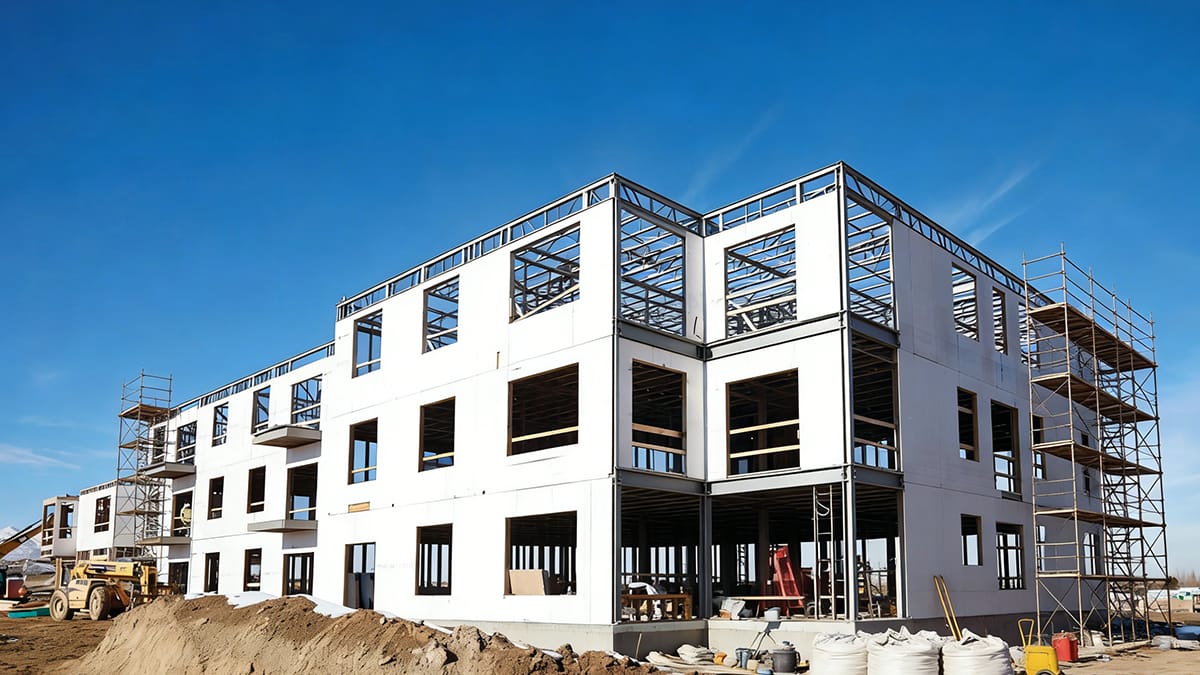 Magnesium oxide building panels are now very popular in building projects. People use these boards in houses, schools, offices, and factories. They are good where you need fire resistance, water resistance, and long life. Let’s see where you can use MgO boards and why they are a smart pick.
Interior Walls
You can use magnesium oxide boards for many inside wall jobs. These boards keep your walls safe and make buildings stronger. They work in homes and business places. Here is a table that shows how you can use them inside:
Application Type | Description |
|---|---|
Wall Sheathing | Used as a protective layer for walls |
Tile Backer | Serves as a substrate for tiles |
Wall Panel | Functions as an interior wall panel |
Ceiling Board | Used for ceilings |
Firewall | Provides fire resistance |
Drop Ceiling Tile | Used in suspended ceiling systems |
Magnesium oxide panels give better fire resistance than gypsum board. These panels do not burn or spread flames. They can take high heat and do not make bad smoke. This is why people use them in schools, hospitals, and apartments. The table below shows how they compare to gypsum board:
Feature | Magnesium Oxide Board | Gypsum Board |
|---|---|---|
Fire Rating | A1 | Class A |
Non-combustibility | Yes | No |
Flame Spread | Does not spread | Can contribute |
Temperature Resistance | Over 750°C for 30 min | Lower resistance |
Water Vapor Release | Up to 30 lbs | None |
You can use these boards for firewalls, tile backers, and ceiling panels. You do not have to worry about mold or bugs on your walls. This is important in kitchens, laundry rooms, and basements.
Exterior Sheathing
Magnesium oxide panels are a great choice for outside walls. You want your building to last and stay safe in all weather. These boards give you:
Great fire resistance to protect your building from fire.
Good moisture resistance, so walls do not swell in rain.
Strong boards that last after years of sun and storms.
Good thermal insulation to keep your building comfy.
Impact resistance, so walls can take bumps and hits.
You can use these boards on homes, schools, and offices. They work in hot and cold places. In wet areas, these boards do not stain or soak up much water. If you live where it rains a lot, check the installation to stop rust on fasteners. You also get protection from mold and bugs. The table below shows how magnesium oxide boards compare to wood-based sheathing:
Feature | Magnesium Oxide Boards | Wood-Based Sheathing |
|---|---|---|
Moisture Absorption | Very Low | High |
Organic Material Presence | None | Present |
Mold Growth Support | No | Yes |
Insect Infestation | No | Yes |
You do not need to worry about termites or ants. These boards do not rot or grow mold, so you do not need much upkeep.
Flooring and Underlayment
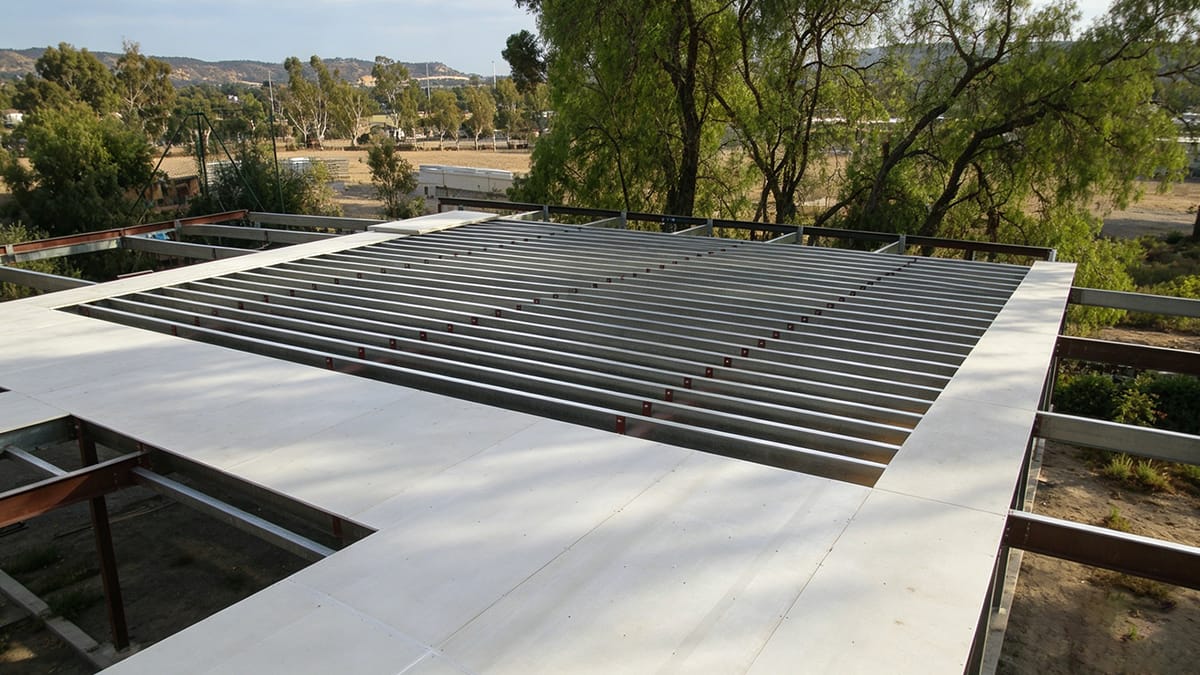
You can use magnesium oxide boards as a strong base under floors. These boards are good in bathrooms, kitchens, and basements where water is a problem. They keep floors safe from mold and swelling. Here is a table that shows the main benefits:
Advantage | Description |
|---|---|
Moisture Resistance | Protects wet areas during transport and usage. |
Mold Resistance | Prevents mold growth due to its inorganic nature. |
Structural Integrity | Maintains strength and prevents warping or swelling in humid conditions. |
High Compressive Strength | Supports heavy flooring and furniture, ensuring durability. |
Reduced Installation Time | Faster to install compared to traditional materials like cement or plywood. |
You get a floor that does not bend or break easily. The compressive strength is between 12 and 25 MPa. This means you can use them for heavy things, like in apartments or busy offices. You also save time because these boards are quick to put in. You help keep the air clean because mold cannot grow on these boards.
Structural Insulated Panels (SIPs)
You can find magnesium oxide boards in structural insulated panels, called SIPs. These panels make buildings stronger and save energy. Here is why you might use them:
The boards add strength and last a long time.
They help keep buildings safe from fire.
The boards work with foam to make panels more efficient.
You get better air inside because the boards stop mold and water.
You can use SIPs with magnesium oxide boards in homes, schools, and offices. These panels help you save energy. They can make your building up to 50% more efficient than timber. You get less heat loss, lower bills, and help the planet. The table below shows how these panels help with energy savings:
Metric | Value |
|---|---|
Energy Efficiency | 50% more efficient than timber |
Thermal Bridging | Minimal |
Airtightness | Excellent |
Your building stays warm in winter and cool in summer. You also use less energy, which is good for the earth.
Tip: Magnesium oxide boards are a smart pick for many uses. You get safety, strength, and energy savings in homes and business buildings.
Installation and Practical Considerations
Handling and Fastening
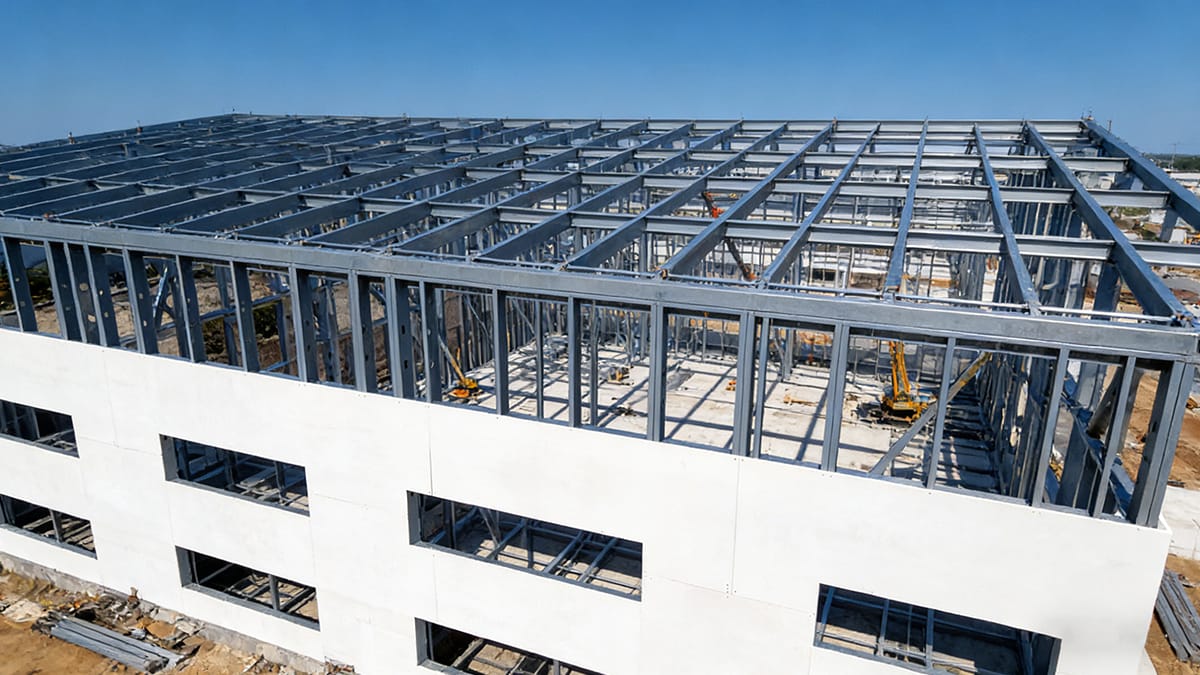 Handling and Fastening
You must be careful when working with magnesium oxide boards. These boards can soak up water if it is humid. This can hurt the boards. Always keep them in a dry spot. Wear safety glasses, gloves, and a dust mask when you cut or sand. Use special saw blades or scoring tools to cut the boards. Measure and mark before cutting to waste less material. For curved cuts, score the line and snap the board.
Use screws or nails that do not rust when fastening. Put fasteners every 200–300 mm on the edges and in the middle. Make sure the ends of the boards rest on joists. Sink each screw or nail a little below the surface. Leave a small gap, about 1/8 inch, between the boards and walls. This lets the boards expand. Start fastening at one side and move across to stop stress. If you use steel framing, put a barrier between the steel and the boards.
Tip: Keep the work area aired out to lower dust.
Compatibility with Other Materials
Magnesium oxide boards work with many building materials. But you need to check if they match well. The boards are alkaline, which can affect glue and paint. Some paints may peel or bubble off. If the boards get wet, joint compounds may not stick well. Use special joint compounds or concrete patch with wide fiberglass tape for seams. If you use glue or coatings, make sure they work with alkaline boards.
Issue Type | Description |
|---|---|
Moisture Absorption | Boards can soak up water, which can cause rust or mold. |
Alkaline Nature | Can make glue or paint not stick, causing peeling or bubbles. |
Joint Compound Adhesion | Water can weaken the bond, so seams may crack or come loose. |
Cost and Availability
Magnesium oxide boards cost more than regular boards. They last longer and resist fire, so you save money later. How easy they are to find depends on where you live. In North America, these boards are easy to get because there are lots of resources. In Europe, high energy costs and rules can make them harder to find. In Asia-Pacific, especially China, more factories are making these boards.
If you import boards, it may take longer and cost more to ship. Always check the quality and certification before you buy. Some boards may not be made the same, so they may not work as well. Pick boards that have been tested and certified for your building.
Note: Think about both the first price and the money you save later when picking magnesium oxide boards.
You get lots of good things when you pick magnesium oxide building panels. These boards are used for walls, ceilings, floors, and outside coverings. Look at the table to see how they help:
Application Area | |
|---|---|
Interior Walls & Ceilings | Fire, moisture, and mold resistance; easy to install |
Exterior Sheathing | Lightweight, strong, resists wind and water |
Flooring & Underlayment | High strength, fast installation, moisture-proof |
Modular Construction | Eco-friendly, reduces transport costs, durable |
You do not have to fix these boards often. They do not crack or bend down.
You are safer from fire, water, and mold problems.
You can save money later, even if you pay more at first.
Tip: Always use stainless steel fasteners and listen to experts. Magnesium oxide boards help you make buildings that last longer and stay safe.
FAQ
What tools do you need to cut magnesium oxide boards?
You can use a carbide-tipped saw, scoring knife, or utility knife. Always wear safety glasses and a dust mask. Cut slowly to avoid chipping the board.
Are magnesium oxide boards safe for indoor air quality?
Yes. These boards do not release harmful chemicals. They help keep your indoor air clean. You can use them in homes, schools, and hospitals.
Can you paint or finish magnesium oxide boards?
You can paint these boards. Use alkali-resistant primer and paint. Make sure the surface is dry and clean before you start.
How do magnesium oxide boards handle extreme weather?
These boards resist rain, snow, and heat. They do not swell or rot. You can use them in hot, cold, or wet places.
Do magnesium oxide boards support heavy tiles or flooring?
Yes. These boards have high compressive strength. You can install heavy tiles or flooring on top without worry.