
02 Apr Magnesium oxide wallboard tips for safer projects
Image Source: pexels
Safety begins when you pick magnesium oxide wallboard that fits your project. You should look at product certifications and read the installation instructions first. If you skip these steps, you might have problems like water soaking in, metal parts rusting, mold growing, and paint not sticking well. Magnesium oxide wallboard is fire resistant and strong, but you should know about possible problems like different quality levels and if it works with other materials. Make smart choices to feel sure and always put safety first.
Water can make metal rust in wet places.
Different quality can cause mold or weak walls.
Problems with matching can make paint or glue not stick.
Key Takeaways
Pick magnesium oxide wallboard that has the right certifications. This helps make sure it is safe and good quality. Look for EN 13501-1, ASTM E84, and CE marks.
Think about how you will use the wallboard. Use smooth boards inside buildings. Use strong boards outside to fit your project.
Always follow the rules for putting up the wallboard. Use the correct fasteners. Keep the boards dry. Wear safety gear to stay safe.
Check if the wallboard resists moisture. Magnesium oxide wallboard works better in wet places. It helps stop mold and damage.
Buy good quality wallboard. It might cost more at first. But it saves money later by needing fewer repairs.
Define your project needs
Intended use
Before you start, decide how you will use magnesium oxide wallboard. Think about where you want to put the board. Homes usually need boards that look nice and work well. Businesses need boards that are strong and can handle fire and water. Always follow the rules for building in your area.
Inside panels should be smooth and easy to paint.
Outside boards must be tough and handle bad weather.
Home renovations focus on making spaces comfy and stylish.
Business projects need boards that last and keep people safe.
Choosing the right board for each job helps you avoid mistakes. You can pick the best board for every space.
Environmental factors
Think about where you will put the board. Magnesium oxide wallboard works well in many places. It takes in less water than gypsum boards. It stays strong in wet rooms. In humid spots, it can make salty water drops. If it gets wet for a long time, mold can grow and metal parts can get damaged.
Board Type | Moisture Absorbency | Corrosion Protection | Mechanical Property Change |
|---|---|---|---|
MOC Boards | High absorbency, leaks salty water at 95% RH | Poor corrosion protection | 45% decrease in tensile strength at 95% RH |
MOS Boards | 37% lower absorbency than MOC at 95% RH | Better corrosion and fungal protection | 31% decrease in tensile strength at 95% RH |
Check if the board is good for the environment. Some boards are better for wet or humid rooms. Others work best in dry places. Knowing this helps you pick the right board for your project.
Safety standards
Always follow safety rules when you install the board. Magnesium oxide wallboard has strong fire ratings. Look for boards with EN 13501-1 Class A1, ASTM E136, and ASTM E84 certifications. These show the board can handle fire and does not spread flames.
Standard | Fire Rating Classification | Description |
|---|---|---|
EN 13501-1 | Class A1 Noncombustible | Highest fire resistance; no contribution to fire; minimal smoke and toxic fumes |
ASTM E136 | Noncombustible | Material does not burn under test conditions |
ASTM E84 | Class A (surface fire spread) | Excellent resistance to surface fire spread |
Also check for CE Marking, ISO 9001, and other reports. These show the board is safe and good for the environment. Certifications help you pick the best board for your project.
Magnesium oxide wallboard features
 Fire rating
 Fire rating
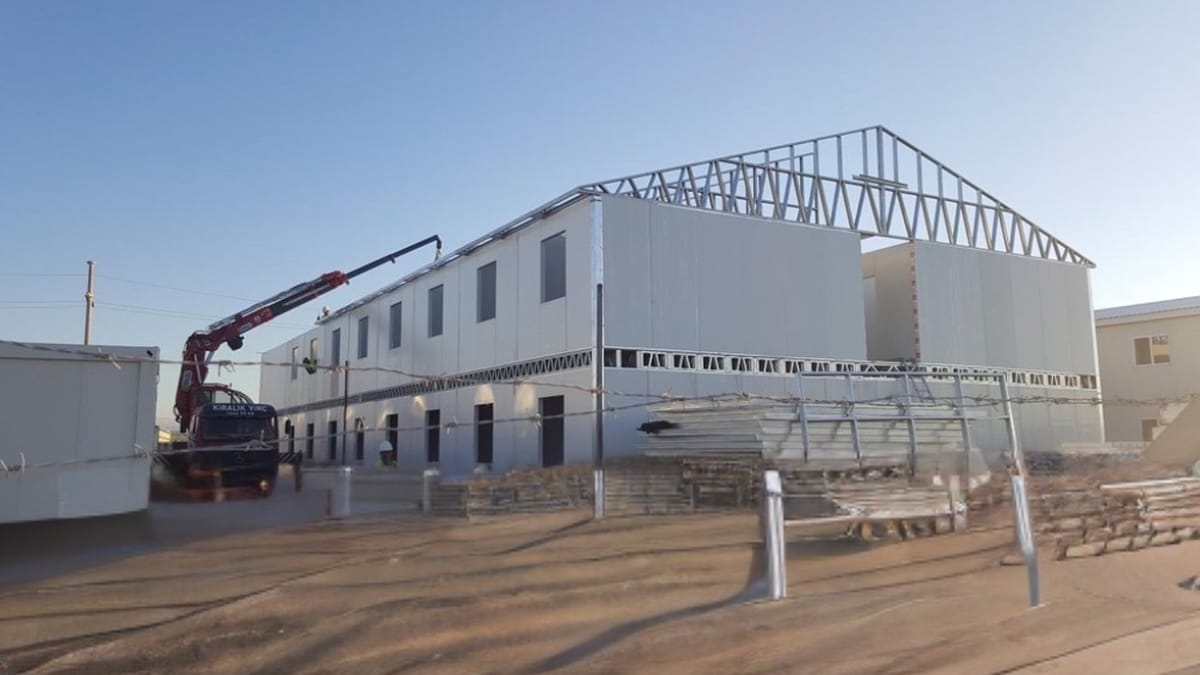
You want your building to be safe in a fire. Magnesium oxide wallboard gives strong fire resistance. It does not burn or melt, even with high heat. This gives you more time to leave if there is a fire. The table below shows how magnesium oxide board compares to other boards:
Board Type | Fire Resistance Performance |
|---|---|
Magnesium Oxide Boards | Very fire-resistant; does not burn; lasts 1-2 hours or more; stays strong |
Gypsum Board | Fire-resistant but needs water inside; usually lasts 30 minutes to 1 hour |
Cement Board | Not as fire-resistant as MgO; can get weak in heat; may need extra help |
Always check for tested ratings and certifications. Look for A1 Non-Combustible ratings and EN 13501 or ASTM E136 marks. These show the mgo wallboard will protect you and your property. Magnesium oxide wallboard also makes less smoke and fewer toxic gases. This helps keep the air safer during emergencies.
Moisture resistance
Moisture resistance matters for wallboards in kitchens, bathrooms, or basements. Magnesium oxide wallboard does not swell, warp, or break down when wet. This makes it a better choice than gypsum board, which can sag and weaken. The table below shows how these boards compare:
Material | Surface Moisture Absorption Rate | Performance in Humid Conditions |
|---|---|---|
Magnesium Oxide Boards | 0.34% | Do not swell, warp, or break down in wet conditions |
Traditional Gypsum Boards | 3% | Tend to swell, sag, and weaken when wet |
You get strong mold resistance with mgo board. This means less chance of mold growing behind your walls. Mold resistance keeps your indoor air clean and protects your family from allergies and breathing problems. Always check the product label for moisture resistance ratings before you buy.
Strength and durability
You want your walls to last a long time. Magnesium oxide board gives high durability and strength. It can handle bumps, knocks, and heavy use. The table below shows how mgo board compares to other boards:
Performance Metric | Magnesium Oxychloride Boards | Traditional Fibre Cement Boards |
|---|---|---|
Bending Strength (MPa) | 6 – 23 (varies by product) | More consistent, standard values |
Water Absorption | 0.0023 – 0.0084 kg/m²s⁰·⁵ | Meets industry standards |
Durability in Humidity | Can vary; some boards may “cry” | More stable in moisture |
Studies show magnesium oxide wallboard keeps its shape and strength, even after long exposure to moisture and heat. This means you do not have to worry about repairs or replacements as often. The durability and strength of mgo wallboard give you peace of mind and save you money over time.
Non-toxicity
You want your home or office to have clean air. Magnesium oxide wallboard does not release harmful chemicals. It does not contain asbestos, formaldehyde, or other dangerous substances. You can check for certifications like CE Marking, ISO 9001, and VOC reports. These prove the wallboard is safe for indoor air quality.
Certification | Description |
|---|---|
CE Marking (Europe) | Shows compliance with health, safety, and environmental standards |
ISO 9001 | Ensures consistent quality |
EN ISO 1716 | Fire performance standard for building materials |
ICC-ES ESR-2880 | Confirms compliance with building codes |
VOC Report | Assesses volatile organic compounds emissions |
Asbestos, Chloride, Formaldehyde, and Radioactivity Reports | Confirm absence of harmful substances |
Always ask for a Material Safety Data Sheet (MSDS) and check for these certifications. This helps you make sure your mgo wallboard supports a healthy environment.
Impact and soundproofing
You want walls that can handle daily life. Magnesium oxide wallboard gives high impact resistance. It does not crack or break easily if you bump into it. This makes it a good choice for schools, hospitals, and busy homes. You also get excellent soundproofing. The dense structure of mgo wallboard blocks noise, making rooms quieter.
Feature | Magnesium Oxide Wallboard | Gypsum Board | Cement Board |
|---|---|---|---|
Impact Resistance | High | Moderate | High |
Soundproofing | Excellent | Good | Moderate |
Moisture Resistance | Superior | Low | Moderate |
Durability | High | Moderate | High |
Magnesium oxide wallboard provides better insulation.
It is denser, so it blocks more noise.
It is great for quiet rooms in many places.
You can use mgo wallboard in music rooms, offices, or apartments where you want less noise. The benefits of impact resistance and soundproofing add to the overall durability and safety of your project.
Tip: Always check for tested ratings and certifications before you buy. This makes sure you get all the benefits of fire resistance, moisture resistance, mold resistance, and durability and strength.
Check product quality
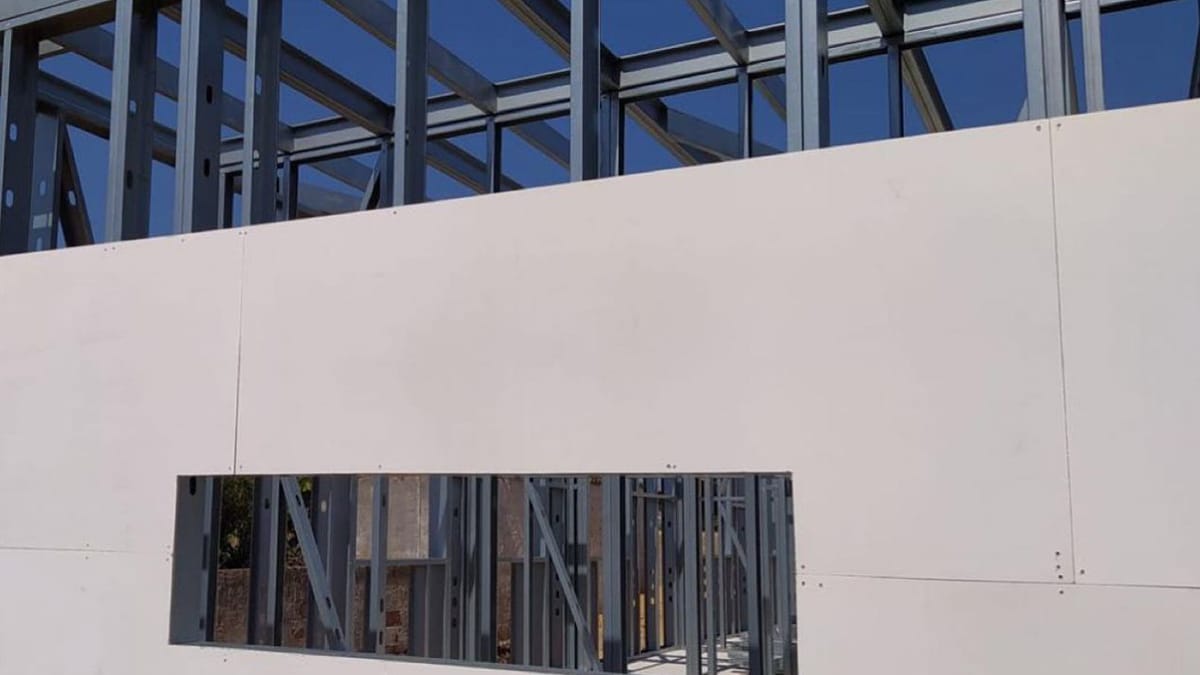 You must check the quality before using magnesium oxide wallboard. Good quality keeps buildings safer and stops problems. Construction technology can help you find the best wallboard. Pick trusted suppliers and make sure the wallboard follows all safety rules.
Certifications
Certifications prove a product meets strict rules. Always ask for third-party certifications when buying magnesium oxide wallboard. These show the board is safe, strong, and good for the environment. They also prove the board has high fire resistance and can handle tough places. Construction technology lets you check certifications fast.
Here is a table of common certifications for magnesium oxide wallboard:
Certification Type | Primary Focus | Key Benefits | Typical Applications | Standards Involved |
|---|---|---|---|---|
CE Marking | Safety & Regulatory Compliance | EU market access, legal conformity | General construction in Europe | Construction Products Regulation (CPR), EN 13501-1 |
Fire Resistance | Fire Safety | Non-combustible, high heat resistance | Hospitals, schools, high-rises | EN 13501-1, ASTM E84 |
ISO Certifications | Quality & Sustainability Management | Process consistency, environmental responsibility | Large infrastructure projects | ISO 9001, ISO 14001, ISO 45001 |
Green Building | Environmental Impact | VOC-free, recyclable, energy-efficient | Eco-homes, LEED-certified buildings | LEED, BREEAM, WELL Building Standard |
Tip: Always check for fire resistance certifications like EN 13501-1 and ASTM E84. These show the board will protect your building in case of fire.
Manufacturer reputation
You should learn about the manufacturer before you buy. Good manufacturers use advanced construction technology and make reliable wallboard. You can read reviews and ask builders about their experience. Trusted brands give you more benefits and help your project go well.
Here is a table of leading magnesium oxide wallboard manufacturers:
Manufacturer | Key Features | Certifications |
|---|---|---|
Sulfycor | Eco-friendly, chlorine-free, fireproof, strong, sound-blocking | ASTM, ANSI, NFPA |
Magnum Building Products | High bending strength, moisture resistance, reliable, versatile | ASTM, ANSI, NFPA |
DragonBoard | Certified, great fire and water resistance, handles extreme conditions | ASTM, ANSI, NFPA |
Look for companies that answer your questions quickly. Good customer support helps you pick the right wallboard and fix problems fast. You get help with installation and can solve issues without wasting time or money.
Quick answers to your needs
Help with picking and installing wallboard
Fast solutions for any problems
Note: A strong reputation means you get more benefits and safer results for your project.
Warranty and support
Warranty and support matter for every project. Check the warranty terms before buying magnesium oxide wallboard. Most boards have a 5-year warranty for defects. This gives you peace of mind and protects your money. Construction technology helps you track warranty claims and get support when needed.
Here is a table comparing warranty terms:
Product Type | Warranty Terms |
|---|---|
Magnesium Oxide Wallboard | 5-year warranty for defects |
Gypsum Board | N/A |
Pick products with clear warranty terms and strong support. If you have a problem, you can get help fast. Good support helps you finish your project on time and avoid extra costs.
Callout: Always ask about warranty and support before you buy. This helps you get the most benefits from your wallboard and keeps your project safe.
Installation tips

Storage and handling
You should keep magnesium oxide wallboard flat in a dry place. Put the boards on dunnage, matting, or wood so they do not touch the ground. Never put heavy things on top of the panels. Carry the boards upright to keep the edges safe. Use good lifting methods or ask someone to help with big panels. When you move the panels, use padding or corner guards to stop damage. These steps help stop warping, breaking, or tipping over.
Keep boards flat on a strong surface.
Only stack as many layers as allowed.
Protect corners and edges when moving.
Keep boards dry and off the ground.
Cutting and safety
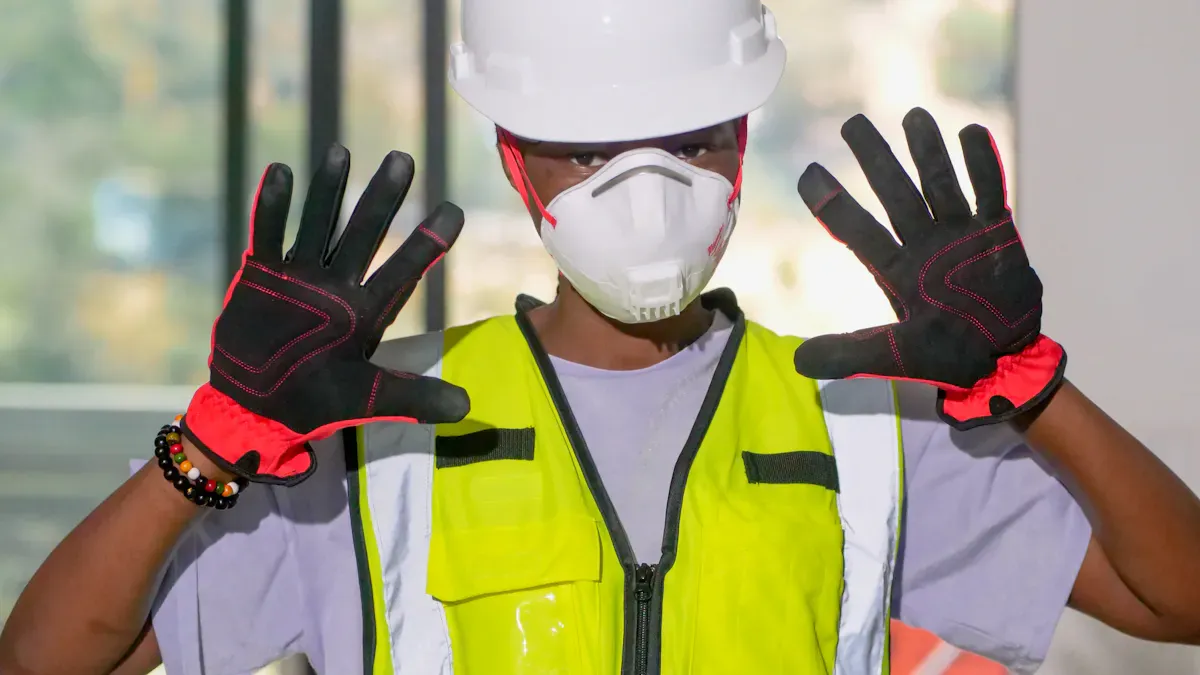
You must stay safe when cutting magnesium oxide wallboard. Wear goggles or safety glasses to protect your eyes. Use a dust mask or respirator so you do not breathe in dust. Wear gloves to keep your hands from getting cut. Cut the boards where there is fresh air or use a dust remover. Make sure your workspace is clean and has no tripping hazards.
Always use safety gear.
Cut where air moves well.
Keep your work area neat and tidy.
Fasteners and adhesives
You need the right fasteners and adhesives for safe work. The table below shows what to use:
Fastener Type | Description |
|---|---|
Wood Studs | Use #8 flat head fasteners with high/low threads and a sharp drill point. |
Metal | Use 18 gauge or heavier; #8 flat head screw with nibs for countersinking and a self-drilling point for light gauge metal. |
Adhesive | Apply select construction adhesive to the exposed edge and along seams. |
Follow these rules for putting in fasteners:
Fastener Installation | Guidelines |
|---|---|
Corner Distance | No closer than 4” from corners. |
Perimeter Spacing | 6” apart. |
Center Spacing | 12” apart. |
Edge Distance | About 9/16” from board edge. |
Installation requirements
Magnesium oxide wallboard is not waterproof. You must control moisture well. For inside rooms, put a vapor barrier behind the board. Use a water-resistant primer or coating before you finish. Seal all joints with a waterproof compound to keep water out. For outside jobs, use a full waterproofing system with membranes and cladding. Never let the board sit in water for a long time.
Tip: Some boards need special primers or coatings. Always read the manufacturer’s instructions before you begin.
Potential drawbacks
Cost considerations
Magnesium oxide wallboard costs more than gypsum board. You pay more at first. You might need skilled workers to install it. Over time, you save money. The board stops mold, water, and fire damage. You spend less on repairs and maintenance. The table below shows how costs compare:
Factor | Magnesium Wall Board | Gypsum Board |
|---|---|---|
Initial Material Cost | Higher | Lower |
Installation Cost | May be higher | Lower |
Long-term Maintenance | Low | Higher |
Overall Value | Saves money over time | Can cost more if repairs are needed |
If you think about the future, magnesium oxide wallboard gives more value. You do not need to fix it often. You get fire resistance and durability.
Installation challenges
You may have problems when installing magnesium oxide wallboard. The board can take in moisture. This can make paint peel or mold grow. Chloride ions can make metal fasteners rust. Cracks and warping can happen if you store boards wrong or tighten screws too much. Some paints and coatings do not stick well. The table below lists common problems and solutions:
Challenge | Description | Solutions |
|---|---|---|
Moisture Absorption and ‘Sweating’ | Board absorbs moisture, causing paint to peel and mold to grow. | Use boards with low chloride, apply waterproof sealants, ensure good ventilation. |
Corrosion of Metal Components | Chloride ions cause rust on metal fasteners. | Choose low chloride boards, use corrosion-resistant fasteners, apply protective coatings. |
Cracking and Warping | Uneven drying or improper storage leads to cracks and warping. | Store boards flat, let them acclimate, avoid over-tightening, apply joint compounds evenly. |
Limited Compatibility with Finishes | Some paints and coatings do not stick well. | Select compatible finishes, test adhesion before applying. |
You can fix most installation problems by following instructions and using the right materials.
Moisture sensitivity
Magnesium oxide wallboard handles moisture better than gypsum board. Mold does not grow behind your walls. The board stays strong in wet and dry cycles. It resists rot and insect damage. Lab tests show the board does not swell or bend after water exposure. You can use it in bathrooms and kitchens where moisture is common.
The board does not soak up water, so it keeps its shape.
It works well in humid places and stays strong after freeze-thaw cycles.
You get reliable performance in wet areas.
You protect your building from moisture damage. You also get fire resistance and durability.
Common mistakes to avoid
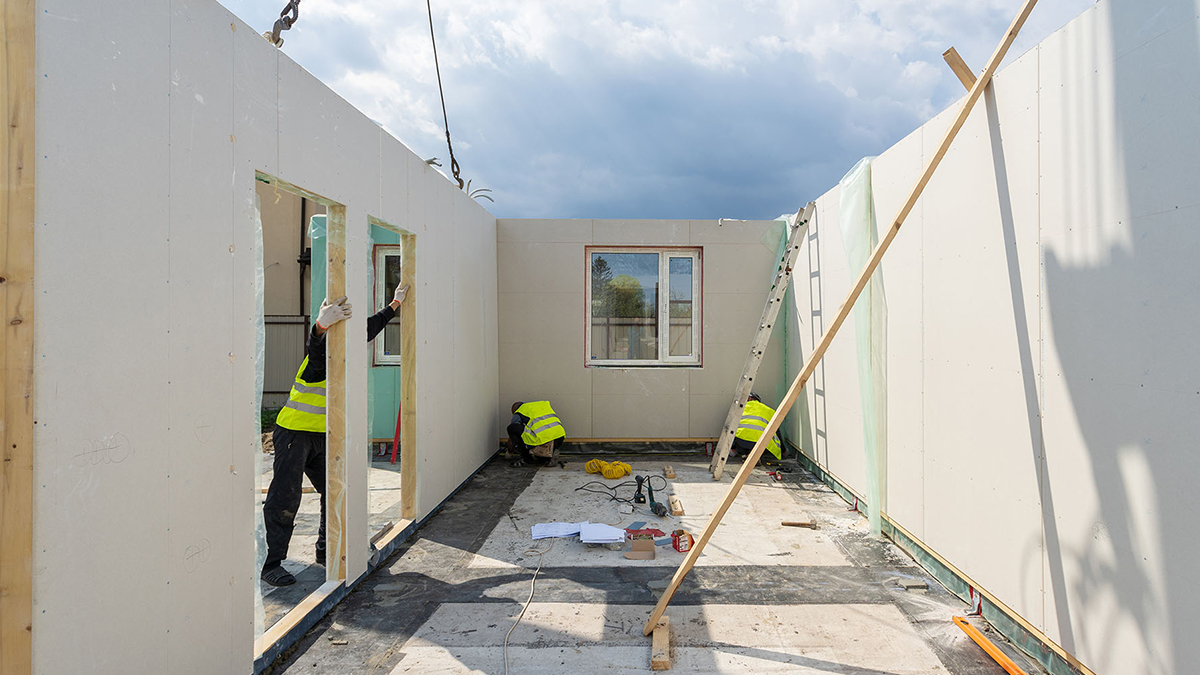 When you use magnesium oxide wallboard, you should not make common mistakes. These mistakes can make your project unsafe or not work well. If you know about these errors, you can build walls that are safer and stronger.
Overlooking certification
Sometimes people forget to check for certifications when they buy wallboard. This is a big mistake and can make your project unsafe. Certified boards follow strict safety and quality rules. If you do not check, you might get boards that do not stop fire or water. Always look for marks like EN 13501-1, ASTM E84, and CE. These marks show the board is tested and safe.
Tip: Ask for certification papers before you buy. This keeps your building safe and helps you feel calm.
Here are other mistakes you should not make:
The wrong tool can chip or break the board.
Too much force can make cracks.
No expansion gaps can cause warping.
Not wearing safety gear can make you breathe dust or get hurt.
Bad handling or storage can break the board.
Screws that go in too far make weak spots.
Bad joint treatment can cause cracks.
Not stopping moisture lets mold grow.
Not enough support makes boards bend.
Bad cutting leaves rough edges.
Ignoring compatibility
You must check if magnesium oxide wallboard works with other materials. If you do not, you might see paint peel, metal rust, or weak joints. The board can soak up water and is alkaline, which can cause problems.
Issue Type | Description |
|---|---|
Moisture Absorption | Boards take in water, which can cause rust and mold. |
Alkaline Nature | Paints and glues may not stick, so they peel or bubble. |
Joint Compound Adhesion | Water can make joint compounds weak, so cracks or breaks happen. |
To stop these problems, use special joint compounds, wide fiberglass tape, and stainless steel screws. Leave small spaces for the board to expand and put barriers between metal and the board.
Skipping expert advice
You might think you can put up wallboard without help, but experts make it safer and better. Professionals know how to stop moisture, keep boards flat, and seal seams. They help you plan where to put boards, secure the frame, and leave the right gaps.
Wear safety gear and get your work area ready to stay safe. If you work near wires or pipes, ask an expert for help.
You build stronger walls when you listen to experts and do not make these mistakes. This keeps your project safe and strong.
You can make your project safer if you pick magnesium oxide wallboard with clear certification labels and trusted reports. Always check if the board resists fire, water, and mold. Follow the installation guides and local rules. Compare boards to find the best one for your needs. Use places like the Magpanel MGO Board Learning Center to get expert advice.
Criteria | Importance |
|---|---|
Certification labels | Shows board safety |
Technical data sheet | Confirms board testing |
Third-party reports | Ensures fair testing |
Ask professionals for help and check certifications before you begin. Make smart choices to protect your building and keep everyone safe.
FAQ
What tools do you need to cut magnesium oxide wallboard?
You can cut thin boards with a utility knife. For thick boards, use a circular saw with a carbide-tipped blade. Always wear safety goggles and a dust mask to stay safe.
Can you paint or tile over magnesium oxide wallboard?
Yes, you can paint or tile on the board. Use a primer that works with the board before painting. For tiles, use the right adhesive. Always check the manufacturer’s instructions first.
Is magnesium oxide wallboard safe for bathrooms?
Yes, you can use it in bathrooms. The board does not let water or mold in. Make sure to seal all joints and edges for the best results.
How does magnesium oxide wallboard compare to gypsum board?
Feature | Magnesium Oxide | Gypsum Board |
|---|---|---|
Fire Resistance | High | Moderate |
Moisture Proof | Yes | No |
Mold Proof | Yes | No |
Do you need special fasteners for installation?
Tip: Use screws that do not rust or stainless steel fasteners. This stops rust and keeps your wall strong.