
23 Mar Top 7 Fire-Resistant Wallboards for Safer Construction in 2026
You want your building to be safe from fire. Here are the top 7 fire-resistant wallboards for 2026:
Type X gypsum fire-resistant wallboard
Type C gypsum fire-resistant wallboard
Glass-mat fire-resistant wallboard
Fiber-reinforced calcium silicate board
Cement fire resistant wallboard
Magnesium Wall Board fire
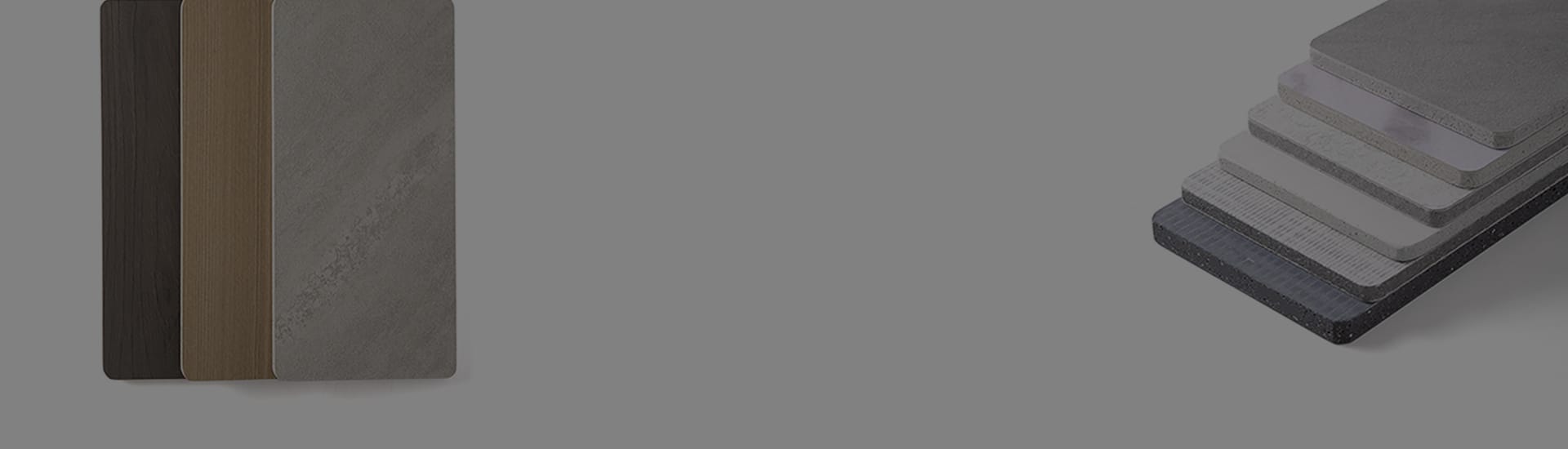
Decorative fireproof wall board
Fire-resistant wallboard helps keep buildings safe in wildfires. In California, new rules made buildings safer. After these rules, 59.4% of newer buildings survived the 2018 Camp Fire. Only 21.0% of older buildings survived. These wallboards help stop fire and heat from spreading fast. You can look at fire ratings, how strong they are, price, how easy they are to put in, and if they follow the rules. This helps you pick the best one for your home or business.
Key Takeaways
Fire-resistant wallboards help stop fire from spreading fast. This gives people more time to get out safely. – Pick wallboards by looking at fire ratings and what they are made of. Also, check if they can handle moisture for better safety. – Always look at local building codes. Make sure your wallboard choice meets safety rules. – Think about how easy it is to install and how much it costs. This helps you pick the best fire-resistant wallboard for your project. – Using fire-resistant wallboards can make insurance cheaper. It also makes the building safer for everyone.
Fire-Resistant Wallboard Basics
 What Is a Fire-Resistant Wallboard
 What Is a Fire-Resistant Wallboard
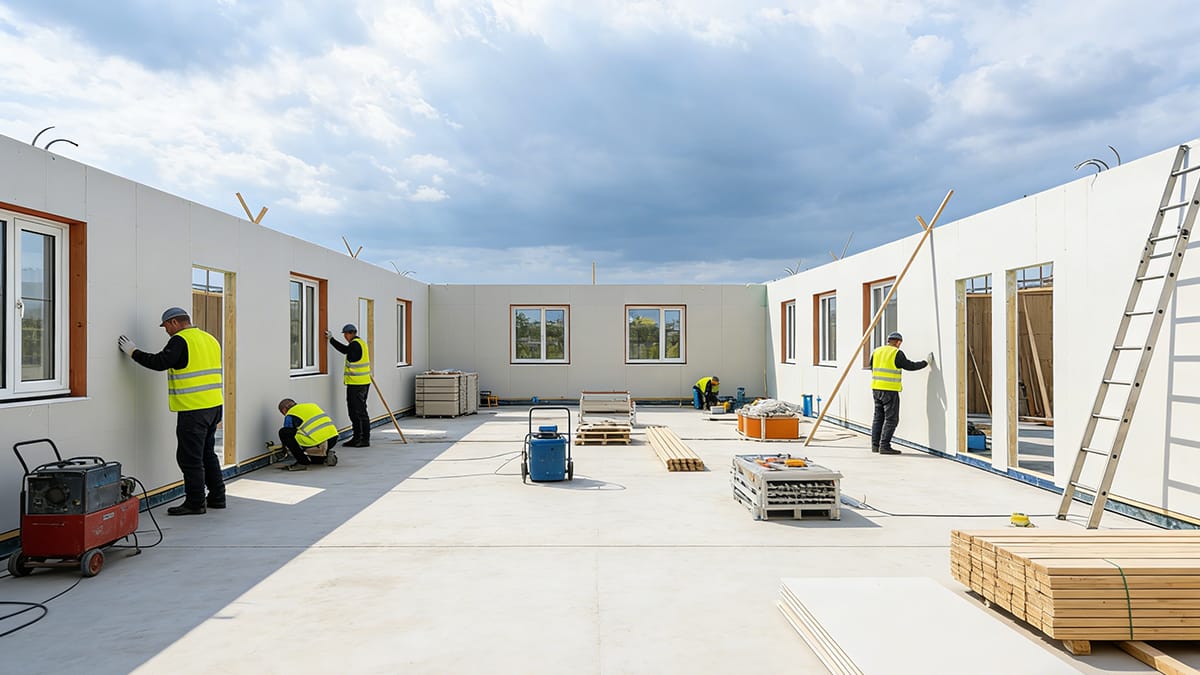
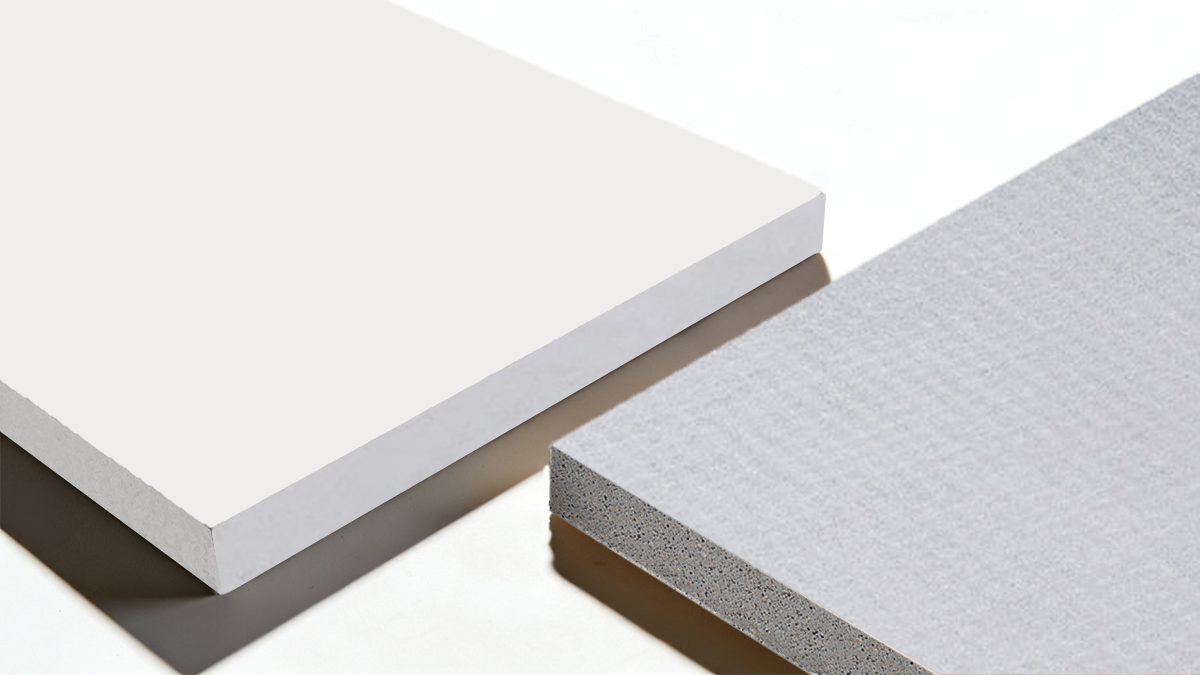
You use a fire-resistant wallboard to slow down the spread of fire in a building. This special wallboard meets strict fire rating rules set by building codes. It helps protect people and property by giving you more time to escape during a fire.
Fire-resistant wallboard is a key part of passive fire safety.
It must meet certain fire resistance ratings to be used in homes and businesses.
You find these wallboards in walls, ceilings, and other parts of buildings where fire safety is important.
The main materials in fire resistant wallboard include:
Magnesium oxide (MgO) boards, which do not burn and can handle very high heat.
Cement boards, which are also non-combustible and stay strong even when wet.
Why Fire-Resistant Wallboards Matter
You want your building to be as safe as possible. Fire-resistant wallboard helps you reach that goal.
It slows down fire, giving you and others more time to get out safely.
It helps keep the structure of your building strong during a fire.
Insurance companies often give lower premiums to buildings with good fire safety features, like fire resistant wallboard.
Using these wallboards can help you meet fire safety codes and lower your risk.
Tip: Buildings made with non-combustible materials, such as fire-resistant wallboard, often have better fire safety ratings and cost less to insure.
How Fire Ratings Work
You need to know how fire rating tests work to choose the right fire resistant wallboard.
Fire rating shows how long a wallboard can stop fire and heat.
Testing labs use special standards to check fire safety.
Purpose | Description | |
|---|---|---|
ASTM E119 | Fire resistance | Tests how long a wallboard assembly can resist fire and stay strong. |
ASTM E84 | Flame spread | Measures how fast flames move across the wallboard and how much smoke it makes. |
ASTM C1396 | Material properties | Checks the strength and features of the wallboard. |
You should always look for the fire rating on the product label. This helps you pick the best fire-resistant wallboard for your project and keeps your building safe.
Choosing the Right Fire Resistant Wallboard
Key Selection Criteria
 Key Selection Criteria
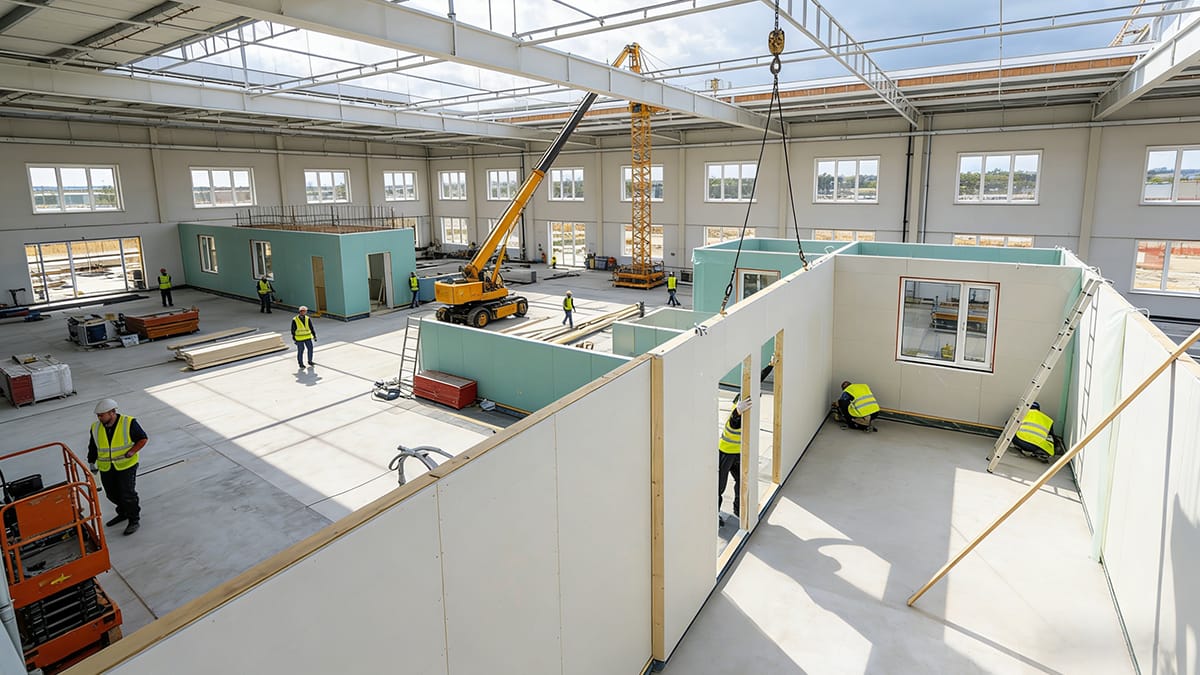
You want to choose the best fire resistant wallboard for your project. Start by looking at the most important features. Each project has different needs, so you should compare the options carefully. The table below shows what you need to check before you decide:
Criteria | Description |
|---|---|
Fire Rating and Standards | Shows how long the wallboard can stop fire, measured in minutes (30, 60, 90, 120). |
Material Composition | Tells you what the wallboard is made of, like gypsum, cement, calcium silicate, MgO, or fibers. |
Moisture and Mold Resistance | Important for bathrooms or kitchens; helps keep fire safety strong even in damp places. |
Cost vs. Performance | Helps you balance price with how long the wallboard lasts and how well it protects. |
You should always check the fire rating first. This number tells you how long the fire-resistant wallboard can keep fire away. Next, look at the material. Some materials, like magnesium oxide, offer better fire safety and last longer. If you build in a wet area, pick a wallboard that resists mold and moisture. Think about your budget, but do not forget that better fire safety can save money in the long run.
Tip: A higher fire rating means more time for people to escape and for firefighters to arrive. Always match the fire-resistant wallboard to your building’s needs.
Building Code Compliance
You must follow local building codes when you pick a fire resistant wallboard. These codes set the minimum fire safety standards for homes and businesses. They tell you which fire-resistant wallboard you can use and where you must install it. Most codes require a certain fire rating for walls between rooms, in stairwells, and around exits. Some codes ask for special wallboards in kitchens or garages.
Check your city or state rules before you buy. If you use the wrong wallboard, you may have to replace it later. This can cost more and delay your project. Always ask a building inspector or fire safety expert if you are not sure. Meeting code rules keeps your building safe and helps you pass inspections.
Top 7 Fire-Resistant Wallboards for 2026
Type X Gypsum Fire-Resistant Wallboard
Type X drywall is a trusted fire resistant wallboard. Many homes and businesses use this gypsum fire-resistant wallboard. It meets strict fire safety codes. The board has special additives. These help it resist heat for longer.
Aspect | Type X Gypsum Board |
|---|---|
Fire Resistance Rating | |
Composition | 5/8 inches thick; first fire code product |
Typical Applications | Shaft walls, stairwells, firewalls |
You can use type x drywall in stairwells and firewalls. It works in homes and businesses. To install, you plan and measure. Hang the ceiling first. Add insulation. Screw down sheets. Tape and mud. Inspect and sand. The average cost in 2026 is $1.50 to $3.50 per square foot. This includes labor and materials. Prices are up 5-7% from last year.
Tip: Always check the fire resistance rating on the label. Make sure you meet your local building codes.
Pros:
Reliable 1-hour fire resistance rating
Easy to install and widely available
Meets most code requirements for fire rated wall panels
Cons:
Heavier than regular drywall
May need more layers for higher fire ratings
Type C Gypsum Fire-Resistant Wallboard
Type C gypsum fire-resistant wallboard gives better fire performance than type x drywall. This board uses more glass fibers and special additives. It expands a little when heated. This keeps the wall strong during a fire.
Feature | Type C | Type X |
|---|---|---|
Fire Resistance Rating | 1 hour (5/8″), 45 min (1/2″) | |
Layers Required | Fewer layers in assemblies | More layers typically required |
Common Applications | Horizontal assemblies | Various fire-rated applications |
Type C drywall works best in ceilings and floors. You see it in commercial buildings. It needs fewer layers to get a high fire resistance rating.
Pros | Cons |
|---|---|
Enhanced fire resistance due to more glass fibers and special additives | Higher initial costs compared to regular drywall |
Expands slightly when heated to maintain structural integrity during fires | Needs proper installation for effectiveness |
UL-approved, meeting strict fire safety regulations | N/A |
Pick type C gypsum fire-resistant wallboard for fewer layers and better fire performance. It meets UL and other fire safety standards. It is a top choice for code compliance.
Glass-Mat Fire-Resistant Wallboard
Glass-mat fire-resistant wallboard is strong and resists moisture. It has a non-combustible gypsum core and a fiberglass mat. This boosts fire performance and strength. The wallboard resists mold and moisture. It is good for wet or humid places.
Test Standard | Fire Resistance Rating |
|---|---|
ASTM E136 | Non-combustible |
ASTM E119 | |
ASTM E84 | Class A/Type X |
You can use glass-mat fire-resistant wallboard on outside walls and ceilings. It fits curved walls and special shapes. Use it in schools, hospitals, and offices. The price in 2026 is $0.34 to $0.42 per square foot. It is cost-effective for big projects.
Note: Glass-mat wallboard can handle weather for up to 12 months before finishing the building.
Pros:
Excellent fire resistance rating (up to 2 hours in assemblies)
Mold and moisture resistant
Easy to cut and install
Cons:
Slightly higher cost than regular drywall
May need special fasteners for best results
Fiber-Reinforced Calcium Silicate Board
Fiber-reinforced calcium silicate wallboard gives very high fire resistance ratings. You can use this fire resistant wallboard in firewalls and stairwells. It is non-combustible and meets tough standards like ASTM E119 and UL 263.
Property | Details |
|---|---|
Fire Resistance Rating | |
Applications | Firewalls, stairwells, industrial |
Standards | ASTM E119, UL 263, BS 476 |
You get a strong board that resists dents and damage. This makes calcium silicate wallboard good for tall buildings and busy places.
Superior durability and long service life
Non-combustible and meets Class A fire ratings
Moisture resistant, so it works well in wet zones
Meets strict building codes, reducing risks
Pros:
Up to 4-hour fire resistance rating
Excellent impact and abrasion resistance
Reliable performance in humid environments
Cons:
Heavier and harder to cut than gypsum fire-resistant wallboard
Higher cost than standard drywall
Cement Fire Resistant Wallboard
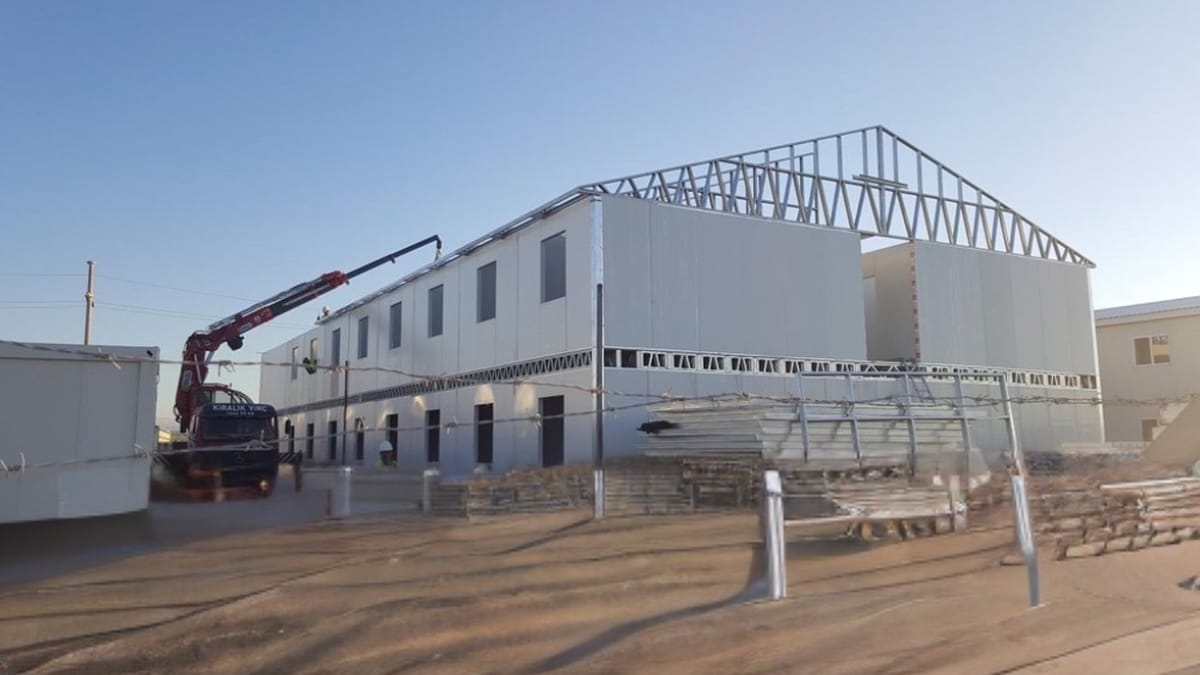 Cement fire resistant wallboard gives strong fire performance and moisture resistance. You can get 1- or 2-hour fire resistance ratings. The cement absorbs heat and slows its transfer. This helps protect the building during a fire.
You must install it properly. Follow the manufacturer’s instructions. Use the right fasteners. Make sure joints are tight. The fire resistance rating depends on the whole wall, not just the board. Cement wallboard stays strong even when wet. Use it in bathrooms, kitchens, and outside walls.
Tip: Always use cement fire resistant wallboard where you need fire and moisture protection.
Pros:
High fire resistance rating (up to 2 hours)
Keeps strength in wet conditions
Good for both inside and outside use
Cons:
Heavier than type x drywall
Needs careful installation for best fire performance
Magnesium Oxide Wallboard: Fire Performance
Magnesium oxide wallboard, or mgo boards, gives top fire performance and flexibility. You can use mgo boards anywhere you use gypsum fire-resistant wallboard. These panels are noncombustible and rated Class A1. They give 1-hour or 2-hour fire resistance without extra layers.
Assembly Type | Fire Resistance Rating |
|---|---|
Exterior Load-Bearing Wall | 1 hour |
Wall and Partition | 2 hours |
Panel Type | Fire Resistance Ratings |
|---|---|
Sheathing Panel, 1/2″ × 4′ × 9′ | ASTM E119, ANSI/UL 263 |
Sheathing Panel, 1/2″ × 4′ × 10′ | ASTM E119, ANSI/UL 263 |
Fire-Resistance-Rated Assemblies | ESL-1290, 1 hour; ESL-1290, 2 hours |
You get a lightweight but strong fire resistant wallboard. It is easy to handle. Mgo boards need less maintenance. They give a smooth finish. Use magnesium oxide wallboard for walls, ceilings, and sheathing outside.
Lightweight and easy to install
Fire resistance rating up to 2 hours
Meets ASTM E119 and ANSI/UL 263 standards
Works well in new builds and renovations
Pros:
Noncombustible and Class A1 rated
High fire performance with fewer layers
Low maintenance and versatile
Cons:
May cost more than regular drywall
Needs skilled installers for best results
Decorative Fireproof Wall Board
Decorative fireproof wall board lets you have style and safety. You can pick gypsum boards, cement boards, or composite panels. Each type has a fire resistance rating that meets modern codes.
Type of Board | Characteristics |
|---|---|
Gypsum Boards | Interior use, fire-resistant, versatile |
Cement Boards | Durable, good for high-moisture areas, fire-resistant |
Composite Panels | Lightweight, customizable, stylish and safe |
Decorative wall panels make your space look nice and keep you safe. Use these fire rated wall panels in lobbies, offices, hotels, and homes. Pick mgo boards or fiber cement wallboard for the best mix of fire performance and design.
Adds style and meets fire safety standards
Works in many places, from homes to businesses
Offers choices in color, texture, and finish
Pros:
Balances looks and fire resistance rating
Many options for different needs
Easy to match with your design
Cons:
Some decorative panels may cost more
Not all types offer the same fire performance
Note: Always check that your decorative fireproof wall board meets the fire resistance rating needed by your local code.
Magnesium Wall Board Fire Comparison
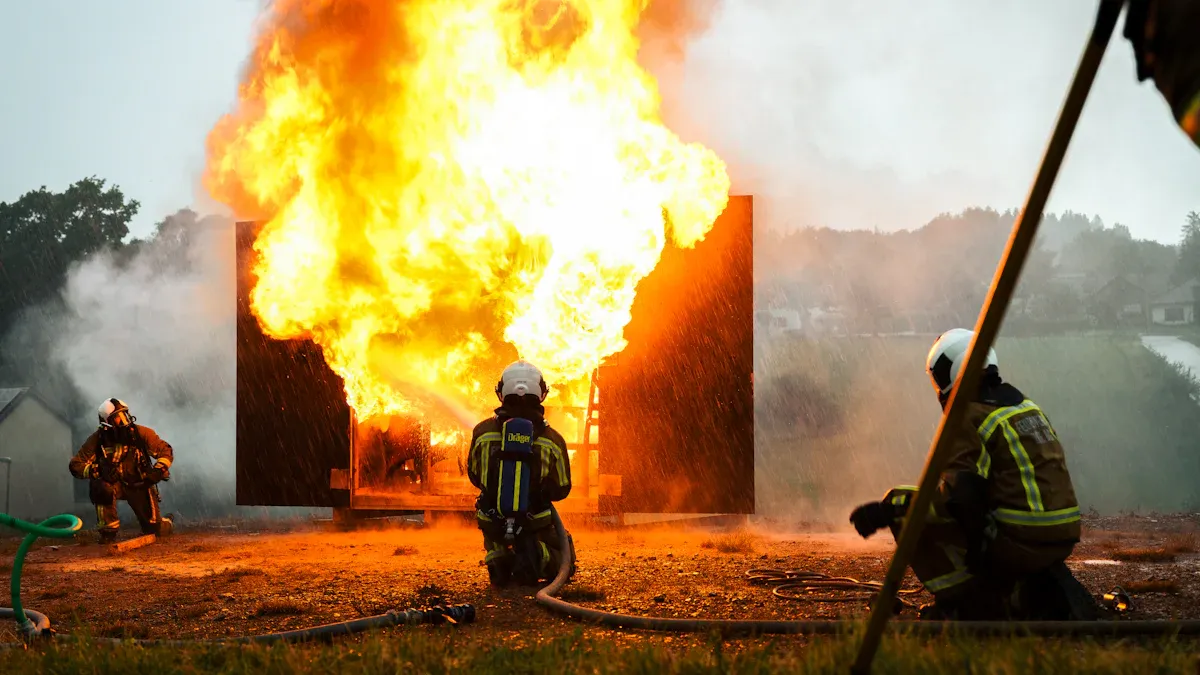
Magnesium Oxide vs. Other Wallboards
You might wonder how magnesium wall board fire panels compare to other wallboards. Magnesium oxide boards do not burn at all. They can handle very high heat. These boards stay strong even when there is a fire. Many builders like magnesium wall board fire panels because they are light. They are also easy to put up. You can cut them with simple tools. This helps workers save time.
Other fire resistant wallboard types, like gypsum or cement, also protect against fire. Gypsum boards work well in homes and offices. Cement boards stop fire and water but are heavier. They take more effort to install. When you look at magnesium wall board fire panels, you see they are strong and safe. They are also easy to use. You need fewer layers for the same fire rating. This means less work and less weight on your walls.
If you want a wallboard that is safe and easy to use, magnesium wall board fire panels are a smart pick.
Application Scenarios
You can use magnesium wall board fire panels in many places. These boards are good where you need fire and moisture protection. The table below shows where you might use magnesium wall board fire panels and other wallboards:
Description | |
|---|---|
Kitchens | Great for places with lots of water and fire risk. |
Basements | Keeps out water and protects from fire in lower floors. |
Commercial Interiors | Good for offices and stores that need fire safety. |
Schools | Makes schools safe and strong. |
Hospitals | Meets tough fire and health safety rules. |
Good for eco-friendly building projects. |
You can see that magnesium wall board fire panels work in many places. Use them in kitchens, basements, and businesses. Schools and hospitals also use them for safety and strength. If you care about the planet, you will like these boards for green building. When you need a wallboard that fights fire and moisture, magnesium wall board fire panels are a good choice.
Fire-Resistant Wallboard Comparison Table
When you pick a fire resistant wallboard, you want to compare them. The table below lets you see the main features side by side. This helps you find which wallboard works best for your needs.
Wallboard Type | Cost | Installation Ease | Pros | Cons | |
|---|---|---|---|---|---|
Type X Gypsum Board | 30–60 minutes | Most affordable | Lightweight, easy to cut | Affordable, easy to install, dependable | None mentioned |
Type C Gypsum Board | 1 hour or more | Affordable | Lightweight, easy to install | Excellent fire protection, good for high-risk areas | None mentioned |
Glass-Mat Board | 1–2 hours | Moderate | Easy to cut, needs special fasteners | Mold and moisture resistant, strong fire rating | Slightly higher cost |
Fiber-Reinforced Board | Strong fire resistance | Moderate | May need special fasteners | Durable, good impact resistance | Needs special fasteners |
Calcium Silicate Board | Longer than cement | More expensive | Brittle, careful handling needed | Very high fire rating, long-lasting | Harder to cut, higher cost |
Cement Board | Up to 90 minutes | More expensive | Heavy, labor-intensive | Good for wet areas, strong fire resistance | Heavy, harder to install |
Magnesium Oxide Board | Exceeds gypsum/cement | Higher initial cost | Easy with standard tools | Eco-friendly, flexible, strong fire resistance | Higher cost than gypsum |
Tip: Always pick the fire resistant wallboard that fits your project. Some boards are better for wet places. Others work best where fire risk is high.
Each fire resistant wallboard has its own good points. Some are simple to put in and do not cost much. Others give the most fire safety but need more care. Think about where you will use the wallboard and what is most important for your building.
You have many fire-resistant wallboard options. If you want the highest fire rating, Insulated Concrete Forms and steel cladding panels offer strong protection. Type X drywall gives you the best value for homes. MgO boards work well in damp spaces. Always check fire ratings like ASTM E119 and UL certifications. Follow these steps: choose the right wallboard, use fire-resistant tape and joint compound, seal all gaps, and inspect your work. Consult a professional and check local codes before you start your project.
FAQ
What is the main difference between Type X and Type C gypsum wallboards?
Type C wallboard has more glass fibers and special additives. This makes it better at stopping fire than Type X. You need fewer layers of Type C to meet fire safety rules.
Can you use fire-resistant wallboards in bathrooms or kitchens?
You can use fire-resistant wallboards in wet places. Pick boards that fight moisture and mold. Cement and magnesium oxide wallboards are good for bathrooms and kitchens.
How do you know if a wallboard meets fire safety codes?
Look at the label for fire ratings like ASTM E119 or UL 263. Ask your local building inspector if you are not sure. Make sure the wallboard fits your city’s code rules.
Are decorative fireproof wallboards as safe as regular fire-resistant boards?
Decorative fireproof wallboards give you safety and style. Always check the fire rating before you buy. Some decorative panels use the same materials as regular boards and meet fire codes.