
03 Apr How Can You Install Magnesium Wall Board Like a Pro
You can get great results when you install magnesium wall board. You do not need to have done this project before. This guide helps you install easily. It also helps you avoid common mistakes. People often let moisture build up. This can damage fasteners or cause mold. Some people do not space or seal boards right. This can make cracks appear. Magnesium wall board gives strong environmental benefits. It helps when you build an interior wall. You use less energy and get better indoor air quality:
Environmental Benefit | Description |
|---|---|
Lower energy production | Needs less energy than regular drywall. |
Carbon dioxide absorption | Holds up to 40% of CO2 when made. |
Recyclability | Can be recycled or reused, so less waste. |
Durability | Stops fire, mold, and water for fewer repairs. |
Indoor air quality | Has no bad chemicals for cleaner air. |
Green building certifications | Helps you get LEED and BREEAM certifications. |
With the right steps and tips, you can feel sure as you begin your project.
Key Takeaways
Use the correct tools and materials for the job. You need a tape measure, utility knife, and level. Use strong fasteners like stainless steel screws for strength.
Get the area ready before you start. Look for any damage and clean the surfaces. Leave small gaps so the board can expand. This helps stop cracks and warping later.
Cut and fit the board the right way. Measure carefully and cut with steady hands. Smooth the edges so the board fits well. This makes the wall look better and stronger.
Seal all joints and seams well. Use fiberglass mesh tape and good joint compound. This makes the surface smooth and keeps out moisture. It also helps the wall last longer.
Check your work when you finish. Look for any damage and make sure seams are sealed. Clean up any dust. A neat job looks good and will last a long time.
Tools and Materials for Magnesium Wall Board
Essential Tools Checklist
You need the right tools to do a good job. Start with these important items:
Use a tape measure and square ruler to measure things.
Use a utility knife or a circular saw with a carbide blade to cut the board.
Use a screwdriver, drill, or nail gun to attach the board.
Use a pencil to mark where you need to cut.
Use a level to make sure everything is straight.
Cutting with the right tools helps you get smooth, straight edges. This keeps the board strong and helps the seams fit well. Good fastening tools help the board stay flat and not move.
Materials and Fasteners
Pick strong materials and fasteners for the best results. Here are some top choices:
316-stainless steel screws do not rust and are safe in fires.
Ceramic-coated fasteners last a long time.
REMFORM® II F™ screws hold things together very well.
4.8 x 42mm Bi-Metal Screws work for Magpanel MGO.
Always pick the right fastener for your project. For wet places, use stainless steel. These fasteners help your fire-resistant sheet material stay safe and strong for a long time.
Safety Gear
Safety is important when you use magnesium oxide boards. Always wear:
Cut-resistant gloves to keep your hands safe.
Safety goggles to protect your eyes from dust and small pieces.
Supportive shoes to keep your feet safe.
A dust mask when you cut, sand, or shape the board.
Use a lift or ask someone to help move big panels.
Tip: Do not sweep dry dust. Clean up dust with wet methods or a HEPA vacuum.
People who wear safety gear get hurt less often. Always use OSHA lifting rules to keep your back safe.
Note: Your tools and materials might change if your project is bigger or in a different place.

Property | Test/Standard | Result/Rating |
|---|---|---|
Fire Resistance | UL 055, ASTM | Class A rating; up to 1472°F (800°C) |
Fire Rating | A1 (EN 13501-1) | Highest non-combustible class |
Fire Resistance Duration | 12mm board | Over 1 hour |
ASTM E84 Flame Spread |
| 0 to 25 (Class A) |
ASTM E84 Smoke Developed |
| Under 450 |
Preparation for MGO Board Installation
Inspect and Measure the Area
You start by checking the installation area. Use a tape measure to find the length and width. Mark the size with a pencil or chalk. Plan where you will place each board. Leave a small gap, about 1/8 inch, between boards for expansion. Look for cracks, holes, or uneven spots. Fix any damage before you continue. Clean the surface so the boards stick better. Use a spirit level to check for high or low spots. Sand down bumps or fill dips with leveling compound. Make sure the area is dry, especially in humid rooms. This step helps you install the mgo board accurately and prevents future problems.
Prepare the Surface and Framing
Surface preparation is important for a strong wall. Remove dirt, dust, or old materials. Use a leveling mix if the surface is not flat. Check that wall studs are straight and spaced correctly. Fix dips or bumps on floors before you start. Apply a primer to help the boards stick and look better. Fill gaps and cover screws with joint compound. Sand lightly for a smooth finish. These steps help the board last longer and keep your wall safe from moisture.
Workspace Setup and Safety
Set up your workspace for safety and efficiency. Keep the room at least 59°F. Use heaters if you work in winter. Clean the wall and make sure the area has fresh air. Store boards flat and off the ground. Keep them away from damp spots. Cover boards if you store them outside. Let boards sit in the room for two days so they adjust to the environment. Use the right tools like a circular saw, utility knife, and measuring tape. Good workspace setup protects you and your materials.
Property | Value |
|---|---|
Moisture Absorption | 0.34% |
Moisture Movement | 0.1% – 0.12% |
Performance in Humidity | No swelling, bending, or falling apart |
Tip: Magnesium wall board resists moisture and mold. It works well in bathrooms, kitchens, basements, and laundry rooms.
Installing Magnesium Wall Board
 Cutting and Fitting Boards
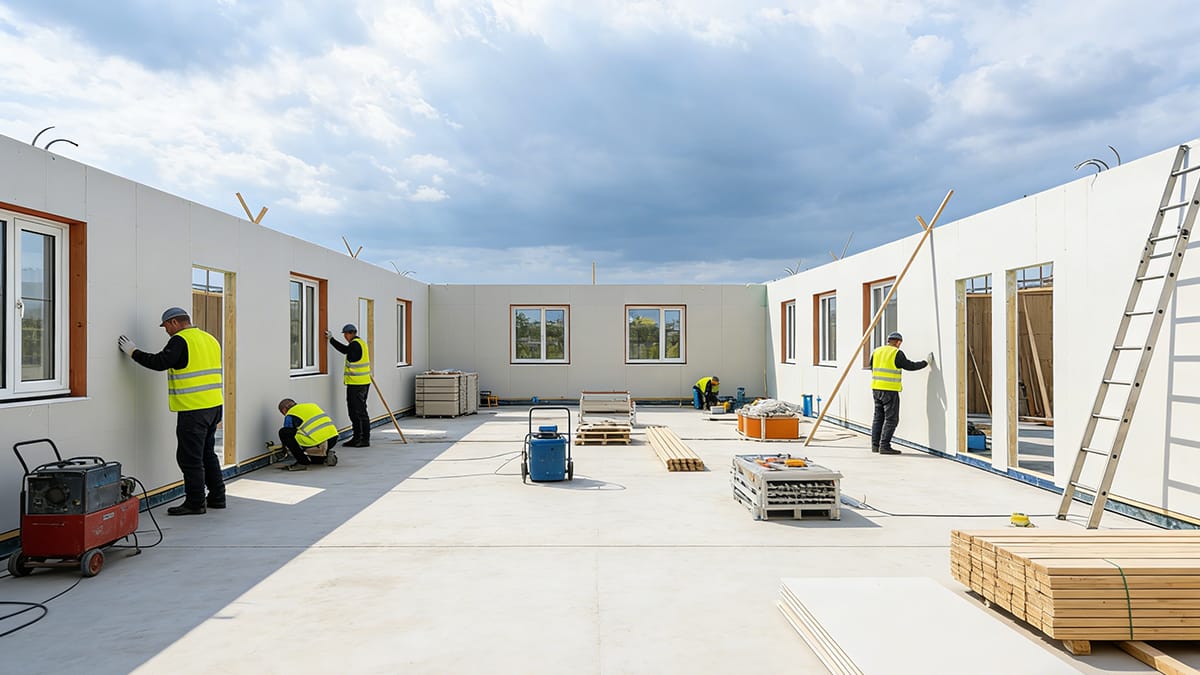 Cutting and Fitting Boards
You start the installation by cutting and fitting each board. Follow this step by step process to get precise results:
Measure the area where you want to place the mgo board. Mark the cut line with a pencil.
Place the board on a stable surface. Support larger boards so they do not sag.
Choose your cutting tool. Use a utility knife for thin boards (up to 8mm). Use a circular saw with a carbide-tipped blade for thick boards. For extra control, a plunge saw with a diamond blade works well.
Cut along the marked line. Keep steady pressure and follow the line carefully.
Smooth the edges with sandpaper or a file. This helps the boards fit together without gaps.
Clean up dust with a vacuum. Wear a dust mask during cleanup.
Tip: Always cut boards in a well-ventilated area. This keeps the workspace safe and clean.
You get the best results when you use the right tools. Circular saws with thin carbide blades make clean cuts. Plunge saws with diamond blades help with thick boards. Utility knives work well for thinner mgo board.
Securing with Fasteners
After you cut and fit the boards, you secure them with fasteners. Magnesium wall board needs strong fasteners to stay flat and safe. You must place fasteners in the right spots for the best holding strength.
Use 316 stainless steel or ceramic coated screws. These prevent rust and last longer.
For Magpanel mgo board, use 4.8 x 42mm Bi-Metal Drywall Screws.
Use #8 flat head screws for wood studs. Use #8 flat head screws with nibs for metal framing.
Pneumatic nails work for lighter gauge materials.
Fastener Type | Application Description |
|---|---|
316-stainless steel fasteners | Prevent corrosion for traditional magnesium wall board. |
Ceramic coated fasteners | Good for cement board products. |
4.8 x 42mm Bi-Metal Drywall Screws | Best for Magpanel mgo board. |
#8 flat head screws | Use for wood studs. |
#8 flat head screws with nibs | Use for metal framing. |
Pneumatic nails | Use for lighter gauge materials. |
You must place fasteners no closer than 4 inches from corners. Put perimeter fasteners 6 inches apart. Place center fasteners 12 inches apart. Keep fasteners 9/16 inch from the edge. Support the ends with joists. Use fasteners at 16-inch centers for most walls. For floors or roofs, use 24-inch centers. Leave a 1/8 inch gap between boards and walls for expansion.
Note: Magnesium wall board is stronger than gypsum board and lighter than cement board. This makes installation easier and safer.
Checking Alignment and Spacing
You check alignment and spacing to make sure the boards sit flat and stress-free. Use a laser or spirit level to keep the boards straight. Maintain correct screw spacing so the boards do not move under load. Make sure screws go into the framing without over-driving. Over-driving can damage the mgo board.
Let the boards acclimate in the room for 48 hours before installation. This prevents bending or warping.
Keep a 1/8 inch gap around walls for expansion.
Use a 1/16 inch gap between boards on steel framing.
Fasten with stainless steel or ceramic-coated screws.
Installation Aspect | Best Practice / Quantitative Tip |
|---|---|
Acclimation Time | |
Screw Spacing | 16″ centers recommended |
Edge Gap (Expansion) | 1/8 inch around perimeter walls |
Board Placement Gap | 1/16 inch between boards on steel framing |
Fastener Material | 316 stainless steel or ceramic coated fasteners |
Callout: Improper alignment can cause sagging or warping. This is especially true for ceilings and floors. Always check your work as you go.
You get a professional finish when you follow these steps. You avoid stress and movement in the boards. You keep your magnesium wall board strong and safe for years.
Finishing Magnesium Oxide Board
Sealing Joints and Seams
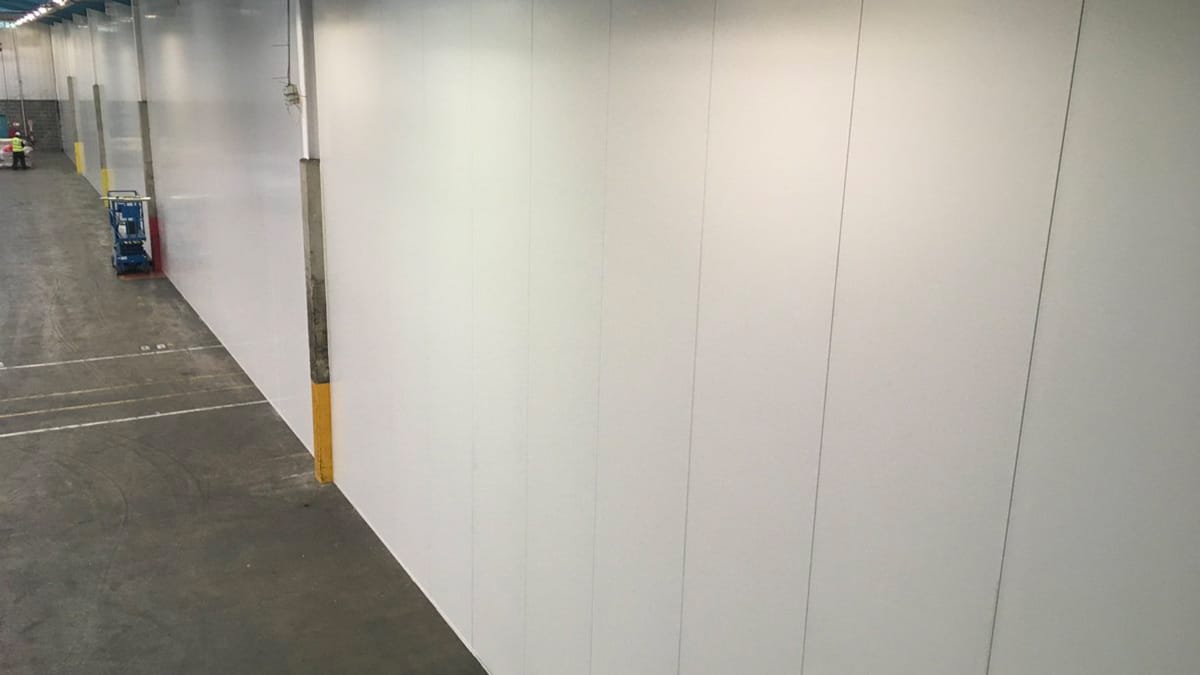 Sealing Joints and Seams
You create a seamless finish by sealing all joints and seams. Start by applying fiberglass mesh tape over every seam. This tape helps prevent cracks and gives a smooth surface. Next, use a high-quality joint compound. Spread the compound over the tape and feather the edges so the board blends together. Let the compound dry, then sand it until the surface feels even. For exterior walls, use a weather-resistant sealant to protect against moisture. Seal all screw holes and penetrations with a water-resistant sealant. This step keeps your board strong and stops water from getting inside.
Fiberglass mesh tape covers seams and joints.
Joint compound smooths the surface.
Sanding prepares the board for finishing.
Weatherproofing protects exterior boards.
Water-resistant sealant covers screw holes.
Tip: Always check for gaps after sealing. Fill any spaces to prevent moisture problems.
Priming and Painting
You prepare the board for painting by using the right primer. Choose a water-based primer for indoor walls. For outdoor boards, pick a moisture-resistant primer. Apply the primer with a roller or sprayer. Make sure you cover the board evenly and let it dry as the manufacturer suggests. After priming, use latex-based or acrylic paint. Apply two coats for durability. Wait for the first coat to dry before adding the second. If you want a textured finish, use a texture compound after priming, then paint over it. For exterior boards, re-seal every few years to protect against weather and UV damage.
Water-based primer for interiors.
Moisture-resistant primer for exteriors.
Latex or acrylic paint for durability.
Two coats improve the board’s look and strength.
Texture compound adds design options.
Final Inspection and Cleanup
You finish your project by inspecting and cleaning the area. Look for any damage on the board. Check that all joints and seams are sealed. Make sure the board feels smooth and looks even. Clean up dust and debris to keep the workspace safe. Use a wet method or HEPA vacuum for dust. Confirm that you applied mesh tape, primer, paint, and sealant. This checklist helps you get a professional result and keeps your board in good condition.
Inspect for damage or cracks.
Check sealed joints and seams.
Clean up dust and debris.
Confirm all finishing steps.
Callout: A clean and well-inspected board lasts longer and looks better.
Pro Tips for MGO Board Success
Avoiding Common Mistakes
 Avoiding Common Mistakes
You can avoid problems during mgo board installation if you know what to watch for. Many people make mistakes that lead to cracks, warping, or weak walls. Use this table to spot common errors and learn how to prevent them:
Mistake | Prevention Strategy |
|---|---|
Over-Driving Screws | Stop screws when they are flush. Do not press too hard or you will crush the board. |
Incorrect Joint Treatment | Apply tape and joint compound carefully. Cover all seams to prevent gaps and cracks. |
Improper Moisture Protection | Use vapor barriers and waterproof coatings in wet rooms. This stops swelling and mold. |
Insufficient Structural Support | Check framing and fastener spacing. Boards need strong support to avoid sagging. |
Poor Cutting Practices | Use sharp tools and support the board while cutting. This prevents chipping. |
Tip: Always measure and plan before you start. Leave expansion gaps so the mgo board can move without cracking.
Troubleshooting Issues
You may face problems like board warping or loose fasteners during installation. Try these steps to fix issues quickly:
Store mgo board flat in a dry, ventilated area.
Let boards acclimate to the room for at least 48 hours before installation.
Avoid over-tightening screws. Use the right fasteners and spacing.
Apply joint compounds and coatings evenly. This prevents uneven expansion.
Note: If you see cracks or gaps, check your joint treatment. Fill screw holes and seams with joint compound for a smooth finish.
Achieving a Professional Finish
You can make your mgo board look great and last longer with a few expert techniques. Follow these best practices for a seamless result:
Prepare the surface. Clean and dry the area before you start.
Seal all joints and seams with high-quality joint compound or flexible sealant.
Fill screw holes for a smooth surface.
Prime the board before painting. This improves adhesion and moisture resistance.
Plan your layout. Leave expansion gaps and measure carefully.
Refer to the manufacturer’s data sheet for fastener types and joint treatment.
Surface Finish Type | Description |
|---|---|
Smooth Finish | Paint, wallpaper, or thin veneers go directly on the board for a clean look. |
Rough or Textured Finish | Use for tiling, plastering, or rendering. Works well in wet areas or outside. |
Callout: Use corrosion-resistant fasteners and compatible joint tapes. Expansion joints help prevent cracks in high-humidity rooms.
You get a strong, beautiful wall when you follow these pro tips. Your mgo board will stay flat, resist moisture, and look professional for years.
You can achieve professional results when you follow these key steps for magnesium wall board installation:
Clean the surface and remove debris.
Check the framing for evenness.
Install the board from the bottom, securing it with screws or nails.
Seal seams with weather-resistant tape and adhesive.
Inspect and finish with neat edges and paint.
Magnesium wall board gives you a strong, lightweight, and fire-resistant option. You get low maintenance and a smooth finish. Homeowners and project managers report easy installation and lasting durability. You can start your project with confidence. Share your results or ask questions if you need support.
FAQ
How do you cut magnesium wall board safely?
You should use a utility knife for thin boards or a circular saw with a carbide blade for thick boards. Always wear safety goggles and a dust mask. Cut on a stable surface and clean up dust with a HEPA vacuum.
Can you install magnesium wall board in bathrooms?
Yes, you can use magnesium wall board in bathrooms. It resists moisture and mold. Make sure you seal all joints and seams with waterproof tape and compound for best results.
What type of fasteners should you use?
You should use 316 stainless steel or ceramic-coated screws. These fasteners prevent rust and hold the board securely. For metal framing, use screws with nibs for better grip.
Do you need to prime magnesium wall board before painting?
Yes, you need to prime the board before painting. Use a water-based primer for indoor walls. For outdoor use, pick a moisture-resistant primer. Primer helps paint stick and protects the board.
How do you prevent cracks in magnesium wall board?
Leave a 1/8 inch gap between boards for expansion. Use fiberglass mesh tape on seams. Do not over-tighten screws. Let boards adjust to the room for 48 hours before installing.