
29 Mar Magnesium Wall Board or Gypsum Drywall Which Is the Superior Choice
If you want a wall that is strong and safe, magnesium wall board is a great choice. It is good for fire safety, water protection, and strength. You can see how they are different in this table:
Attribute | Magnesium Wall Board | Gypsum Drywall |
|---|---|---|
Fire Resistance | Up to 4 hours, does not burn | 30–60 minutes, weakens in fire |
Moisture Resistance | Highly resistant, does not swell or mold | Absorbs water, can grow mold |
Durability | More than 4.5 Kilo Joules impact strength | Less than 1 Kilo Joule impact strength |
The type of project and your budget matter too. Magnesium wall board costs more money. Gypsum drywall is cheaper. Comparing both helps you choose what is best for you.
Key Takeaways
Magnesium wall board is very good at stopping fire. It can last up to four hours. This makes it great for places like hospitals and schools where safety is important.
Magnesium wall board works well in wet places. It only takes in 0.34% water. This stops mold from growing. Gypsum wallboard takes in up to 3% water, so it can get moldy.
Magnesium wall board costs more at first. But it saves money later because it is strong and does not need much fixing.
Gypsum wallboard is faster and easier to put up. It is a good choice if you want to save money in dry rooms. But you might have to fix it more often.
Think about what your project needs. Pick magnesium wall board if you want something strong and safe for a long time. Pick gypsum wallboard if you need something fast and cheap for safe, dry places.
Head-to-Head Comparison Overview
Magnesium Wall Board vs. Gypsum Wallboard
When you build or fix walls, you have two main choices. These are magnesium wall board and gypsum wallboard. Magnesium oxide wallboard is also called MgO board. It is known for being strong and safe. Gypsum wallboard is popular because it is easy to use and costs less money. Magnesium oxide boards are much better at stopping fire, water, and damage than gypsum wallboard. People use magnesium oxide wallboard in places where safety is very important. You see it in hospitals and schools. Gypsum wallboard is good for homes and offices. It is simple and fast to put up.
Tip: Pick magnesium oxide boards if you want walls that last longer and stay strong in hard places.
Key Differences at a Glance
This table shows the main ways magnesium oxide wallboard and gypsum wallboard are different:
Feature | Magnesium Oxide Wallboard (MgO Board) | Gypsum Wallboard |
|---|---|---|
Fire Resistance | Combustible, slows fire | |
Moisture Resistance | Excellent, resists mold | Poor, prone to damage |
Strength and Durability | Highly impact-resistant | Less durable, prone to damage |
Environmental Impact | Eco-friendly, recyclable | High-energy production |
Cost | Higher upfront costs | More affordable |
Installation | More complex, heavier | Simple and quick |
Magnesium oxide boards do not soak up much water. They only take in about 0.34%. Gypsum wallboard takes in more water, about 3%. Magnesium oxide wallboard does not burn and stays strong in high heat. Gypsum wallboard slows fire but gets weak fast. Magnesium wall board costs more, but you save money later because it does not need many repairs. MgO board is heavier and needs special tools. Gypsum wallboard is lighter and easier to put up.
Note: Use magnesium oxide boards for wet places and areas with lots of fire danger. Gypsum wallboard is best if you do not want to spend much and need something simple.
Fire Resistance Comparison
 Magnesium Oxide Wallboard Fire Safety
 Magnesium Oxide Wallboard Fire Safety
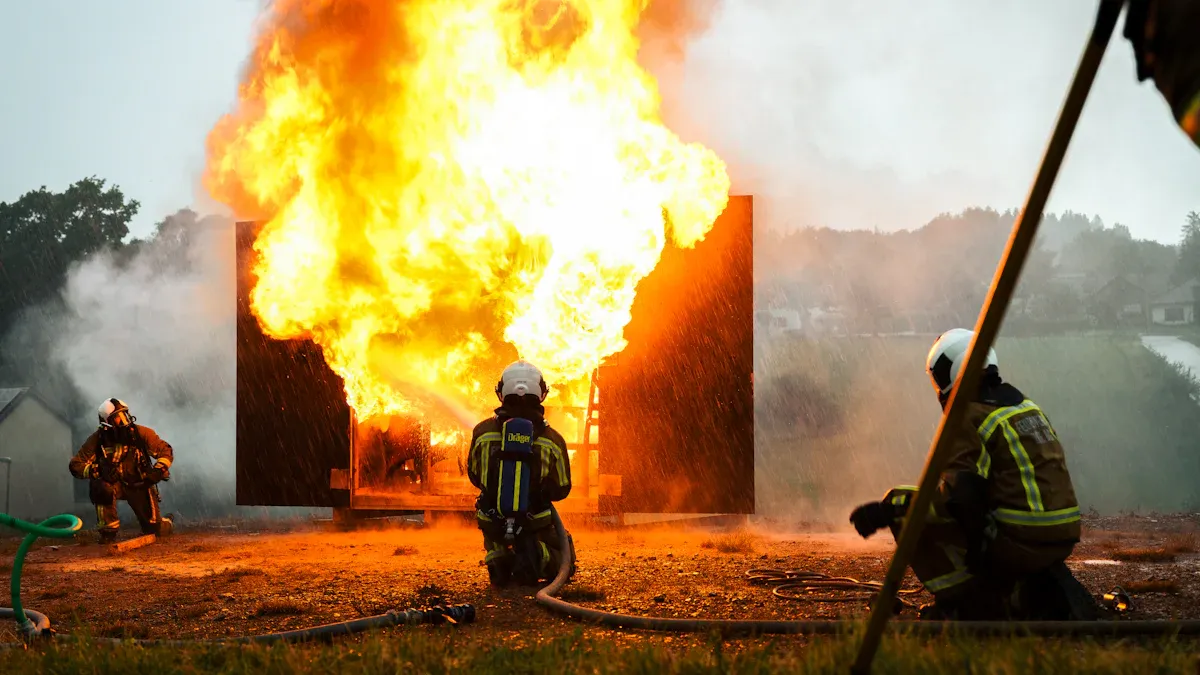
If you want the best fire safety, magnesium oxide wallboard is a top pick. This wallboard helps keep people safe in places with fire risk. Magnesium oxide wallboard does not catch fire. It stays strong even when it gets very hot. Builders use magnesium oxide boards in hospitals and schools because safety is important there.
You can look at how magnesium oxide wallboard does in fire tests:
Property | Test/Standard | Result/Rating |
|---|---|---|
Fire Resistance | UL 055, ASTM | |
Fire Rating | A1 (EN 13501-1) | Highest non-combustible classification |
Fire Resistance Duration | 30 minutes or more; 12mm board > 1 hour | Prolonged fire protection |
Temperature Resistance | Over 1000°C | High thermal stability |
ASTM E84 Flame Spread | 0 to 25 | Class A rating |
ASTM E84 Smoke Developed | Under 450 | Low smoke emission |
Structural Integrity | Maintains strength under fire | Ensures safety and stability |
Magnesium oxide wallboard passes tough fire safety tests. You will see certifications like ASTM E84, UL, ICC-ES, and NFPA 285. These show that magnesium oxide boards stop flames from spreading and keep smoke low. Some magnesium oxide wallboard even passes CodeMark approval in Australia and New Zealand.
If you use mgo board, you get up to four hours of fire safety. This is longer than most other wallboards. Magnesium oxide wallboard keeps its shape and strength in a fire. You do not have to worry about the wall falling down fast. This makes mgo board a smart pick for places where fire safety matters most.
Gypsum Wallboard Fire Performance
Gypsum wallboard is used in many homes and offices. It gives some fire safety, but not as much as magnesium oxide wallboard. Regular gypsum wallboard can slow fire for about 30 minutes. Fire-rated gypsum wallboard can last longer, sometimes up to two hours, but it still does not protect as well as magnesium oxide boards.
Here is a table that shows how different wallboards do in fire:
Material | Fire Resistance Duration | Flame Spread Rating | Combustibility |
|---|---|---|---|
Magnesium Oxide Board | 0/0 | Non-combustible | |
Standard Gypsum Board | About 30 minutes | Higher than 0/0 | Combustible |
Fire-Rated Gypsum Board | Some additional protection | Higher than 0/0 | Combustible |
Some gypsum wallboard has special stuff added to it. These are called Type X or Type C. They can last between 60 and 120 minutes in a fire. Builders use them in walls and ceilings where fire safety rules are strict. Gypsum wallboard is tested with ASTM E119 standards. Most fire-rated walls use one-hour or two-hour ratings.
Fire-rated gypsum wallboard can:
Slow fire for up to two hours.
Meet fire safety rules in buildings.
Work well in homes and offices with less fire risk.
But gypsum wallboard does not stay strong like magnesium oxide wallboard. When it gets hot, gypsum wallboard can get weak and break. Magnesium oxide boards stay strong and do not burn, so they are better for places with more fire danger.
Note: If you need the best fire safety, pick magnesium oxide wallboard. For basic fire safety in places with less risk, gypsum wallboard might be enough.
Moisture Resistance
MgO Board in Wet Areas
 MgO Board in Wet Areas
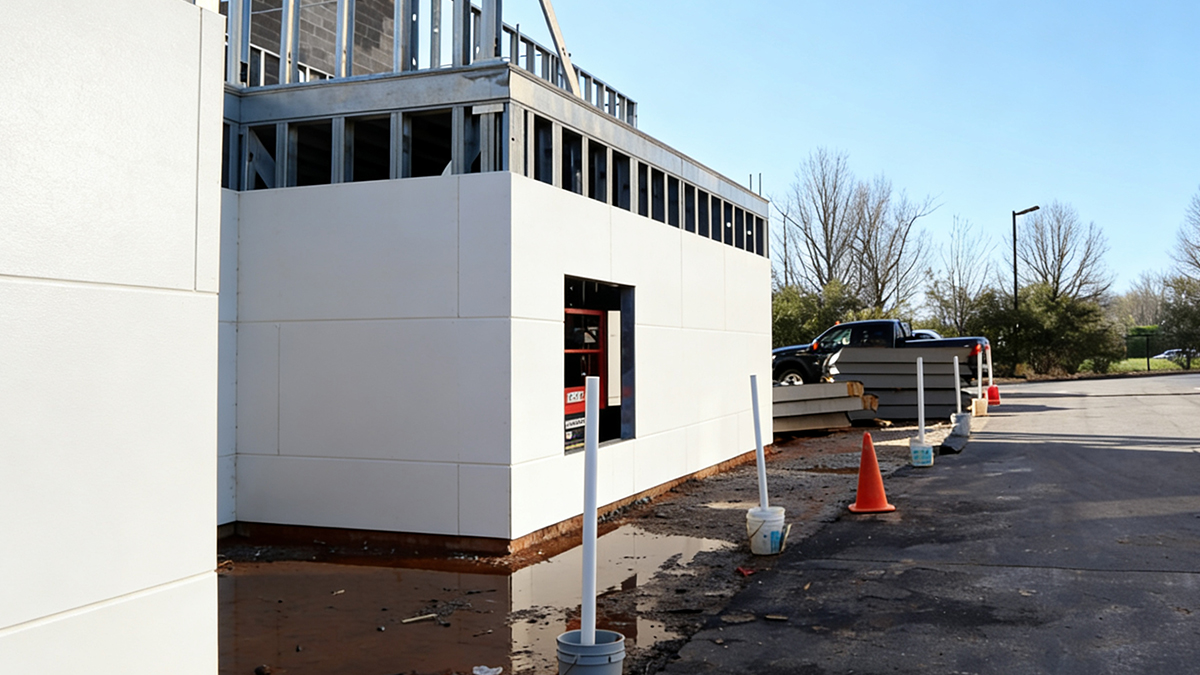
You want walls that do not get weak in wet places. Magnesium oxide wallboard gives the best water protection. Its special makeup stops mold from growing. Mold spores cannot live on this board. This helps in bathrooms, kitchens, and basements. Magnesium oxide wallboard does not soak up much water, so it works well there.
Magnesium oxide boards only take in 0.34% water. Gypsum boards can take in up to 3%. This big gap means magnesium oxide wallboard stays dry in damp rooms. You can trust it to keep out mold and mildew. Many people use magnesium wall board in wet areas. They say they do not see mold for many years.
Building rules suggest magnesium oxide boards for wet places. You can use them for bathroom walls and kitchen backsplashes. They also work for basement ceilings. Magnesium oxide boards can be used outside too. You see them as outside wall covers and roof boards in rainy places. Magnesium oxide wallboard keeps its shape and does not get soft from water.
Here is a table that shows where you can use magnesium oxide boards:
Properties | Indoor Applications | Outdoor Applications |
|---|---|---|
Moisture Resistance | Bathroom and kitchen walls | External wall cladding |
| Flooring underlayment in wet areas | Roof sheathing in humid environments |
Mold and mildew-proof | Mold-resistant backing for tiles | Exterior sheathing for moisture-prone areas |
| Walls and ceilings in basements | Fascia boards and soffits |
Tip: Pick magnesium oxide wallboard for wet places. Your walls will last longer and stay clean.
Gypsum Wallboard and Moisture
Gypsum wallboard is used a lot in homes and offices. It is easy to put up and costs less. But gypsum wallboard does not stop water as well as magnesium oxide wallboard. Gypsum wallboard soaks up more water. Its water absorption rate is 3%. This makes it not the best for wet rooms.
Some gypsum boards have special layers. These types are better in damp places. You can use them in bathrooms, kitchens, and laundry rooms. These boards push away water and steam. They can handle splashes and wet air. The most water they can take is 5% of their weight.
You can see the difference in water absorption rates:
Material | Moisture Absorption Rate |
|---|---|
Magnesium Oxide Board | 0.34% |
Gypsum Wallboard | 3% |
Gypsum wallboard can grow mold if it gets wet. You may need to change damaged gypsum boards more often. Magnesium oxide wallboard stays dry and strong. You will fix your walls less if you use magnesium oxide boards.
Gypsum wallboard:
Is good for dry rooms.
Needs extra help in wet places.
Can soak up water and grow mold.
Must be replaced if water ruins it.
Note: If you want walls that fight water and mold, magnesium oxide wallboard is better. Gypsum wallboard is best for dry rooms.
Durability and Strength
Magnesium Wall Board Durability
 Magnesium Wall Board Durability
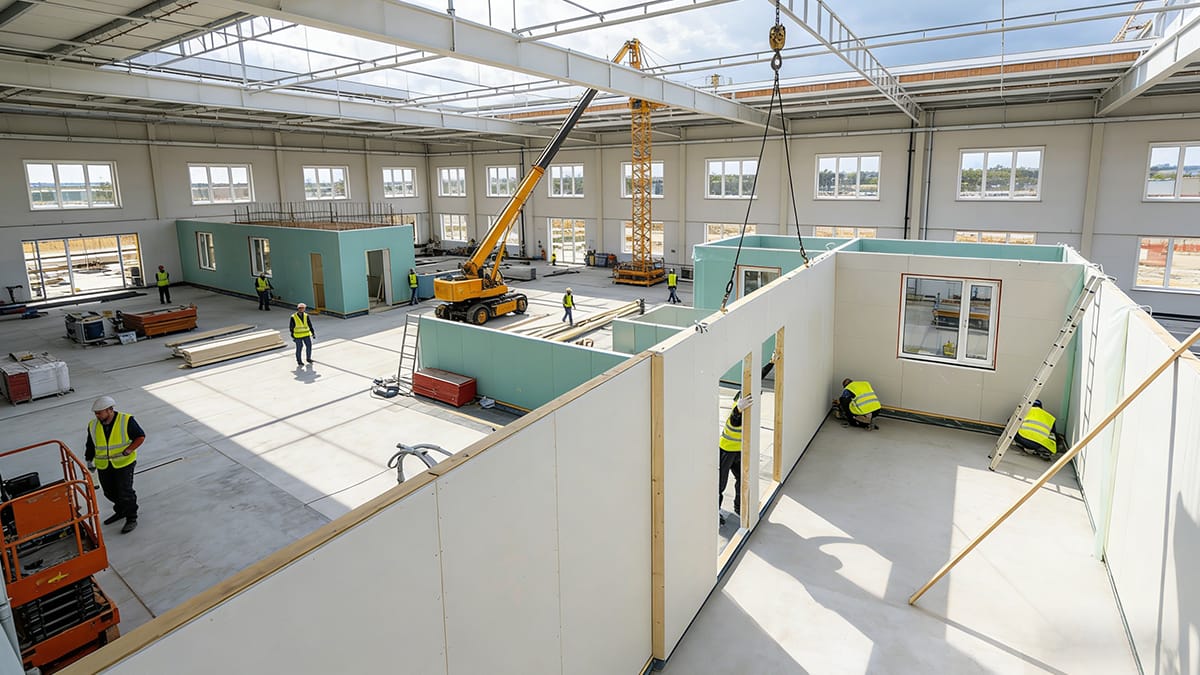
If you want walls that last a long time, magnesium oxide wallboard is a great pick. This material is very strong and tough. It does not get dents or cracks easily. Magnesium oxide wallboard can take hard hits without breaking. It has an impact strength of 4.5 kilo joules or more. If something hits it hard, you might only see a small mark.
Here is a table that shows how well each board handles impacts:
Board Type | Impact Strength (kJ) | Common Issues After Impact |
|---|---|---|
Magnesium Wall Board | 4.5 or higher | Minor surface marks |
Gypsum Board | About 1 | Cracks, dents, possible break |
Magnesium oxide wallboard lasts longer than other boards. You can use it in busy places like schools and hospitals. It does not swell or change shape when the air is wet or cold. It keeps its strength even in bad weather. You will not have to replace it often.
This table shows how long each wallboard can last:
Wall Board Type | Lifespan Characteristics | Performance in Conditions |
|---|---|---|
Magnesium Wall Board | Lasts longer than gypsum board, even in tough places. | Stays strong in humidity, heat, cold, and freezing. Does not swell or warp. |
Gypsum Wall Board | Does not last as long in wet or changing conditions. | Soaks up water, swells, and cracks over time. Needs to be replaced more often. |
If you need a wall for a place with lots of people, magnesium oxide wallboard is the best. It stays strong and looks nice for many years.
Gypsum Wallboard Strength
Gypsum wallboard is used a lot in homes and offices. People pick it because it is easy to put up and costs less. But it is not as strong as magnesium oxide wallboard. Gypsum wallboard has an impact strength of about 1 kilo joule. When you bump or hit it, you may see cracks, dents, or even breaks.
In busy places, gypsum wallboard can get damaged fast. Magnesium oxide boards stay strong, but gypsum wallboard may need repairs or new panels. Here is a table that shows how each board does in busy areas:
Material | Durability in High-Traffic Areas | Notes |
|---|---|---|
Magnesium Board | Strong, resistant to cracking and denting | |
Gypsum Board | Inferior | Prone to cracking and denting in busy areas |
Gypsum wallboard has some problems you should know:
It soaks up water, which can make it swell, peel paint, and grow mold.
It is not very strong, so it can sag or crack if pushed.
Cracks can show up at the edges or corners when things move or the temperature changes.
Fixing it can be hard and sometimes you need to put in a new panel.
If you want walls that stay strong and last, magnesium oxide wallboard is better. Gypsum wallboard is fine for quiet, dry rooms, but it does not work well in busy or tough places.
Tip: For the strongest and longest-lasting walls, choose magnesium oxide boards for your next project.
Environmental Impact
Sustainability of MgO Board
 Sustainability of MgO Board
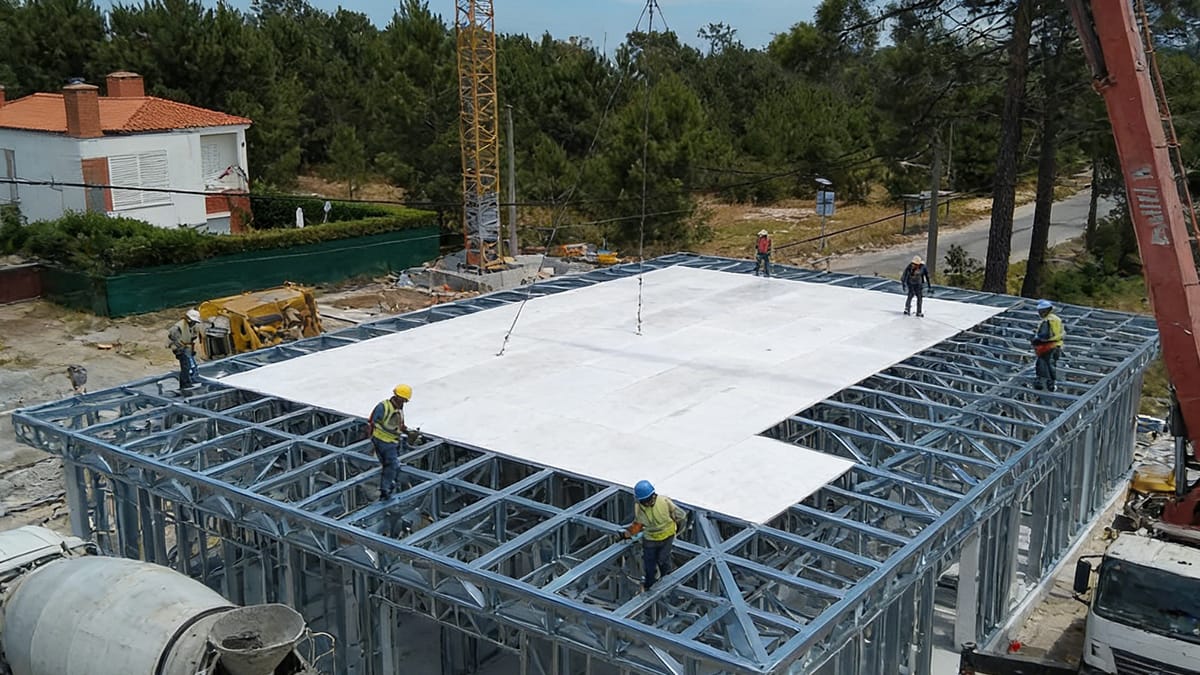
If you pick magnesium oxide wallboard, you help the planet. Making this board uses less energy because it needs lower heat. This means factories do not use as much power. Magnesium oxide wallboard also makes less greenhouse gas. It gives off only 340 kg of CO2 for each ton made. Gypsum wallboard makes more than twice that amount.
Magnesium oxide wallboard can also take in carbon dioxide as it dries. This step can remove 20–40% of the gases it made. So, using this board helps clean the air while it gets hard.
Here is a table that shows why magnesium oxide wallboard is good for the environment:
Aspect | Magnesium Wall Board Benefit |
|---|---|
Energy Use | Lower temperature processing saves energy |
Greenhouse Gas Emissions | 2.7–5.6 kg CO2eq per kg MgO |
Carbon Absorption | Absorbs CO2 during curing |
Carbon Offset | 20–40% of emissions offset by carbonation |
Many magnesium oxide boards meet green building rules. You can check for these labels:
CE Marking means it is safe for health and the environment in Europe
ISO 9001 shows good quality control
UL and ICC-ES test for fire, mold, and recycling safety
Health and Environment Standards mean low chemical emissions
Magnesium oxide wallboard does not let out bad chemicals like VOCs or asbestos. This keeps the air inside your house clean and safe.
Gypsum Wallboard and Environment
Gypsum wallboard is not as good for the earth. Making it uses more energy and causes more pollution. Factories make 740 kg of CO2 for every ton of gypsum wallboard. This is much more than magnesium oxide wallboard.
You can see the numbers in this table:
Material | CO2 Emissions (kg per ton) |
|---|---|
Magnesium Oxide Wallboard | 340 |
Traditional Gypsum Board | 740 |
Some factories use old gypsum to make new boards. This helps cut down pollution by over 40%. But making gypsum wallboard can also let out mercury. This happens when they use FGD gypsum. Mercury is bad for people and animals. The U.S. EPA has rules to stop too much mercury from getting out.
If you want to build in a way that helps the earth, magnesium oxide wallboard is a better pick than gypsum wallboard.
Cost and Value
Magnesium Wall Board Cost Factors
 Magnesium Wall Board Cost Factors
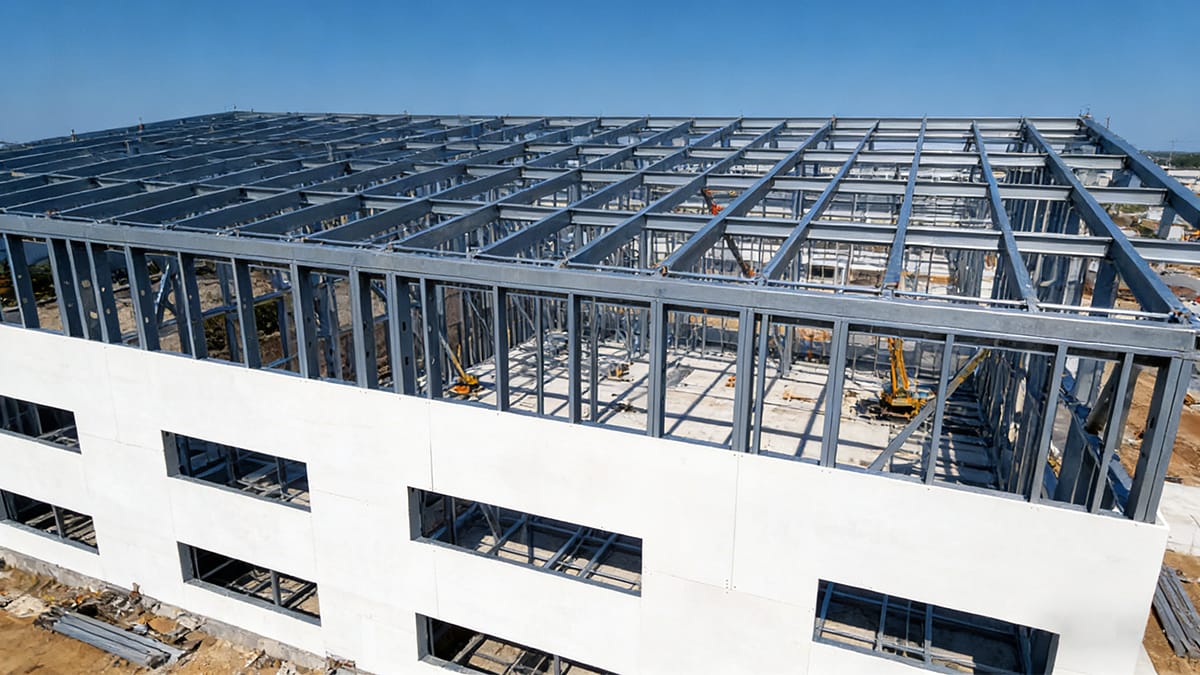
When you plan your project, you need to think about the cost of materials. Magnesium wall board usually costs more than regular drywall. You can see the average prices in this table:
Material | |
|---|---|
Gypsum Board | $0.50–$1.50 |
Magnesium Oxide (MgO) Board | $1.50–$3.50 |
Many things can change the price of magnesium wall board. Here are the main factors:
Raw material costs can go up if mining or supply changes.
The manufacturing process uses special tools and steps, which adds to the cost.
Market demand can push prices higher when more builders want eco-friendly boards.
Thickness and size matter. Thicker and bigger boards cost more because they last longer.
If you want strong walls that last, you may decide the higher cost is worth it.
Gypsum Wallboard Affordability
Gypsum wallboard is a popular choice because it is easy on your budget. You can use it for many rooms without spending a lot. This makes it a good option for homes, offices, and schools. If you need to cover a big area, gypsum wallboard gives you more affordability for large-scale projects.
Here is a table that compares the price and value of both boards:
Material | Long-term Value | |
|---|---|---|
MgO Boards | $1.50 – $2.50 | Strong, fireproof, and water-resistant. Saves money over time. |
Gypsum Boards | $0.50 – $1.00 | Cheaper at first, but may need more repairs later. |
You can install gypsum wallboard quickly. You do not need special tools or skills. This helps you save money on labor.
Long-Term Value
You want to know which wallboard gives you the best value over time. Magnesium wall board costs more at first, but you save money later. It does not need many repairs. It resists mold, fire, and water. You do not have to replace it often.
This table shows how the two boards compare for long-term value:
Factor | Magnesium Wall Board | Gypsum Board |
|---|---|---|
Higher | Lower | |
Installation Cost | May be higher | Lower |
Labor Requirements | Needs skilled workers | DIY-friendly |
Long-term Maintenance | Low | High (may need repairs) |
Overall Value | Saves money over time | Can cost more if repairs needed |
If you want to spend less now, gypsum wallboard is a good pick. If you want walls that last and need less work, magnesium wall board is the better choice.
Tip: Think about your budget and how long you want your walls to last before you choose.
Installation and Use
Installing MgO Board
 Installing MgO Board
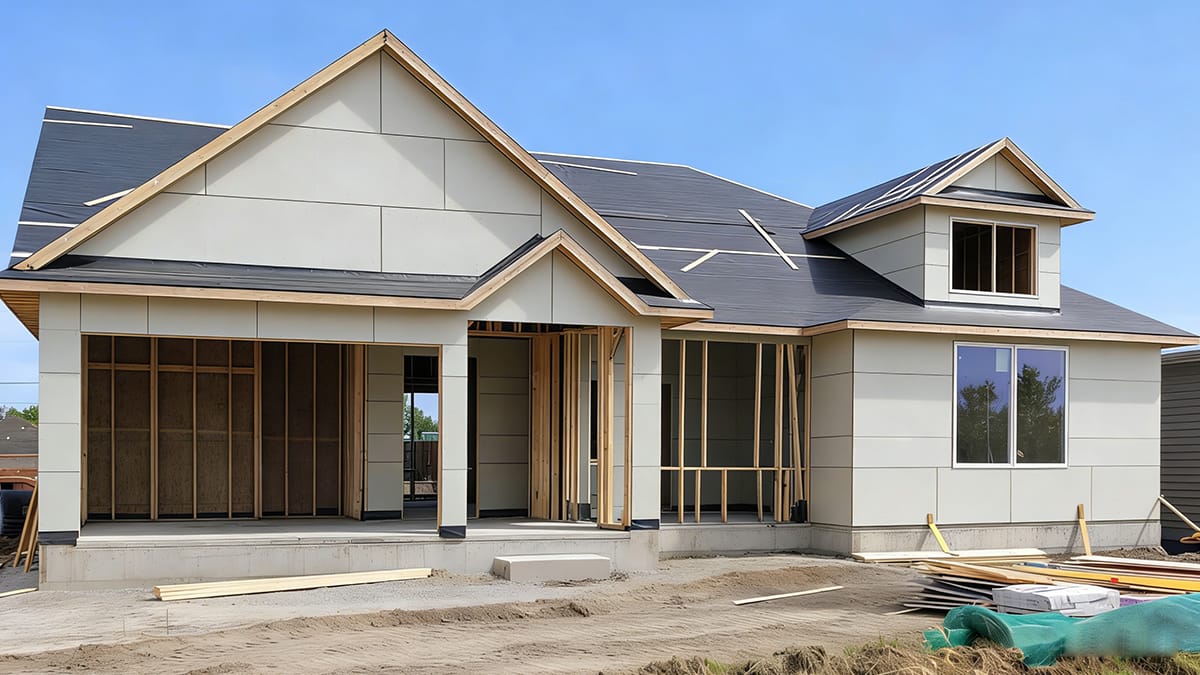
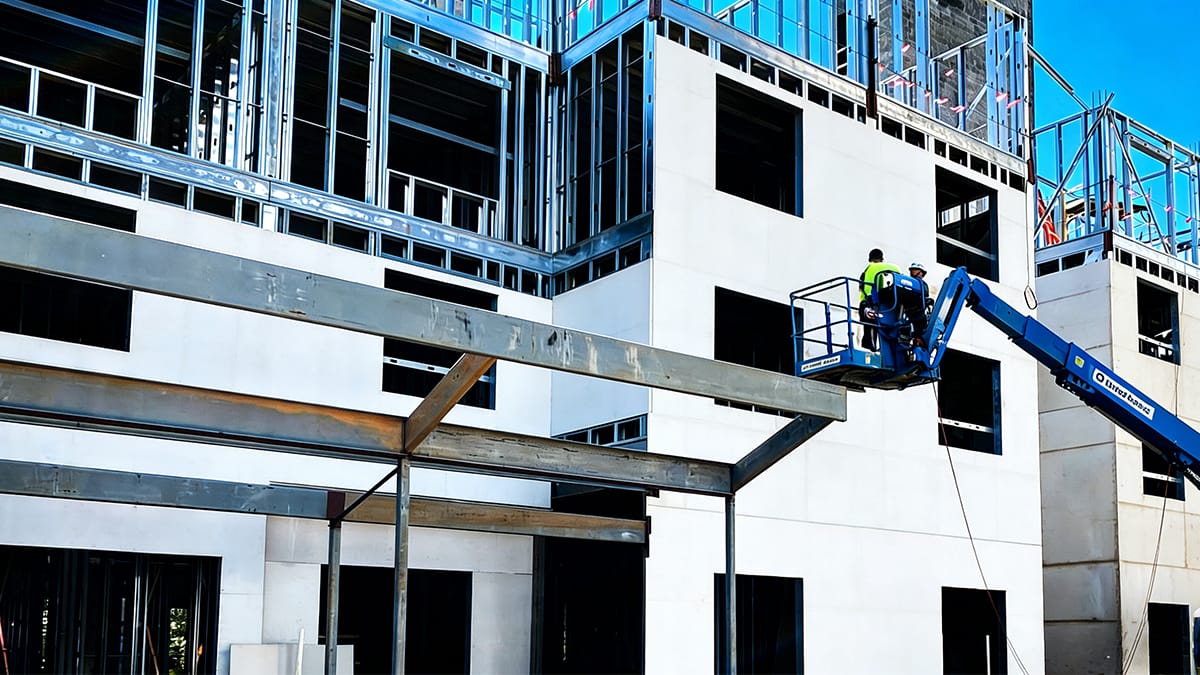
Putting up magnesium wall board can be tricky. This board is heavier than regular drywall. You need more people to lift and hold it, especially for ceilings or tall walls. The board can break if you are not careful. You must handle it gently so it does not crack.
Here are some tips for putting up magnesium wall board:
Make sure the wall frame is flat and strong before starting.
Use screws that do not rust and are made for this board.
Leave a small gap, about 1/8 inch, between each panel.
Put joint tape and filler on the seams to make them smooth.
Use a water-resistant sealant on the edges and joints in wet rooms.
Cut the board with a circular saw with a carbide blade or a sharp knife.
Keep the boards dry before you put them up.
You may need workers who know what they are doing. It takes more time and money to install than regular drywall.
Challenge | Magnesium Wall Board | Gypsum Wallboard |
|---|---|---|
Weight | Heavier and denser | Lighter |
Labor | Needs more workers | Easier for DIY |
Handling | Brittle, careful handling | More forgiving |
Installation Time | Longer | Faster |
Tools | Specialized tools needed | Standard tools |
Tip: Always follow the instructions from the company that made the board.
Working with Gypsum Wallboard
Gypsum wallboard is much easier to use. It is light and simple to cut with a knife. One or two people can put it up fast, even on ceilings. You do not need special tools or special skills. This is why many people use it for homes and big buildings.
If you make a mistake, gypsum wallboard is easy to fix. You can patch holes or dents without much trouble. Putting it up does not take long, so you save time and money.
Best Applications
Pick the right wallboard for your project. Here is a quick guide:
Material | Best Use Cases |
|---|---|
Gypsum Wallboard | Inside walls in homes, offices, and big buildings. Good for living rooms, bedrooms, and offices. Not good for wet places unless treated. |
Magnesium Wall Board | Kitchens, basements, schools, hospitals, and places where fire or water safety is important. Good for green building projects. |
If you need walls that fight fire and water, use mgo board. For most dry rooms and easy jobs, gypsum wallboard is a good choice.
Quick Comparison Table
Side-by-Side Summary
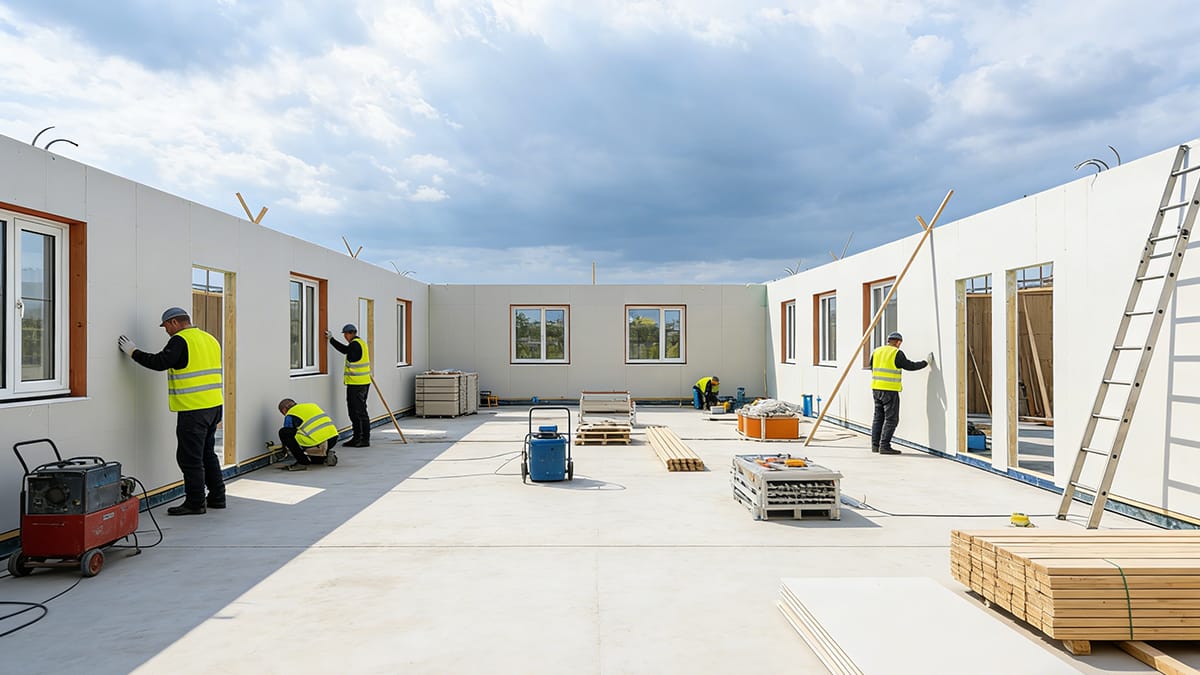 Side-by-Side Summary
Here is a table that shows the main differences. You can see how magnesium wall board and gypsum wallboard compare. This makes it easy to pick the right one for your project.
Metric | Magnesium Wall Board | Gypsum Wallboard |
|---|---|---|
Fire Resistance | Class A, non-combustible | Combustible |
Flexural Strength | 7–15 MPa | 3–5 MPa |
Moisture Resistance | High | Low |
Mold Resistance | High | Low |
Durability | Strong, impact-resistant | Prone to cracking and denting |
Upfront Cost | Higher | Lower |
Long-Term Cost | Lower | Higher |
Environmental Impact | Natural, recyclable | Contains chemical additives |
Installation | Needs skilled labor | Easy, standard tools |
Tip: Pick magnesium wall board if you want walls that last a long time. It also keeps you safe from fire and water. If you want something fast and cheap for dry rooms, use gypsum wallboard.
This table lets you compare the most important things side by side. You can see what each board does best. Pick the one that fits your needs and how much you want to spend.
You get more value from magnesium wall board if you want strong, safe, and eco-friendly walls. Many users say it lasts long, keeps out water, and gives great fire protection. You should use it in places with high moisture or fire risk. Gypsum wallboard works well for dry, low-traffic rooms and gives good value if you need a quick, affordable fix. Check this table for a quick guide:
Project Need | Best Choice |
|---|---|
Long-term value | Magnesium Wall Board |
Upfront savings | Gypsum Wallboard |
Easy installation | Gypsum Wallboard |
Fire/moisture safety | Magnesium Wall Board |
Think about your budget and the long-term value. Ask a building expert if you are not sure.
FAQ
What makes magnesium wall board better for wet areas?
You get better moisture protection with magnesium wall board. It does not soak up water. Mold cannot grow on it. You can use it in bathrooms, kitchens, and basements without worry.
Can you paint or tile over magnesium wall board?
Yes, you can paint or tile over magnesium wall board. Make sure the surface is clean and dry. Use the right primer or adhesive for best results.
Is gypsum wallboard safe for kitchens?
Gypsum wallboard works in dry kitchens. If you have lots of steam or water, use a moisture-resistant type. Regular gypsum can soak up water and grow mold.
Does magnesium wall board cost more to install?
You pay more for magnesium wall board and its installation. It is heavier and needs skilled workers. You save money later because it lasts longer and needs fewer repairs.