
09 Mar What You Need to Know About Magnesium Board for Building Projects
You can see magnesium board in lots of building projects now. It is also called magnesium oxide board. This wallboard has mineral cement as its base. That makes it strong and tough. Builders like it because it works well for walls, ceilings, and floors. It is good for the environment. It needs less energy to make. It also lowers CO2 emissions. It lasts longer than many other materials. More people are using this board. The market may reach almost $3 billion by 2034.
Key Takeaways
Magnesium board is very strong and does not burn easily. People use it for walls, ceilings, and floors. It is safer and lasts longer than regular drywall.
This board is good for the environment. It takes less energy to make. It also helps lower carbon emissions. This makes it a smart choice for building.
Magnesium board does not get damaged by water. Mold cannot grow on it. This makes it great for bathrooms and kitchens.
It is easy to install. Let the boards get used to the room first. Use the right tools and follow spacing rules. This helps the boards fit well.
Magnesium board can cost more at first. But it lasts a long time and needs little care. This can help you save money later.
Magnesium Board Overview
What Is Magnesium Board
Magnesium board is used in lots of new buildings. It is not the same as regular drywall. Magnesium board does not burn. It can handle heat up to 1200°C. When it gets hot, it lets out water. This helps stop smoke in a fire. The wallboard does not catch fire and resists moisture well. Builders pick magnesium board because it is strong and lasts a long time.
Some people think magnesium board is only for fireproof walls or is too expensive. But it is used for walls, ceilings, and floors. It gives more than just fire safety.
Here is a simple comparison between magnesium board and gypsum board:
Feature | Magnesium Board (MgO) | Traditional Gypsum Board |
|---|---|---|
Fire Resistance | Can burn | |
Moisture Resistance | Highly resistant | Susceptible to moisture |
Durability | High | Moderate |
MgO boards are famous for fire resistance. Gypsum boards lose strength in high heat. Magnesium oxide board stays strong. It is safer and lasts longer for building.
Magnesium Oxide Board Composition
 Magnesium oxide board is made from a few main ingredients. Each ingredient gives the board special features.
Raw Material | Contribution to Properties |
|---|---|
Magnesium Oxide (MgO) | Gives fire resistance, strength, and durability; helps support the board. |
Magnesium Chloride (MgCl2) | Acts as a binder, makes the board stable and tough; important for performance. |
Perlite | Makes the board lighter and improves insulation; helps save energy. |
Magnesium oxide makes the board strong and fireproof. Magnesium chloride holds everything together. Perlite makes the board light and keeps heat inside. The board is strong, safe, and saves energy.
Tip: Magnesium oxide board takes in CO₂ when drying. This makes it better for the environment than other wallboards.
Types of Magnesium Board
There are different kinds of magnesium board. Each kind works best in certain places.
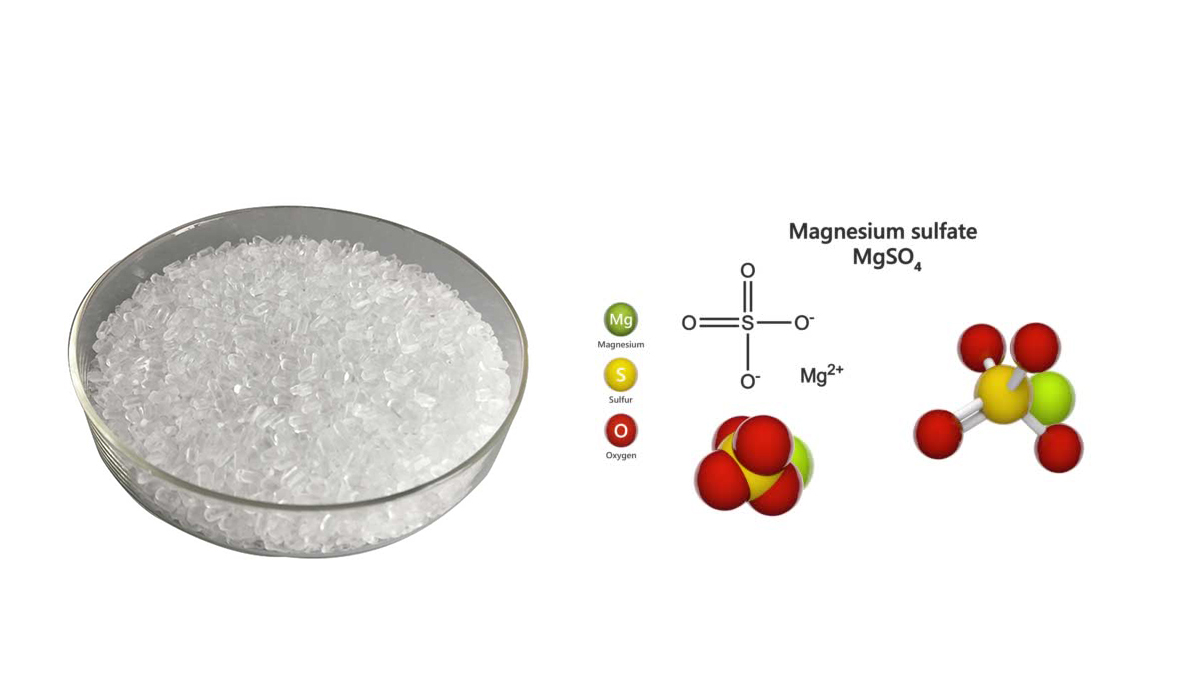
Property | Magnesium Chloride Boards | Magnesium Sulfate Boards |
|---|---|---|
Composition | MgO and MgCl₂ | MgO and MgSO₄ |
Water Resistance | Absorbs moisture, not good for wet places | Low water absorption, good for wet places |
Fire Resistance | Great fire resistance | Great fire resistance |
Corrosion Resistance | Can rust metal because of chloride ions | Better for metal, less corrosion |
Application Scenarios | Not good for humid areas | Good for bathrooms, kitchens, and factories |
Moisture Resurgence | May get wet on the surface in humid places | No surface moisture in humid places |
Use magnesium chloride boards in dry rooms. Magnesium sulfate boards are better for wet rooms like bathrooms and kitchens. Both types resist fire well. Magnesium sulfate boards also protect metal parts from rust.
Note: Magnesium board comes in many styles, like sandwich boards with mesh and fillers. These boards are tougher and resist impacts. Some boards block noise and keep heat inside. They help save energy and make rooms quieter.
Magnesium board keeps improving. New boards have better insulation and last longer. More builders use magnesium board for green building projects.
Magnesium Oxide Board Uses
 Applications in Construction
 Applications in Construction
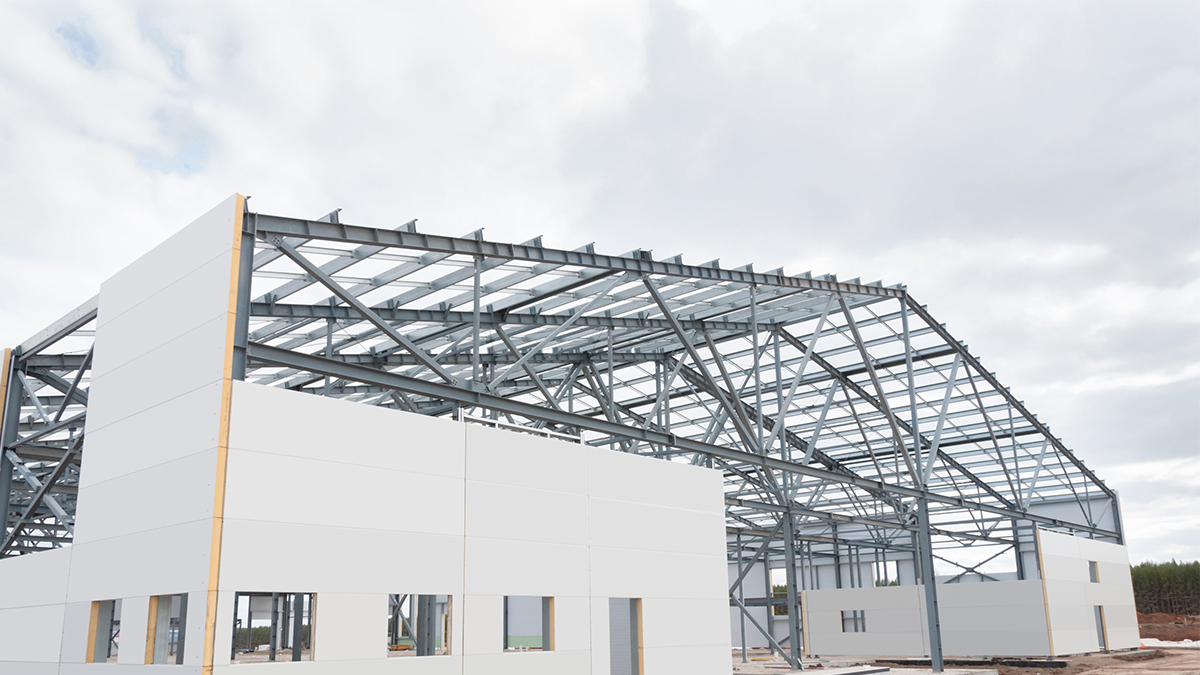
Magnesium board is used in many building projects. Builders use it inside and outside. You can find it as wall sheathing, trim, siding, tile backer, panels, ceilings, firewalls, and drop ceiling tiles. This board does not burn. It does not get damaged by water or mold. It also lasts for a long time.
Here is a table that shows some common ways to use magnesium board:
Application Type | Description |
|---|---|
Walls | Used for inside and outside walls. It is strong and does not burn. |
Ceilings | Good for drop ceilings and panels. It helps with sound and looks nice. |
Flooring | Used under floors. It keeps out water and stays strong. |
Siding | Used on the outside of buildings. It stands up to weather and needs little care. |
Others | Used for roofs, special panels, and parts made in factories. It can be used in many ways. |
You can use magnesium board almost anywhere in a building. It works well for walls and ceilings because it does not burn or let water in. It is a good base for tiles in kitchens and bathrooms. Some builders use it outside because it can handle rain and wind. You can also find it in roofs and panels that help with sound and heat.
Tip: Magnesium board is better for the environment. It takes less energy to make and lasts longer than other boards. This helps the planet and saves you money over time.
If you want a strong, safe, and green material, magnesium board is a good choice for your next project.
Residential and Commercial Uses
Magnesium board can be used in homes and big buildings. In houses, it is used on walls, ceilings, and under floors. It keeps homes safe from fire and mold. It also helps keep rooms quiet and comfortable. Many people like it because it is easy to put in and does not need much work to keep up.
In big buildings, magnesium board is used even more. Builders use it for large walls, ceilings, and outside parts. It protects offices, schools, and hospitals from fire and water. It can save money by stopping damage from fire or floods.
Here is a table that shows how magnesium board is used in homes and big buildings:
Aspect | Residential Usage | Commercial Usage |
|---|---|---|
Fire Resistance | Keeps homes safe from fire | Protects big buildings and saves money |
Material Versatility | Used for walls and ceilings | Used for many things like outside walls |
Cost Efficiency | Cheaper to keep up and put in | Can save a lot of money by stopping fire damage |
Common Applications | Ceilings, walls, and under floors | Outside walls and big fireproof areas |
Magnesium board is good for both homes and businesses. It keeps buildings safe and strong. It is also good for the environment. Magnesium board is a smart choice for many uses.
Note: If you want a building material that is strong, safe, and good for the earth, magnesium board is a great pick. You can use it in many ways, and it will last a long time.
MGO Board Installation
Installation Steps
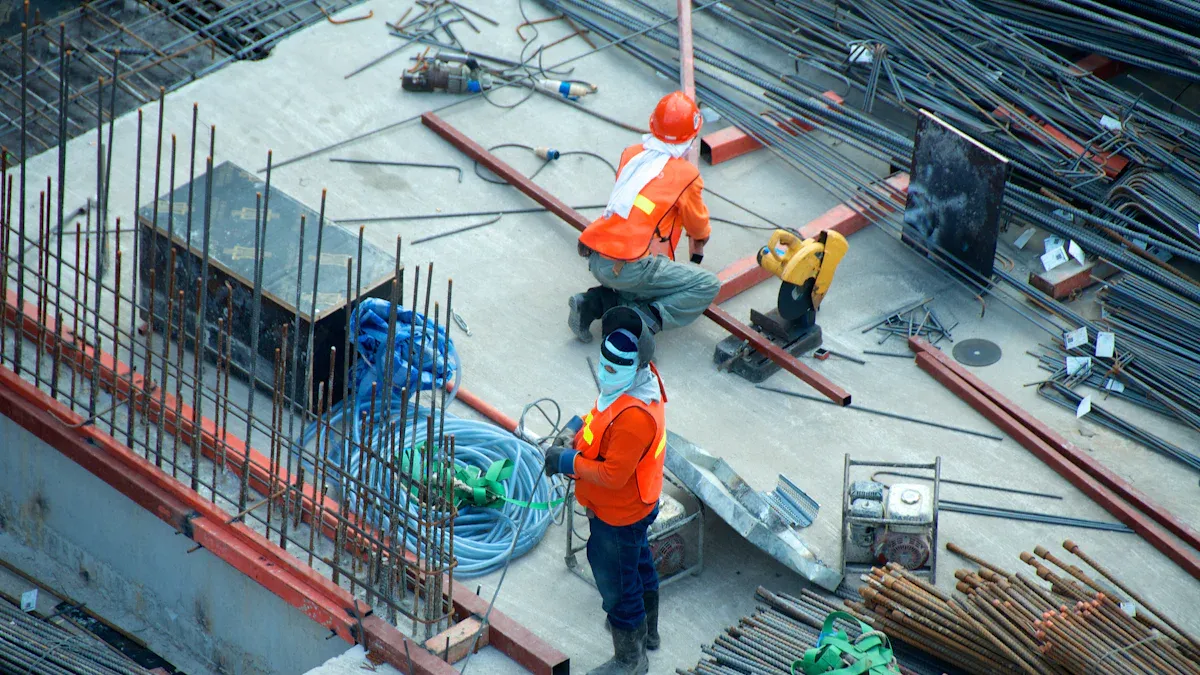
You can install mgo board with a few simple steps. First, let the boards sit in the room for 48 hours. This helps them adjust to the temperature and humidity. Make sure the framing is level before you start. Use a T-square to line up the boards with the framing. When you place the panels, leave a 1/16 inch gap for steel framing or a 1/8 inch gap for wood framing. This gives the boards space to expand.
Fasten the boards with corrosion-resistant screws. Space the screws 8 to 12 inches apart. Start in the center and work outward. Do not overtighten the screws. Use self-counterboring screws for a smooth finish. Always support the ends of the boards with joists. After you finish, apply a primer coat over the seams and use spackle or plaster to cover any marks.
Tip: Leave small gaps between boards to let them move with changes in temperature and humidity. This helps prevent cracks.
Tools and Materials
You need the right tools for a safe and easy installation. Here is a list of what you should have:
Safety glasses and a dust mask
Gloves
Putty knife
Saw horses
Square or T-square
Carbide-tipped scoring knife or utility knife
Fiber cement shears or a dust-reducing circular saw
Polyurea or modified epoxy seam filler
Underlayment
Fasteners and adhesive (choose the right type for your project)
These tools help you cut, shape, and fasten mgo sheathing. Always wear safety gear to protect yourself from dust.
Finishes and Customization
You can finish mgo sheathing in many ways. Paint the surface to make it look nice and last longer. Sand the back side for a smoother finish if needed. You can also add a PVC film or other laminates for a decorative look. Choose the size, thickness, and color that fit your construction project. The standard board has a smooth front and a rough back, but you can ask for special treatments for a custom finish.
Note: Good surface preparation and the right paint will give you the best results for your mgo board installation needs.
Performance and Safety
Fire Resistance
Magnesium board helps keep your building safe from fire. It is known for being fire resistant. These panels meet tough safety rules. Magnesium board does not catch fire or make dangerous smoke. It stays strong even when it gets very hot. Here are some test results:
Property | Test/Standard | Result/Rating |
|---|---|---|
Fire Resistance | UL 055, ASTM | |
Fire Rating | A1 (EN 13501-1) | Highest non-combustible classification |
Fire Resistance Duration | 12mm board | More than 1 hour |
Temperature Resistance |
| Over 1000°C |
ASTM E84 Flame Spread |
| 0 to 25 (Class A) |
ASTM E84 Smoke Developed |
| Under 450 (Low smoke emission) |
You can feel safe because these walls stop fire and protect your space.
Moisture and Mold Resistance
Magnesium board does not get damaged by water. You can use it in wet rooms with no problem. It will not rot or let mold grow. This makes it great for bathrooms, kitchens, and basements. Here is a table to compare how it works with other boards:
Material | Moisture Resistance | Mold Resistance | Notes |
|---|---|---|---|
Magnesium Board | Very High | Fully inorganic, does not rot or feed mold, ideal for wet areas. | |
Gypsum Board | Moderate | Low | Absorbs water, susceptible to swelling and mold growth. |
Cement Board | High | Moderate | Generally resistant but can still be affected by prolonged moisture. |
You save money and avoid health problems by picking panels that resist water.
Strength and Durability
Magnesium board is strong and lasts a long time. It can hold heavy things and does not break easily. It is tougher than gypsum drywall. You can trust it for buildings that need to last. Here are some important points:
Stands up to hard hits
Keeps its shape under pressure
Does not crack and is easy to finish
Stops bugs and rot
You can use magnesium board in busy places and know it will last.
Health and Environmental Impact
Magnesium board is a safer choice for your health. It does not have bad chemicals like asbestos or formaldehyde. Making it also helps the environment by trapping carbon dioxide. Here are some good things about it:
Environmental Benefit | Description |
|---|---|
Carbon Sequestration | The curing process captures carbon dioxide. |
Contains no asbestos, formaldehyde, ammonia, silica, or benzene. | |
Low Chloride Content | Chloride content generally falls below 8 percent. |
Sustainable Mining | Mining of magnesite is surface-based and requires no harmful chemicals. |
Beneficial Dust | Any dust created is beneficial to land, people, or animals. |
You help keep the air clean and support green building. You can reuse broken pieces or recycle them for other uses.
Tip: You help yourself and the earth when you pick magnesium board for your project.
Magnesium Board vs Other Materials
Magnesium Board vs Drywall
 Magnesium Board vs Drywall
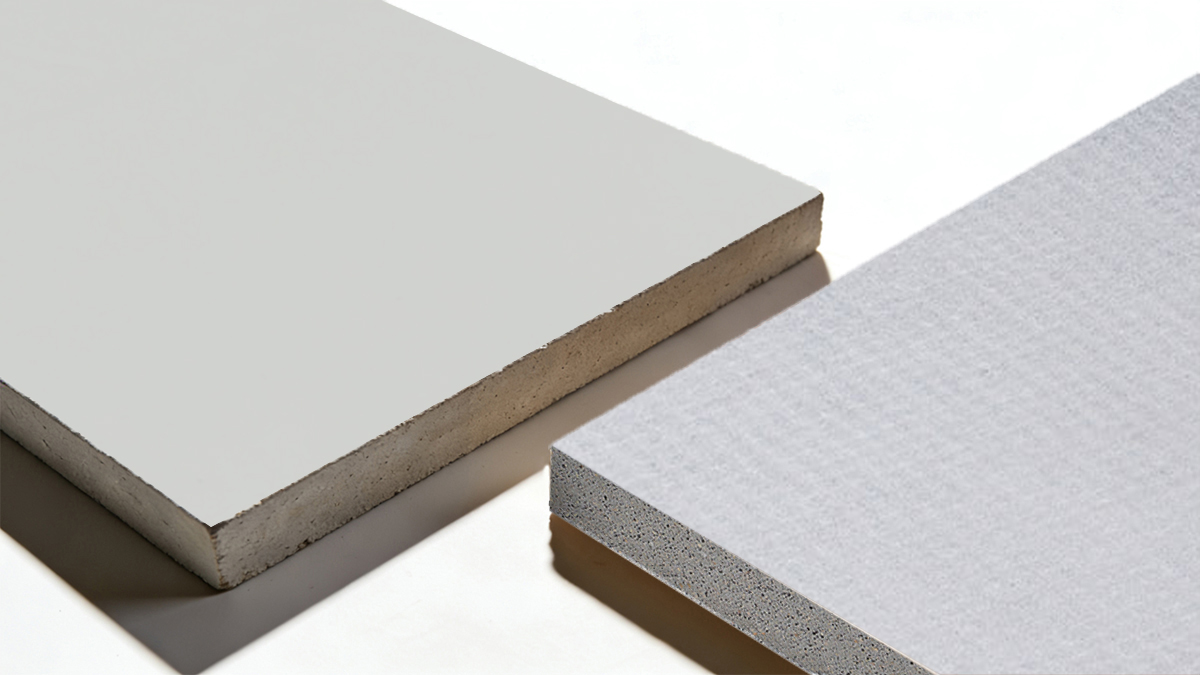
You may wonder how magnesium board and drywall are different. Both are used in building, but they are not the same. Magnesium board costs more at first. But it lasts longer and does not break easily. Drywall is cheaper, but it can crack or get mold. Magnesium board is simple to cut. This means you can put it up faster. Here is a table that shows how they compare:
Factor | Magnesium Board (MGO) | Drywall (Gypsum Board) |
|---|---|---|
Initial Cost | More affordable | |
Long-Term Value | High due to durability | Lower for standard use |
Durability | Stronger, impact-resistant | Weaker, prone to damage |
Non-combustible | Combustible | |
Moisture Resistance | Resistant to mold | Susceptible to mold |
Installation Speed | Faster due to ease of cutting | Slower due to handling |
Tip: Magnesium board is a good pick if you want walls that last and keep out fire and water.
Magnesium Board vs Cement Board
Magnesium board and cement board both work in wet places. Magnesium board is lighter and bends more. It does not crack as much as cement board. Cement board is strong and good for tough jobs, but it can break if pushed too hard. Magnesium board can take high heat and does not make bad smoke.
Property | MgO Board | Cement Board |
|---|---|---|
Durability | Lightweight yet highly durable | Strong, good for heavy-duty use |
Flexibility | Flexible, resists cracking | Heavier, may crack under stress |
MgO boards are A1 non-combustible and safe in fires.
Cement boards resist fire but may crack after long heat.
You can use magnesium board in kitchens and bathrooms. It keeps out mold and water. This helps your building stay healthy.
Pros and Cons
Every building material has good and bad points. Magnesium board is safe from fire, strong, and better for the earth. It is light and easy to move. The main problems are the higher price and that it is not always easy to find.
Advantages | Disadvantages |
|---|---|
Fire resistance | Higher cost |
Moisture and mold resistance | Limited availability |
Lightweight nature |
|
Eco-friendliness |
|
Durability |
|
Note: Magnesium board has many good sides, but check if you can get it before you start your project.
Cost and Availability
Magnesium board costs more than drywall or cement board. It is about $1.50 to $2.50 for each square foot. Drywall is $0.50 to $1.00 per square foot. Cement board costs about the same as drywall. Magnesium board is easy to buy in Asia. It is getting more popular in Europe and North America. Many people in China and India use it for new homes.
If you want a strong material that protects your building, magnesium board is a smart buy.
You have learned that magnesium board is strong and safe from fire. It is also good for the earth. You can use it on walls, ceilings, and floors. It is easy to put in and lasts many years. Here is a short table to help you remember:
Key Point | Description |
|---|---|
Definition | Made with magnesium oxide, magnesium chloride, and other things. |
Uses | Good for many parts of buildings, inside and outside. |
Installation | Easy to cut and fit for most jobs. |
It keeps out fire and water better than some boards.
It helps the earth by making less waste and less carbon.
It can cost more and you might need special tools.
Pick magnesium board for your next job if you want a safe, strong, and green building.
FAQ
What makes magnesium board different from drywall?
You get better fire and moisture resistance with magnesium board. Drywall can burn and absorb water. Magnesium board stays strong in tough conditions. Builders use it for safer and longer-lasting walls.
Can you paint or decorate magnesium board?
You can paint magnesium board. Use a primer first for best results. You can also add laminates or PVC films. This lets you match your style and protect the surface.
Is magnesium board safe for indoor air quality?
Magnesium board does not release harmful chemicals. You avoid asbestos, formaldehyde, and silica. You keep your indoor air clean and healthy for your family.
How do you cut magnesium board?
You can score and snap magnesium board with a utility knife. For thicker boards, use a circular saw with a dust-reducing blade. Always wear safety glasses and a mask.
Where can you buy magnesium board?
You find magnesium board at specialty building supply stores. It is more common in Asia. You see it in North America and Europe now. Ask your local supplier for availability.