
07 Feb Exploring the Science Behind MgO Board Resistance
You see mgo boards used more in building today. Builders pick mgo because it resists fire and water well. Mgo board is special because it does not burn or fall apart with fire or water. You get good use from mgo boards in homes and offices, especially where fires happen a lot. Many builders and architects like these boards because they are better for the environment and last longer. New rules and work to cut pollution also make more people want mgo boards in new buildings.
Key Takeaways
MgO boards stop fire and water. This makes them safe for buildings in risky places. Their special makeup stops mold from growing. They help keep the air inside clean. This helps people stay healthy. MgO boards are stronger than gypsum and plywood. They last longer and resist fire and water better. Using MgO boards can save money over time. They do not need many repairs. Pick MgO boards for many uses. You can use them for ceilings, walls, and wet places. This will make buildings safer and work better.
What Is an MgO Board
Composition and Structure
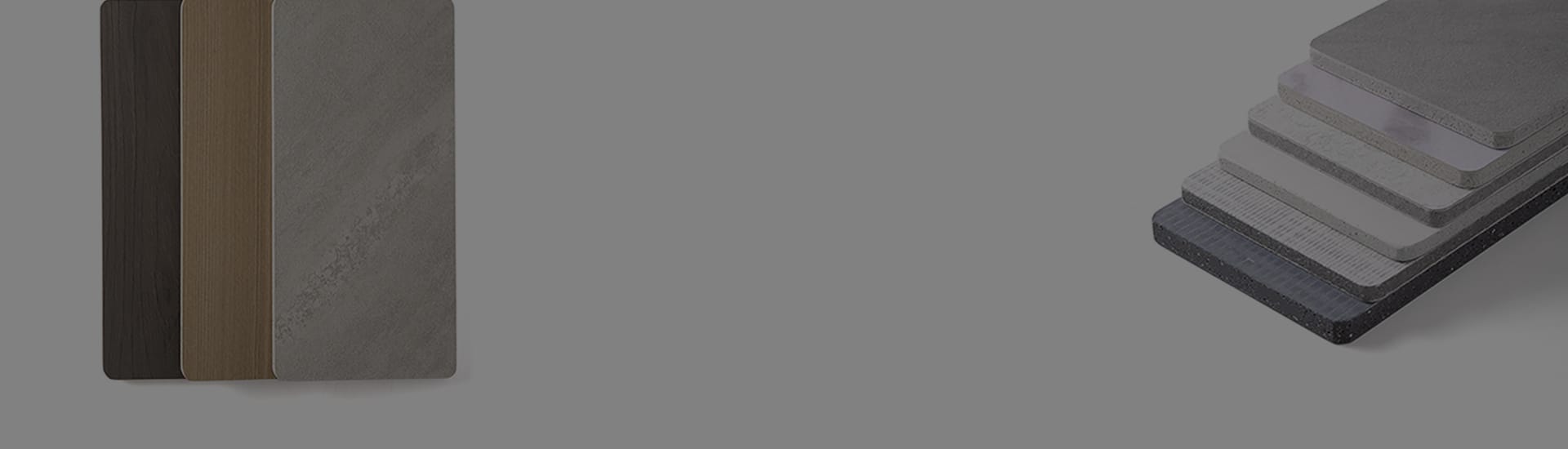
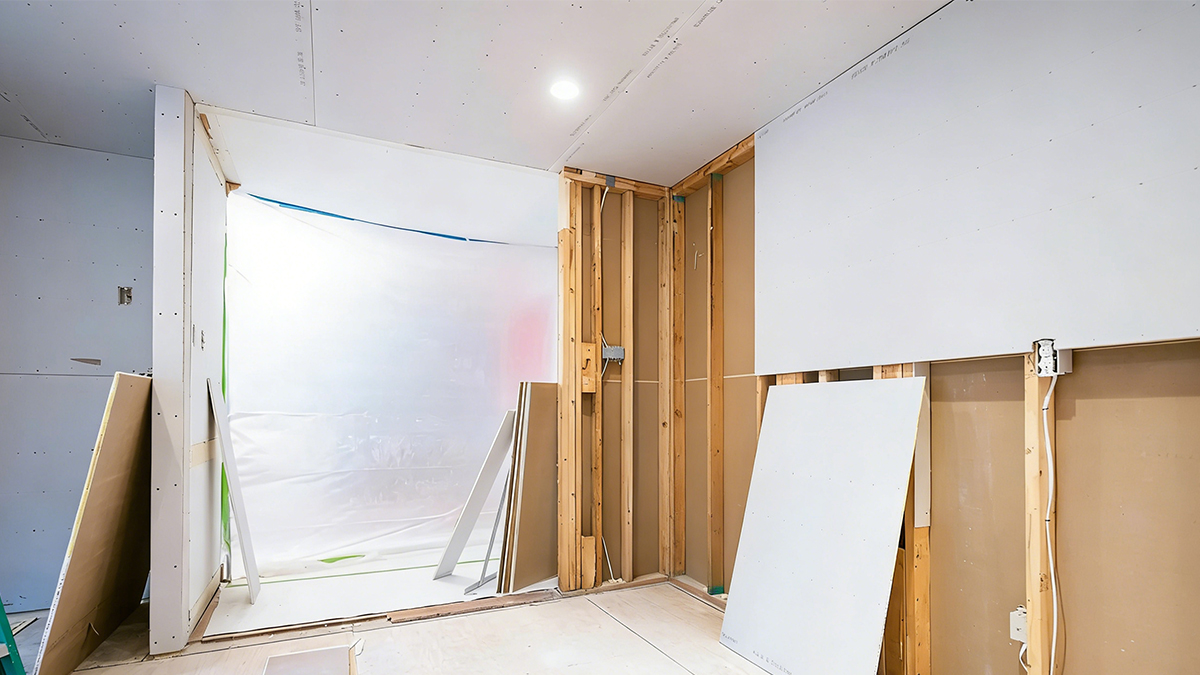
You might ask why mgo boards are so tough. Their strength comes from a special mix of minerals and fibers. When you look at an mgo board, you see a hard sheet. It is made with magnesium oxide, fillers like perlite, bonding agents, and sometimes fiberglass mesh or wood chips. These parts work together to make mgo boards strong and able to resist fire.
Here is a table that shows what each part does:
Component | Contribution to MgO Boards |
|---|---|
Magnesium Oxide | Gives the board strength and fire resistance |
Magnesium Sulfate | Makes the board last longer and resist water |
Perlite | Helps the board keep heat out |
Wood Chips | Makes the board stronger |
Fiberglass Mesh | Adds more strength and durability |
Mgo boards stay strong even when there is fire or water. Their structure helps them soak up heat and slow down how fast things get hot. You can count on these boards to keep their shape and protect your space.
Key Properties
Mgo boards have special features that make them different. These features help you every day if you build homes or offices.
MgO boards do not burn easily. This keeps you safer in emergencies.
They do not let out bad gases or fumes when burned. You get cleaner air.
MgO boards are very strong and are often better than OSB and concrete.
They resist fire much better than drywall and plywood.
They do not swell, warp, or break from water like plywood and drywall.
MgO boards are healthier for indoor spaces. They do not have harmful chemicals.
Tip: If you want a board that lasts and keeps your building safe, mgo boards are a smart choice.
Fire Resistance of MgO Boards
 Non-Combustible Nature
 Non-Combustible Nature
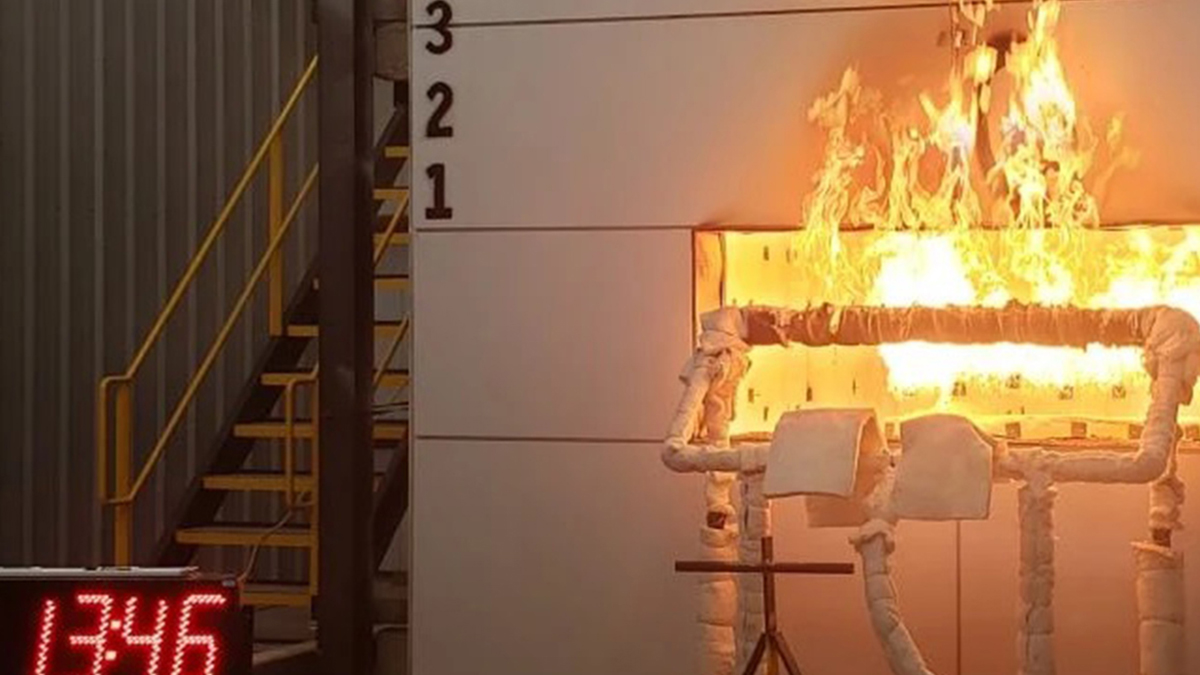
You want your building to stay safe during a fire. MgO boards give you that safety because of their noncombustibility. When you use these boards, you choose a material that does not catch fire or help flames spread. Many scientific tests prove this. For example, the ASTM E84 test shows zero flame spread on MgO boards. The EN 13501-1 standard gives them an A1 non-combustible rating, which is the highest class for fire safety. You can see how MgO boards perform in the table below:
Test Name | Description | Result |
|---|---|---|
ASTM E84 | Measures flame spread on surfaces | Zero flame spread |
ASTM E119 | Assesses fire resistance duration | 1-2 hours or more |
EN 13501-1 | European standard for fire classification | A1 non-combustible rating |
You get strong fire protection because MgO boards do not burn or add fuel to a fire. Their noncombustibility comes from their mineral makeup. You can trust them to keep your space safer than wood or drywall. A 2019 study found that MgO boards had lower insulation times than gypsum, but when you add steel sheathing, their fire resistance improves even more. Another study in the UK tested six samples and confirmed that most MgO boards meet the needed standards for thickness, density, and strength.
Note: MgO boards meet strict fire safety rules in many countries. They pass EN 13501-1 for Class A1 noncombustibility and follow Canadian standards like CAN/ULC S114 and ULC S135.
High Temperature Performance
You need a board that stands up to high heat. MgO boards do just that. They can withstand temperatures up to 800°C (1,472°F) without burning. Even at 1200°C, these boards stay flame-free. This means you get more time to escape or protect your property during a fire. MgO boards keep their shape and strength under extreme heat, so they do not break down or lose their fire resistance.
MgO boards do not burn, even in very hot fires.
They keep their structure and do not fall apart.
You get more time and better fire protection for your building.
This high level of noncombustibility makes MgO boards a top choice for places where fire risk is high. You can use them in kitchens, boiler rooms, or anywhere you need extra fire resistance.
Fire-Resistant MgO Boards vs. Gypsum Boards
You might wonder how fire-resistant MgO boards compare to gypsum boards. The difference is clear when you look at fire resistance and noncombustibility. MgO boards have a much higher fire rating and last longer in a fire. Here is a table to help you see the difference:
Property | MgO Board | Gypsum Board |
|---|---|---|
Fire Resistance Rating | A1 Non-Combustible | Fire-resistant up to 1 hour |
Fire Endurance | Up to 4 hours | 30-60 minutes |
You get up to four hours of fire resistance with MgO boards, while gypsum boards last only 30 to 60 minutes. MgO boards do not burn or give off toxic smoke. Gypsum boards can break down and lose strength much faster in a fire. When you choose fire-resistant MgO boards, you get better noncombustibility and longer-lasting fire protection.
MgO boards meet global fire safety rules.
You can use them in fire-rated walls and outdoor spaces.
They give you peace of mind and help protect lives and property.
Tip: If you want the best fire resistance and noncombustibility for your building, choose MgO boards over gypsum boards. You get stronger fire protection and a safer space.
Water Resistance of MgO Boards
Inorganic Composition Benefits
 Inorganic Composition Benefits
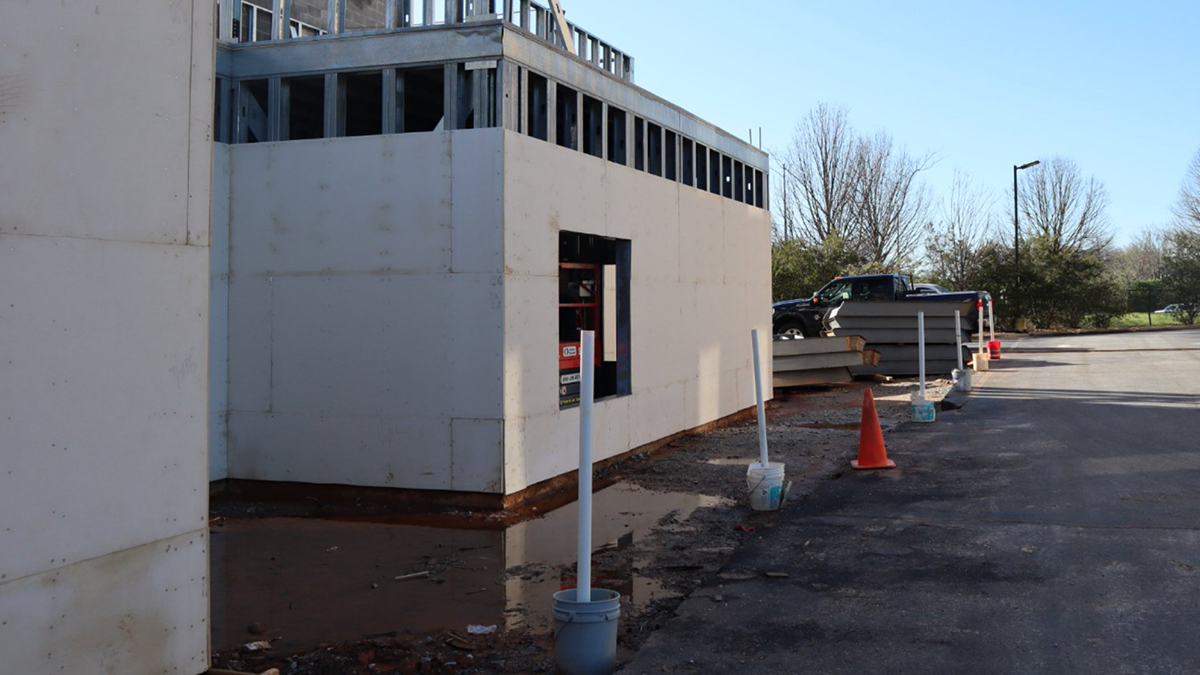
You want building materials that stay strong when wet. MgO boards help because they have special minerals. These minerals do not soak up water like wood or gypsum. So, MgO boards do not swell or break in wet places. Magnesium sulfate makes the boards very alkaline. This stops mold and mildew from growing. You get a cleaner and safer room, even when it is damp.
Here is a table that shows how MgO boards resist water:
Feature | How It Helps You |
|---|---|
Magnesium sulfate creates high alkalinity | Stops mold and mildew growth |
Inorganic structure | Blocks moisture absorption and keeps strength |
MgO boards keep their shape and strength in humid air. Their special makeup means you do not worry about water causing damage.
Performance in Wet Conditions
You need boards that do not break when wet. MgO boards work well in damp places. They do not swell or fall apart from water. You can use them where other boards fail. MgO boards do not break down after 100 days underwater. They stay strong after many wet and dry cycles. Mold does not grow, even in high humidity.
Here is how MgO boards compare to other materials:
Performance Metric | Result |
|---|---|
Underwater exposure for 100 days | No breakdown observed |
Repeated wet and dry cycles | Minimal effect on strength |
High humidity conditions | No mold growth observed |
Drying time compared to wood-based options | Six times faster than wood-based materials |
Time to reach equilibrium | 4 days (vs. 25 days for plywood/OSB) |
You can make MgO boards even better with these tips:
Put a vapor barrier behind MgO boards in wet areas.
Use a water-resistant primer before finishing the surface.
Seal all joints with waterproof compounds to block water.
MgO boards are used in places with lots of water:
Bathrooms: MgO boards go behind tiles and waterproof layers. They handle splashes and humidity without damage.
Kitchens: Builders use them behind backsplashes and tiles. They stay strong, even with steam and water.
Semi-outdoor spaces: MgO boards work in balconies and basements. They last under coatings, even in damp air.
Durability Over Time
You want your building to last in wet places. MgO boards stay strong because they do not soak up water. Studies show MgO boards keep fire resistance and strength for years in wet spots. Mold and mildew do not grow, so your space is healthier. MgO boards are better than gypsum board, which soaks up water and grows mold fast.
You can use MgO boards in bathrooms, kitchens, and other wet rooms. They keep water resistance and strength over time. Long humidity may lower water absorption and strength a little, but MgO boards still last longer than most boards. You get a strong, safe, and eco-friendly board.
Tip: Pick MgO boards for wet places. You get better resistance, less mold, and a building that lasts longer.
Manufacturing and Enhanced Resistance
Production Process
You might wonder how mgo boards get their impressive resistance. The secret lies in the way you make them. The production process uses careful steps to boost both fire and water resistance. Here is how you create a strong mgo board:
Mixing: You combine magnesium oxide, a binding agent, and special additives. This creates a uniform mixture.
Board Formation: You place the mixture into molds. Fiberglass mesh and non-woven fabric help keep the thickness even.
Initial Curing: The boards cure under controlled conditions. This step gives them their first layer of strength.
Demolding: You remove the rigid boards from the molds.
Final Curing: The boards cure at room temperature for up to seven days. This makes them even stronger.
Drying and Finishing: You dry the boards to the right moisture level and cut them to size.
Each step in this process helps mgo boards gain resistance to fire, water, and everyday wear. You get a board that stands up to tough conditions.
How Manufacturing Improves Fire and Water Resistance
The way you make mgo boards gives them unique resistance. You do not need to add chemical treatments for fire resistance. The mineral mix and curing steps make the boards non-burning. Mgo boards can handle high heat without damage. You can trust them in places where fire is a risk.
Mgo boards also resist moisture. They work well in humid spaces and stop mold from growing. You do not see them weaken or swell like OSB or plywood. The table below shows how mgo boards compare to other materials:
Material Type | Fire Resistance | Water Resistance |
|---|---|---|
MgO Boards | Excellent (moisture resistant) | |
Cement Boards | Good (non-burning) | Moderate |
OSB Boards | Poor (can catch fire) | Poor |
Plywood | Poor (can catch fire) | Poor |
You also help the planet when you choose mgo boards. The production uses less energy and creates fewer emissions. Mgo boards are made from natural minerals and have a lower carbon footprint than cement or gypsum boards. You can recycle them, which supports a circular economy.
Tip: If you want a building material with top resistance and a smaller environmental impact, mgo boards are a smart choice. You get safety, durability, and eco-friendly benefits in one product.
You can see the results in real-world testing. Mgo boards pass strict fire resistance and water resistance testing. You get peace of mind knowing your building is protected.
Comparing MgO Boards to Other Materials
MgO Board vs. Gypsum Board
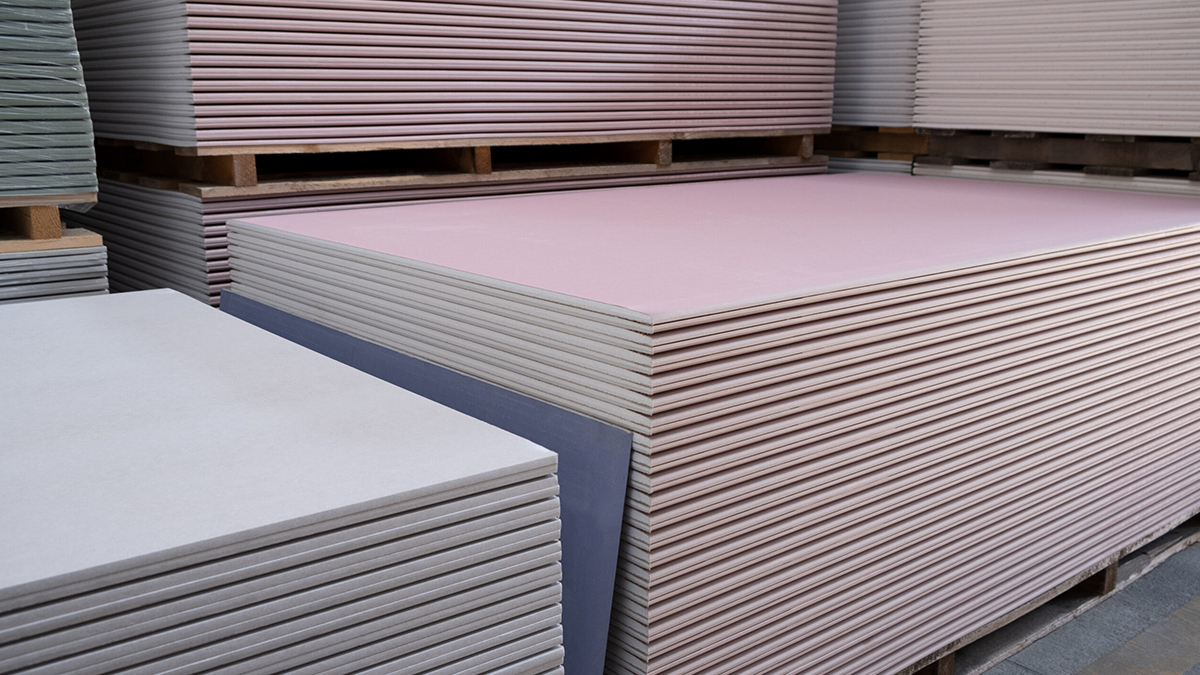 MgO Board vs. Gypsum Board
You may see gypsum boards used in many buildings. They are cheap and easy to install. However, when you need strong resistance to fire and water, mgo boards give you better results. Gypsum boards can break down in wet places. They soak up water and grow mold. Mgo boards stay strong and do not swell or decay, even in damp rooms. You can use mgo boards in bathrooms, kitchens, and basements without worry.
Here is a table to help you compare:
Advantage | MgO Boards | Gypsum Boards |
|---|---|---|
Fire Resistance | Superior fire safety, fire-rated | Less effective in fire safety |
Water Resistance | Resists moisture, does not swell or mold | Absorbs water, grows mold |
Tip: If you want a board that lasts in wet or risky areas, choose mgo boards over gypsum boards.
MgO Board vs. Cement Board
Cement boards also offer good resistance to fire and water. You may find them in showers and outdoor walls. However, mgo boards show even better water resistance. They can absorb moisture but release it without losing strength. Cement boards may break down in high humidity. Mgo boards keep their shape and do not decay, even after many wet and dry cycles.
You will also notice that mgo boards are lighter and easier to cut. Cement boards need special tools and more labor. This can raise your costs over time. Mgo boards help you finish jobs faster and with less effort.
Cost and Application Differences
You might wonder about the cost. Gypsum boards cost less at first, but you may spend more on repairs and replacements. Cement boards are affordable, but their weight and need for special tools can increase labor costs. Mgo boards cost more upfront, but they save you money later because they last longer and need less fixing.
Here is a quick look at costs:
Board Type | Cost per Square Foot | Long-term Value |
|---|---|---|
MgO Board | Strong, fireproof, water-resistant, saves money later | |
Gypsum Board | $0.50 – $1.00 | Cheaper upfront, more repairs over time |
You get the best value with mgo boards in places with high fire or water risk. They give you peace of mind and lower costs in the long run.
Note: Mgo boards outperform plywood, drywall, and cement boards in both fire resistance and water resistance. You can trust them for ceilings, walls, and wet spaces.
Practical Uses and Benefits
Applications in Construction
You see mgo boards in many buildings today. Builders pick them because they resist fire, water, and mold. You can use mgo boards in homes, schools, offices, and hospitals. They work for both inside and outside jobs.
Here is a table that shows how you can use mgo boards:
Application Type | Description |
|---|---|
Ceiling and Wall Linings | Used for fire-resistant linings in homes and businesses. |
Fascias and Soffits | Gives strong and fireproof finishes outside. |
Exterior Cladding | Protects buildings from rain, wind, and sun. |
Floor Underlay | Makes a solid base for floors. |
Tile Backing | Holds tiles in wet places and stays strong. |
You get many good things from using mgo boards. They resist fire and water better than most boards. You see less mold and need fewer repairs. Mgo boards help you build safer and longer-lasting rooms.
Tip: Use mgo boards for ceilings, walls, floors, and behind tiles in kitchens and bathrooms.
Real-World Case Studies
You find mgo boards in real buildings all over the world. In one school, builders used mgo sheathing to stop fires and make the air cleaner. This made the school safer for everyone. In Europe, mgo boards are in panels and wet-area rooms. These projects show mgo boards stop fire and water damage.
In Australia, builders use mgo boards under floors. This makes homes stronger, even when it is humid. In the Middle East, mgo boards protect buildings from heat and wet weather. You get stronger buildings and spend less on repairs.
You also save money on fixing things. Mgo boards keep their shape and strength for many years. They do not crack or break easily. You pay less for repairs because they resist water, fire, and mold.
Note: Mgo boards last longer than drywall or plywood. They give you strong resistance and help you build safe, long-lasting spaces.
MgO boards help keep buildings safe from fire. Their special structure stops fire from spreading. This helps protect your building. The table below shows how MgO board sheathing is better than gypsum in fire tests:
Property | MgO Board Sheathing | Gypsum Board |
|---|---|---|
Fire Resistance | Non-combustible | Can burn |
Fire Safety | Highest rating | Lower rating |
MgO boards also work well outside. They do not let water in and last a long time. Using MgO boards makes buildings safer and helps you follow fire safety rules. You can trust MgO exterior sheathing to make homes safer and stronger. As fire safety rules get tougher, MgO sheathing will be even more important for safe buildings.
FAQ
How do you cut MgO boards?
You can cut MgO boards with a standard utility knife or a circular saw. Always wear a dust mask and safety glasses. Use a straight edge for clean lines. Cutting is easy and does not need special tools.
Are MgO boards safe for indoor air quality?
Yes, MgO boards do not release harmful chemicals or gases. You get cleaner air in your home. These boards do not contain asbestos or formaldehyde. You can use them in bedrooms, kitchens, and schools.
Can you paint or tile over MgO boards?
You can paint or tile directly on MgO boards. Make sure the surface is clean and dry. Use a primer for paint or a thin-set mortar for tiles. This gives you a smooth and strong finish.
How do MgO boards help the environment?
MgO boards use natural minerals and need less energy to make. You help lower carbon emissions by choosing them. These boards are recyclable. You support a greener building process.