
08 Feb Understanding the Performance of Magnesium Oxide Board in Modern Construction
Imagine you need a building material that keeps your home safe. It should also keep your home dry and quiet. Mgo board is special in modern construction. It resists fire, moisture, impact, and sound better than most old materials. You can find mgo in homes, offices, factories, and hospitals. It lasts longer and stays strong even in hard situations. Many people pick mgo board because it is good for the environment. It also does not need much care.
Mgo board helps stop mold and keeps indoor air cleaner.
Feature | Mgo Board | Gypsum Board | Cement Board |
|---|---|---|---|
Fire Resistance | Superior | Basic | High |
Moisture Resistance | Excellent | Sensitive | Better |
Durability | Long-term | Degrades | Moderate |
Key Takeaways
MgO board is very good at stopping fire, water, and noise. It is a strong choice for many building jobs.
This material is good for the environment and is not harmful. It helps keep the air inside clean by stopping mold and germs from growing.
MgO board is tough and can handle bad weather. This means you will not need to fix or change it often.
Use MgO board in wet places like bathrooms and kitchens. It helps stop water damage and keeps buildings strong.
Pick MgO board because it works well for a long time and is safe. It helps make homes and buildings healthier and safer.
MgO Board Performance Overview
 Key Technical Properties
 Key Technical Properties
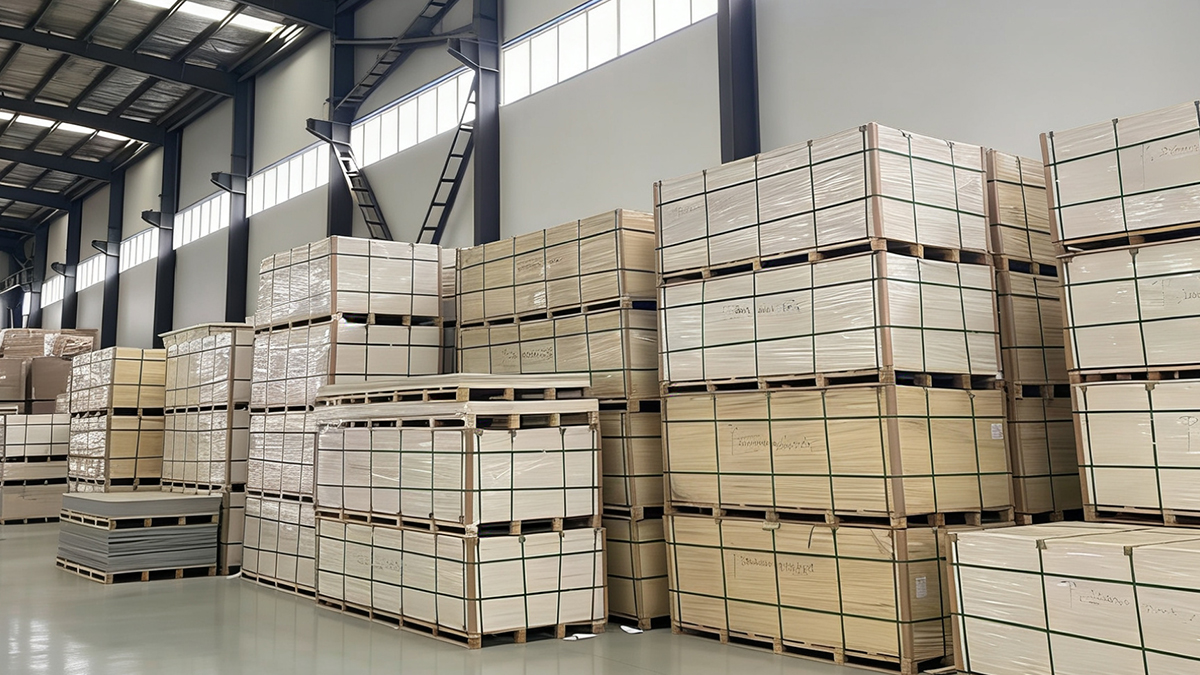
Mgo board works well in new buildings. It has special features that make it better than other boards. Magnesium oxide board can stop fire, water, hits, and noise. This means it does not catch fire easily. It stays strong even when it gets very hot. Mgo board does not bend or fall apart in wet places. You do not have to worry about swelling or layers coming apart. Mgo board is also good for health and safety. It does not have harmful things like formaldehyde or crystalline silica. Bugs like termites cannot eat mgo board. It does not rot or change shape as time goes by. You can recycle mgo board or put it in landfills safely. Its antibacterial feature helps stop mold and fungus. This keeps the air inside cleaner.
Here is a table that lists the main features of mgo board:
Property | Description |
|---|---|
Non-combustible | Resists fire for 2-3 hours, does not burn at 800℃, ignites only at 1200℃. |
Water Resistant | Maintains structural integrity in humid environments, preventing warping, expansion, or delamination. |
Health and Safety | Composed of magnesium oxide minerals, free from toxins like formaldehyde and crystalline silica. |
Termite-resistant | Naturally moisture-proof and insect-proof, preventing deformation and decay. |
ECO-Friendly | Made of natural compounds, safe for landfilling and recycling, and can withstand freeze-thaw cycles. |
Mold-proof | Antibacterial properties prevent mold, fungi, and decay effectively. |
Mgo board is great for keeping rooms quiet. It blocks noise so you hear less sound. Magnesium oxide board does not let out bad smoke if there is a fire. This makes homes and offices safer. Mgo board is also very strong and lasts a long time. It can last at least 33 years if used right. New ways to make mgo board make it even tougher. Some boards have layers with mesh and fillers to stop damage from hits. New mixes with magnesium sulfate make the board stronger. MOS-based boards do not soak up much water and fight off rust and mold. You can trust mgo board to work well even in tough places.
Tip: Pick mgo board if you need fire safety, water protection, and quiet rooms.
Real-World Applications
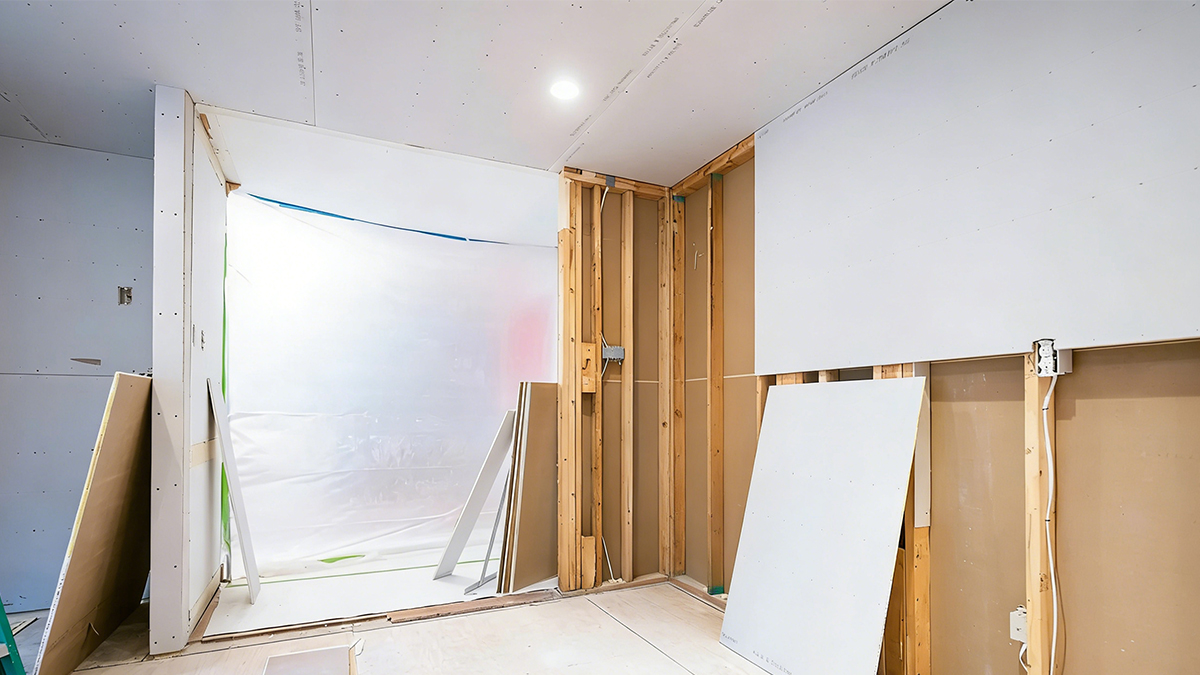
You can use mgo board in many places. Its features make it good for homes, offices, factories, and hospitals. Magnesium oxide board is used a lot in houses. You can put it on walls, floors, ceilings, and wet spots. Mgo board keeps homes safe from fire and water. It also works well in offices and stores. People use mgo board for walls, ceilings, and outside covers. Its features help meet building rules and keep people safe. In factories and warehouses, mgo board stands up to heat, sun, and bad weather. You can use it for outside walls, inside walls, and under floors.
Here is a table that shows where mgo board is used most:
Sector | Applications |
|---|---|
Residential | |
Commercial | Prior choice due to reliability and versatility in commercial spaces. |
Industrial | Used in various ways for their reliability and versatility in industrial settings. |
In Europe, mgo board is used in SIP walls and wet rooms. Builders pick it because it stops fire and water. Its insulation keeps buildings quiet and comfy. In Australia, mgo board is used under floors and for tiles. Floors stay strong and need less fixing. In the Middle East, mgo board is used for outside and inside walls. Its features help meet local rules and last a long time.
New ideas make mgo board work even better. Some boards block more than 45 dB of noise. Mgo board stays strong after getting wet or hot. You can count on magnesium oxide board to last a long time. Its features make it a smart pick for many jobs.
Note: Use mgo board when you need good insulation, strength, and safety.
Moisture and Corrosion Resistance
Water Exposure and Dimensional Stability
 Water Exposure and Dimensional Stability
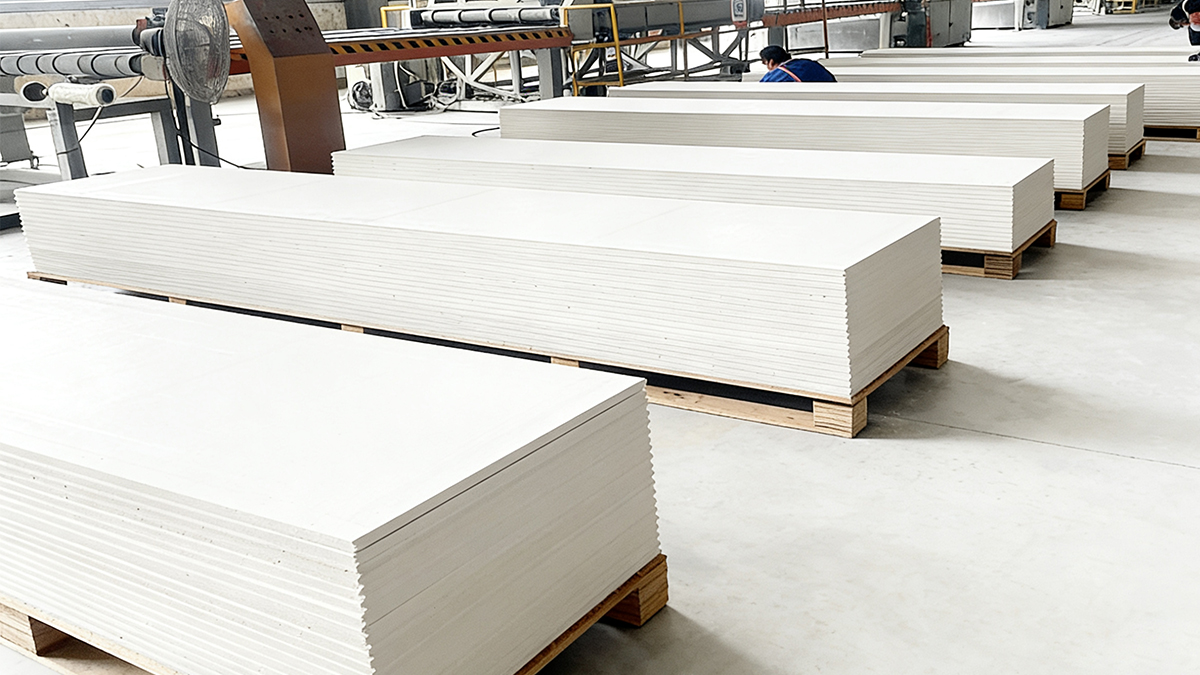
You want building materials that do not get weak when wet. Mgo board is very good at stopping water from causing problems. Other boards can swell or break after getting wet. Mgo board stays the same shape and keeps its strength. You will not see it bend or puff up. This board only takes in a tiny bit of water—just 0.34%. You can count on mgo board to stay strong even after many years of getting wet and drying out. It keeps almost all its strength after being wet and dry 25 times. You get great protection from water damage.
Here is a table that shows how different boards act when wet:
Property / Material | Magnesium Oxide (MgO) Board | Plywood | Drywall (Gypsum Panels) |
|---|---|---|---|
Dimensional Stability | No warping, swelling, or delamination | Warping, cupping | Swelling, crumbling |
You will not see it bend or puff up after water.
Mgo board keeps fighting damage for many years.
You get better water protection than plywood or drywall.
Tip: Pick mgo board for bathrooms, kitchens, and basements. You will feel safe because it stops water problems.
Durability in Harsh Environments
Some places have tough weather and hard conditions. Mgo board can handle these tough spots. It is strong against rust, mold, and rot. Mgo board does not rust or fall apart when it touches salt, chemicals, or wet air. You can use it near the ocean, in factories, and in wet places. Mgo board keeps bugs and germs from hurting it. You do not need to worry about termites or mold. This board gives you long-lasting safety from water and rust.
People use mgo board in cold and hot, wet places. It does not crack or get weak from freezing and thawing. You get good protection from weather changes. Mgo board helps buildings stay safe and strong. You spend less money fixing or changing boards. Mgo board makes you feel sure your building is safe all year.
Note: Mgo board gives the best protection from water, rust, and tough weather. You keep your building safe with this smart pick.
Fungal, Mold, and Insect Resistance
Microbial Protection
You want your building to stay clean and safe. Mgo board helps you do that. This board does not let mold or fungus grow. The reason is simple. Mgo does not absorb much water, so it stays dry even in places like bathrooms or kitchens. Mold needs moisture and food to grow. Mgo does not give mold what it needs. You get a board that keeps its strength and shape, even when the air is humid.
Laboratory tests show how well mgo board works. Over 1,000 samples faced mold tests for more than two years. The results were clear. Mgo board scored a perfect 0/0/0 on the ASTM G21 test. This means no mold or mildew grew on the board. Other boards, like OSB, can support mold because they have organic materials. Mgo board uses inorganic minerals, so it does not feed mold or fungus.
Study Type | Findings | Duration |
|---|---|---|
Laboratory | Over 1,000 samples tested for mold resistance | More than two years |
Mgo wall panels prevent moisture absorption, which stops mold growth.
They stay dry in humid rooms.
Mold cannot grow because mgo does not provide nutrients.
Benefits for Indoor Air Quality
You care about the air you breathe. Mgo board helps you keep indoor air clean. The board’s inorganic makeup means mold spores cannot find food. Mgo has a low moisture absorption rate of only 0.34%. Gypsum boards can absorb up to 3%. Less moisture means less chance for mold to grow.
The high alkalinity of mgo also stops bacteria and fungi. Lab tests confirm this. Mgo board gets a perfect score for mold resistance. You get a healthier space for your family or workers. You do not have to worry about hidden mold or bad smells. Mgo board gives you peace of mind and a safer place to live or work.
Tip: Choose mgo board if you want to protect your building from mold, fungus, and insects. You will also improve the air quality inside.
Mechanical Strength and Impact Resistance
Load-Bearing Capacity
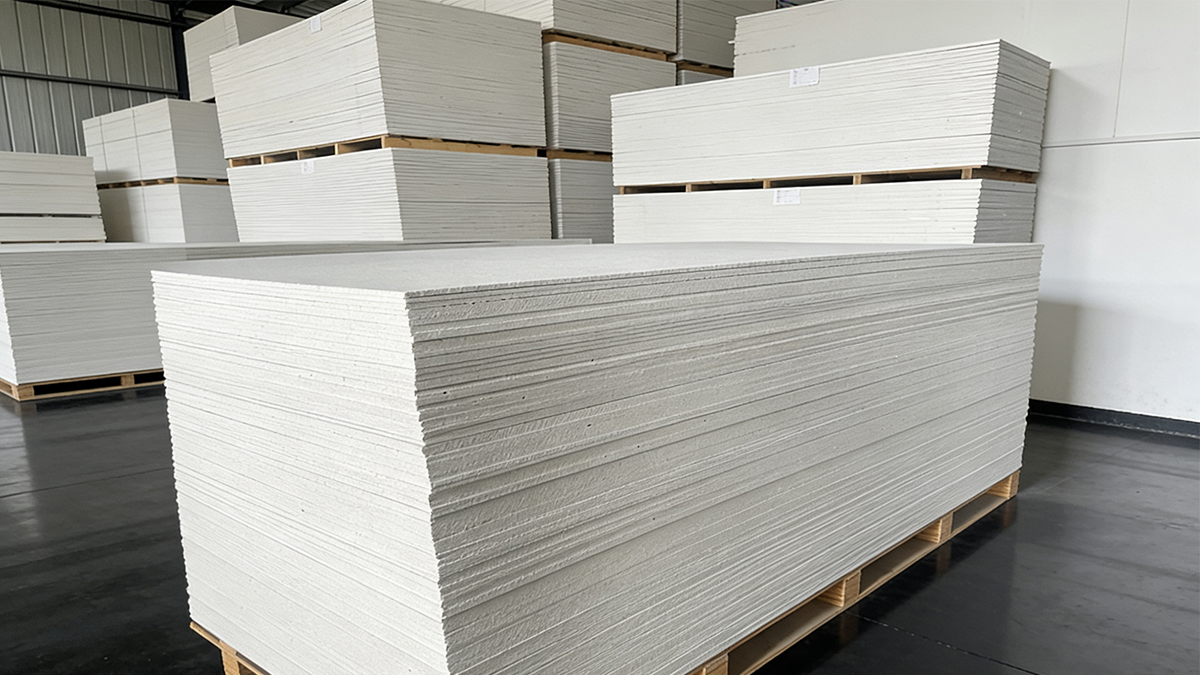 Load-Bearing Capacity
You want your building materials to stay strong under pressure. Mgo board gives you high strength and good durability. You can use it for walls and floors that need to hold weight. The compressive strength of mgo board ranges from 12 to 25 MPa. This is higher than OSB, which has a compressive strength of 10.3 to 17.2 MPa. Mgo also has a flexural strength between 14 and 22 MPa. This means it can bend without breaking.
Property | Value (MPa) |
|---|---|
Compressive Strength | 12 to 25 |
OSB Compressive Strength | 10.3 to 17.2 |
Flexural Strength | 14 to 22 |
You can trust mgo board for wall sheathing and floors. It works well in places where you need both strength and durability. Mgo board stands up to impacts and does not crack easily. You get a material that keeps its shape and supports your building. However, you should know that mgo boards are not usually used as the main structure. Builders often add extra support for heavy loads.
Mgo board is good for load-bearing walls and floors.
It has strong flexural capacity for walls that face side pressure.
You get better performance in impact resistance compared to many other boards.
Tip: Use mgo board when you need a tough surface that can handle daily wear and tear.
Freeze-Thaw Durability
You may worry about how your building materials handle cold and wet weather. Mgo board gives you excellent durability in freeze-thaw cycles. This means it does not lose strength or crack when the temperature changes from freezing to thawing. You can see how mgo compares to other boards in the table below.
Board Type | Freeze-Thaw Durability | Bending Strength Change |
|---|---|---|
Magnesium Oxide | Small changes, similar to Fibre Cement | |
Fibre Cement | Good resistance | Small changes |
Gypsum Plasterboard | Inferior performance | Larger changes |
Mgo board keeps its durability even after many freeze-thaw cycles. You do not have to worry about bending or breaking. Gypsum boards often lose strength and crack in these conditions. Mgo gives you peace of mind in cold or wet climates. You get a board that lasts longer and keeps your building safe.
Mgo board resists cracking in freeze-thaw cycles.
It keeps its strength and shape in harsh weather.
You can use mgo in places with big temperature changes.
Note: Choose mgo board for the best durability in both hot and cold climates.
Fire Safety and Compliance
Fire-Rated Assemblies
You want your building to be safe if there is a fire. Mgo board helps protect people because it resists fire well. You can use mgo board for walls, ceilings, and floors that need fire safety. These special assemblies slow down fire and help keep people safe. Mgo board does not burn fast or lose its shape in heat. That is why you see it in places like hospitals, schools, and factories. It meets tough fire safety rules.
Many types of mgo board have top fire safety certificates. These certificates prove the board works well in fire-rated assemblies. Look at the table below to see some main certificates:
Certification/Standard | Purpose/Description |
|---|---|
EN 13501-1 (Class A1 Noncombustible) | Best fire resistance; does not add to fire, makes little smoke |
ASTM E136 | Proves the board does not burn |
ASTM E84 | Class A for slow fire spread on the surface |
ICC-ES ESR-2880 | Shows the board meets building codes |
INTERTEK and ILAC-MRA | Lab approval for use in many countries |
Tip: Pick mgo board for fire-rated assemblies to follow building codes and keep people safe.
You also need to follow local rules for buildings. In China, mgo board must pass GB50016-2014 fire tests. Other countries have their own rules and tests by trusted labs. Around the world, mgo board is known as a green building material.
Comparison to Other Boards
You might wonder how mgo board compares to other boards for fire safety. Mgo board does well in fire-rated assemblies, but it is good to know how it matches up with gypsum and cement boards. The table below shows how each board handles fire:
Material | Fire Resistance Performance |
|---|---|
Magnesium Oxide Board | |
Gypsum Plasterboard | About the same as calcium silicate board |
Calcium Silicate Board | About the same as gypsum board |
Mgo board gives good fire protection, but gypsum and calcium silicate boards can be just as good or better in some tests. Pick the board that fits your project best. Mgo board still helps stop fire, makes little smoke, and meets safety rules.
Note: Always check fire safety ratings and certificates before you choose a board for fire-rated assemblies.
You can trust mgo board to help keep your building safe. It meets fire safety rules and works well in fire-rated assemblies. You will feel better knowing your building has strong fire protection.
Acoustic Performance and MgO Sound Insulation
Soundproofing Benefits
You want your building to be quiet and comfy. Good sound control is important everywhere. Mgo board is great at blocking noise. You can trust mgo sound insulation to keep out sounds from outside and between rooms. The thick mgo board helps make rooms quieter. It stops noise so you can relax. Mgo board keeps sound from moving through walls and floors. This means you hear less from neighbors or busy roads.
Check the table below to see how mgo board works for sound:
Assembly Type | STC Rating | IIC Rating |
|---|---|---|
MgO floor assemblies with sheathing | 53 | 72 |
MgO wall assemblies (UL-rated systems) | 53 – 54 | N/A |
Partition with double-sided 9mm MgO boards + 75mm keel + 50mm rock wool | Noise reduction > 42 dB | N/A |
You can see mgo board has high sound ratings. These numbers show it blocks a lot of noise. You can use mgo sound insulation in floors and walls. It helps make rooms more private and peaceful. You will hear less noise and feel more comfortable.
Tip: Pick mgo board if you want better sound control and a quiet building.
Applications in Noise Control
You need materials that help stop noise. Mgo board works well in apartments and offices. You can use mgo sound insulation to lower noise between rooms. It helps make classrooms, offices, and homes quieter. Mgo board is good for walls and ceilings. It gives you better sound control and more privacy.
You get better sound blocking for privacy.
Mgo sound insulation helps stop noise and makes rooms calm.
You can trust mgo board to block noise in buildings with many people.
Mgo board gives strong sound control in all kinds of places.
You can use mgo sound insulation in hospitals, hotels, and schools. It helps make these places peaceful. Mgo board gives you good sound control and keeps noise down. You will notice rooms are quieter and more private.
Note: Choose mgo board for good sound control and less noise. You will get better sound blocking and a quieter building.
Environmental Sustainability
Eco-Friendly Materials
 Eco-Friendly Materials
You want to pick materials that help the planet. Mgo board is special because it is eco-friendly. Making mgo board uses less energy than other boards. This helps lower pollution. Mgo board does not let out bad chemicals into the air or soil. You can recycle mgo board, so it does not fill up landfills.
Mgo board needs less energy to make.
You can recycle mgo board after using it.
It does not let out harmful chemicals.
Gypsum boards use more energy and can let out gases in landfills.
Fiber cement boards use lots of energy and may let out particles when thrown away.
Mgo board helps you reach your green goals. Many mgo boards have important certificates for safety and quality. These certificates show mgo board meets high standards for being eco-friendly and strong.
Certification | Details |
|---|---|
CE | Safe and follows health rules |
ISO | Made with good quality |
INTERTEK | Safety and performance checked |
ASTM E84 | Fire safety standard |
EN 13501 | Fire safety class |
UL 723 | Fire safety standard |
Tip: Pick certified mgo board for the best safety and eco-friendly features.
Non-Toxic and Safe
You care about clean air and safe spaces. Mgo board is safe and non-toxic. It comes from natural minerals. Good mgo boards do not have formaldehyde or VOCs. You will not find bad resins or chemical additives in mgo board. Lab tests show mgo board has almost zero VOC emissions. This makes it safe to use inside.
Mgo board does not have formaldehyde or VOCs.
Lab tests show almost no emissions.
Mgo board is checked for heavy metals and radiation and always passes safety tests.
The board does not burn or let out toxic smoke.
Mgo stops mold and mildew, keeping your air clean.
You can use mgo board in homes, schools, and hospitals. Picking certified mgo board helps protect your health and the planet. Mgo board gives you strong performance and keeps you safe.
Practical Considerations
Installation and Handling
You need to follow best practices when you install mgo board. This helps you get the best results and avoid problems. Start by cutting the board with the right tools. Use carbide-tipped saw blades or scoring tools for clean edges. Always measure and mark before you cut to reduce waste. Fasten the boards to the framing with corrosion-resistant screws. Make sure you use the right fasteners for wood or metal frames. Treat all joints with fiberglass mesh tape and a good joint compound. This step helps stop cracks from forming.
Aspect | Best Practices |
|---|---|
Cutting | Use carbide-tipped saw blades or scoring tools. Measure and mark carefully to reduce waste. |
Fastening | Use corrosion-resistant fasteners, with specific recommendations for wood and metal framing. |
Joint Treatment | Apply fiberglass mesh tape with a suitable joint compound to minimize cracks. |
Safety Precautions | Wear protective gear and ensure proper ventilation during cutting and sanding. |
Storage | Store boards flat in a dry area, avoiding moisture and stacking too high to prevent deformation. |
Wear a dust mask and safety glasses when you cut or sand mgo. Use wet suppression or a HEPA vacuum to control dust. Store the boards flat in a dry place. Do not let them touch the ground. Secure the panels during transport so they do not shift or break.
Cost and Availability
You may notice that mgo board costs more at first than gypsum or fiber cement boards. The price usually ranges from $8 to $20 per square meter. Gypsum boards and fiber cement boards cost less, but mgo gives you better fire, water, and durability features. Over time, you save money because mgo needs less repair and lasts longer.
Mgo board price per m²: $8–$20
Fiber cement board price per m²: $6–$15
You also need to think about where you live. If your region has easy access to raw materials, you will find mgo more available. Areas with strong industry and high construction demand often have better supply. Building codes that require fire-resistant and eco-friendly materials also increase the use of mgo. You can buy mgo through many channels, both online and in stores.
Limitations
You should know that mgo board has some challenges. It needs special tools and skills for cutting. You cannot use a regular knife. The board can crack if you do not handle it right. Sometimes, mgo absorbs moisture, which can cause corrosion or mold if not installed properly. Nails and screws may not hold as well as they do in wood or drywall. Paint and wallpaper may peel because of the board’s alkaline nature. Joint compounds may not stick well if the board gets wet.
Challenge | Description |
|---|---|
Needs special tools and skills; cannot be cut with regular knives. | |
Brittleness | Can crack during handling or installation if not using the right tools or methods. |
Moisture Absorption | Absorbs moisture, leading to potential corrosion and mold growth. |
Weak Nail Holding | Nails and screws may not grip as well as in wood or drywall. |
Finishing Issues | Paint and wallpaper may peel off due to the alkaline nature of the board. |
Joint Compound Adhesion | Moisture absorption can weaken the bond between joint compound and the board. |
Note: You can avoid most problems by following the right installation steps and using the correct materials.
You get lots of good things when you pick mgo board. The table below shows why mgo is a smart choice:
Advantage | Description |
|---|---|
Waterproof and Mold-Resistant | Takes in very little water, keeps rooms dry. |
Pest-Proof Features | Stops bugs like termites and ants from hurting it. |
Fire Resistance | Can handle high heat and does not burn easily. |
Cost-Effectiveness | Simple to put in, saves money over time. |
Long-Term Durability | Lasts longer than most other boards. |
Mgo works well in homes and offices. It helps protect your building from fire, water, and bugs. Mgo is also good for the planet because you can recycle it. It is made from natural things. Use thin mgo board for ceilings. Pick medium mgo board for walls and panels. Choose thick mgo board for floors and outside walls.
Mgo board is useful in many places.
It helps make the air inside cleaner.
More people want mgo because they want safer and greener buildings.
Mgo board will be used even more in green building in the future.
FAQ
What makes MgO board different from drywall?
MgO board resists fire, water, and mold better than drywall. You get stronger protection and longer-lasting walls. Drywall can break down in wet areas, but MgO board stays strong.
Can you use MgO board outside?
Yes, you can use MgO board for exterior walls and siding. It stands up to rain, sun, and cold weather. You get reliable performance in harsh conditions.
Is MgO board safe for indoor air quality?
MgO board does not release harmful chemicals. You get cleaner air inside your home. It stops mold and bacteria, making your space healthier.
How do you cut and install MgO board?
You need carbide-tipped saw blades or scoring tools. Always wear safety gear. Fasten the board with corrosion-resistant screws. Treat joints with mesh tape and joint compound.
Does MgO board cost more than other boards?
MgO board costs more at first. You save money over time because it lasts longer and needs fewer repairs. You get better value for durability and safety.