
12 Feb What is MgO board and why builders love it
What is mgo board? Builders pick it more now. It is strong and safe. The global market share for mgo board was 50.28% in 2024. This shows it is becoming popular fast. Here are some of its benefits:
Comparative Aspect | MgO Board | Traditional Boards |
|---|---|---|
Fire Resistance | Up to 4 hours | About 1 hour |
Estimated Lifespan | Up to 100 years | Shorter life, more repairs |
Mold Resistance | Mold-free 3+ years | Gets mold when wet |
You get fire resistance, water resistance, and durability. MgO board makes less CO2 than concrete. This helps keep the planet safer.
Key Takeaways
MgO boards stop fire for up to 4 hours. This helps keep buildings safe. Builders like them for safety projects.
These boards are very strong. They can last up to 100 years. You do not need to fix them often.
MgO boards do not get moldy or wet easily. They work well in kitchens and bathrooms. These places have lots of moisture.
Using MgO boards helps the environment. They take in CO2 when made. They use materials that do not harm nature.
MgO boards are simple to put in. This saves time and money. They make buildings strong, safe, and good for the planet.
What is MgO board
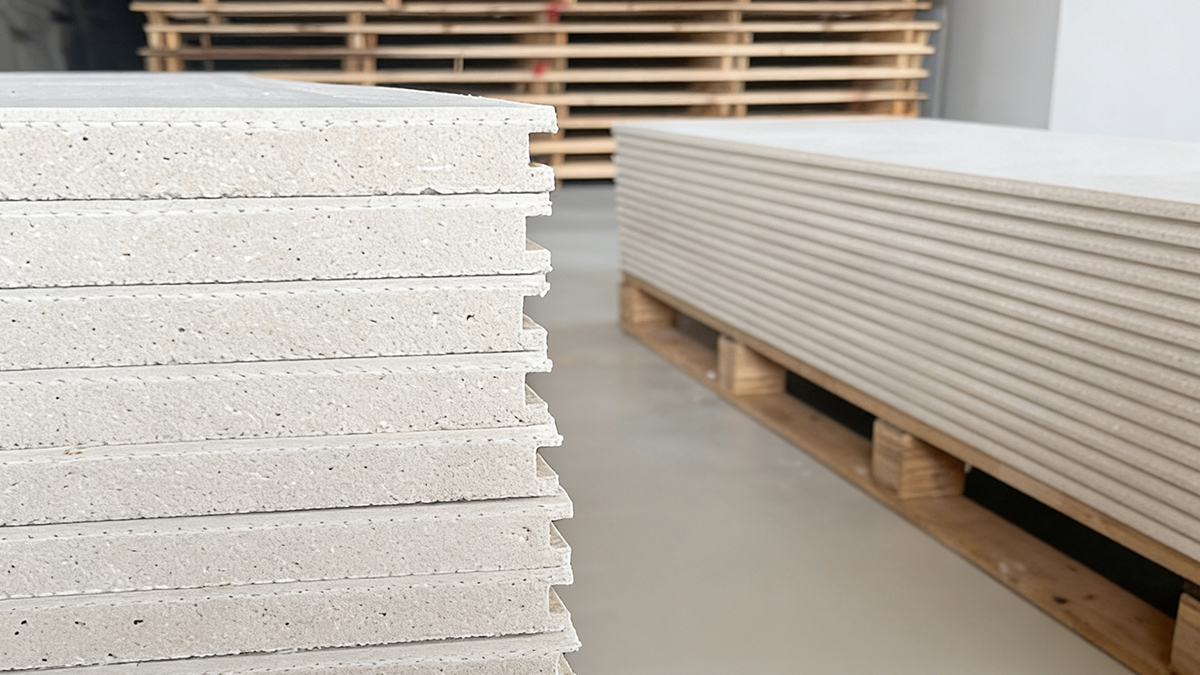
You may wonder, what is mgo board and why do so many builders use it? When you look at mgo boards, you see a new type of building material that stands out from traditional drywall and plywood. Mgo board is a strong, safe, and eco-friendly panel. You can use it for walls, ceilings, and floors. Many people ask, what is mgo board made of and how does it work better than other boards? Let’s explore the details.
Composition and materials
If you want to know what is mgo board, you need to look at what goes inside. Mgo boards use a mix of natural and man-made materials. These materials give mgo boards their special strength and safety features. Here is what you will find in most mgo boards:
Magnesium Oxide (MgO)
Magnesium Chloride (MgCl₂)
Perlite
Sawdust (wood fiber)
Fiberglass mesh
Each part has a job. Magnesium oxide forms the main body of the board. Magnesium chloride helps bind everything together. Perlite and sawdust make the board lighter and easier to handle. Fiberglass mesh adds extra strength and helps the board resist cracking. When you ask, what is mgo board, you see that these materials work together to create a board that is tough and long-lasting.
How MgO boards are made
You might wonder how mgo boards go from raw materials to finished panels. The process starts when you mix magnesium oxide with magnesium chloride and water. This forms a paste. You then add perlite, sawdust, and fiberglass mesh. Workers pour this mix into molds and press it flat. The boards cure at room temperature, which means they harden without needing high heat.
This way of making mgo boards helps the planet. Mgo boards absorb carbon dioxide as they cure. They use less energy to produce than gypsum boards. The materials in mgo boards come from sources that do not run out quickly. You can see the difference in this table:
Feature | MgO Boards | Gypsum Boards |
|---|---|---|
CO2 Absorption | Absorb CO2 during curing | Do not capture CO2 |
Energy Consumption | Require less energy to produce | High energy consumption |
Resource Sustainability | Made from abundant, eco-friendly materials | Depend on mined, finite resources |
Environmental Impact | Lower carbon footprint | Higher carbon footprint |
Recyclability | Can be reused or repurposed | Often end up in landfills |
When you compare what is mgo board to other boards, you see big differences. Mgo boards do not burn. They have a zero flame spread rating. You can use mgo boards in places where fire safety matters most. Mgo boards do not absorb water, so you can use them in bathrooms and kitchens. Mold and mildew cannot grow on mgo boards because they do not contain organic material. Mgo boards stay strong even in busy areas. They do not tear or break easily. You also get a safer home because mgo boards do not have formaldehyde or toxic chemicals.
If you ask, what is mgo board used for, you will find many answers. Mgo boards work well for walls, ceilings, floors, and even special projects. Builders choose mgo boards because they last longer and keep buildings safer and healthier. You now know what is mgo board and why it is changing the way people build.
MgO board properties
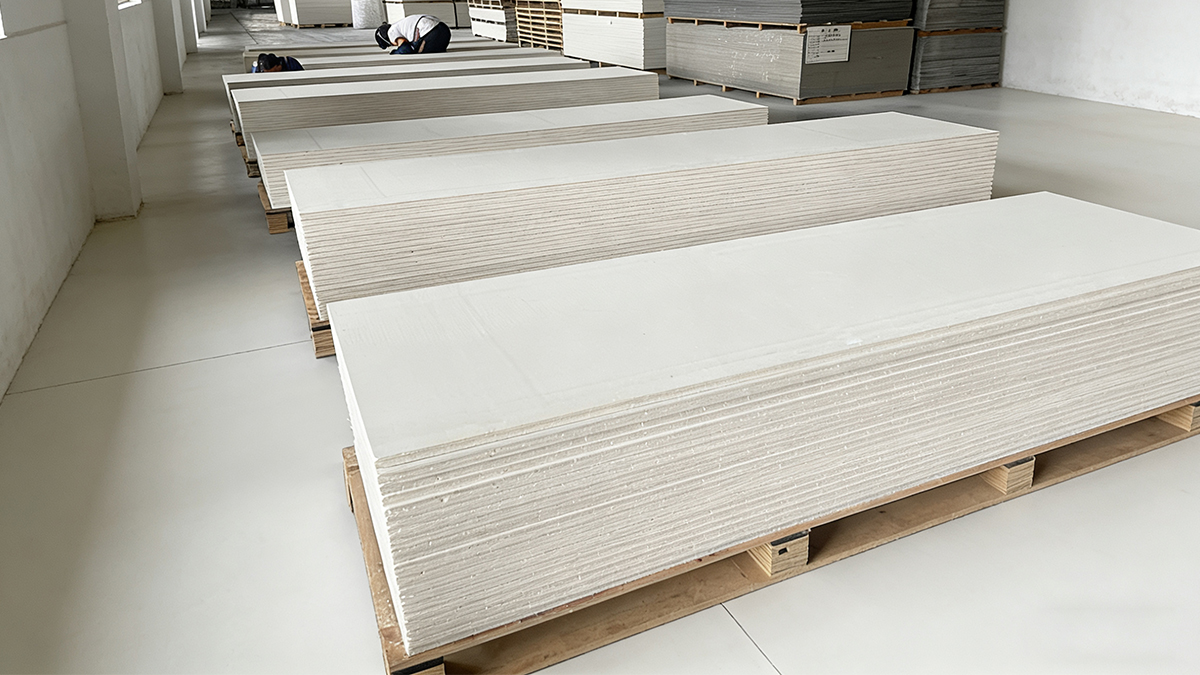 When you see magnesium oxide boards, you notice many good things. These features make mgo boards a favorite for builders. They want strong, safe, and green building materials. Let’s look at the main things that make mgo board special.
Strength and durability
You want walls and ceilings to last a long time. Mgo boards are very strong and tough. Their strength comes from how the materials stick together. Mgo boards do not crack, bend, or sag easily. They stay strong even when it is humid or hot. Builders use mgo boards in places that need extra strength.
Here is a table with the usual strength numbers for magnesium oxide boards:
Property | Value (MPa) |
|---|---|
Compressive Strength | 20 to over 40 |
Flexural Strength | 13 to 30 |
Mgo boards are better than gypsum board. Gypsum board soaks up water fast and can get moldy or break. Cement board is okay but needs sealing in wet spots. Mgo boards stay strong and last in hard places. You do not need to fix them often.
Fire and moisture resistance
Fire resistance is a big reason people pick mgo board. You want your building to be safe if there is a fire. Magnesium oxide boards do not burn or make toxic smoke. They have a zero flame spread rating. Mgo boards meet top fire safety rules. You can use them where fire safety is important.
Here is a table with fire resistance ratings for mgo boards:
Property | Test/Standard | Result/Rating |
|---|---|---|
Fire Resistance | UL 055, ASTM |
Fire Rating | Fire Duration | Standards |
|---|---|---|
A1 (highest fire rating) | 90 minutes | GB 8624, GB/T 9978.1-2008 |
Property | Magnesium Oxide (MgO) Board | Cement Board |
|---|---|---|
Fire Resistance Rating | Moderate fire resistance | |
Fire Duration Resistance | Up to 4 hours | Handles fire but may require extra support |
You also want walls that do not get ruined by water. Mgo boards are great at keeping out water. Tests show mgo boards only take in 0.34% water by weight. Plywood and OSB soak up much more water and get weak. Mgo boards keep their strength after getting wet and drying. They dry fast, so they do not get damaged in wet places.
Material | Water Absorption Rate | Flexural Strength Retention | Drying Time |
|---|---|---|---|
MgO Board | 0.34% | ~100% after 25 cycles | 4 days |
Plywood | ~9% | ~91% after wet-dry cycles | ~25 days |
OSB | >10% | ~60% after wet-dry cycles | ~25 days |
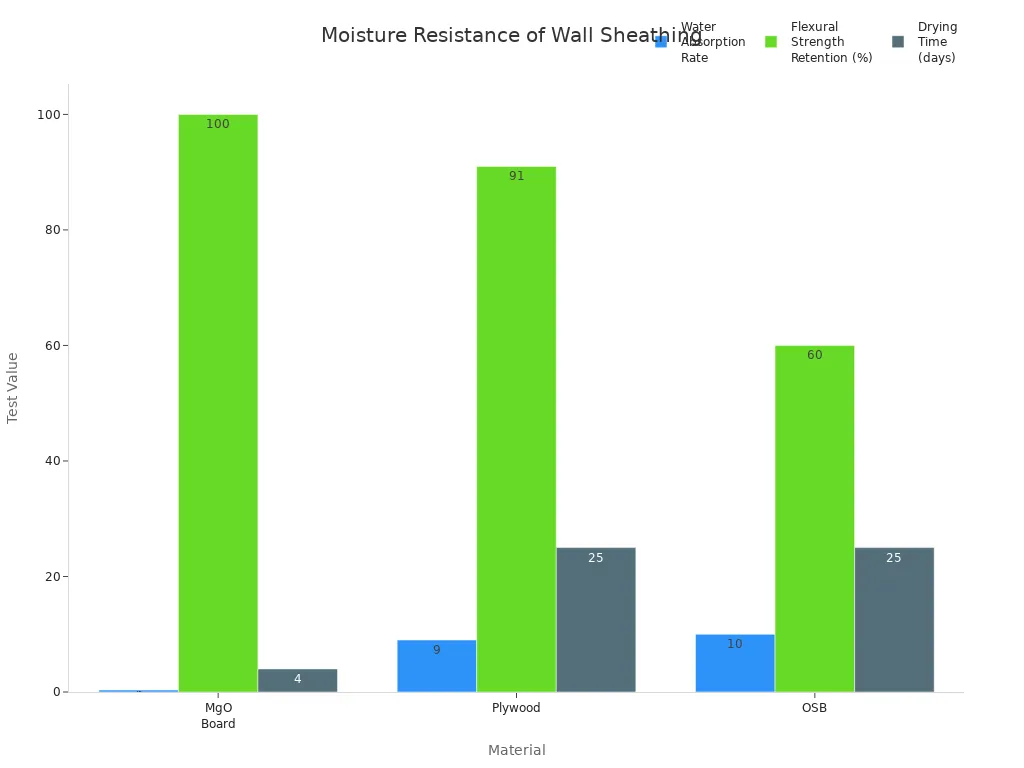
Mgo boards soak up only 0.34% water in tests.
Plywood loses about 9% of its bending strength after getting wet and drying.
OSB takes in more than 10% water and loses about 40% of its strength after getting wet and drying.
You get walls that do not grow mold or mildew. Mgo boards keep your building safe and strong.
Environmental and health benefits
You want to help the planet and stay healthy. Mgo boards are good for the environment. They use minerals and natural things that are easy to find. Mgo boards take in carbon dioxide as they dry, so they are better for the air. You can recycle mgo boards or use them again.
Here is a table with common green certifications for mgo boards:
Certification Type | Description | Standards |
|---|---|---|
A third-party verified declaration that provides transparency about the environmental impact of the product. | ISO 14025, ISO 21930 |
You also want clean air inside your house. Mgo boards do not have formaldehyde, asbestos, or crystalline silica. They do not let out harmful gases. You do not have to worry about toxic chemicals.
Tip: Many companies have certifications like CE, ASTM, and SGS. These show that mgo boards are safe and good for the environment.
Mgo boards are made from natural things, mostly magnesium oxide and minerals.
They do not have dangerous chemicals.
You get panels that are safe and do not have formaldehyde.
Lab tests show good mgo boards are safe for inside use, with low heavy metals.
You keep your family and the earth safe with mgo boards.
Sound and impact resistance
You want rooms to be quiet and comfy. Mgo boards block sound well. The thick material stops sound waves. You can use mgo boards to make walls that keep out noise in homes, offices, and studios.
Here is a table comparing sound insulation:
Board Type | Sound Insulation Performance |
|---|---|
MgO Board | Effective sound insulation with a sound transmission value of 30 dB. |
Fiber Cement Board | Recognized for excellent soundproofing capabilities. |
Gypsum Board | Performance not explicitly mentioned in the context of sound insulation. |
Mgo board is known for blocking sound because it is dense.
It works as a good sound barrier and helps with privacy.
It is great for making quiet rooms in noisy places.
Mgo boards also do not dent or scratch easily. They stay looking good even in busy spots.
Note: Mgo boards give you sound blocking, toughness, and long-lasting comfort.
You see that mgo boards have many good features. You get strength, fire safety, water resistance, green benefits, no toxins, and sound blocking. Magnesium oxide boards help you build safer and better spaces.
Why builders choose MgO board
 Practical construction benefits
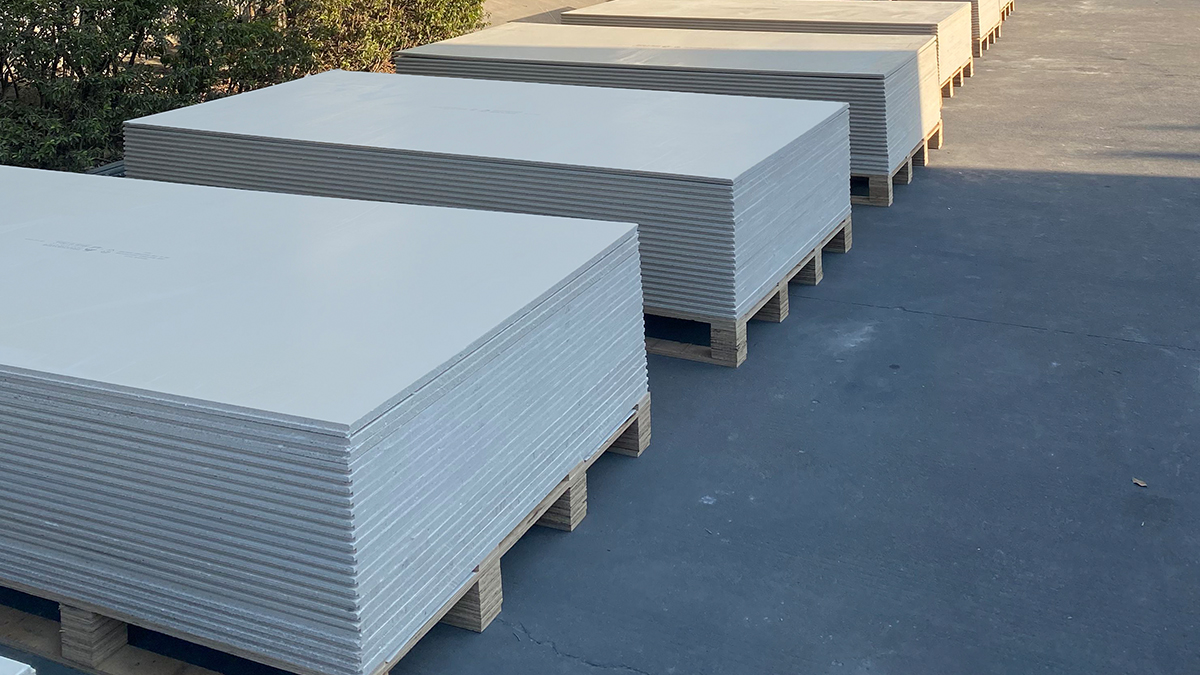 Practical construction benefits
You want building materials that work well in real life. MgO boards give you many helpful features. You can use them in wet places like bathrooms and kitchens. They do not bend or let mold grow. Homeowners like them because walls stay good for a long time. People do not have to fix walls often. In big buildings, you get strong walls that do not burn easily. MgO boards last a long time and help buildings stay safe. They also help you get green building awards, which is good for the planet. You can cut and move MgO boards without trouble. They work for many things, like walls and ceilings. You also get a green building material that helps the earth.
MgO wall panels work better than gypsum in real jobs.
You pay less for repairs and people are happier.
MgO boards are great for wet rooms and busy places.
Builders use MgO boards where fireproof and strong walls are needed.
Here is a table that shows how MgO boards help in different places:
Region | Applications | Benefits | Outcome |
|---|---|---|---|
Europe | SIP walls, wet area modules | Fireproof properties, moisture resistance, insulation | Faster assembly, safe shipping, better safety |
Australia | Floor underlayment, tile installations | Moisture resistance, compressive strength, quick installation | Stable floors, long-lasting performance, low maintenance |
Middle East | Exterior cladding, interior partitions | Fireproof properties, UV resistance, lightweight | Durable solutions, meet building codes |
Ease of installation
You want to finish your work fast. MgO boards are lighter than drywall and cement boards. You do not need big machines or lots of workers. You can put up MgO boards quickly, even if you need special tools. The steps to install MgO boards are easy. First, let the boards get used to the room. Use normal tools to cut them. You can use a knife or saw. Fasten the boards with screws that do not rust. Finish the seams with tape and joint mix. MgO boards make it easy to build many things.
Step | Description |
|---|---|
Preparation | Acclimatize boards, wear PPE, use carpentry tools |
Cutting | Score and snap thin boards, saw thick boards, ventilate area |
Fastening | Use corrosion-resistant screws, space properly, fasten from center outward |
Finishing | Leave gaps, apply tape, use joint compound |
MgO boards save time and work in green building.
You can use them for walls, floors, and ceilings.
Cost-effectiveness
You want to save money in the long run. MgO boards cost more than gypsum boards at first. But you spend less on fixing and keeping them up. MgO boards last longer and do not rot or break in bad weather. You do not have to change them often. This makes MgO boards a smart choice for green building and saving money.
Material | |
|---|---|
MgO boards | $1.50 – $2.50 |
Gypsum boards | $0.50 – $1.00 |
Description | Benefit Type |
|---|---|
MgO boards do not rot or break in bad weather | Durability |
You need less maintenance | Low Maintenance |
Fewer replacements needed | Cost-Effectiveness |
You get walls that last, block sound, and keep heat in. MgO boards help the planet and work for all kinds of buildings.
Tip: Pick MgO boards when you need strong, fireproof, and green building material.
Applications of MgO board
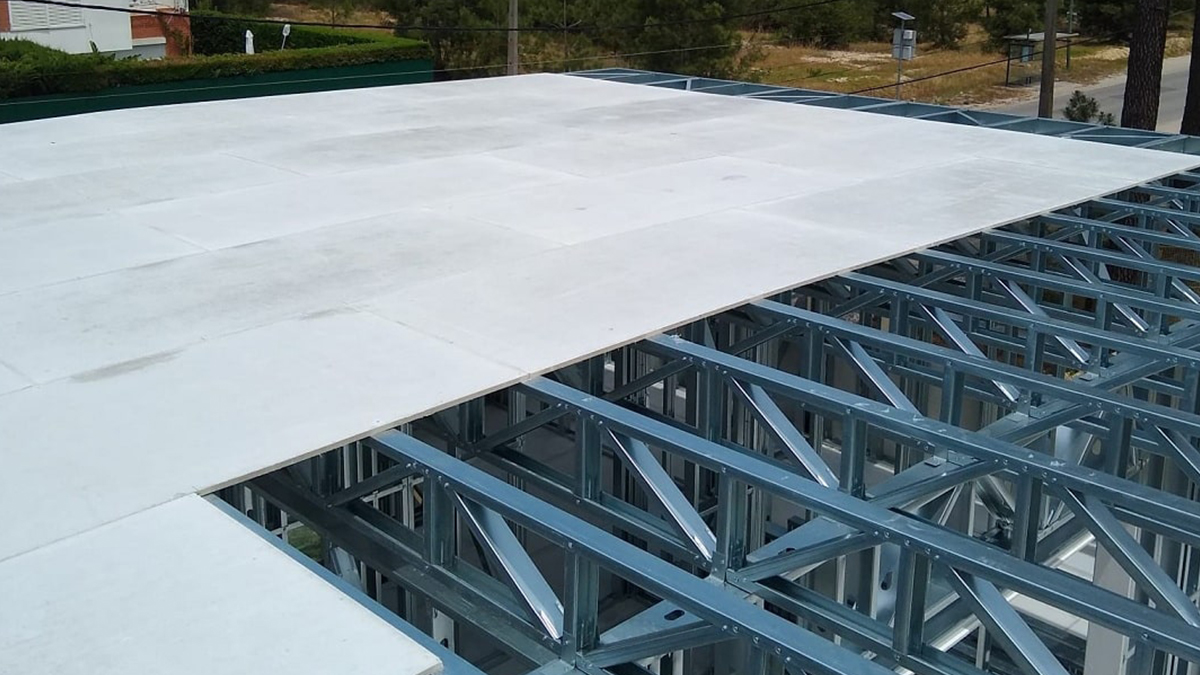 MgO boards can be used in many places. They work for homes and businesses. You can use them for inside walls, outside siding, and special jobs. MgO boards give you strong and safe results. They last a long time.
Interior uses
MgO boards help make rooms safe and comfy. You can use them for walls, ceilings, and floors. These panels stop fire and water. They are good for kitchens, bathrooms, and laundry rooms. MgO boards keep mold away, so rooms stay healthy. The surface is smooth. You can paint, tile, or put wallpaper on it. MgO boards also block sound, so rooms stay quiet.
Application Type | Description |
|---|---|
Wall and Ceiling Panels | Used as a fire-resistant alternative to gypsum drywall, ideal for fire-rated areas in commercial settings. |
Tile Backer Board | Excellent for wet areas due to water and moisture resistance, preventing swelling and rot. |
Subflooring | Provides a durable base for various floor coverings, enhancing stability and impact resistance. |
Sound Insulation | Offers good acoustic properties, effective for soundproofing in both residential and commercial spaces. |
You can paint, tile, or wallpaper MgO boards.
The surface stays smooth and strong.
MgO boards make a good base for tiles in wet rooms.
Exterior uses
MgO boards are good for outside, too. You can use them for siding, soffits, and roof panels. These panels do not swell or bend in rain or snow. MgO boards keep mold away in coastal places. Your building stays safe. MgO boards handle hot and cold weather, storms, and floods. You need to seal or coat them for best results. Builders use MgO boards for fire-rated doors and walls. You can use them in outdoor furniture.
MgO boards stay strong with lots of walking.
You get lasting protection from weather.
Tip: Sealing MgO boards helps them last longer outside.
Specialty applications
MgO boards work for special needs, too. They are used in fire-rated walls and ceilings. MgO boards stop moisture, mold, and bending. They are good for bathrooms and kitchens. Builders use MgO boards in modular and prefab buildings. You build faster and waste less. MgO boards help save money and energy.
Application Type | Characteristics |
|---|---|
Fire-rated assemblies | Certified A1 non-combustible, high-level fire protection in walls and ceilings. |
High-humidity environments | Resists moisture, mold, and warping, ideal for bathrooms and kitchens. |
MgO boards help coastal homes stop mold and moisture.
You get safe offices that meet fire rules.
Builders use MgO boards for outside walls, floors, tile backers, roofs, and modular jobs.
MgO boards can be used in many ways. You get safety, strength, and design choices with MgO boards in every part of your building.
MgO board gives you many benefits for building. You get fire safety, water resistance, and long-lasting strength. The board does not grow mold or attract insects. It is safe for people and better for the planet. See how MgO board stands out:
Advantage | Description |
|---|---|
Fire resistant | Does not burn or spread flames |
Water-resistant | Stays strong without swelling or warping |
Mold resistant | Keeps your space healthy |
Lasts for years, saving you money | |
Eco-friendly | Reduces pollution and supports green building |
You can use MgO board for walls, floors, and ceilings. Builders trust it for safety and easy installation. If you want a strong, safe, and green choice, MgO board is a smart option for your next project.
FAQ
What tools do you need to cut MgO board?
You can use a utility knife for thin boards. For thicker panels, you should use a circular saw with a carbide blade. Always wear safety glasses and a mask to protect yourself from dust.
Can you paint or tile over MgO board?
You can paint MgO board with most interior paints. You can also use it as a base for tiles in kitchens and bathrooms. Make sure the surface is clean and dry before you start.
Is MgO board safe for people with allergies?
MgO board does not contain formaldehyde or asbestos. You get a panel that does not release harmful gases. This makes it a safe choice for people with allergies or asthma.
How does MgO board handle extreme weather?
MgO board resists water, mold, and fire. You can use it in places with heavy rain, snow, or heat. The board does not swell or warp, so your building stays strong.
Where can you use MgO board in your home?
You can use MgO board for walls, ceilings, floors, and tile backers. It works well in bathrooms, kitchens, basements, and laundry rooms. Builders also use it for exterior siding and soffits.