
13 Feb Comparing Fire Safety MgO Sheathing and OSB Sheathing
You want the best fire protection for your building. Magnesium sheathing, also known as mgo, gives you superior fire resistance compared to osb sheathing. Mgo sheathing vs OSB sheathing shows a big difference in how each material performs under fire. Mgo board panels can resist fire for up to 3 hours and handle heat up to 800ºC. Fire resistance ratings for mgo range from 1 to 4 hours, depending on thickness and use. Osb, made from wood strands, burns much faster and cannot match the fire safety of mgo. Recent studies show that fire safety is a critical part of choosing construction materials, especially as builders look for both safety and sustainability. You can trust mgo to protect your home from fire risks better than osb.
Mgo board panels can resist fire for up to 3 hours.
Mgo can handle heat up to 800ºC.
Fire resistance ratings range from 1 to 4 hours.
Key Takeaways
MgO sheathing is better at stopping fire. It can last up to 4 hours. OSB only lasts about 30 minutes.
MgO boards do not catch fire. They also do not make dangerous smoke. This makes buildings safer.
Pick MgO sheathing for places with more fire risk. These places are kitchens and garages. It helps keep people safer.
MgO boards do not get damaged by water. They do not get bigger when wet. They stay strong for a long time.
MgO costs more money. But it is worth it because it keeps you safer from fire. It also lasts longer.
What Is MgO Sheathing? What Is OSB Sheathing?
MgO Sheathing: Key Properties
You can choose mgo sheathing when you want strong fire resistance and durability. Mgo boards use magnesium oxide as the main ingredient. Manufacturers mix magnesium chloride or magnesium sulfate, sawdust, perlite, and other additives to create a uniform slurry. They pour this mixture onto templates and embed fiberglass mesh for extra strength. The boards are cut, cured, and inspected for quality. Each mgo board is lightweight, stable, and resists moisture. You will notice that mgo board panels do not burn easily. Magnesium oxide board can withstand high temperatures and does not release harmful smoke. Mgo boards also stay strong in wet conditions, making them a good choice for many building projects.
Tip: Mgo boards offer up to 4 hours of fire resistance, which helps protect your home better than other materials.
How mgo boards are made:
Material preparation and mixing
Board forming and layering
Cutting
Curing and post-treatment
Final inspection and quality control
OSB Sheathing: Key Properties
You might see osb sheathing used in many homes and buildings. Osb panels are made from small logs of fast-growing trees. Workers debark and cut these logs into thin strands. They dry the strands and mix them with wax and resin. The strands are arranged in mats with special patterns to make the boards strong. Hot presses bond the mats together, and the boards are trimmed and sanded. Oriented strand board is known for its strength and versatility. You can use osb panels for walls, roofs, and floors. Osb is cost-effective and easy to install with standard tools. However, osb does not match mgo boards in fire resistance.
Oriented strand board is strong and durable.
Osb panels are lighter than many alternatives.
Osb is less expensive than mgo board.
Material Composition and Fire Behavior
You need to understand how mgo and osb react to fire. Mgo boards use magnesium oxide, which is noncombustible. Magnesium oxide board does not burn or produce smoke. Mgo board panels keep their shape even at high temperatures. Osb sheathing, made from wood strands, burns quickly and produces a lot of smoke. Oriented strand board loses strength fast in a fire. The fire resistance of mgo boards is much higher than osb. Magnesium oxide board can last up to 4 hours in fire tests, while osb sheathing lasts about 30 minutes.
Material | Fire Resistance Rating | Flame Spread Rating | Smoke Production | Structural Integrity |
|---|---|---|---|---|
Mgo Sheathing | 1 to 4 hours | Class A (0/0) | Almost none | Maintains up to 800°F |
OSB Sheathing | ~30 minutes | Class C | High | Breaks down quickly |
Note: Mgo boards provide better fire resistance and safety than osb panels. You can rely on mgo board for safer construction.
MGO Sheathing vs OSB Sheathing: Fire Resistance
Fire Performance of MgO Sheathing
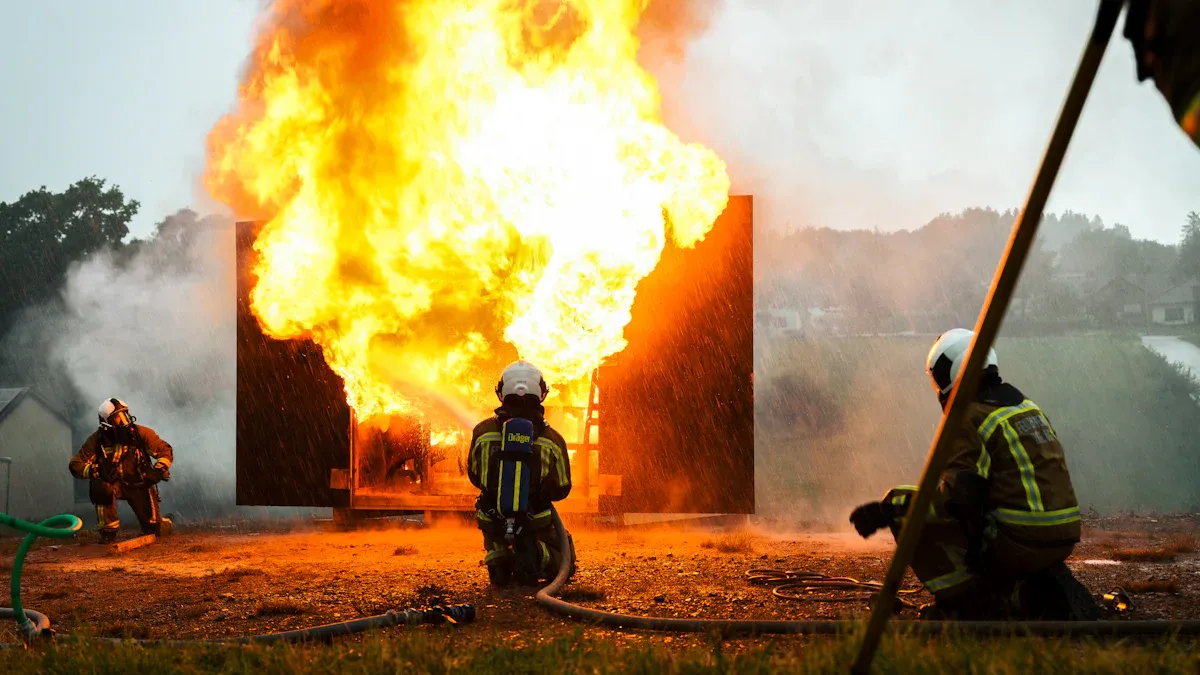
When you compare mgo sheathing vs osb sheathing, you see a clear difference in fire resistance. Mgo boards use an inorganic base, which gives them non-combustibility. You can trust mgo fire-rated sheathing to stop flames from spreading. In tests like ASTM E84, mgo panels achieved a Flame Spread Index of zero. This means fire does not move across the surface. Mgo boards also passed a 20-minute extended test with no flame progression. DragonBoard mgo panels, tested under ASTM E119, proved to be noncombustible and earned a spot in UL design G575 for up to a 2-hour fire rating. You can use mgo fire-rated sheathing in fire-rated assemblies for walls and roofs. These fire-rated sheathing panels keep their shape and strength even when exposed to high heat. Mgo boards do not burn or produce smoke, so you get high fire ratings and better safety for your building.
Mgo sheathing vs osb sheathing shows mgo boards resist fire up to 800ºC.
Mgo fire-rated sheathing works well in fire-rated assemblies for up to 4 hours.
You can use mgo boards in fire-rated sheathing panels for both commercial and residential projects.
Mgo boards provide non-combustibility and strong resistance to fire.
Note: Mgo boards help you build safer structures by stopping fire from spreading and keeping the building strong.
Fire-Rated OSB Sheathing: Limitations
When you look at fire-rated osb sheathing, you see some important limits. Osb uses wood strands, so it burns when exposed to fire. Standardized fire tests like ASTM E119 or UL 263 show that osb is combustible. Fire-rated osb sheathing can get a rating, such as 30 minutes, but this only means it can hold up for a short time under fire. Osb will char, lose strength, and break down quickly. You cannot rely on fire-rated osb sheathing for long-term protection in fire-rated assemblies. In mgo sheathing vs osb sheathing, osb does not match the fire resistance or non-combustibility of mgo boards. Fire-rated sheathing panels made from osb may slow fire for a short time, but they cannot stop it. You should know that fire-rated osb sheathing produces a lot of smoke and loses its structure fast.
Fire-rated osb sheathing can only last about 30 minutes in fire-rated assemblies.
Osb does not provide non-combustibility or high fire ratings.
Fire-rated osb sheathing is not suitable for areas with high fire risk.
Tip: For better fire safety, choose mgo fire-rated sheathing over fire-rated osb sheathing in fire-rated assemblies.
Relevant Fire Safety Standards
You need to follow fire safety standards when you pick fire-rated sheathing panels. Mgo sheathing vs osb sheathing shows that mgo boards meet more strict rules. Mgo boards are naturally non-combustible and hold an A1 fire rating. You can use them in fire-rated assemblies for walls and roofs. The ICC-ES Evaluation Services Report ESR-5418 confirms that mgo boards pass tough fire tests and meet state codes in places like Florida and California.
Fire Safety Standard | Relevance to MgO Sheathing |
|---|---|
NFPA | Compliance ensures safety during inspections. |
ASTM | Standards for fire performance are met. |
EN | European standards for fire safety are adhered to. |
Mgo sheathing vs osb sheathing shows mgo boards meet NFPA, ASTM, and EN standards.
Mgo boards are used in fire-rated assemblies because of their non-combustibility.
Fire-rated osb sheathing does not meet the same high fire ratings as mgo boards.
You can see that mgo fire-rated sheathing gives you better fire resistance, meets more standards, and works well in fire-rated assemblies. Fire-rated osb sheathing cannot offer the same level of protection or compliance.
Fireproofing Capabilities in Real-World Use
 Case Studies and Test Results
 Case Studies and Test Results
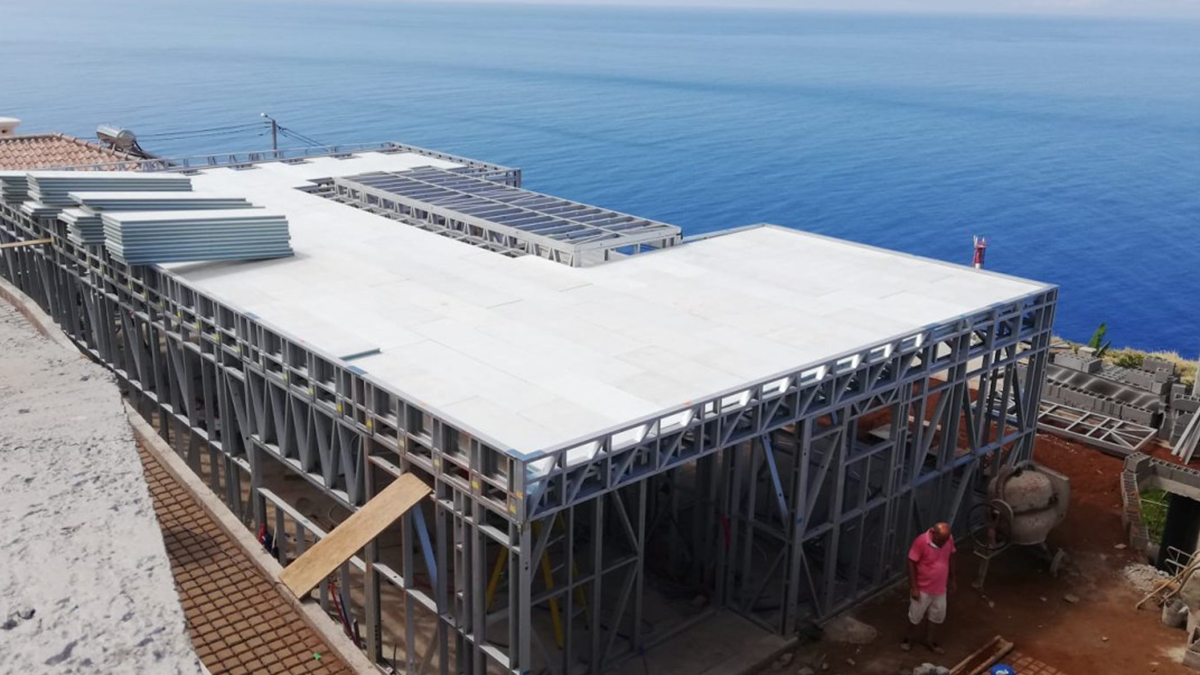
You can see how fireproofing works by looking at real tests. Builders pick mgo boards for places where fire safety is important. In one test, mgo boards stopped fire for more than two hours. The panels stayed strong and did not change shape. Mgo boards did not make smoke or harmful gases. Firefighters had more time to control the fire and keep the building safe.
In another test, osb panels lasted only thirty minutes. The fire burned through osb fast. The panels broke down and made a lot of smoke. Osb does not protect as well as mgo. Builders who used mgo boards in schools and hospitals had fewer fire damages. These tests show mgo boards give better fireproofing and help in real emergencies.
Common Applications and Risk Scenarios
You can use mgo boards in places with high fire risk. The table below shows how mgo boards protect different parts of a building:
Use Case | Fire Rating Standard | Reason for Use | Key Benefits in Fire Protection |
|---|---|---|---|
EN 13501-1 (A1) | Meet building codes for fire resistance | Gives strong fire resistance, stops fire from spreading | |
Ceilings | ASTM E136 (Non-Combustible) | Keeps upper floors safe from fire | Holds shape, lowers chance of collapse |
Floor underlayments | UL 263 (ANSI) | Stops fire from moving between floors | Protects people, gives more time to escape |
Kitchens, bathrooms, garages | BS 476 Part 4 | High fire risk from appliances or equipment | Handles heat and flames, keeps fire from spreading |
Fire-resistant partitions | ASTM E119 | Fire barriers in multi-family units | Divides space, keeps escape routes safe |
You will see osb panels used in places with less fire risk. The table below lists common uses for osb:
Interior wall panels and ceiling bases (when coated) |
Furniture with fire-resistant laminates |
Decorative boards for public facilities |
Construction projects needing Class B fire rating or higher |
You should pick mgo boards for areas with high fire risk. Mgo boards give strong fireproofing and resistance. Osb works best where fire is not likely. Always think about fire safety when choosing building materials.
Additional Factors Impacting Fire Resistance
Moisture Resistance and Durability
You want building materials that last and stay strong when wet. Water can make many products weaker, but mgo is different. Mgo boards do not swell or lose shape when they get wet. They do not break down or change after rain or leaks. Mgo keeps its fire resistance even after heavy water exposure. Mold and mildew do not grow on mgo, so your building stays safe and healthy.
Here is a table that shows how mgo works:
Property | Description |
|---|---|
Moisture Resistance | Mgo panels are water resistant and will not swell, deform, or break down. |
Fire Resistance | Mgo panels improve fire safety in many building applications. |
Osb can also resist some water. You can use osb panels if there are short construction delays. Osb stays strong if it gets wet for a little while. Osb is called Exposure 1, which means it can handle water for a short time. But osb can swell or get weak if it stays wet too long. This makes its fire resistance lower and your building less safe.
Osb panels help walls and roofs stay strong during short-term water exposure.
Osb keeps its bond during normal construction delays.
If you want your building to last, mgo boards protect better from water and fire.
Environmental Impact and Fire Safety
You might care about the planet and fire safety too. Mgo boards help you build greener and safer places. Mgo uses less heat to make, so it makes fewer greenhouse gases. Mgo does not have harmful chemicals and helps indoor air stay clean. You can recycle mgo boards and they last a long time, which is good for the earth. When there is a fire, mgo does not make dangerous fumes and keeps its shape at very high heat.
Mgo boards do not burn and can take heat up to 1200°C.
Mgo does not make harmful fumes or chemicals during a fire.
Mgo boards have a small impact on the environment during and after use.
Osb is getting better too. New fire treatments use safer chemicals to lower toxic smoke. These changes make fire retardant osb better for builders who care about the earth. You can pick osb with these treatments for projects that need fire safety and less harm to the environment.
Tip: Mgo boards give you strong fire resistance, better durability, and a safer place for your building.
Practical Construction Implications
Installation and Cost Considerations
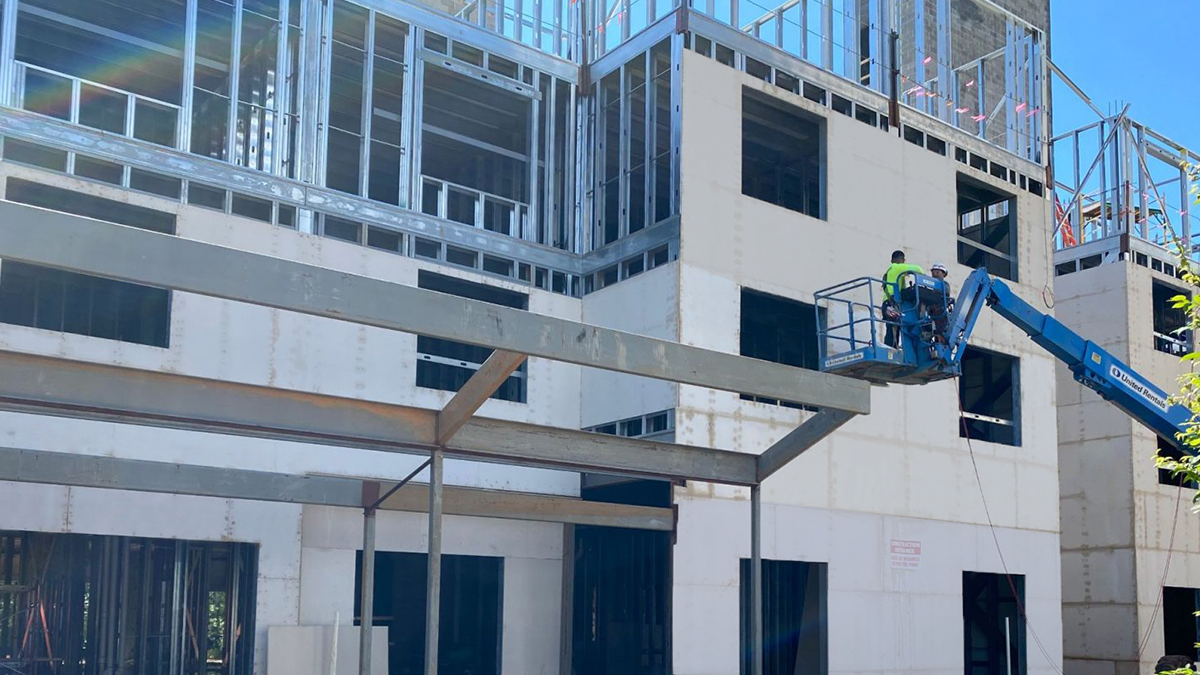 Installation and Cost Considerations
You need to think about how you install mgo and osb sheathing. Mgo boards are lightweight and easy to cut, but you must use the right tools and methods. If you want to keep the fire resistance strong, you should follow these steps:
Description | |
|---|---|
Cutting Methods | Use proper cutting tools to keep the edges of mgo boards smooth and strong. |
Fastening Requirements | Use the correct screws or nails to hold mgo boards in place and keep fire protection high. |
Joint Treatment | Seal the joints well to stop fire and smoke from passing through gaps. |
Moisture Management | Keep mgo boards dry during storage and installation to protect their fire resistance. |
Mgo boards are fire resistant all the way through. You can use them in walls, floors, and ceilings. Mgo sip panels also make installation faster and give you extra strength.
Osb panels are easy to install with standard tools. You can use osb sip panels for quick wall and roof setups. Osb costs less than mgo boards, but you get less fire protection. When you compare material cost, mgo boards are higher, but you gain better safety and durability.
Material Type | Fire Resistance Characteristics |
|---|---|
Mgo Sheathing | Naturally fire-resistant, withstands higher temperatures than osb. |
Fire-rated OSB | Treated with fire-resistant chemicals, less fire-resistant than mgo. |
Tip: You can save time with mgo sip panels and get strong fire safety in one step.
Choosing the Right Sheathing for Fire Safety
You should look at your project needs before you pick mgo or osb. Mgo boards give you non-combustible fire resistance, moisture protection, and mold resistance. You can use mgo boards in places with high fire risk, like kitchens, garages, or multi-family buildings. Mgo boards also have zero vocs, so you get clean air inside.
Property | Description |
|---|---|
Fire Resistance | Non-combustible; does not spread fire or smoke. |
Moisture Resistance | Does not swell or warp when wet. |
Mold and Mildew | Stops mold growth, good for damp places. |
Strength and Durability | Stays strong under stress and heat. |
Sound Insulation | Lowers noise between rooms. |
Thermal Insulation | Keeps heat in or out, saves energy. |
Eco-Friendliness | Made from mineral-based material, recyclable, and low impact on the planet. |
Low Toxicity | Releases almost no toxins in a fire. |
Pest Resistance | Keeps out insects and termites. |
Easy Installation | Lightweight, simple to handle. |
Low Maintenance | Needs little care over time. |
Osb works well in low fire risk areas. You can use osb where cost matters most, but remember it burns faster and loses strength in a fire. Fire-rated osb slows flames but does not match mgo boards. You should always check your local codes and think about safety first.
Note: If you want the best fire safety, pick mgo boards or mgo sip panels for your project.
Comparison Table: MgO vs OSB Fire Resistance
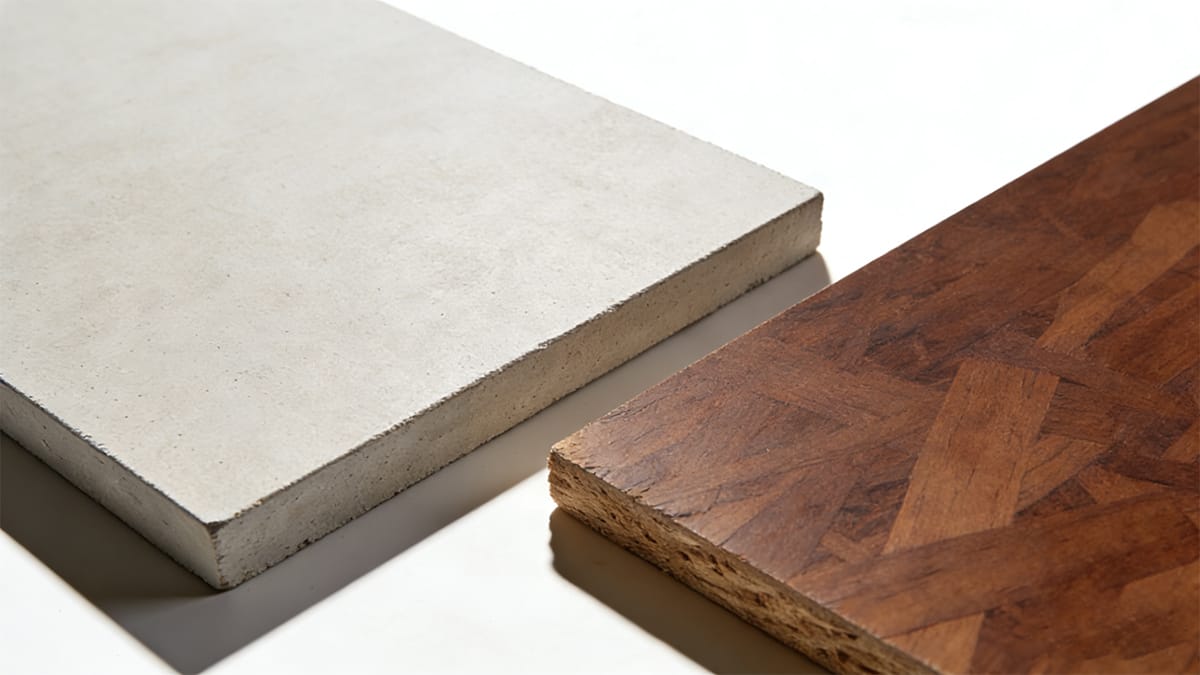 You want to make the safest choice for your building. When you compare mgo and osb, you see big differences in how each material handles fire. Mgo boards give you strong protection because they do not burn. Osb, made from wood, can catch fire quickly and does not last as long in high heat. You can use the table below to see how mgo boards and osb perform in fire tests.
Test Type | Mgo Boards Performance | Osb Performance |
|---|---|---|
ASTM E119 | Up to 1 hour fire rating | |
UL 723 (ASTM E84) | Class A rating, minimal flame spread | Class B or C rating |
Non-combustibility | 0/0 Flame Spread and Smoke Index | Higher flame spread |
Fire Resistance Rating | 1 to 4 hours | Up to 1 hour |
Temperature Tolerance | Withstands up to 800°C | Breaks down at lower temperatures |
Mgo boards stand out because they are noncombustible. You can trust mgo to keep its shape and strength even when exposed to flames. Mgo boards do not need extra chemicals to pass fire tests. Osb needs special treatments to slow down burning, but it still cannot match the fire resistance of mgo boards.
Tip: You can use mgo boards in places where you need the highest fire safety, like schools, hospitals, and multi-family homes.
You will notice that mgo boards can last up to four times longer than osb in a fire. Mgo boards also do not make much smoke, which helps people escape safely. Osb can only last up to one hour and makes more smoke when it burns. You should always check the fire rating before you choose your sheathing.
Mgo boards give you peace of mind. You get a material that is strong, safe, and reliable. Osb works for projects where fire risk is low, but mgo boards are the best choice for fire safety.
You have seen that MgO sheathing gives you the best fire resistance for your building.
MgO boards do not burn, stay strong at high heat, and pass top fire tests like ASTM E84 and E119.
OSB burns quickly and can release harmful smoke.
You should use MgO panels in high-risk areas, such as WUI zones, and always check local building codes.
For any project, ask a building professional to help you choose the safest material.
FAQ
What makes MgO sheathing more fire-resistant than OSB?
You get better fire resistance from MgO because it uses noncombustible minerals. OSB contains wood strands that burn quickly. MgO does not catch fire or produce smoke. You can trust MgO to protect your building longer during a fire.
Can you install MgO sheathing with regular tools?
You can cut and fasten MgO boards with common tools like saws and drills. Use carbide-tipped blades for best results. Always wear a mask to avoid dust. MgO boards are lightweight, so you can handle them easily.
Is MgO sheathing more expensive than OSB?
You usually pay more for MgO boards than OSB panels. The higher cost gives you better fire safety, moisture resistance, and durability. If you want long-term value and protection, MgO is a smart investment.
Does MgO sheathing help the environment?
You help the environment by choosing MgO. MgO boards use fewer resources and release less carbon during production. They last longer and do not give off harmful fumes in a fire. You can recycle MgO boards after use.