
14 Feb MGO Sheathing vs Plywood Sheathing Which Offers Better Fire Resistance and Durability
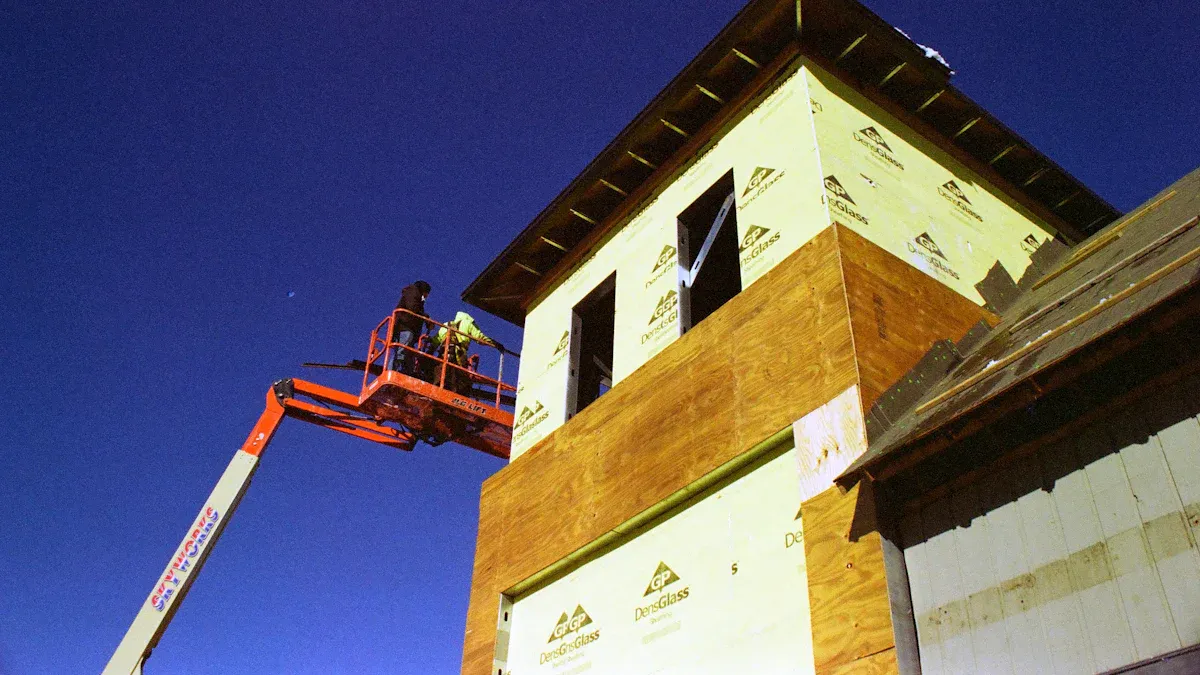
Image Source: unsplash
When comparing mgo sheathing vs plywood sheathing, you get much better fire resistance and strength with mgo sheathing. Mgo sheathing can last up to four times longer during a fire, providing fire protection for up to 4 hours. In contrast, plywood sheathing does not resist fire as well.
Mgo sheathing also offers superior protection from water and mold. Many builders now prefer mgo sheathing because demand for it has increased. You’ll find mgo sheathing used in more critical safety projects, even though mgo sheathing costs more than plywood sheathing. The higher price can be worth it if you want better protection and longer-lasting performance.
Key Takeaways
MGO sheathing stops fire better than plywood. It lasts up to four times longer in a fire.
MGO sheathing does not get damaged by water or mold. This makes it good for places that are often wet.
MGO sheathing costs more at first. But you spend less money later because it needs less fixing.
MGO sheathing does not burn. This makes buildings safer if there is a fire risk.
Pick MGO sheathing if you need strong and safe walls. Plywood works well for simple jobs that cost less.
MGO Sheathing vs Plywood Sheathing Overview
 What is Magnesium Oxide Sheathing Board
 What is Magnesium Oxide Sheathing Board
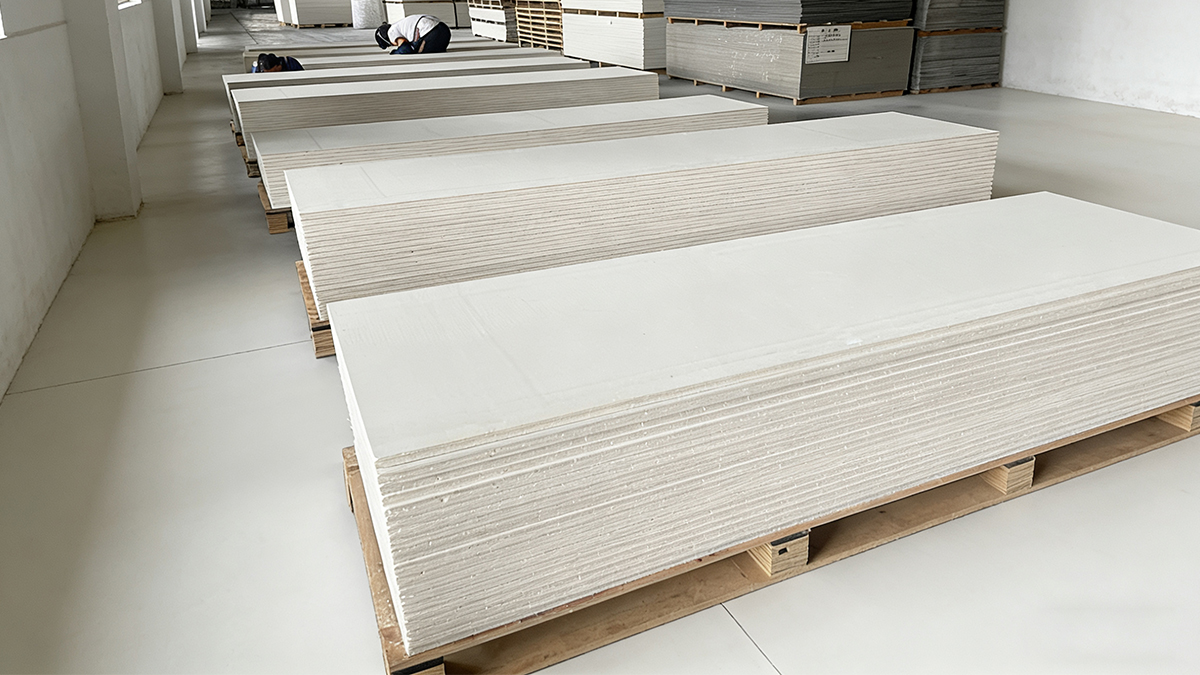
Magnesium oxide sheathing board is called mgo board. You see it in many new buildings. It is made from minerals and other materials. These include magnesium oxide, organic fibers, perlite, and fiberglass mesh. Mgo boards do not burn. They keep water out and stop mold. You can use mgo sheathing for inside walls. You can also use it for outside walls. Builders pick mgo sheathing for strong fire resistance. They want protection that lasts a long time.
What is Plywood Sheathing
Plywood is made from thin wood layers glued together. The glue is very strong. It can be phenol-formaldehyde or urea-formaldehyde. Plywood sheathing is used for floors, roofs, and walls. You find plywood in homes and small buildings. It is easy to cut and put in place. Plywood gives good support. But it does not protect well against fire, water, or mold like mgo boards.
Key Properties Compared
Mgo sheathing and plywood sheathing are different. Their makeup and how they work are not the same. The table below shows what each is made of:
Material Type | Composition Details |
|---|---|
Magnesium Oxide | Mostly minerals (56-58% magnesium oxide), some organic fibers (5-6%), perlite (3-4%), fiberglass mesh (4-6%) |
Plywood | All wood veneers stuck together with glue, using phenol-formaldehyde or urea-formaldehyde glue. |
Mgo sheathing works better for fire and water protection. It does not burn and keeps water out. This stops mold from growing. Plywood gives some fire protection. It can slow flames if treated. But it does not work well in wet places.
You see mgo sheathing in offices and factories. It is used where safety is important. Mgo boards are good for walls, ceilings, bathrooms, kitchens, and basements. They help keep buildings warm and quiet. Plywood is still used for floors, roofs, and walls in homes. But it does not last long in bad weather or wet spots.
Tip: If you want strong fire resistance and durability, pick magnesium oxide sheathing board instead of plywood.
Fire Resistance and Performance Comparison
Fire Ratings: MGO vs Plywood
 Fire Ratings: MGO vs Plywood
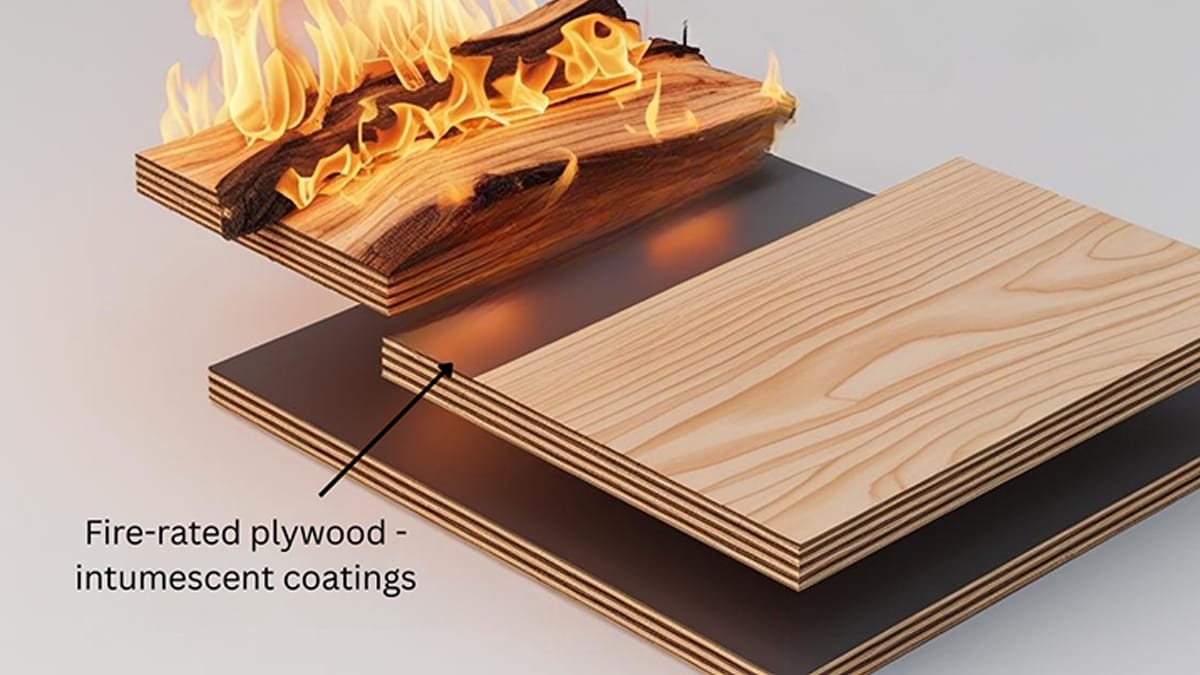
It is important to know how materials react to fire. Mgo sheathing and plywood sheathing have very different fire ratings. Magnesium oxide sheathing board is a fire-rated panel. It can resist fire for up to four hours. Plywood only lasts about one hour before burning starts. Look at the fire resistance rating in this table:
Material | Fire Resistance Rating |
|---|---|
Plywood | Low fire resistance; burns easily if not treated. |
OSB | A little better than plywood; can burn but may be treated. |
Magnesium Oxide Board | Great fire resistance; rated for 1–2 hours of fire. |
Magnesium oxide sheathing board meets tough fire ratings. It can be rated for 1 to 4 hours of fire. Plywood does not meet high fire resistance unless it is treated. Magnesium oxide sheathing is used where fire resistance is very important. Builders pick mgo boards for fire-rated subfloor sheathing panels.
Note: Always check fire ratings before choosing a material. Magnesium oxide sheathing board gives stronger fire resistance than plywood.
Combustibility and Safety
Keeping your building safe is important. Magnesium oxide sheathing board does not burn. It is non-combustible. Plywood can catch fire quickly because it is flammable. See the difference in this table:
Material | Combustibility | Fire Resistance Rating | Smoke Production |
|---|---|---|---|
Magnesium Oxide | 1 to 4 hours | Low | |
Plywood | Flammable | Changes | High |
Magnesium oxide sheathing board is called A1 non-combustible by European Standard EN 13501-1. This means it passed hard fire tests. You also see certifications like CAN/ULC S114 and ULC S135 in Canada. These show magnesium oxide sheathing works well for fire-rated walls and outdoor spaces. Plywood does not have these certifications unless it is treated.
Magnesium oxide sheathing board stays strong at over 1000°C.
Mgo boards make little smoke during a fire.
Plywood makes lots of smoke and gets weak fast.
Using non-combustible materials makes buildings safer. Magnesium oxide sheathing board helps you worry less. You lower fire risk in your project.
Real-World Fire Performance
You see big differences in fire performance when using magnesium oxide sheathing board. Mgo boards have natural fire resistance. They keep their shape and strength in high heat. You can use magnesium oxide sheathing for fire-rated subfloor panels in schools, hospitals, and offices. Plywood burns fast and does not protect well.
Mgo boards last up to four times longer in fire than plywood.
Magnesium oxide sheathing board stays strong during fire.
Plywood loses its shape and burns quickly.
Magnesium oxide sheathing is used where fire resistance matters most. Builders choose mgo sheathing for walls, ceilings, and floors in important projects. You get better fire resistance and lower risk with magnesium oxide sheathing. Plywood is good for simple jobs but does not give the same fire protection.
Tip: If you want strong fire resistance, pick non-combustible materials like magnesium oxide sheathing board. You protect your building and keep people safe.
Durability Factors
Moisture and Mold Resistance
If you look at mgo sheathing and plywood sheathing, you notice they handle water and mold very differently. Magnesium oxide sheathing board does not soak up much water. Mgo boards stay dry even when the air is wet. Studies show magnesium oxysulfate boards take in 37% less water than other boards. These mgo boards do not leak salty water. This helps stop rust and mold from hurting your building.
Magnesium oxide sheathing board also fights mold very well. Plywood can get mold quickly if it gets wet. Mgo sheathing almost never lets mold grow. If you use mgo boards in very wet places, you should still check for water. Mold can grow if the air stays very wet, above 92% humidity. For most jobs, magnesium oxide sheathing is stronger and lasts longer against water and mold than plywood.
Magnesium oxide sheathing board: Great at stopping water and mold
Plywood: Can get mold and water damage easily
Impact and Longevity
You want your walls and floors to last a long time. Magnesium oxide sheathing board is very tough. It does not break or dent easily. Here is how it compares:
Property | MGO Board | Drywall | Plywood |
|---|---|---|---|
Impact Resistance | Low | Moderate |
Mgo boards can take hits better than plywood. They are stronger and last longer in busy places. Plywood is okay but can crack or dent after a while. Magnesium oxide sheathing keeps its shape and strength for many years. You will not need to fix it as much.
Suitability for Different Climates
You need building materials that work in all kinds of weather. Magnesium oxide sheathing stands up to rain, wind, and cold. Mgo boards do not get ruined by bad weather if you seal them right. They can handle freezing and thawing and last 180 days outside. Plywood can bend or break in wet or cold places.
Magnesium oxide sheathing board gives you better fire resistance, stays strong in wet weather, and lasts longer than plywood. Mgo panels keep their strength in tough climates. You can use mgo sheathing in rainy, humid, or cold places. This makes magnesium oxide sheathing a smart pick for strong and lasting buildings anywhere.
Tip: Pick mgo boards if you want your building to be strong and last a long time, no matter the weather.
Cost Analysis: MGO vs Plywood
Material Price Comparison
 Material Price Comparison
If you look at mgo sheathing and plywood sheathing, you see they cost different amounts. Magnesium oxide sheathing board is more expensive than plywood. You pay about $1.50 to $3.00 for each square foot of mgo boards. Plywood is cheaper, costing $0.50 to $1.00 per square foot. The table below shows how much each board costs:
Board Type | Price per Square Foot (USD) |
|---|---|
Magnesium Oxide Sheathing | $1.50 – $3.00 |
Plywood | $0.50 – $1.00 |
When you start your project, the first cost matters. You spend more at the beginning for magnesium oxide sheathing board. But you get better fire resistance and durability.
Installation and Maintenance Costs
You should also think about putting in the boards and keeping them in good shape. Mgo boards might cost more to install. But they help you save money later. Magnesium oxide sheathing board does not get ruined by water, mold, or bugs. You do not have to fix or change it often. Plywood needs more care. It can get hurt by water or bugs, so you pay more to fix it. Magnesium oxide sheathing stays strong and dry, so you fix it less. You spend less money fixing and replacing mgo boards.
Tip: Pick magnesium oxide sheathing board if you want to save money in the long run. You will not need to fix or replace it often.
Value for Investment
Magnesium oxide sheathing gives you good value for your money. Mgo boards last longer and keep your building safe from fire. The table below shows how they compare:
Feature | Magnesium Oxide Sheathing | Plywood Sheathing |
|---|---|---|
Durability | Very strong, keeps out water, mold, and bugs | Can bend and swell over time |
Fire Safety | Does not burn, handles high heat, makes little smoke | Burns easily, can make bad smoke |
Maintenance Costs | Lower because you do not fix it much | Higher because you fix it a lot |
Versatility | Works for walls, ceilings, and floors | Not used for everything |
Return on Investment | Good because it lasts and resists fire | Not as good because you fix and replace it more |
You should use magnesium oxide sheathing board for jobs where you need fire resistance, water resistance, and strength. Mgo boards are great for wet places and buildings that need to be very safe. The higher price and how easy it is to find mgo board make sense when you want it to last a long time and need less fixing.
Magnesium oxide sheathing is stronger than plywood.
It keeps out water, so it works well in wet places.
Mgo boards are safer in fires, which is important for some buildings.
Mgo sheathing lasts longer and needs less fixing, so you save money over time.
Pros and Cons Summary
MGO Sheathing Advantages
Mgo boards have many good points for your project. Here are the main ones:
Mgo boards have great fire resistance. They do not burn and can take heat over 1,200°C. This gives you more time to leave safely if there is a fire.
Mgo boards do not soak up water. They do not bend or swell like plywood.
Mgo boards stop mold from growing. This helps keep the air inside healthier.
Mgo boards are very strong. They hold heavy things and do not break easily, so they work well in busy places.
Mgo boards use safe and earth-friendly materials. They are better for the planet and help with green building.
Tip: If you want strong fire resistance and long-lasting boards, mgo sheathing is better than plywood.
MGO Sheathing Drawbacks
You should know about some problems before picking mgo boards. Some studies show mgo boards can have trouble in certain places.
Issue | Details |
|---|---|
Moisture Damage | Mgo boards might leak salty water. This can cause rust and mold. |
Durability Concerns | Water drops can form on mgo boards. This can lead to mold and rust on metal parts. |
Suitability Questions | Some studies wonder if mgo boards work well in all climates. |
Mgo boards can need expensive repairs if they get wet.
You should check if mgo boards are right for your local weather.
Plywood Sheathing Advantages
Plywood has some good points for building:
Plywood helps block wind and rain. This makes your building last longer.
Plywood does not soak up water fast. This stops damage from water.
Plywood makes walls and floors stronger. It helps them stay up in storms or earthquakes.
Plywood helps keep heat in and cold out. This can lower your energy bills.
Plywood is easy to cut and put in. Many people use it for this reason.
Note: Plywood is a good pick for cheap and simple building jobs.
Plywood Sheathing Drawbacks
Plywood has some bad sides, mostly with fire and lasting a long time. Plywood soaks up water easily. This makes it swell and rot if you do not seal it. The glue in plywood can break down. This makes the layers come apart. Plywood can have knots or holes that make it weak. Plywood burns fast in a fire. It makes a lot of smoke and loses strength quickly. You will need to fix or change plywood more often than mgo boards.
You see that mgo sheathing vs plywood sheathing gives you clear results. MGO sheathing stands out for fire resistance and durability. You should use MGO sheathing in commercial or multi-family buildings where fire safety matters most. Plywood works well for projects with tight budgets or where fire is not a big risk. If you need strength and protection from water, mold, and fire, MGO sheathing is the best choice. You can check building codes and safety standards to help you decide.
Tip: Use plywood for simple jobs, but choose MGO sheathing when you want long-lasting safety.
FAQ
Can you use MGO sheathing for exterior walls?
Yes, you can use MGO sheathing for exterior walls. It resists moisture and mold. You get strong fire protection. Builders often choose MGO for outside walls in commercial and multi-family buildings.
Is plywood sheathing safe for fire-rated construction?
Plywood sheathing does not offer strong fire resistance. You need special treatment for fire-rated construction. MGO sheathing gives you better fire safety. Always check local building codes before you decide.
How long does MGO sheathing last compared to plywood?
MGO sheathing lasts longer than plywood. You get up to four times more fire protection. MGO resists water and mold, so you fix it less often. Plywood can rot or burn faster.
What climates work best for MGO sheathing?
Climate Type | MGO Sheathing Performance |
|---|---|
Humid | Excellent |
Cold | Excellent |
Rainy | Excellent |
Dry | Good |
You can use MGO sheathing in most climates. It stays strong in wet, cold, or humid places.