
15 Feb Choosing Between MgO Sheathing and Fiberboard Sheathing for Fire Safety
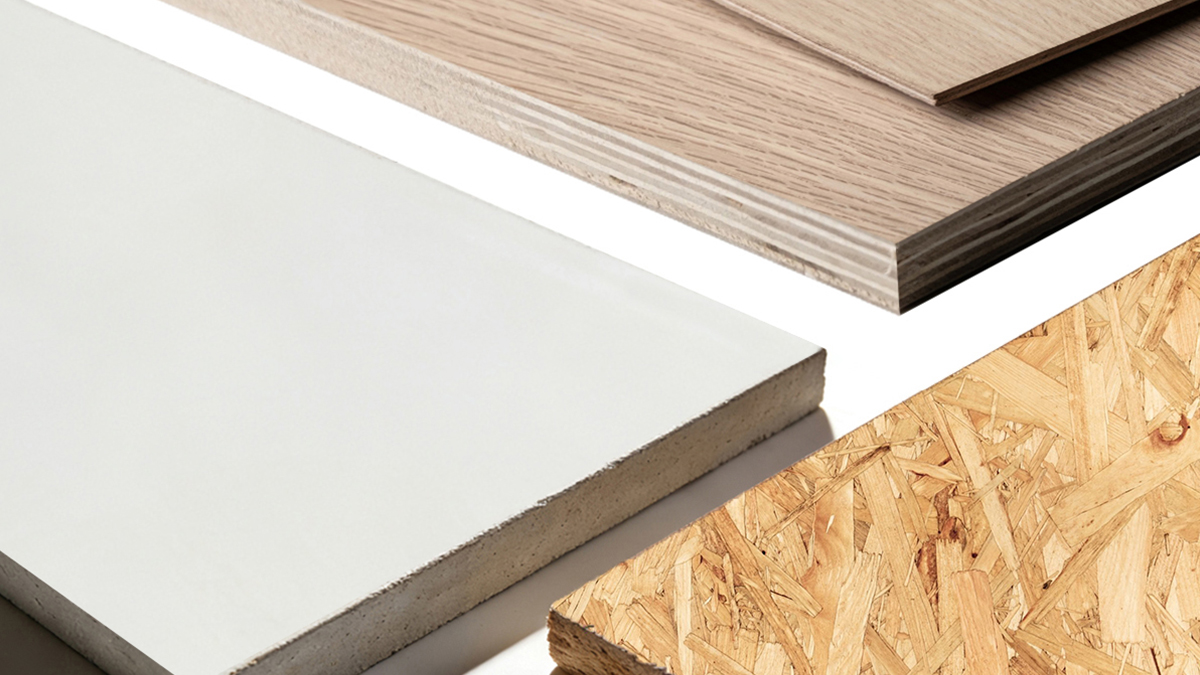
When selecting a building material, good fire safety is essential. MgO sheathing is unique because it is non-combustible, meaning it does not burn. Additionally, it effectively prevents water and mold intrusion. Fire safety regulations require the use of materials that can slow down the spread of fire, which is crucial for protecting occupants. When comparing MgO sheathing vs fiberboard sheathing, it’s clear that they differ significantly in their fire-resistant properties. Utilizing fire-resistant materials like MgO sheathing not only helps you comply with safety regulations but also keeps insurance costs lower, ensuring the safety of everyone in the building.
Key Takeaways
MgO sheathing does not burn. It protects better from fire than fiberboard sheathing. Fiberboard can burn and make a fire worse.
Pick MgO sheathing if the place is wet. It does not get damaged by water or mold. This helps it last longer and keeps people safe.
MgO sheathing follows tough fire safety rules and building laws. It is safer for places like schools and hospitals.
MgO sheathing costs more at first. But it lasts a long time and needs little care. This can help save money later.
Fiberboard sheathing can work in dry places with little fire danger. But you must be careful so water does not ruin it.
MgO Sheathing vs Fiberboard Sheathing Overview
What Is MgO Board Sheathing?
MgO board sheathing is a new type of building material. It is made from magnesium oxide, magnesium chloride, fiberglass mesh, perlite, and water. These things are mixed together to make a thick paste. The paste is put into molds and pressed very hard. Then it is cured to make strong, smooth boards. This makes MgO sheathing very tough and good at stopping fire. People use MgO sheathing for walls, ceilings, and floors in many buildings. Magnesium oxide has a very high melting point, about 2800°C. This means MgO boards do not burn or make toxic smoke in a fire. MgO sheathing also keeps out water and mold. This makes it a good choice for places that are wet or humid.
What Is Fiberboard Sheathing?
Fiberboard sheathing is made from wood chips mixed with asphalt or resin. Sometimes, wax or petroleum-based materials are added to help keep water out. Fiberboard is used for outside walls, roof decks, and behind siding. It gives good support and is easy to cut and put in place. But fiberboard can soak up water if it gets wet for too long. This can make it swell, get weak, or grow mold. The petroleum-based stuff in fiberboard can also make it burn faster in a fire.
Key Differences in Fire Resistance
It is important to look at both materials to see which is safer in a fire. The table below shows the main differences:
Material Type | Composition | Moisture Resistance | Durability | |
|---|---|---|---|---|
MgO Sheathing | Magnesium oxide, magnesium chloride, fiberglass mesh, perlite, water | Up to 1-2 hours; noncombustible (ASTM E136 & E84) | High (mold resistant) | Up to 100 years |
Fiberboard Sheathing | Wood chips, asphalt or resin, wax | Moderate; can act as fuel | Low (can swell) | 20-40 years |
MgO sheathing can handle very high heat and does not burn. It helps slow or stop fire from spreading. Fiberboard can burn more easily, especially if it has wax or asphalt. If you want the safest choice for fire, MgO sheathing is best.
Fire Safety Performance
Fire Ratings and Standards
You need to know how building materials perform when exposed to fire. The construction industry uses strict standards to test fire resistance. These standards help you compare mgo sheathing vs fiberboard sheathing. The table below shows the most important fire safety standards:
Standard | Description |
|---|---|
ASTM E119 (UL 263) | Tests how long materials and assemblies resist fire. |
ASTM E84 | Measures how fast flames spread and smoke forms. |
ASTM E136 | Checks if materials can catch fire. |
UL Solutions | Tests, inspects, and certifies for safety. |
NFPA 101 | Sets rules for building safety and fire protection. |
International Fire Code | Gives safety and fire protection rules for buildings. |
When you look at mgo sheathing vs fiberboard sheathing, you see big differences in fire resistance. Mgo boards achieve a Class A rating under ASTM E84. This means flames spread very slowly, and smoke does not build up quickly. Mgo also passes tough tests like ASTM E84, EN 13501-1, and UL 723. These tests show that mgo does not catch fire easily. In ASTM E119 tests, mgo can keep its strength for up to 4 hours during a fire. The fire resistance of mgo can last from 30 minutes to 4 hours, depending on the board’s thickness.
Fiberboard sheathing does not perform as well. It can act as fuel in a fire. The wood chips and wax inside fiberboard can catch fire and burn quickly. Fiberboard does not meet the same high fire resistance ratings as mgo. If you want the best fire resistance, mgo is the clear winner.
Real-World Fire Behavior
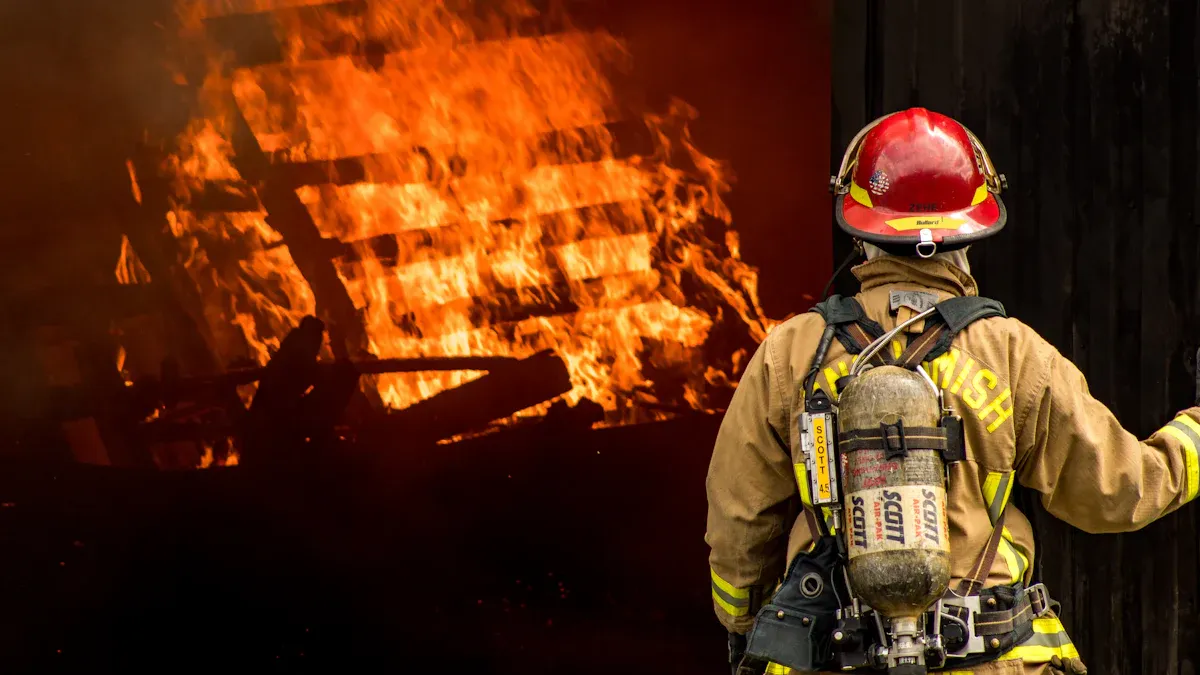
You want to know how these materials behave in a real fire, not just in a lab. Mgo sheathing vs fiberboard sheathing shows a big gap in safety. Mgo boards do not burn, melt, or give off flammable gases, even at very high temperatures. They have a zero flame spread rating. This means fire does not move across the surface. Mgo keeps its shape and strength, even when flames touch it. In modular buildings, mgo boards help stop fire from spreading to other rooms. They do not add fuel to the fire, which keeps people safer.
Fiberboard sheathing acts differently. When fire reaches fiberboard, it can catch fire fast. The wood and wax inside fiberboard burn and make smoke. This can help fire spread through walls and ceilings. In a fire, fiberboard can lose its strength and fall apart. This makes it harder for firefighters to control the fire. You should choose mgo if you want the best fire resistance in real emergencies.
Tip: Always check how your chosen material performs in both lab tests and real fires. This helps you make the safest choice for your building.
Certifications and Code Compliance
You must follow building codes and get the right certifications for fire safety. Mgo sheathing vs fiberboard sheathing shows that mgo meets more fire safety rules. Mgo boards hold a Class A1 non-combustible certification. They meet standards like GB 8624-2012, EN 13501-1, and ASTM E119. These certifications prove that mgo does not burn, even at temperatures between 800-1000°C. Mgo boards pass tests from UL Solutions and meet the International Fire Code. This means you can use mgo in places where fire resistance is required by law.
Fiberboard sheathing does not have the same level of certification. It may meet some basic standards, but it cannot match the fire resistance of mgo. Many building codes do not allow fiberboard in areas where high fire resistance is needed. You should always check your local codes before choosing a material.
When you compare mgo sheathing vs fiberboard sheathing, you see that mgo gives you better fire resistance, stronger certifications, and more code compliance. This makes mgo the safer choice for most construction projects.
Durability and Moisture Resistance
 MgO in Wet Environments
 MgO in Wet Environments
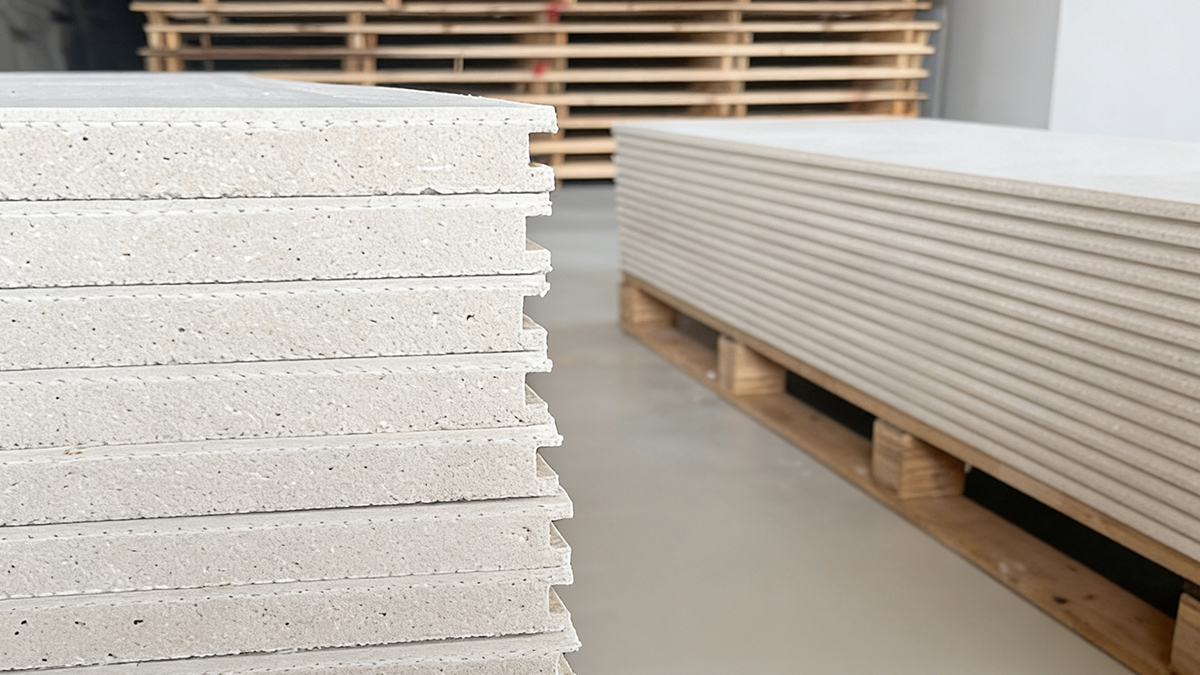
You want your building to last for years. MgO is very strong in wet places. Water does not hurt MgO boards. You can use MgO in bathrooms and kitchens. MgO stops mold and mildew from growing. You do not have to worry about rot. MgO stays strong even when it gets wet. You can trust MgO to keep your building safe.
Note: MgO does not swell or break apart when wet. This helps you keep your building strong and safe from fire.
Fiberboard and Water Exposure
Fiberboard is not as strong as MgO. Water can make fiberboard swell and get weak. Mold can grow on fiberboard if it stays wet. Fiberboard can rot after some time. You must keep fiberboard dry. If you use fiberboard in wet places, it can get damaged and not last long.
Here is a simple comparison:
Material | Water Resistance | Mold Resistance | Durability in Wet Areas |
|---|---|---|---|
MgO | Excellent | Excellent | High |
Fiberboard | Poor | Poor | Low |
Impact on Fire Safety
Moisture changes fire safety. MgO keeps its fire resistance when wet. You can count on MgO to protect your building. Fiberboard loses fire resistance if it gets wet. Wet fiberboard burns faster and can break in a fire. Choose MgO if you want strong and safe walls in wet places.
MgO lasts a long time.
Fiberboard needs extra care to stay dry.
Using MgO in wet areas makes your building safer from fire.
Tip: Always check how strong and water-resistant your materials are. MgO helps you build safe and sturdy buildings.
Installation and Construction Considerations
Ease of Handling and Labor
You want building materials that are easy to work with. Mgo boards feel lighter than many other fire-rated panels. You can cut mgo with simple tools like a utility knife or saw. This helps you save time during installation. Fiberboard also cuts easily, but it can make more dust. When you install mgo, you should use screws made for mgo boards. These screws help prevent cracks and keep the boards strong. You need to space the screws correctly and make sure they go deep enough. This keeps your walls safe and sturdy.
Tip: Always wear safety gear when cutting mgo or fiberboard. This protects your eyes and lungs from dust.
Suitability for Humid or Fire-Rated Construction
You need to think about where you will use each material. Mgo works well in places that get wet, like bathrooms or kitchens. Water does not damage mgo, so you do not have to worry about swelling or mold. Fiberboard does not do well in humid areas. It can soak up water and get weak. If you want strong fire protection, mgo is the better choice. You can use vapor barriers and waterproof coatings with mgo to make it even safer in wet spaces. For fire-rated construction, mgo gives you better protection because it does not burn or add fuel to a fire.
Structural Support Comparison
You want your walls to be strong. Mgo sheathing gives good support for walls, ceilings, and floors. It stays strong even when exposed to fire or water. Fiberboard offers basic support, but it can lose strength if it gets wet or burns. When you join mgo boards, you should use fiberglass mesh or paper tape over the seams. Then, apply joint compound to make the surface smooth and tough. This helps mgo keep its fire resistance and durability. If you need extra strength, mgo is the best choice for your building.
Feature | Mgo Sheathing | Fiberboard Sheathing |
|---|---|---|
Fire Resistance | Excellent | Moderate |
Water Resistance | High | Low |
Structural Support | Strong | Basic |
Installation Ease | Simple tools needed | Simple tools needed |
Note: Mgo sheathing helps you build safe, strong, and fire-resistant structures. Fiberboard may work for dry areas, but mgo gives you more protection.
Practical Factors for Construction Projects
Cost and Availability
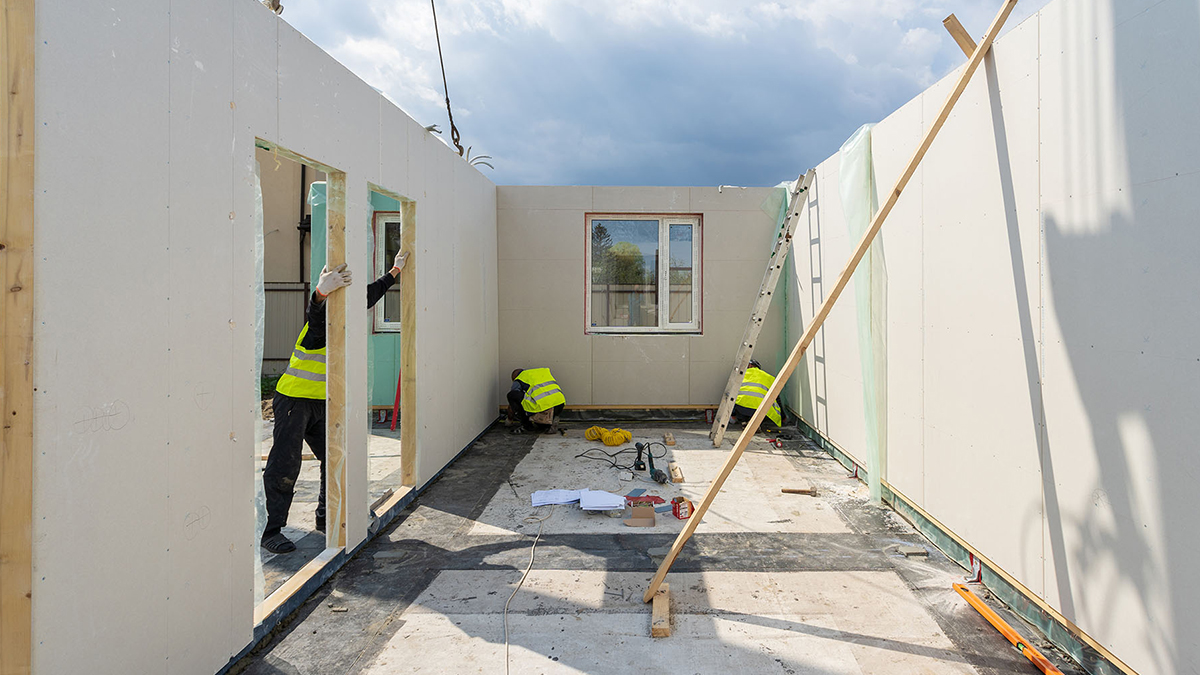 Cost and Availability
You need to think about cost and how easy it is to get materials for your construction. Mgo boards usually cost more than fiberboard at first. This higher price comes from the special materials and fire-resistant features in mgo. When you look at the long-term, mgo can save you money. You do not need to replace mgo as often because it lasts longer and does not get damaged by water or mold. Fiberboard costs less at the start, but you may spend more later if you need to fix or replace it. Here is a simple cost comparison:
Material | Initial Cost | Lifespan | Maintenance Needs |
|---|---|---|---|
Mgo | Higher | Up to 100 yrs | Low |
Fiberboard | Lower | 20-40 yrs | High |
You can find mgo in most building supply stores, but it may not be as common as fiberboard in some areas. Fiberboard is easy to find and often used in many construction projects.
Meeting Building Codes
You must follow building codes for every construction job. Codes help keep people safe. Most codes require you to use materials that pass fire resistance tests. Mgo boards meet strict rules for fire safety. They pass tests like ASTM E119 and UL 263. These tests check how long a wall can stop fire. Mgo boards often get used in green building projects because they do not burn or make harmful smoke. Fiberboard does not meet the same fire safety standards as mgo. Here is a table that shows common code requirements:
Requirement Type | Details |
|---|---|
Fire Resistance Rating | 1-4 hours, based on construction type and property lines |
Testing Standards | ASTM E119 or UL 263 |
Sheathing Material Specifications | Wood panels must meet DOC PS1/PS2 or APA PRP-108, and use exterior glue |
Tip: Always check your local codes before you start construction. Some codes say you must use mgo for fire-rated walls.
Choosing the Right Material
You should pick the material that fits your construction needs. Mgo gives you the best fire resistance. It works well in places that need strong fire safety, like schools, hospitals, and high-rise buildings. Mgo also helps you meet green building goals. Fiberboard may work for simple projects where fire safety is not the main concern. Think about these points when you choose:
Mgo offers better fire protection than fiberboard.
Fiberboard does not protect as well in a fire.
Your choice should match the fire safety needs of your construction project.
If you want a safe, long-lasting building, mgo is the better choice for most construction projects.
Magnesium Oxide Boards: When to Choose MgO
Ideal Applications for MgO
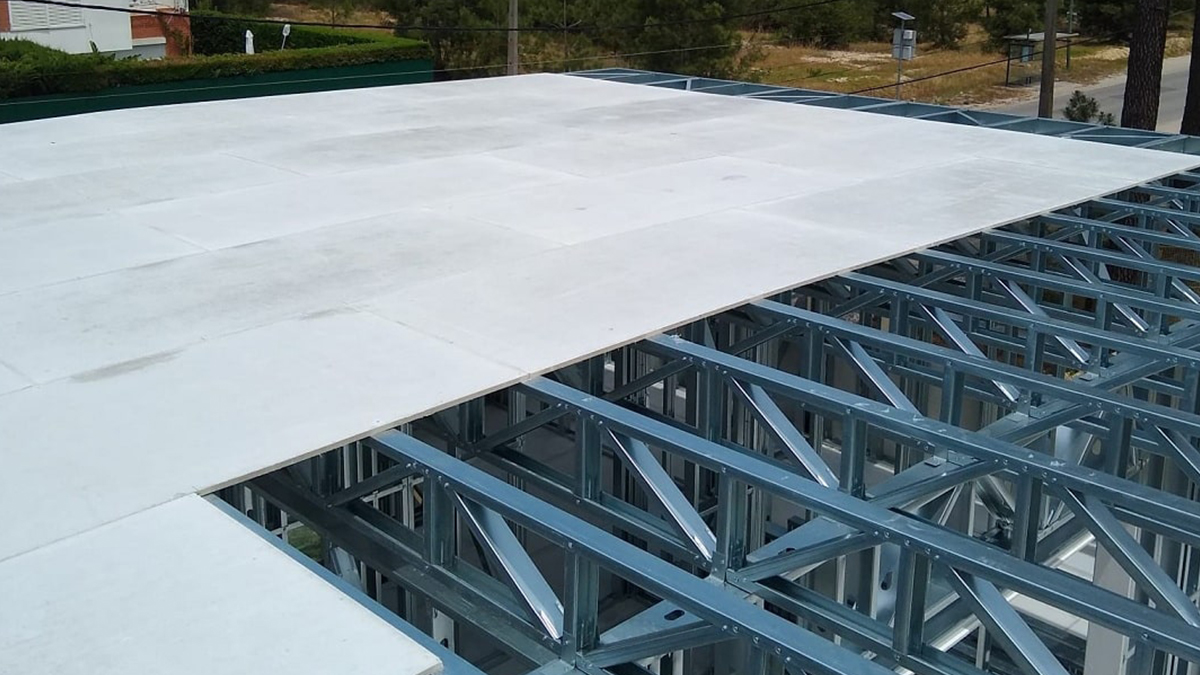 Ideal Applications for MgO
You want your building to be safe and strong. Magnesium oxide boards have many good points. You can use mgo where fire safety is very important. Mgo can handle heat up to 1200°C. It stays strong for four hours during a fire. Mgo keeps out water better than plywood or OSB. It also stops mold and bugs. These things help your building last longer.
You should pick mgo for these projects:
Commercial and industrial buildings
Homes
Mgo works in bathrooms, kitchens, and basements. You can trust mgo for schools, hospitals, and hotels. Your building gets fire, mold, water, and pest resistance. Mgo has good and bad sides. The good sides are safety, strength, and easy care. The bad sides are higher price and not always easy to find.
Tip: Pick mgo if you need strong fire and water protection.
When Fiberboard May Be Sufficient
You might use fiber board sheathing if fire safety is not the main goal. Fiber board sheathing costs less and is easy to put in. You can use fiber board sheathing when you do not need strong fire resistance. Fiber board sheathing must meet ASTM C208 for building use. It must be marked by an approved group if used for support. In fire walls, fiber board sheathing must be used with noncombustible materials unless it is treated for Class A.
Fiber board sheathing works best in dry places. You can use fiber board sheathing for garages, sheds, or inside walls. The good sides are fast to install and low price. The bad sides are weak fire and water resistance. You need to keep fiber board sheathing dry and safe.
Project Type | Material Choice | Advantages | Disadvantages |
|---|---|---|---|
High-rise building | mgo | Fire, mold, water, pest resistance | Higher price, less common |
Garage or shed | fiber board sheathing | Low price, easy to install | Weak fire, water resistance |
School or hospital | mgo | Safety, strength | Higher price |
Interior wall | fiber board sheathing | Fast to install | Weak fire protection |
Note: Always check what your project needs and local rules before you pick fiber board sheathing or mgo.
You want your building to be very safe from fire. New studies say magnesium oxide sheathing protects better than fiber cement or fiberboard. Magnesium oxide sheathing does not burn at all. It also blocks water and mold. It lasts longer than other choices. You should use mgo sheathing where there is a lot of fire risk or moisture. Fiber cement is okay for dry places with little fire danger. Always check your local rules and talk to experts before picking a material. Putting in fire-rated sheathing panels the right way keeps your building safe.
Material Type | Cost Level | Best Use Case |
|---|---|---|
Fire-rated sheathing panels | $$$ | Walls, ceilings, floors |
Fire-rated osb sheathing panel | $$ | Budget projects |
Magnesium oxide board | $$$ | Fire-rated, humid areas |
Pick magnesium oxide sheathing if you need moisture resistance.
Use fire-rated osb sheathing panel if you want to save money.
Choose mgo sheathing for the best fire safety.
Tip: Fire safety is very important. The right sheathing helps save lives.
FAQ
What makes MgO sheathing better for fire safety?
You get better fire safety with MgO sheathing because it does not burn. It resists high heat and does not make smoke. This helps protect your building and keeps people safe during a fire.
Can you use fiberboard sheathing in wet areas?
You should not use fiberboard sheathing in wet areas. Water can make fiberboard swell and grow mold. This weakens the material and lowers its fire resistance.
Where do you use MgO sheathing most often?
You use MgO sheathing in places that need strong fire protection. Schools, hospitals, and high-rise buildings often use it. You also see it in bathrooms, kitchens, and basements because it resists water and mold.
Is MgO sheathing good for fireproofing applications?
You can trust MgO sheathing for fireproofing applications. It does not burn, even at very high temperatures. This makes it a top choice when you want to stop fire from spreading.
Does fiberboard meet building codes for fire safety?
You need to check your local building codes. Fiberboard may not meet strict fire safety rules. Many codes require non-combustible materials for fire-rated walls, so MgO sheathing is often the better choice.