
05 Feb A Complete Guide to Installing Fire Rated Sheathing Boards for Builders
You must follow tough rules when you use fire rated sheathing board. Building codes help keep people and buildings safe. The table below lists some codes that need fire-resistant materials in buildings:
Code Reference | Description |
|---|---|
CRC § R302 | Needs fire-resistant materials for outside walls of homes and other buildings. |
CA Building Code for Exterior Wildfire Exposure | Says you must use fire-resistive wall assemblies, including sheathing products. |
California Fire Code | Has strict fire safety rules for building construction in the state. |
You need to put in products like MgO sheathing the right way. This helps stop fire from spreading and helps you pass inspections. Doing things correctly makes everyone safer.
Key Takeaways
Pick fire rated sheathing to make buildings safer. It helps meet building codes. This keeps people and buildings safe from fire dangers.
Put in fire rated sheathing the right way. This stops inspection problems. Good installation follows safety rules.
Check fire rated sheathing often for damage or wet spots. Finding problems early keeps fire protection strong and safe.
Choose the best fire rated sheathing for your project. Think about the weather and fire ratings for best results.
Write down all checks and fixes to show you follow fire safety rules. Good records help with inspections and keep safety going.
Why Fire Rated Sheathing Boards Matter
 Fire Protection Materials in Construction
 Fire Protection Materials in Construction
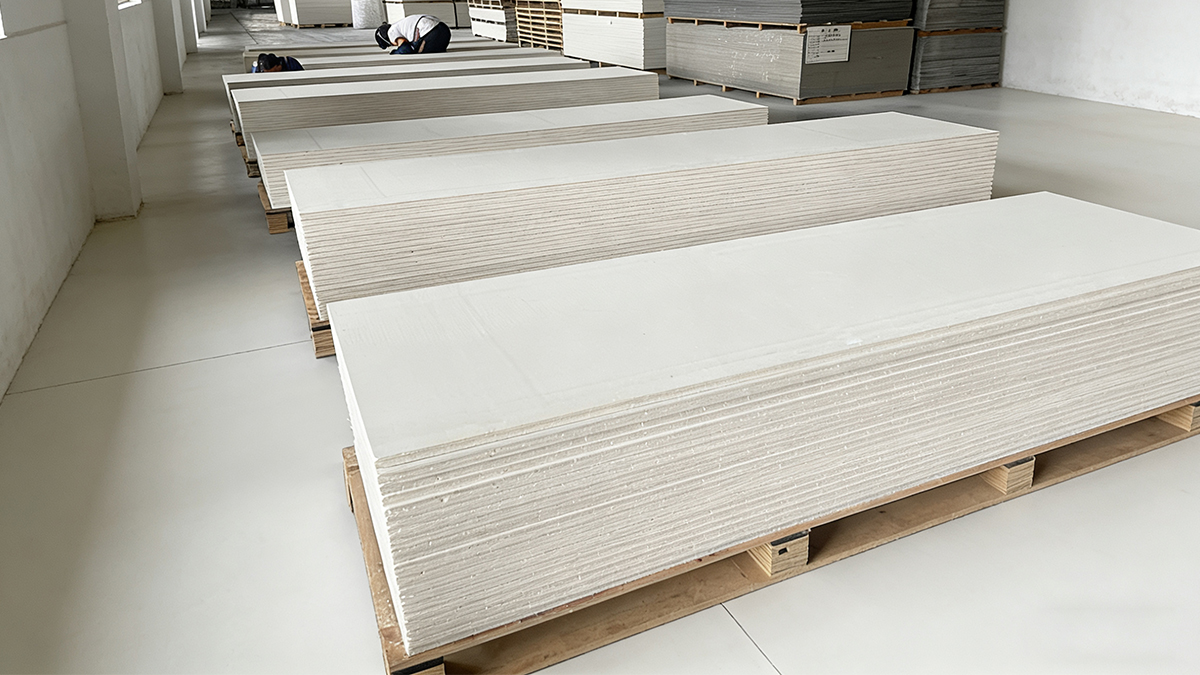
It is important to pick the right fire protection materials. This keeps buildings safe from fire. Fire resistant sheathing helps stop flames from spreading fast. When you use fire rated sheathing board, you add a strong shield. These boards do not burn easily and can take very high heat. They also help stop smoke from filling up rooms. This gives people more time to escape safely.
Here is a table that shows how fire resistant sheathing is different from regular materials:
Feature | Description |
|---|---|
Non-combustibility | Fire resistant exterior sheathing does not catch fire, so it helps stop fires. |
High-temperature resistance | These boards can handle heat over 1000°C, so they are great for fire protection. |
Flame spread | They have a flame spread rating of 0, so flames do not move across the surface. |
Smoke developed | They make almost no smoke, which helps people see and breathe during a fire. |
You can see that fire resistant sheathing has better fire ratings than regular boards. This means you protect the building and the people inside.
Code Compliance and Safety
You have to follow fire safety codes when you build. Fire resistant sheathing helps you meet these rules and pass inspections. If you put in these boards the right way, the building gets safer and stronger. The boards also help keep heat in or out and block air and water.
Look at this table to see how fire resistant sheathing helps with code rules:
Feature | Description |
|---|---|
Fire Resistance Rating | Meets or beats local codes, giving up to two hours of fire protection. |
Structural Support | Makes walls and roofs stronger, so the building is safer. |
Insulation | Keeps heat in and out, which saves energy. |
Air and Water Resistive Barrier | Stops leaks and drafts, making it easier to follow rules. |
Cost and Labor Efficiency | Replaces many layers, so you save time and money. |
If you do not install fire resistant sheathing the right way, you can have big problems. Some buildings have failed inspections because of bad installation. Sometimes, roofs made with the wrong materials have broken in just a few years. This puts people and firefighters in danger.
Issue | Description |
|---|---|
Structural Collapse | Weak fire protection can make buildings fall down during a fire. |
Increased Risk to Firefighters | Bad installation can trap fire crews and make rescue harder. |
Safety Concerns | Some materials get weak at lower heat, which is dangerous. |
You should always use the right fire resistant sheathing and follow the rules. This keeps everyone safe and helps your project pass every inspection.
Types of Fire Rated Sheathing Board
Fire Resistant Sheathing Options
 Fire Resistant Sheathing Options
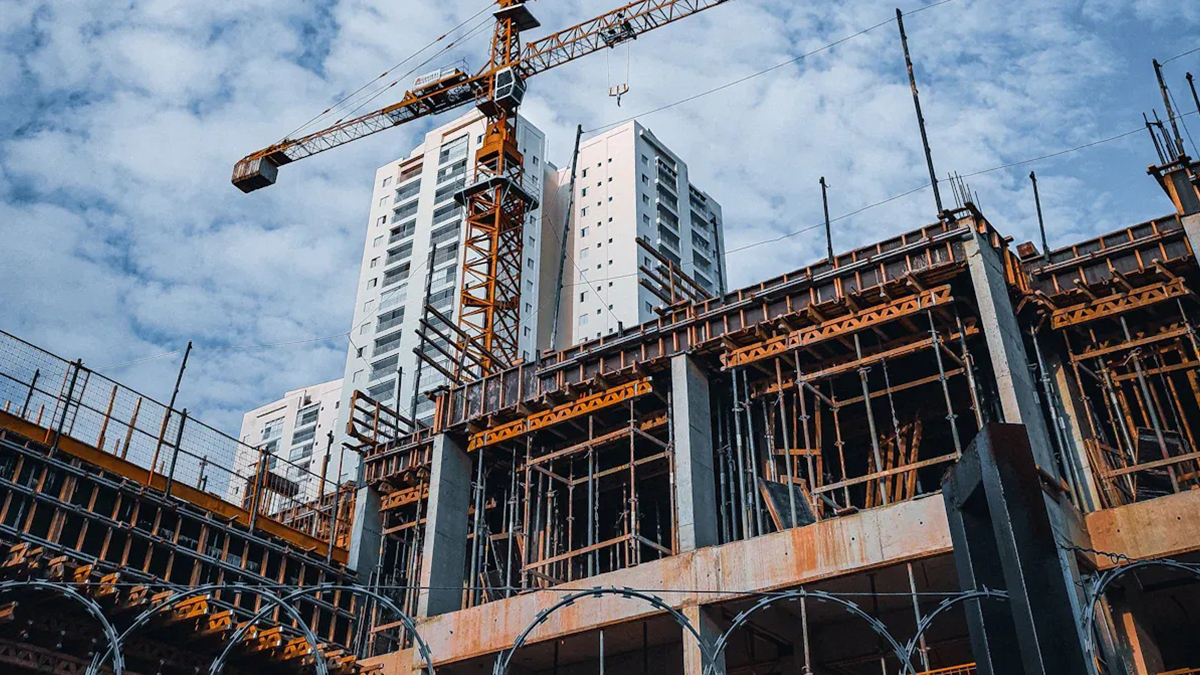
There are different kinds of fire resistant sheathing you can use. Each kind has its own special features. Some work better in certain places than others. The table below shows the most common types. It also tells you what they do best and where you usually see them:
Material Type | Key Features | Common Uses |
|---|---|---|
Concrete Panels | Non-combustible, handles high heat, stops fire spread | Commercial buildings, hospitals |
Gypsum Board (Type X) | Has additives to slow fire, water turns to steam to stop fire | Interior walls in homes and offices |
Handles high heat, non-combustible, eco-friendly | High-risk zones, wildfire-prone areas | |
DuPont™ ArmorWall™ Plus | Combines structure, fire resistance, air and water barrier, insulation | Stairwells, corridors, shared walls in multi-family buildings |
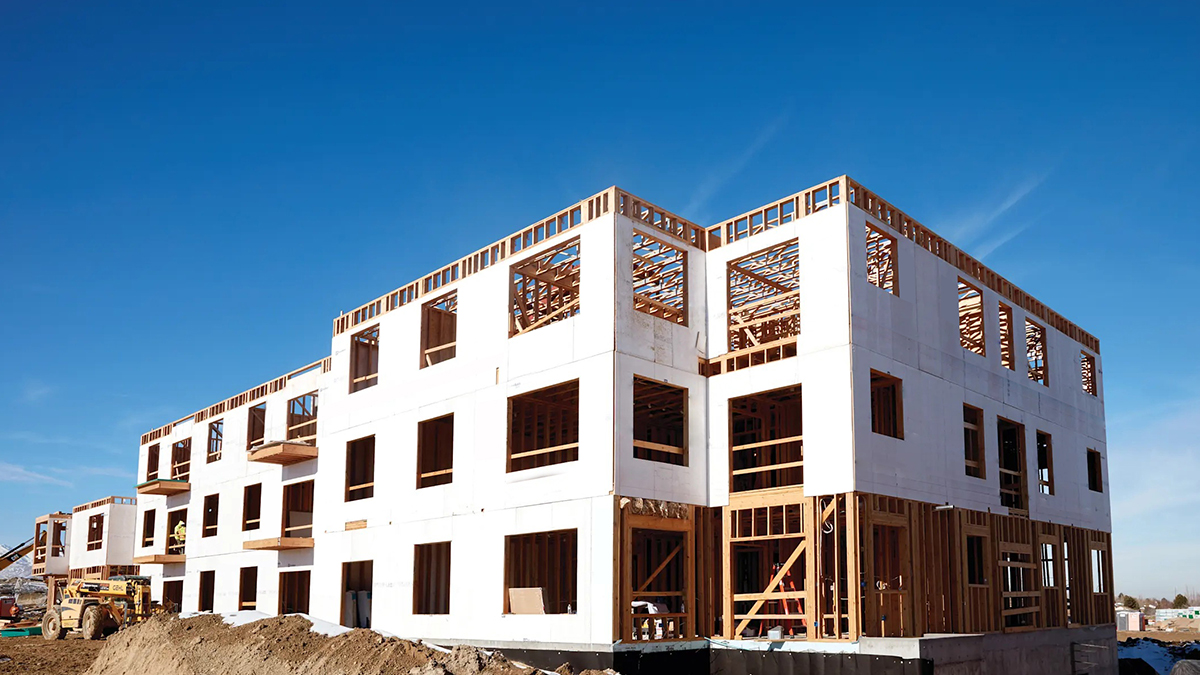
Fire resistant sheathing is often used in hallways and between units in big buildings. Builders put up non-combustible panels like magnesium oxide boards in wildfire areas. This helps protect homes and people from fire.
Tip: Magnesium oxide boards are better for the environment than regular sheathing. You can recycle them, and they make less bad gas. This helps keep the air inside buildings cleaner.
Fire Rated Drywall vs. Other Boards
You may wonder how fire rated drywall is different from other boards. Fire rated drywall is also called Type X gypsum board. People use it a lot for inside walls. It has special stuff inside that slows down fire. When it gets hot, water in the board turns to steam. This helps stop the fire from spreading.
Here is a quick chart to compare them:
Type of Board | Best Use | |
|---|---|---|
Type X Gypsum (5/8″) | 1-hour | Interior walls |
Type X Gypsum (1″) | 2-hour | Fire barriers, stairwells |
Concrete Panels | High | Exterior walls, commercial sites |
Magnesium Oxide Panels | High | Wildfire-prone areas, exteriors |
Fire rated drywall is good for most rooms inside. If you need something stronger or safer, pick concrete panels or magnesium oxide panels. These boards give more protection and can handle tough places.
When you choose fire resistant sheathing, always look at the fire rating. Think about where you will use the board. This helps you follow building rules and keeps your project safe.
Choosing the Right Fire Rated Sheathing
Assessing Project Needs
You have to think about many things before you pick fire resistant sheathing. First, decide what kind of material you need. Some boards are better for wet places. Others are good for very hot spots. Check the weather and the area around your building. Make sure your choice follows safety codes in your city or state. You should also look at how much each board costs and how long it lasts. Think about how easy it is to put up and take care of. Here are some things to think about:
Material types
Environmental conditions
Compliance with safety codes
Cost and performance factors
Installation best practices
Maintenance requirements
Different products have different costs and benefits. Here is a table that shows how much more you might pay and what you get:
Product Type | Cost Increase | Benefits |
|---|---|---|
Wildfire-resistant roofing | $5,860 (27%) | Lasts longer, needs less fixing |
Wildfire-resistant exterior walls | $12,190 (25%) | Saves money with fiber-cement siding |
Wildfire-resistant decking | $1,850 (19%) | Lasts longer, needs less fixing |
Before you close up walls or ceilings, look for fire hazards. Seal every opening you find. Make sure all fire stopping materials follow safety rules. If you find problems early, you will not have to redo your work.
Meeting Building Codes
You have to follow building codes when you pick fire resistant sheathing. These codes tell you what fire ratings you need. Always check that your work matches fire safety rules. Using the right fire rated sheathing board helps keep people and buildings safe. It also helps you pass inspections. Check the moisture in the boards before you put them in. Boards that are too wet or too dry may not work right.
Product Ratings and Features
Pick fire resistant sheathing that has strong certifications. The panels should have labels from trusted groups. Fire-rated assemblies can protect for one or two hours. Some products, like DuPont™ ArmorWall™ SP Plus, have ICC Testing and give up to two hours of fire resistance. You can find more choices in the UL Fire Resistance Directory. Independent groups test these products to make sure they meet fire ratings. Always use code-approved ways to install them for the best results.
Product Name | Certification | Fire Rating | Description |
|---|---|---|---|
DuPont™ ArmorWall™ SP Plus | ICC Testing | Up to 2 hours | Fire-rated structural insulated sheathing with MgO layers |
Tip: Panels with the right certification help you follow building codes and keep your project safe.
Installing Fire Rated Sheathing
Preparation and Tools
 Preparation and Tools
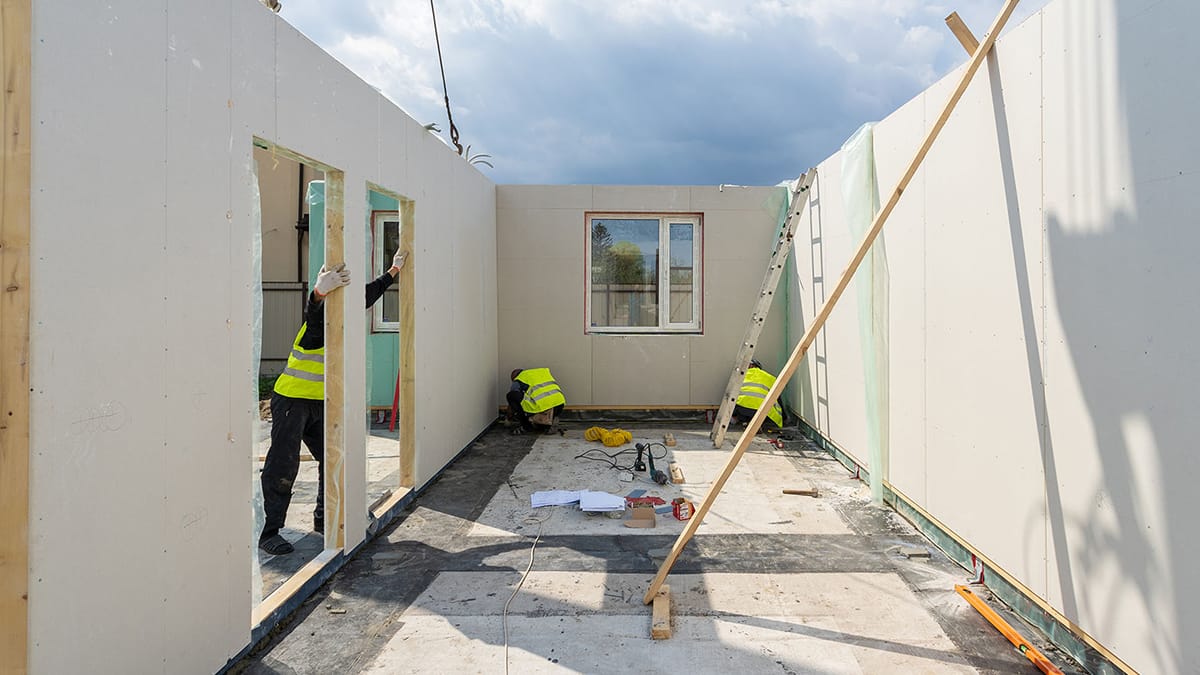
You need to get ready before you start installation. Begin by checking the wall or roof surface for cracks or uneven spots. Fix any problems so the fire resistant sheathing will sit flat and secure. Gather your tools. You will need a utility knife, a fine-tooth circular saw, a tape measure, a level, and a screw gun. Use 1-inch shaftliner plugs if you work with elevator shafts or stairwells. Always use the right screws or nails for fire retardant wood panels and fire retardant plywood. Mark your measurements clearly and double-check them. This helps you avoid mistakes and waste.
Tip: Always follow the manufacturer’s instructions for each fire rated sheathing board. This helps you meet fire ratings and standards.
Panel Layout and Joint Staggering
You must lay out fire resistant sheathing in a way that keeps the building safe. Hang one layer at a time. Finish each layer before you start the next. Stagger the joints between layers. Never let seams line up through more than one layer unless the product listing allows it. Center the joints on framing. Off-center joints can make the wall weaker during a fire or hose-stream exposure.
Step-by-step layout for fire retardant wood panels:
Hang the first layer of fire resistant sheathing.
Stagger the joints so seams do not line up.
Center each joint on a stud or joist.
Repeat for each layer, checking alignment as you go.
Fastening and Spacing Techniques
You must use the right fasteners and spacing for fire resistant sheathing. This keeps the panels secure and helps you meet fire protection codes. Use the table below to see the best fastener types and spacing for fire retardant wood panels and fire retardant plywood:
Fastener Type | Spacing (o.c.) | Placement from Edges |
|---|---|---|
8d common nails | 6 inches | 3/8 inch |
| 12 inches | 3/8 inch |
Start fastening at one corner. Make sure the first panel is straight and matches your markings. Use screws or fire-rated adhesive to hold the panels firmly. Check that each fastener is the right distance from the edge. This helps prevent splitting and keeps the fire resistant sheathing strong.
Moisture Content and Handling
You must handle fire resistant sheathing with care. Keep the panels dry before and during installation. If panels get wet, they can lose their fire protection and may need to be replaced. For example, a contractor in Florida used paper-faced shaftliner panels for elevator shafts. Heavy rain from a hurricane damaged the panels. The contractor had to replace them, which caused delays and extra costs. Always store fire retardant wood panels and fire retardant plywood in a dry place. Cover them if you expect rain. Check the moisture content before you install each panel.
Note: Wet or damaged fire resistant sheathing will not meet fire ratings and standards. Always inspect panels before installation.
Avoiding Common Mistakes
Builders often face problems when installing fire resistant sheathing. You may struggle to keep fire ratings at intersections or pass inspections. Focus on proper assembly design. Use resources like The Wood Book from National Gypsum Company for guidance on fire-rated assembly solutions. Plan your installation so fire ratings stay strong where assemblies meet. Always seal every opening and use approved fire stopping materials. Follow the manufacturer’s instructions for each fire rated sheathing board and fire rated drywall.
Common mistakes to avoid:
Not staggering joints between layers
Using the wrong fasteners or spacing
Installing wet or damaged panels
Failing to seal joints and edges
Ignoring manufacturer instructions
Callout: Careful planning and correct installation help you meet fire protection codes and keep your building safe.
Inspecting and Maintaining Fire Rated Sheathing
Routine Inspections
 Routine Inspections
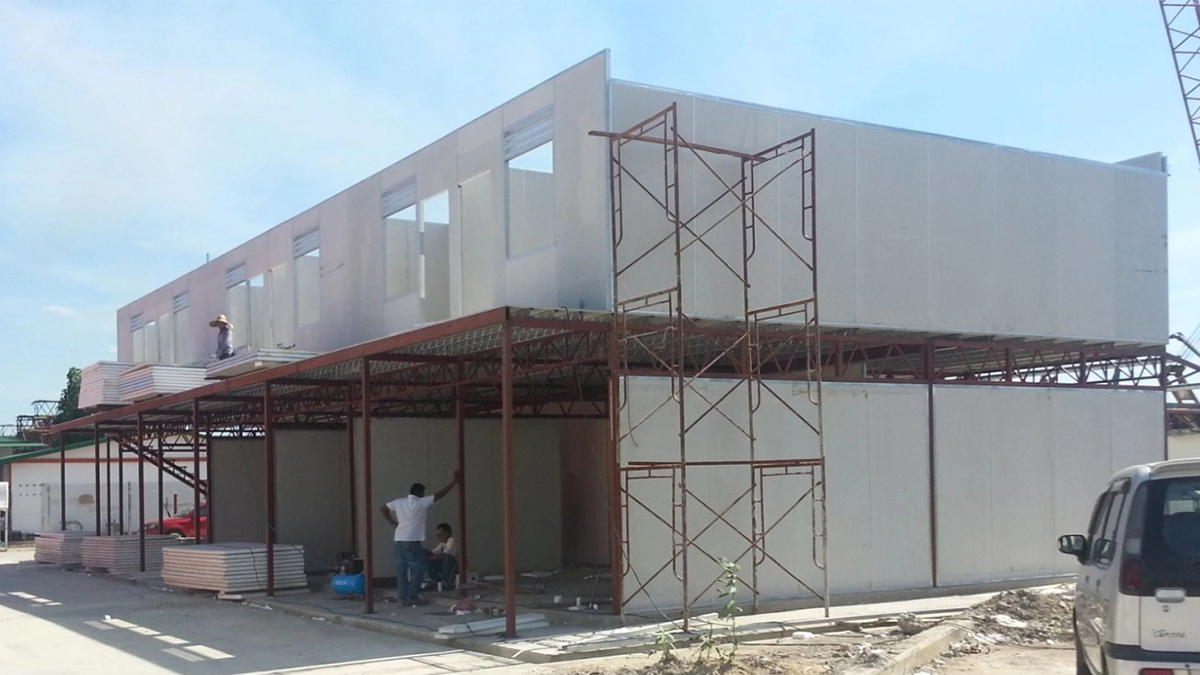
You need to check fire rated sheathing boards often to keep your building safe. Inspections help you find damage, gaps, or problems before they get worse. In busy offices or commercial spaces, monthly inspections work best. For homes or less-used buildings, you can inspect every three months. If you use cement board, look for cracks or gaps at least once a year.
Check for loose panels, cracks, or missing fasteners.
Look for water damage or mold.
Inspect joints and seams for gaps.
You must also make sure your sheathing meets fire safety standards. The table below shows two important standards and what you should look for:
Standard | Description | Key Performance Criteria |
|---|---|---|
Evaluates fire propagation in wall assemblies | Limits vertical flame spread to 10 feet, lateral spread to 5 feet, and temperature to 1,000°F. | |
ASTM E84 | Measures surface burning characteristics | Class A rating needs flame spread index of 0-25 and smoke developed index of 450 or less. |
Tip: Regular inspections help you catch problems early and keep your building code-compliant.
Repair and Documentation
If you find damage, you must fix it right away to keep fire protection strong. Use these steps for common repairs:
For small dents or scrapes, remove loose material and use joint compound. Sand until smooth.
For small holes (up to 100 square inches), cut out the area, frame it, and patch with the same board type.
For hidden holes, overlap a patch and secure it to the studs.
Fill gaps at joints with joint compound if less than 1/8 inch wide.
Fill nail or screw holes with joint compound to block heat transfer.
Keep records of all inspections and repairs. Good documentation shows you follow fire safety rules. The table below lists what you should include:
Section | Description |
|---|---|
II, item 13 | List any changes to fire-resistance rated assemblies. |
VI, item 6 | Note wood panel types and fire resistance requirements. |
Note: Accurate records help you pass inspections and prove your building stays safe.
You should pick fire rated sheathing boards that fit your project. Make sure they also follow safety codes. Always put up gypsum panels the way UL fire-rated designs say. If you need to fix them, use tips from the Gypsum Association. Check the boards often and keep good records. This helps you keep fire protection strong. Learn more by reading IEBC guidelines and joining fire safety webinars.
Resource | Description |
|---|---|
IEBC Guidelines | Fire ratings for materials and assemblies |
Fire Safety FAQs | Educational resources and webinars |
Essential Test Standards | Information on fire tests and code compliance |
Tip: Put safety first and keep learning about new fire protection materials and rules.
FAQ
What is the difference between fire rated sheathing and regular sheathing?
Fire rated sheathing does not burn easily. It slows down fire and smoke. Regular sheathing can catch fire quickly. Fire rated boards help you meet safety codes.
How do you know if a sheathing board is fire rated?
Look for labels from trusted groups like UL or ICC. Check the product’s fire resistance rating. You can find this information on the board or in the manufacturer’s guide.
Can you cut fire rated sheathing boards like regular boards?
You can cut fire rated boards with a utility knife or saw. Always wear safety gear. Follow the manufacturer’s instructions for best results.
What should you do if a fire rated board gets wet?
Tip: Replace wet or damaged boards. Wet panels may not protect against fire. Store boards in a dry place before installation.