

17 Feb Step by Step Guide to Meeting Fire Codes with MgO Sheathing Boards
You face serious risks when you ignore fire safety during construction. Fire can spread quickly and cause harm to people and property. You must follow strict codes to protect everyone in your building. Many builders trust a fire rated sheathing board to slow down fire and limit damage. Mgo sheathing board stands out as a top choice for meeting fire codes. Other boards can resist fire, but you need reliable solutions that help you meet every fire code.
Key Takeaways
Fire rated sheathing boards like MgO help slow fires. They protect people and buildings from harm.
Always look at fire ratings and certifications. This makes sure your sheathing is safe and follows rules.
It is important to install fire resistant sheathing the right way. Follow good steps so you do not make mistakes.
Check and take care of fire resistant materials often. This helps keep your building safe from fire dangers.
Picking MgO sheathing boards can save you money later. They last long and do not get ruined by water or fire.
Fire Rated Sheathing Board Basics
What Is a Fire Rated Sheathing Board?
It is important to know why fire resistant sheathing boards are special. These boards help stop fire from moving through a building. They protect the main parts of your building and keep people safe. You can put fire resistant sheathing in walls, ceilings, and floors. The main reason to use them is to slow fire and give people more time to get out.
Here is a table that lists the main things about fire resistant sheathing:
Characteristic | Description |
|---|---|
Preventing Fire Spread | These boards block fire and split buildings into sections to slow it down. |
Protecting Structural Elements | Fire-resistant boards cover important parts and keep them safe during fire. |
Enhancing Fire Safety | You can use them in many places, like walls and ceilings, to make buildings safer. |
Maintaining Structural Integrity | They keep heat and radiation out, so the other side stays cool. |
Compliance with Building Codes | You need them to meet building codes and keep buildings safe. |
Types of Fire Resistant Sheathing
You have a few choices when you pick fire resistant sheathing. Each type is made from different materials and has its own good points. The most common types are fire rated gypsum board, MgO board, Type X wallboard, and Type C wallboard. MgO board is special because it is naturally fireproof, does not burn, and fights mold and water.
Here is a table to help you see the main types of fire resistant sheathing:
Type of Wallboard | Key Features | Fire Resistance Time |
|---|---|---|
Fire Rated Gypsum Board | Gypsum core, paper layers, lets out water vapor to slow flames. | Up to 79 minutes (two layers) |
MGO Board | Naturally fireproof, does not burn, eco-friendly, fights mold and water. | Up to 4 hours |
Type X Wallboard | Has glass fibers, meets ASTM rules, used in fire-sensitive places. | At least 1 hour |
Type C Wallboard | UL Classified, eco-friendly, strong fire resistance, low chemical emissions. | Excellent fire protection |
Tip: Always look at the fire ratings and rules for each type before you pick a fire resistant sheathing board.
Why Fire Ratings Matter
You need to look at fire ratings and rules when you choose fire resistant sheathing. These ratings tell you how long a board can stop fire. They help you know if a product will work in a real fire. In tests, fire resistant sheathing boards like gypsum and calcium silicate did well, but MgO board did not always do as well. Adding steel sheathing made all boards better at stopping fire. This means how you put in fire resistant sheathing can change how well it works in a fire. Fire ratings and rules help you follow building codes and keep your building safe.
Fire Codes & Building Code Compliance
Key Fire Codes and Standards
You need to know the main fire safety codes before you choose fire resistant sheathing. These codes help you keep your building safe and meet building code compliance. Here are some of the most important fire safety rules and standards you should follow:
The International Wildland-Urban Interface Code (IWUIC) sets rules for fire safety in areas with wildfire risks.
SFM 12-7A-1 is a certification from the California State Fire Marshal for fire rated sheathing boards.
UL 263 and ASTM E119 test the fire resistance rating of materials and check how well they hold up during a fire.
ASTM E136 checks if a material is non-combustible.
Local or state WUI codes often use the IWUIC as a base and change it for local fire risks.
You must follow these fire safety codes to make sure your fire resistant sheathing meets all fire safety rules.
Understanding UL and ASTM Ratings
You will see UL and ASTM ratings when you look at fire rated sheathing. These ratings show how well a product can stop fire. ASTM E119 is the main test for fire resistance rating in the United States. It checks how long fire resistant sheathing can keep fire from spreading. UL uses similar tests, so you can trust both ratings. In Canada, ULC 263 matches ASTM E119, so you get the same level of fire safety. When you see these ratings, you know your fire rated sheathing meets strict fire safety rules.
IBC Requirements for Sheathing
The International Building Code (IBC) gives clear rules for fire resistant sheathing in different building types. You must check the fire resistance rating for your project. Here is a table that shows what the IBC asks for:
Construction Type | Fire-Resistance Requirements |
|---|---|
Type I | Non-combustible materials; fire ratings of at least 3 hours for walls and 2 hours for floors. |
Type II | Non-combustible materials; usually includes a fire suppression system. |
Type III | Non-combustible exterior walls; fire-retardant-treated wood allowed inside. |
Type IV | Mass timber or non-combustible materials; no hidden spaces with combustible materials. |
Type V | Any materials allowed by the IBC; least strict. |
If you do not follow these fire safety rules, you can face big problems. You might get fines, lawsuits, or have to fix your building. Not using the right fire resistant sheathing can put lives and property at risk. You must always check your fire rated sheathing for the correct fire resistance rating and make sure you meet all fire safety codes. This helps you reach building code compliance and keeps everyone safe.
Choosing a Fire Resistant Sheathing Board
 Evaluating Fire Ratings and Certifications
 Evaluating Fire Ratings and Certifications
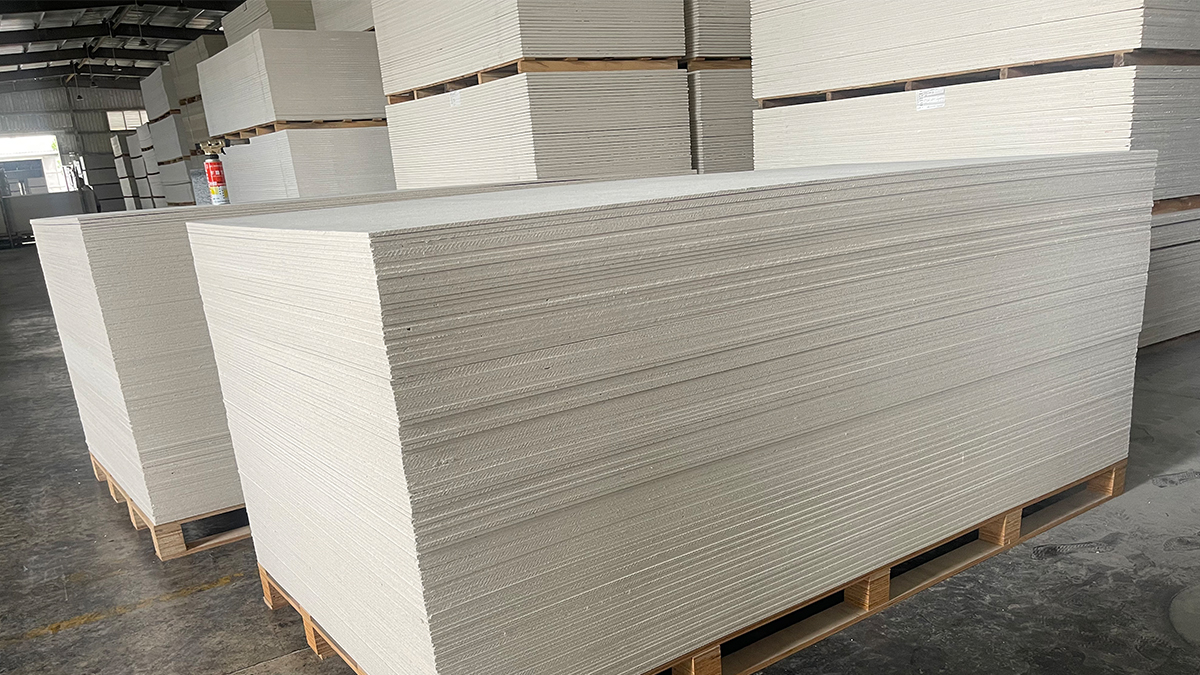
You need to check a few things when you pick a fire rated sheathing board. Fire resistance ratings show how long the board stays strong and stops fire from moving through walls or floors. Flame spread ratings tell you how fast fire can move across the board’s surface. Both ratings help you follow building codes and keep people safe. You should always ask for papers like ASTM E84 test reports from the company. These papers prove the fire resistant sheathing board meets the right rules.
Fire resistance ratings show how long a fire rated sheathing board can protect your building.
Flame spread ratings help you see how quickly fire can move across the board.
Both ratings are important for fire resistant wall assemblies and fire resistant exterior sheathing.
Always ask for test reports to make sure your fire resistant sheathing board is safe.
Tip: Always check the ratings and certifications. They help you build safe fire resistant wall assemblies and follow all fire codes.
Comparing MgO to Other Fire Resistant Sheathing
You have many choices for fire resistant sheathing. MgO sheathing boards are special because they do not burn and meet tough safety rules. Other boards like OSB and plywood can catch fire and may not always follow the rules. Cementitious-coated panels also stop fire well and meet safety standards. The table below helps you compare these materials:
Material Type | Fire Resistance | Code Compliance |
|---|---|---|
MgO Sheathing Board | Non-Combustible | Complies with safety standards |
OSB | Combustible | Varies by product |
Plywood | Combustible | Varies by product |
Cementitious-Coated Panels | Generally Non-Combustible | Complies with safety standards |
MgO boards cost more at first than fiberboard, but they last longer and need fewer repairs. You save money over time because MgO boards protect against water and fire damage. This means you spend less fixing fire resistant wall assemblies and fire resistant exterior sheathing.
MgO boards are also good for the environment. They use natural minerals and make less pollution. You can recycle them, and they do not let out bad chemicals when you throw them away. The table below shows how MgO boards compare to other fire resistant sheathing panels:
Material Type | Environmental Impact During Manufacturing | Recyclability | Carbon Footprint |
|---|---|---|---|
MgO Sheathing Boards | Lower | Fully Recyclable | Lower |
Drywall | Higher | Often Non-Recyclable | Higher |
Cement Boards | Higher | Often Non-Recyclable | Higher |
MgO sheathing boards last a long time. You can expect them to last 25 to 50 years, which is much longer than gypsum boards. They stay strong, do not break easily, and keep their shape even in tough weather. Many builders use MgO fire resistant sheathing board in homes and apartments because it keeps people safe and healthy.
Questions for Suppliers
You should always ask suppliers the right questions before you buy fire resistant sheathing. Here are some important things to ask:
What is the fire resistance rating of this fire rated sheathing board?
Can you provide ASTM E84 or other fire test reports?
Does this fire resistant sheathing board meet local and national building codes?
How does this fire resistant sheathing perform in fire resistant wall assemblies?
What is the expected lifespan of the fire resistant sheathing board?
Is the fire resistant sheathing board recyclable or eco-friendly?
What warranty do you offer for this fire resistant exterior sheathing?
How does this product compare to other fire resistant sheathing panels in terms of cost and performance?
Note: Good suppliers will answer your questions and give you all the papers you need. This helps you pick the best fire resistant sheathing for your project.
Picking the right fire rated sheathing board is a big step in building safe fire resistant wall assemblies. You protect your building, save money, and help the planet when you choose the best fire resistant sheathing board for your needs.
Installing Fire Resistant Sheathing Board
Preparation and Planning
 Preparation and Planning
Get your workspace ready before you start. Check the area for anything unsafe. Make sure you have all your tools and safety gear. Always read the instructions from the manufacturer. Look at each panel and board for any damage before you begin.
Wood moisture is important for fire protection. If you use wood, keep the moisture at the right level. This helps fire protection work well and keeps panels strong. The table below shows the best moisture levels for different wood:
Type of Wood | Recommended Moisture Content |
|---|---|
Lumber | 19% or less |
Wood Structural Panels | 15% or less |
Interior Applications | Not over 28% |
Note: The right moisture level helps fire protection last longer and keeps your barrier strong.
Keep fire resistant sheathing boards in the room for at least 48 hours before you put them up. This lets the boards get used to the room’s temperature and humidity. When you do these steps, you make a safe and strong fire barrier.
Installation Best Practices
Follow best practices to get the most from your fire resistant sheathing. Use the right fasteners for the job. For wood studs, use #8 flat head fasteners with high and low threads. For metal studs, use 18 gauge or heavier screws with self-drilling points. Put fasteners at least 4 inches from corners and space them as the manufacturer says.
Details | |
|---|---|
Fastening Techniques | Use #8 flat head fasteners for wood studs. Use 18 gauge or heavier screws for metal. Keep fasteners at least 4” from corners. |
Safety Measures | Wear a dust mask and safety glasses when cutting or sanding. Use a wet suppression or HEPA vacuum for dust. |
Building Code Compliance | Always follow local, state, and national codes during installation. |
Sand and clean all cut edges before sealing. Use fire-resistant caulk at every joint and seam. Tighten screws only until they are even with the surface. Check joints and seams often for gaps or damage. Finish and seal the boards to block moisture and keep the barrier strong.
Tip: Training helps you install fire resistant sheathing the right way. Courses like “Magnesium Oxide Panels: A Durable, Fire-Resistant Alternative for Modern Construction” teach you about fire protection materials and fire resistant wall assemblies. You learn how to use fire resistant materials for better fire protection.
Common Mistakes to Avoid
People sometimes make mistakes when putting up fire resistant sheathing. You can avoid these problems if you know what to watch for. Here are the most common mistakes and how to stop them:
Using sealants or caulks that are not rated for fire.
Skipping edge sealing or not covering all edges.
Using regular paint instead of fire-resistant coatings.
Picking joint compounds that do not protect against moisture.
Not cleaning and sealing edges after cutting.
Tightening screws too much, which can crush the board.
To avoid these mistakes, follow these steps:
Let boards sit in the room for at least 48 hours before you put them up.
Sand and clean all cut edges before sealing.
Use fire-resistant caulk at every joint and seam.
Tighten screws only until they are even with the surface.
Check joints and seams often for gaps or damage.
Finish and seal the boards to block moisture.
Callout: Always use fire resistant sheathing and fire protection materials that meet code. This helps your barrier work as it should and gives your building the best fire protection.
When you plan, use best practices, and avoid mistakes, you build a strong barrier against fire. You help keep people safe and protect your building with the right fire resistant materials and fire protection methods.
Verifying Fire Code Compliance
Inspection and Testing
 Inspection and Testing
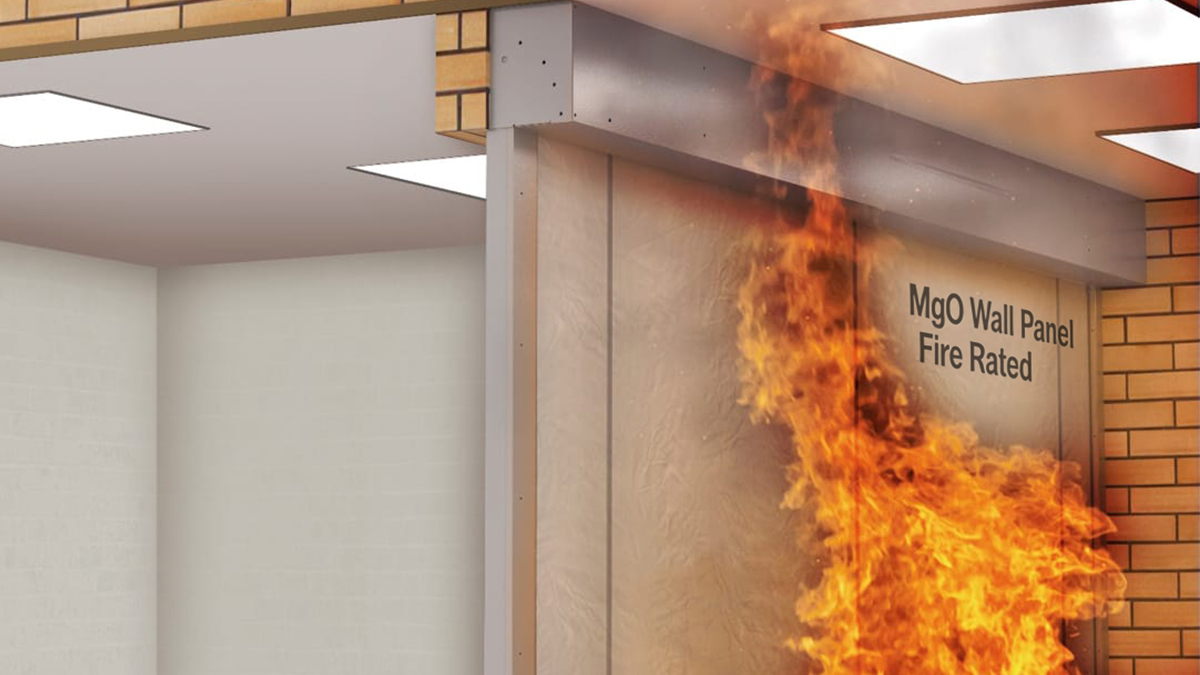
You need to check your building after you put in fire resistant sheathing. Inspections help you find problems before they get worse. You must test the materials to make sure they stop fire like they should. Always look at fire-resistance-rated assemblies, such as gypsum board or shaftliner board, before you tape or cover them. This step helps you follow safety rules.
Here is a table that lists the main tests for fire code compliance:
Standard | Description |
|---|---|
ASTM E84-24 | Tests flame spread and smoke production. |
EN 13501-1+A1:2010 | Gives fire resistance ratings for building materials. |
NFPA 285 | Checks wall assemblies in fire conditions. |
You should work with certified inspectors. They know how to spot gaps, cracks, or missing fasteners. These checks help you make sure your fire resistant sheathing will work if there is a fire.
Documentation and Records
You need to keep good records to show your building meets fire codes. Always collect papers that prove you used certified materials and followed local rules. Here is a table to help you keep track of what you need:
Documentation Type | Description |
|---|---|
Certified Materials | Use materials with a four-hour fire resistance rating. |
Compliance with Local Codes | Make sure you follow local fire safety rules. |
Inspections and Certifications | Get inspections and certificates from trusted fire safety organizations. |
Use fire-resistant sheathing that meets safety standards.
Follow the instructions for each fire-rated assembly.
Certified products help you follow fire safety rules.
Ongoing Maintenance
You must keep your fire protection strong for many years. Check your fire resistant sheathing every year. Look for damage, water leaks, or changes in the building. Fix any problems right away. If you see cracks or holes, seal them with the right fire-resistant materials. Good maintenance helps your building stay safe from fire for a long time.
Tip: Keep all your inspection reports and certificates in a safe place. You might need them if you sell your building or have a fire safety check.
You can follow easy steps to meet fire codes with MgO sheathing boards. The table below lists important tests for fire safety:
Test Standard | Description | Implications for Fire Codes |
|---|---|---|
ASTM E136 | Checks if something burns at 750°C | Needed for many projects to show it does not burn |
ASTM E84/UL 723 | Looks at how fast fire spreads on the surface | Helps decide if a material is safe for buildings |
When you pick, put in, and check fire resistant sheathing, you help your building stay safe from fire. You also make sure your project follows fire codes and can make fire safety better. This might even lower your insurance costs. Always look at local fire codes and ask experts before you begin. For more help, use guides like The Wood Book™ or The PURPLE Book® to learn about fire-rated assemblies.
FAQ
What makes MgO sheathing boards better for fire rated walls?
You get strong protection with MgO sheathing boards. These boards do not burn. They last longer than other fire rated drywall. You can use them in fire rated walls and fire rated assemblies. They help you meet safety codes and keep your building safe.
Can you use MgO sheathing with other fire rated drywall?
Yes, you can mix MgO sheathing with fire rated drywall. This gives you extra resistant layers in fire rated walls. You improve fire rated assemblies by combining these materials. Always check the rules for your project before you start.
How do you know if your sheathing meets fire codes?
You must look for test reports and certifications. Ask for ASTM and UL ratings. These show your sheathing is resistant and safe for fire rated walls. You need proof for fire rated assemblies. Keep all records for inspections.
What is the best way to install fire rated drywall and sheathing?
You should follow the manufacturer’s instructions. Use the right fasteners for each board. Seal all joints and edges. This keeps your fire rated walls strong and resistant. Good installation helps your fire rated assemblies work well.
How often should you check your fire rated walls and sheathing?
You need to inspect fire rated walls and sheathing every year. Look for damage or gaps. Fix problems quickly to keep your building resistant to fire. Regular checks help your fire rated assemblies stay safe.