
18 Feb Top Fire Rated Sheathing Boards Compared for 2026
You want the best protection for your building. In 2026, top choices include Sulfycor, Magboard, LP FlameBlock, PyroGuard, ArmorWall SP Plus, Gold Bond eXP, Gypsum, and FRCC OSB. When you choose a fire rated sheathing board, you boost safety and meet strict codes. Comparing features, performance, and value helps you make smart choices. You get peace of mind and lasting value for your investment.
Key Takeaways
Fire rated sheathing boards help keep buildings safe from fire. They give you more time to get out and can lower damage. Picking the right fire resistant sheathing can make your insurance cheaper. It can also make your property worth more if you sell it. Choose boards with high fire resistance ratings, like Class A, for better safety. This also helps you follow building codes. Think about how strong and weatherproof the sheathing is. This keeps your building safe from bad weather. Always talk to your builder about the best fire rated sheathing for your project.
Fire Rated Sheathing Board Basics
What Is Fire Rated Sheathing?
You want your building to be safe from fire. Fire rated sheathing helps protect your building. This board adds a shield to walls, roofs, or floors. It slows down heat and flames. People use it in homes, schools, and offices. Builders pick fire resistant sheathing to follow safety rules and keep people safe.
Fire resistant sheathing uses clever science. Some boards, like gypsum, have water inside. When fire comes, the water takes in heat and keeps the board cool. Other boards, like gypsum-particle composites, slow down heat even more. You can see how these materials work in the table below:
Material Type | Fire Resistance Property | Delay in Charring Temperature |
|---|---|---|
Gypsum Board (GB) | Contains chemically bound water that absorbs heat | Standard charring time |
Gypsum-Particle Composite | Significantly delays temperature rise | 20-minute delay (single-layer), 17-30 minute delay (double-layer) |
You get extra time to escape a fire. Firefighters also get more time to help. That is why fire resistant sheathing is important.
Key Benefits
You want your family and home to be safe. Fire resistant sheathing helps you feel calm. Here are the main reasons to choose it:
Protects lives: Fire resistant sheathing slows fire, so people can get out safely.
Meets building codes: You pass checks and avoid trouble.
Reduces damage: Your building gets less harm from heat and flames.
Lowers insurance costs: Insurance may be cheaper for buildings with fire resistant sheathing.
Boosts resale value: Buyers want safe homes that follow rules.
Tip: Always ask your builder what kind of fire resistant sheathing they use. You should get the best safety.
Choosing fire resistant sheathing is smart. You keep your loved ones and your things safe.
Why Fire Resistance Matters
 Safety and Codes
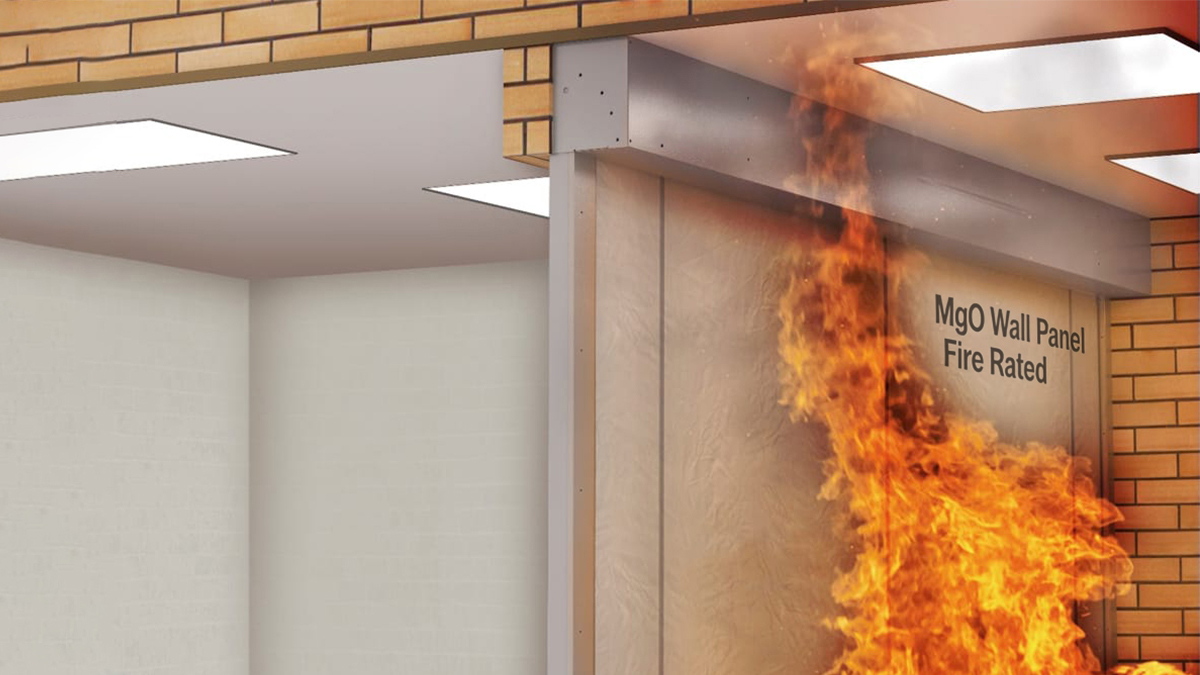
 Safety and Codes
You want everyone inside your building to be safe. Fire resistant sheathing helps protect people. It slows down flames and heat. This gives you more time to escape. You help people get out safely during emergencies.
Fire resistant sheathing slows down flames. You get extra minutes to leave.
It cuts down toxic smoke by 60%. This lowers the chance of breathing in smoke.
The material stays strong and looks good after a fire.
Fire resistant sheathing does more than slow fire. It keeps your building safe and strong. You follow strict building codes with it. These codes help keep you and your family safe. You avoid fines and pass inspections easily.
You want the best for your building. Fire resistant sheathing uses special treatments. These treatments change how the material burns. They make a layer that blocks heat. This makes it harder for fire to start and spread. You can slow flames by 75%. Firefighters get more time to help.
Insurance and Value
You want to save money and protect your building. Fire resistant sheathing helps you do both. Insurance companies like buildings with fire resistant sheathing. They see your building as safer. You pay less for insurance.
Benefit | Impact on Insurance Premiums |
|---|---|
Use of non-combustible materials | Lowers fire risk, so you pay less for insurance |
Compliance with building codes | Makes your building safer for insurance companies |
Long-term coverage benefits | You get lower insurance costs over time |
You also make your property worth more. Buyers want homes that are safe. They look for fire resistant sheathing in walls and roofs. Your building stands out. You show you care about safety and quality.
Pick fire resistant sheathing for every project. You keep people safe, save money, and make your property worth more.
Fire Rated Sheathing Board Comparison Criteria
Fire Resistance Ratings
You want to know how well each board protects your building. Fire resistance ratings show how long fire resistant sheathing can hold back flames and heat. These ratings use tests like ASTM E84 and UL 723. You should look for boards with high fire resistance ratings. They give you more time to escape and help firefighters save your property.
Component Type | Description |
|---|---|
Fire-Retardant Sheathing | Meets ASTM E84 or UL 723 standards for fire resistance ratings |
Gypsum Board Layering | Two layers of 5/8-inch Type X gypsum board provide strong fire protection |
Insulation as Fire Protection | Mineral wool insulation boosts fire resistance ratings |
Choose boards with proven fire resistance ratings. You get the best protection for your home or business.
Durability and Weather
You want your fire resistant sheathing to last through storms and harsh weather. Durability matters. Some boards, like MgO panels, resist wetting and drying with almost no change. Others, like OSB, lose up to 40% strength when wet. You should pick boards that stand up to freeze-thaw cycles and long exposure.
Test Type | Innovation MgO Panels | OSB Panels | Plywood Panels | Gypsum Panels |
|---|---|---|---|---|
Resistance to Wetting-Drying | 40% | 9% | 36-52% | |
Freeze-Thaw Cycle Performance | Designed for cycles | N/A | N/A | N/A |
Exposure Rating | 180 days | 30 days | N/A | N/A |
Pick fire resistant sheathing that stays strong in all weather. You protect your investment.
Cost and Value
You want the best value for your money. Fire resistant sheathing costs more than regular boards, but you get extra safety and lower insurance. MgO boards cost $1.50 to $3.50 per square foot. OSB costs less, but does not protect as well.
Material Type | Cost per Square Foot | Cost for 4×8 ft Sheet |
|---|---|---|
Fire-rated (MgO Board) | $1.50 – $3.50 | $48.00 – $80.00 |
Non-fire rated (OSB) | $0.50 – $1.00 | $16.00 – $32.00 |
Spend a little more on fire resistant sheathing. You save money in the long run.
Installation
You want easy installation. Some fire resistant sheathing boards are heavy or need special tools. Others install quickly. You should ask your builder about the best choice for your project. Quick installation saves you time and labor costs.
Environmental Impact
You care about the planet. Fire resistant sheathing can be eco-friendly. Look for boards with EPD certification and low-carbon production. Siniat Fire Board and Gyproc FireLine are good choices.
Product Name | Certification Type | Environmental Impact Data | Production Method |
|---|---|---|---|
Siniat Fire Board | Verified | Low-carbon | |
Gyproc FireLine 15 mm | EPD-certified | Verified | Low-carbon |
Choose fire resistant sheathing with green certifications. You help protect the environment.
Top Fire Rated Sheathing Boards for 2026
Sulfycor Fire Rated Sheathing Board
 Sulfycor Fire Rated Sheathing Board
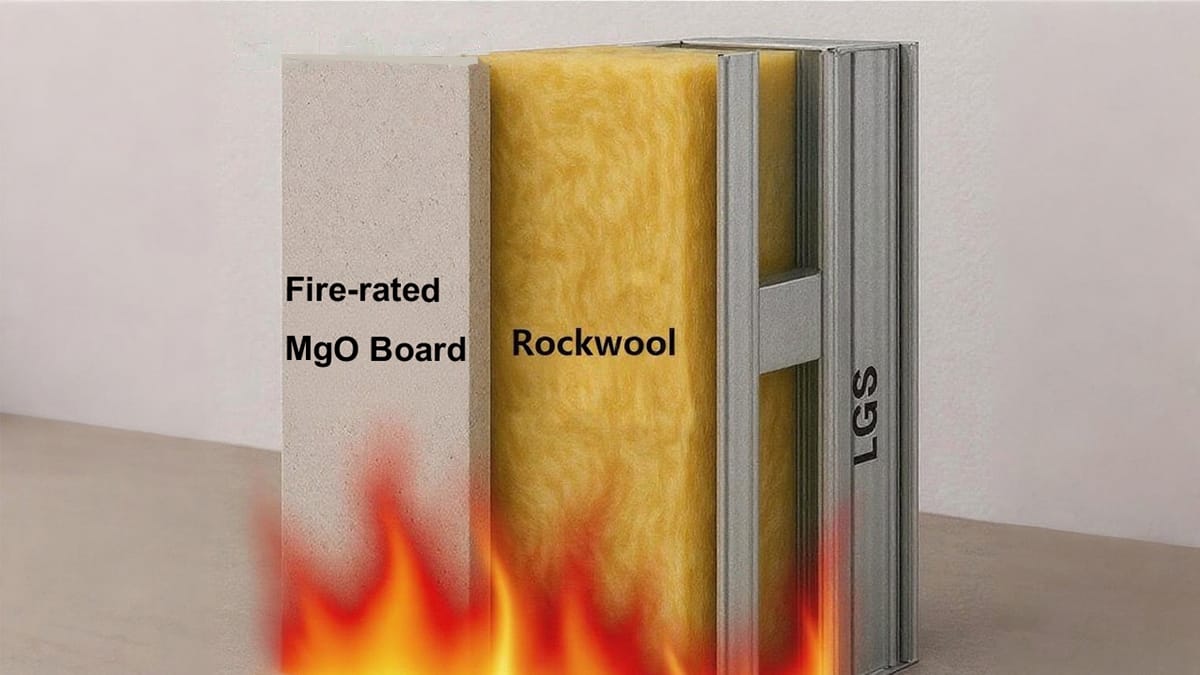
You want a board that does more than stop fire. Sulfycor is one of the best fire resistant sheathing brands. It does not burn easily, so your building is safer. You can use Sulfycor in wet places because it keeps water out. You do not have to worry about termites or mold. This board lasts a long time and stays strong in bad weather. Sulfycor uses green materials, so you help the earth.
Feature | Description |
|---|---|
Non-combustibility | This material does not burn easily, so it is safer. |
Water resistance | It keeps out water, so it works in many places. |
Health safety | It is safe for homes and businesses, so you worry less. |
Termite proofing | Bugs like termites cannot hurt it, so it lasts longer. |
Environmental friendliness | It uses green materials, so it is better for the earth. |
Fungus resistance | It stops mold from growing, so it is good for wet places. |
High durability | It can take hits and bad weather, so it stays strong. |
Strength | It is stronger than most other sheathing materials. |
Strengths:
You get top fire resistance, water resistance, and durability.
You protect your building from bugs and mold.
You choose a healthy and green option.
Weaknesses:
You may pay more for these features.
Ideal Use Cases:
You want the best for homes, schools, or hospitals.
You build in wet or termite-prone areas.
Magboard Fire Rated Sheathing Board
You want a board that helps you feel safe. Magboard has an A1 Fire Rating, so it is very fire resistant. You can use it in damp places because it fights moisture, mold, and mildew. Magboard stays strong and does not need many repairs.
Strengths | Description |
|---|---|
Exceptional Fire Resistance | Magpanel holds an A1 Fire Rating, demonstrating its superior fire resistance. |
Moisture Resistance | Highly resistant to moisture, mold, and mildew, making it ideal for damp environments. |
Durability | Exhibits excellent dimensional stability, reducing the need for repairs or replacements over time. |
Weaknesses:
You need special ways to install it.
You may have corrosion problems because of what it is made of.
Ideal Use Cases:
You build in wet or humid climates.
You want a strong, fire resistant wallboard for homes or businesses.
LP FlameBlock Sheathing
You want a board that is easy to install and works for many jobs. LP FlameBlock uses a fire-resistant coating on OSB. It meets fire codes and makes walls and roofs stronger. You can use it for houses or big buildings.
Strengths:
You get good fire resistance and strong walls.
You can install it with regular tools, so it is fast.
Weaknesses:
You may need extra sealing in wet places.
You may pay more than for regular OSB.
Ideal Use Cases:
You want fire rated plywood for walls, roofs, or floors.
You need a board for homes or big buildings.
PyroGuard Plywood
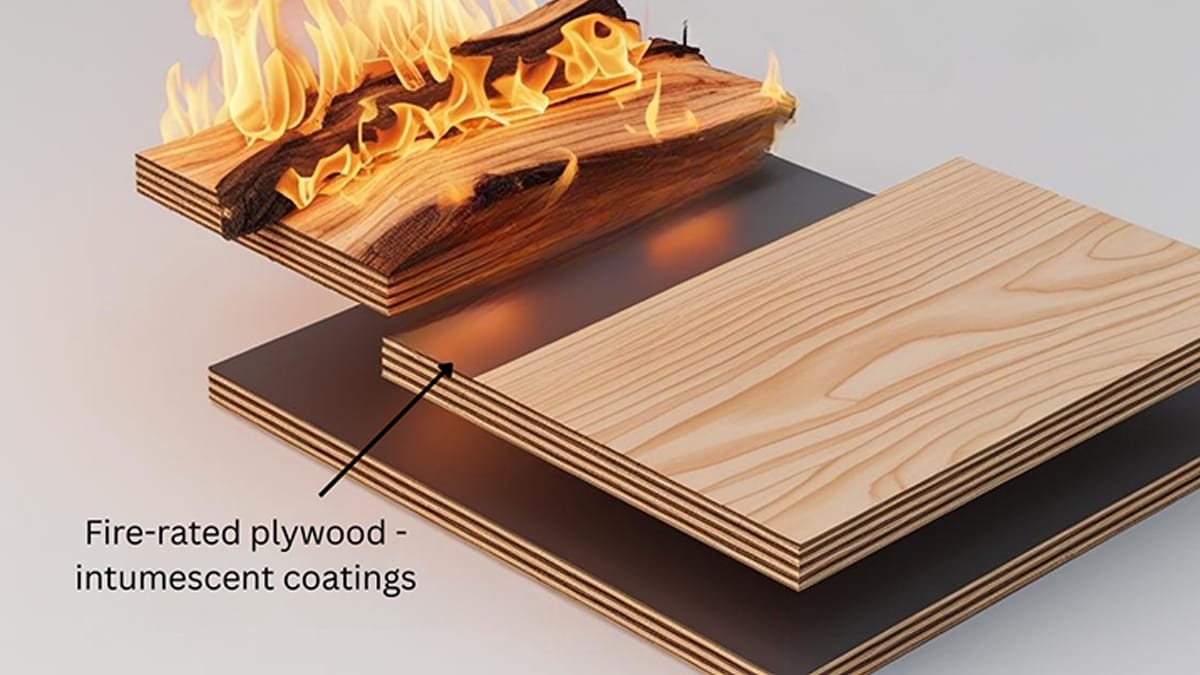 You want a fire rated plywood that saves money and keeps you safe. PyroGuard Plywood has a Class B flame spread rating under ASTM E-84. It gives strong fire resistance at a lower price than other boards. You can use it for inside walls, floors, and roofs. You meet safety rules without spending too much.
PyroGuard Plywood is known for saving money and stopping fire. It has a Class B flame spread rating from ASTM E-84. It costs less than boards like ExteriorFireX and FlamePRO. It works well for inside jobs and still meets safety rules.
Strengths:
You get good fire resistance for less money.
You meet building codes for safety.
Weaknesses:
You should not use it outside in wet places.
You may need to check if it is approved in your area.
Ideal Use Cases:
You want cheap fire rated plywood for inside walls, floors, or ceilings.
You need to meet fire codes without spending a lot.
ArmorWall SP Plus
You want a board that works for tough jobs. ArmorWall SP Plus uses a 1/2″ layer of Magnesium Oxide (MgO) for strong fire resistance and durability. You can install it in bad weather. When you seal the seams and fasteners, you can start inside work right away.
Feature | Description |
|---|---|
Fire Resistance | Utilizes a 1/2″ layer of Magnesium Oxide (MgO) sheathing, providing top-of-the-line fire resistance and durability. |
Weather Resilience | Can be installed and cured in harsh weather conditions, proving functionality in all outdoor environments. |
Installation Ease | Once seams and fasteners are sealed, the enclosure is considered ‘dried-in’, allowing for interior construction to begin regardless of the exterior finish status. |
The insulation layer meets rules for continuous insulation.
It works with many claddings and attachments without extra framing.
The five-in-one system saves money, time, and work.
Strengths:
You get fast installation and strong fire resistance.
You save time and money on big jobs.
Weaknesses:
You may pay more at first.
You may need trained workers to install it.
Ideal Use Cases:
You build big homes or commercial buildings.
You want a board that works in any weather.
Gold Bond eXP Fire-Shield
You want a board that is safe for people and the planet. Gold Bond eXP Fire-Shield meets strict air quality rules. It has California Specification 01350 and UL GREENGUARD Gold Certification, so it has low chemical emissions.
Certification | Description |
|---|---|
California Specification 01350 | Qualifies as a low-VOC emitting material. |
UL GREENGUARD Gold Certification | Achieves certification for low chemical emissions into indoor air during product usage. |
Strengths:
You get strong fire resistance and healthy air inside.
You meet green building standards.
Weaknesses:
You may need extra care when installing in wet places.
You may pay more for certified boards.
Ideal Use Cases:
You want a board for schools, hospitals, or green homes.
You care about clean indoor air.
Gypsum Sheathing
You want a classic wallboard that builders trust. Gypsum sheathing gives reliable fire resistance and is easy to install. You can use it for walls and roofs in homes and offices. It meets most building codes and works with many finishes.
Strengths:
You get proven fire resistance.
You can install it easily with common tools.
Weaknesses:
It may get damaged if it gets wet.
You may need extra support for heavy loads.
Ideal Use Cases:
You want fire resistant wallboard for inside or outside walls.
You need a board that works with many types of siding.
FRCC OSB Sheathing
You want a fire rated plywood that is strong and safe. FRCC OSB sheathing uses a special coating to slow flames. It works for walls, roofs, and floors. You can use it in homes or big buildings.
Strengths:
You get good fire resistance and strong support.
You can install it with regular tools.
Weaknesses:
You may need to seal the edges for best results.
You may pay more than for regular OSB.
Ideal Use Cases:
You want fire rated plywood for walls, roofs, or floors.
You need a board for many building types.
Pick one of these top fire resistant sheathing brands to keep your building safe, save money, and meet codes. You get peace of mind and lasting value with the right fire rated sheathing board.
Fire Resistant Sheathing Performance Comparison
Fire Test Results
 Fire Test Results
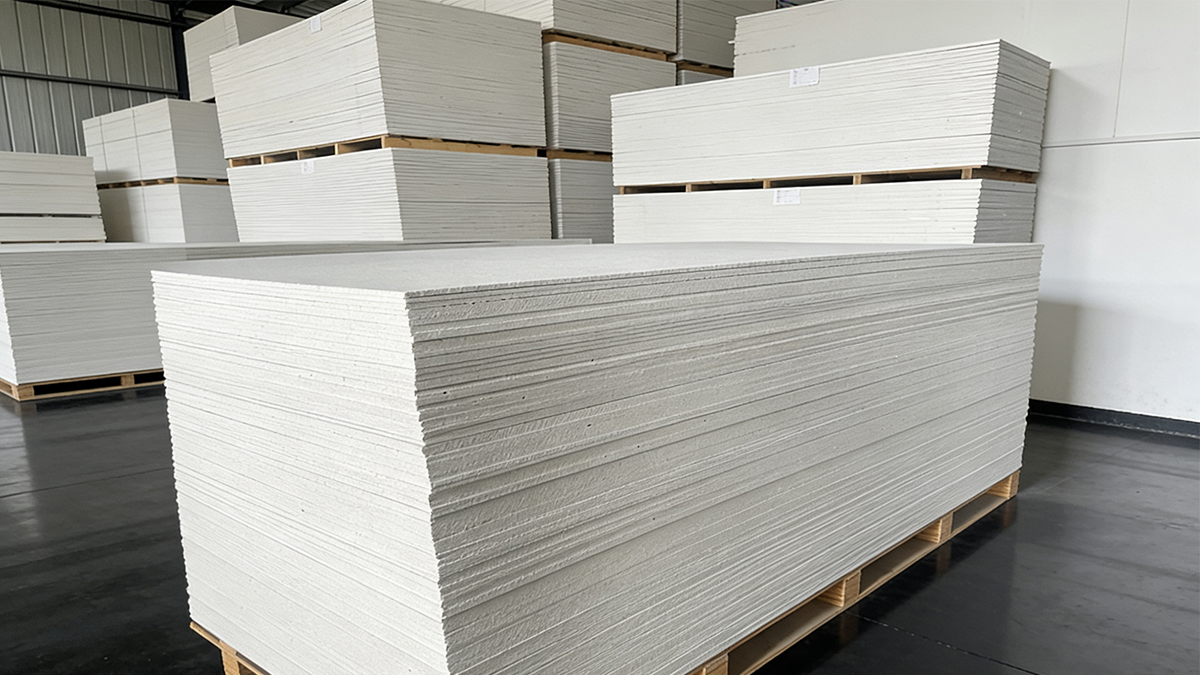
You want proof that fire resistant sheathing works. Top boards pass tough tests like UL 055 and ASTM. These tests show how long a board can stop fire. Many leading products earn a Class A rating and withstand heat up to 1472°F (800°C). Some, like Arclin’s Firepoint, go even further with a 90-minute fire resistance rating. This beats standard code by over 50%. You get more time to escape and protect your property.
Property | Test/Standard | Result/Rating |
|---|---|---|
Fire Resistance | UL 055, ASTM | Class A; up to 1472°F (800°C) |
Arclin’s Firepoint sheathing holds a 90-minute fire resistance rating.
This rating exceeds code requirements by about 53%.
Longevity and Maintenance
You want your investment to last. Fire resistant sheathing made from MgO gives you high strength and durability. You spend less time on repairs because it resists fire, moisture, and mold. Traditional gypsum, OSB, and plywood need more care. They can rot or grow mold, which means more work for you.
MgO sheathing lasts longer and needs less maintenance.
Gypsum, OSB, and plywood may need repairs from rot or mold.
Cost Breakdown
You want to know where your money goes. Fire resistant sheathing costs more at first, but you save later. You pay less for repairs and insurance. Boards with higher fire rated performance give you better value over time. You protect your building and your wallet.
Installation Factors
You want the best results from your fire resistant sheathing. You must check moisture levels before you install. Too much moisture can weaken fire protection. Seal all seams and joints to block fire and smoke. Always follow the manufacturer’s instructions for top fire rated performance.
Seal seams and joints well.
Follow all manufacturer instructions.
Sustainability
You care about the planet. Many fire resistant sheathing boards earn green certifications. Gold Bond eXP Fire-Shield holds GREENGUARD and HPD certifications. These show you get safer air and a healthier building.
Product Name | Certifications |
|---|---|
Gold Bond eXP Fire-Shield | GREENGUARD, GREENGUARD Gold, HPD |
Gold Bond eXP Sheathing | GREENGUARD, GREENGUARD Gold, HPD |
Gold Bond eXP Shaftliner | GREENGUARD Gold, HPD |
Gold Bond eXP Fire-Shield Tile Backer | GREENGUARD Gold, GREENGUARD Anti-microbial, HPD |
Choose fire resistant sheathing for safety, savings, and a greener future. You make a smart choice for your building and the environment.
Fire Rated Sheathing Board Comparison Table
Quick Reference Table
You want to pick the best board for your building. This table lets you compare top fire rated sheathing boards for 2026. You can check features, strengths, weaknesses, and uses quickly. The table helps you choose the right board for your project.
Tip: Keep this table for your next build. You will have all the facts in one spot!
Board Name | Fire Rating | Strengths | Weaknesses | Best For |
|---|---|---|---|---|
Sulfycor | Class A | Top fire, water, and bug resistance; eco-friendly | Higher cost | Wet, termite-prone, or green builds |
Magboard | A1 | Superior fire and moisture resistance; durable | Needs special install; corrosion risk | Humid climates, strong walls |
LP FlameBlock | Class A | Easy install; strong structure | Needs extra sealing in wet areas | Walls, roofs, floors (all sizes) |
PyroGuard | Class B | Affordable; meets codes | Not for wet/outdoor use | Interior walls, floors, ceilings |
ArmorWall SP Plus | Class A | Fast install; all-weather use | Higher upfront cost; trained labor | Large homes, commercial buildings |
Gold Bond eXP | Class A | Low VOC; green certifications | Needs care in wet spots; higher price | Schools, hospitals, green homes |
Gypsum Sheathing | Class A | Reliable; easy to install | Can get damaged by water | Walls, roofs, many finishes |
FRCC OSB | Class A | Strong; easy to use | Needs edge sealing; higher cost | Walls, roofs, floors (all types) |
The table gives you facts to compare each board.
You can see which board fits your budget and climate.
You can pick the safest board for your home or business.
Pick the board that works for your project. You keep your building safe, save money, and follow the rules.
Choosing the Right Board
Residential vs. Commercial
 Residential vs. Commercial
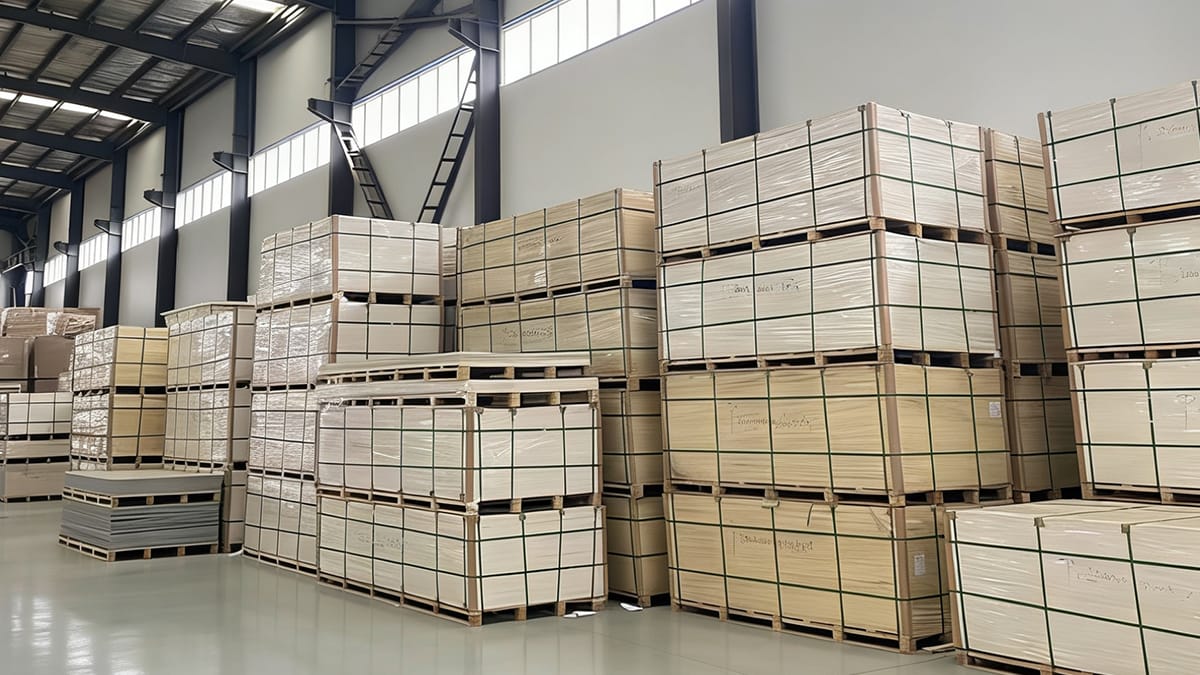
You need to pick the right board for your project. Homes and businesses need different things. The table below shows what is important for each:
Feature | Residential Applications | Commercial Applications |
|---|---|---|
Material Composition | Wood-based products | Glass Mat Gypsum |
Installation | Requires more labor | Easier to install |
Varies by product | UL-classified Type X | |
Resistance to Insects | Susceptible | Not susceptible |
Cost Efficiency | Higher costs | Cost-efficient |
Wood-based boards are good for homes. They look natural and are strong. Glass mat gypsum is better for offices or schools. It gives better fire safety and is faster to put in. You also save money on big jobs.
Tip: Pick the board that fits your building. You get the best safety and save money.
Climate and Region
Think about the weather where you live. Some boards work better in certain places. You want your building to last a long time.
Look at your local weather. Some boards do better in heat or wet places.
OSB is good for wet areas. It keeps water out and walls strong.
Foam board insulation is best for cold places. It keeps heat inside and saves energy.
You protect your building when you choose the right board for your area.
Code Compliance
You want your building to pass all checks. You must follow fire safety rules in 2026. The table below shows what you need to know:
Compliance Requirement | Description |
|---|---|
Fire-resistant materials | Boards must withstand fire exposure. |
Fire testing standards | Boards must pass strict fire tests. |
Certifications | Look for SFM 12-7A-1, UL 263, or ASTM E119. |
Non-combustible materials | Boards must meet ASTM E136. |
WUI Product Index ratings | Check your region’s rating needs. |
Fire-resistant walls, roofs, and decks
Ember-resistant vents and openings
Non-combustible or ignition-resistant materials
Sealed gaps to keep embers out
Always check your local rules before you buy. You avoid problems and keep your building safe.
You want the safest and smartest choice for your building. Sulfycor and Magboard work best for wet climates and green projects. LP FlameBlock and FRCC OSB fit homes and large buildings. Gold Bond eXP and ArmorWall SP Plus suit schools and commercial spaces. Match each board to your needs and local codes.
Always ask a building expert before you decide. You protect your investment and keep everyone safe.
FAQ
What is the main benefit of fire rated sheathing?
You get extra time to escape during a fire. Fire rated sheathing slows flames and heat. You protect your family and property. You also meet building codes and lower insurance costs.
Can you install fire rated sheathing yourself?
You can install some boards with basic tools. Always follow the manufacturer’s instructions. For complex jobs, hire a pro. You get the best safety and performance that way.
Does fire rated sheathing cost more?
Yes, you pay more upfront. You save money over time. You avoid costly repairs and lower your insurance. You also boost your home’s value. The investment pays off.
Which board works best in wet climates?
Sulfycor and Magboard resist water and mold. You get strong protection in damp areas. Choose these boards for bathrooms, basements, or coastal homes.
How do you know if a board meets fire codes?
Check for labels like ASTM E119 or UL 263. You see these on the product or packaging. Ask your supplier for proof. You ensure your project passes inspection.