
19 Feb What You Should Know About Fire Rated Sheathing Boards
A fire rated sheathing board protects your building by slowing the spread of flames. You use a fire rated sheathing board to meet strict fire safety rules in construction. This board acts as a barrier, giving you more time to escape during a fire. Fire safety is important because it helps save lives and reduces damage. When you choose a fire rated sheathing board, you make your home or business safer. Some boards, like Mgo Sheathing, offer extra protection. You should always think about fire safety when building or renovating. Fire rated sheathing board products help you stay compliant and secure.
Key Takeaways
Fire rated sheathing boards help slow down fire. This gives people more time to get out safely. Always look at the fire rating and certification of boards. This makes sure they are safe to use. Use fire rated sheathing boards in risky places like kitchens, walls, and ceilings. This helps keep everyone safer. Picking fire rated materials can lower insurance costs. It also helps you follow building rules. Fire rated boards protect lives. They also help stop property damage if there is a fire.
Fire Rated Sheathing Board Basics
What Is a Fire Rated Sheathing Board
You see fire rated sheathing boards in many buildings. These boards help slow the spread of fire. You use fire-rated plywood and other fire-resistant boards to protect walls, roofs, and floors. Fire-rated plywood is a type of fire-resistant board that meets strict rating standards. You find fire-rated plywood in homes, schools, and offices. Fire-rated plywood and other fire-resistant boards have a special rating that shows how well they resist fire. You can check the rating on the label or in the product details.
Fire-rated plywood and other fire-resistant boards use different materials. Some boards use OSB, which stands for oriented strand board. LP® FlameBlock® Fire-Rated Sheathing uses OSB designed to resist flame spread and burn-through. You also find fire-resistant boards made with magnesium oxide. Magnesium oxide is strong and resists fire. It contains inorganic materials and glass fiber mesh. These features make magnesium oxide fire-resistant boards a good choice for fire-rated applications. Some fire-resistant boards use a coating called Pyrotite cementitious material. This coating makes the board more fire-resistant and helps meet building codes.
You see fire-rated plywood and other fire-resistant boards tested for safety. The rating tells you how long the board can resist fire. You should look for fire-resistant boards with a high rating. You also need to check for certifications. The most common standard is ASTM E108. You can see the certification in the table below:
Standard | Certification Required | Scope |
|---|---|---|
ASTM E108 | ETL or Warnock Hersey (WH) mark | Evaluates roof coverings for fire response in residential and commercial applications. |
Core Purpose and Features
You use fire-rated plywood and other fire-resistant boards to protect your building. The main purpose is to slow down fire and give people more time to escape. Fire-resistant boards help keep the structure safe. You find fire-resistant boards in walls, ceilings, and roofs. Fire-rated plywood and other fire-resistant boards have a special rating that shows how well they resist fire. You should always check the rating before you buy fire-rated plywood or other fire-resistant boards.
Fire-resistant boards have many features. You see fire-rated plywood with a special coating that helps resist flames. Some fire-resistant boards use magnesium oxide for extra strength. You also find fire-resistant boards with glass fiber mesh. These features make fire-resistant boards strong and durable. Fire-rated plywood and other fire-resistant boards help meet building codes. You need fire-resistant boards in places where fire safety is important.
You see fire-resistant boards used in homes, offices, and restaurants. Fire-rated plywood and other fire-resistant boards protect people and property. You should use fire-resistant boards in areas with high fire risk. Fire-rated plywood and other fire-resistant boards help you stay safe and compliant. You can choose fire-resistant boards based on the rating and the materials used.
Tip: Always check the rating and certification before you buy fire-rated plywood or other fire-resistant boards. This helps you make sure your building meets fire safety rules.
You find fire-resistant boards in many types. Fire-rated plywood is common, but you also see gypsum boards. Gypsum is a material that resists fire. You use gypsum boards in walls and ceilings. Gypsum boards have a fire rating that shows how well they resist fire. You should use gypsum boards in places where fire safety matters. Fire-resistant boards like gypsum help slow down fire and protect your building.
Fire-rated plywood and other fire-resistant boards give you peace of mind. You know your building is safer with fire-resistant boards. You can trust fire-rated plywood and other fire-resistant boards to help protect lives and property. Fire-resistant boards are a smart choice for any construction project.
How Fire Rated Sheathing Boards Resist Fire
 Chemical Treatments and Protective Layers
 Chemical Treatments and Protective Layers
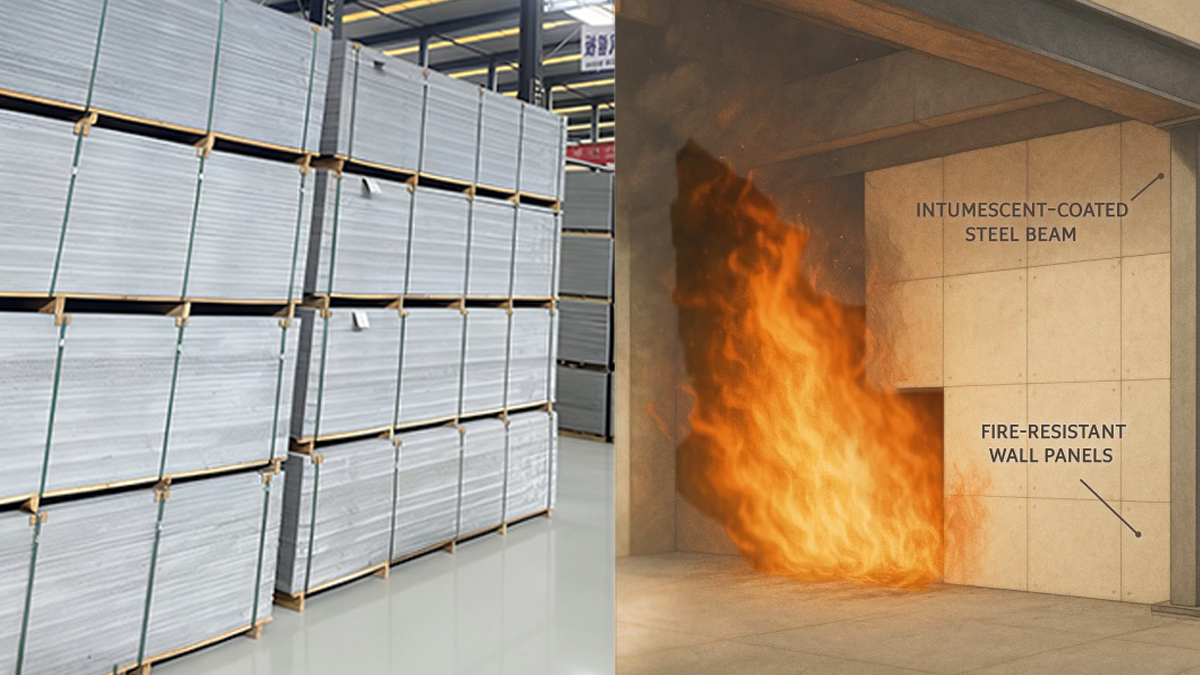
Fire rated sheathing boards help slow down fire in buildings. Makers add special chemicals and layers to make these boards work better. These chemicals stop the boards from catching fire easily. The layers also slow down how fast flames move across the board. Boards get tested for flame spread rating. This rating shows how quickly fire can travel. If the rating is lower, the board stops fire better.
You can see how protective layers work in this table:
Evidence Type | Description |
|---|---|
Charring Effect | Makes a char layer that keeps heat and oxygen away from inside layers. This slows burning. |
Reduced Flammable Gases | Chemicals break down into water vapor and safe gases. This helps stop fire from spreading. |
Smoke Suppression | Special formulas make less smoke. This helps people escape safely. |
Performance Verification | Boards get tested with ASTM E84. Class A boards have a flame spread rating of 25 or less. |
These features help keep fire from moving fast. The layers block heat and oxygen. This slows down burning. Less smoke makes it safer to leave the building during a fire. If you pick boards with a low flame spread rating, your home or business is safer.
Tip: Always look at the flame spread rating before you buy fire rated sheathing boards. Lower ratings mean better fire protection.
Char Layer and Water Vapor Release
Fire rated sheathing boards have another key feature called the char layer. When fire hits the board, the surface turns into a char layer. This layer acts like a shield. It stops heat from getting inside the board. The char layer slows heat and keeps the board strong during a fire. You get more time to leave the building because the char layer slows the fire.
Some boards, like magnesium oxide (Mgo) sheathing, release water vapor when heated. The steam cools the board and the air nearby. This cooling slows down the fire and helps control flames. Water vapor takes in heat and makes a barrier. This stops fire from moving fast. You get extra time to protect your things.
Here is how these features work together to keep you safe:
The char layer blocks heat and keeps the board strong.
Water vapor cools the area and slows fire down.
Chemicals make less smoke and fewer flammable gases.
A low flame spread rating means the board fights fire better.
Note: Fire rated sheathing boards give you more time to escape. They help firefighters control fires. These features save lives and protect property.
Always pick fire rated sheathing boards that work well. Boards with a low flame spread rating, strong char layer, and water vapor release give the best safety. You make your building safer and follow fire safety rules when you choose the right boards.
Importance for Safety and Compliance
Meeting Building Codes
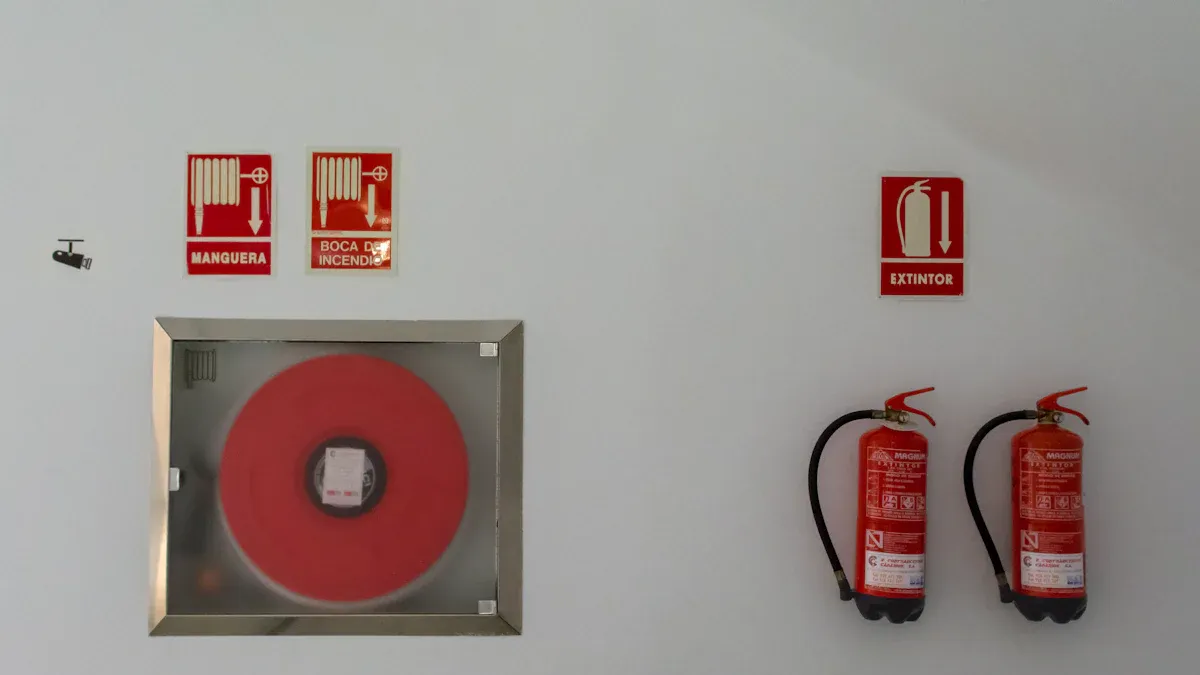
Builders must follow fire safety rules. Fire rated sheathing boards help you follow these rules. These boards help you meet building codes. There are different standards for fire safety. Here are some important standards:
Standard | Purpose |
|---|---|
ASTM E136 | Checks if materials do not burn easily. |
ASTM E119 | Tests how long assemblies resist fire. |
NFPA 285 | Makes sure outside walls meet fire rules. |
You use fire-resistant materials to pass these tests. Fire-rated assemblies must meet these standards to keep buildings safe. Picking fire-resistant materials helps your project follow fire codes. It also lowers risks and makes inspections easier.
Tip: Always check if your boards meet the right standards before you build.
Protecting Property and Lives
Fire can spread fast in a building. You need fire-resistant materials to slow it down. Fire rated sheathing boards give you extra protection. They help walls and ceilings stay strong during a fire. Type x drywall and fire-retardant treated wood are good examples.
Fire-resistant drywall helps keep people safe. It gives more time to escape and for help to arrive.
Fire-resistant plywood stays strong longer in a fire. It helps stop ceilings or walls from falling right away.
This strength gives you more time to get out safely.
Using fire rated sheathing boards protects your things and saves lives. Better fire safety means more time to escape and more time for firefighters to help.
Applications in Homes and Commercial Buildings
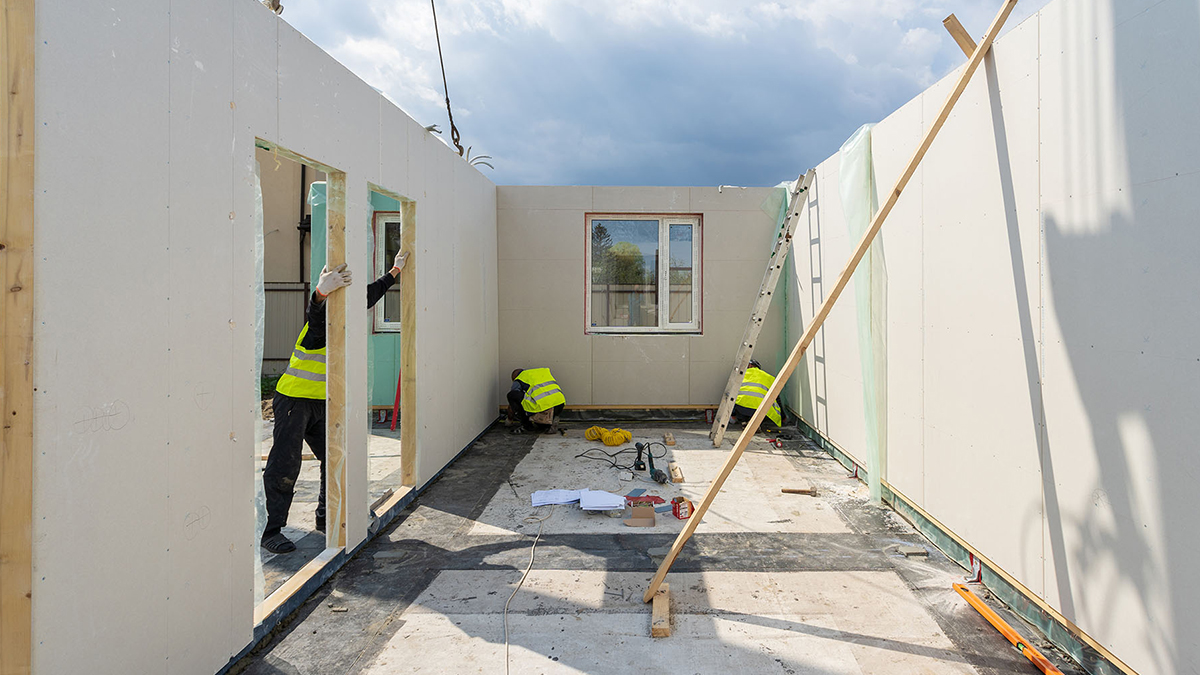
You see fire rated sheathing boards in homes, schools, and offices. Builders use fire-resistant materials where safety is important. You find these boards in walls, roofs, and floors. They help meet fire safety needs in many buildings.
You use fire rated sheathing boards in places with high fire risk. Fire-resistant materials work well in kitchens, halls, and stairs. You also see fire rated assemblies in big buildings to protect many people. Fire rated sheathing boards help make safer spaces for everyone.
Note: Fire rated sheathing boards are a smart choice for any building. You make buildings safer and follow fire safety rules when you use them.
When to Use Fire Rated Sheathing Boards
Code-Mandated Areas
You have to use fire rated sheathing boards in some parts of a building. Building codes say these boards are needed to keep people safe. These boards protect property and help stop fire from spreading. You often see fire rated sheathing boards in places where safety matters most. The table below shows where you need them and why:
Area | Purpose |
|---|---|
Walls | To stop fire from spreading and protect exits |
Ceilings | To keep important parts of the building safe |
Floors | To make the building stronger against fire |
If you skip fire rated sheathing boards where the code says, you can get in trouble. You might have to pay fines or face legal issues. More importantly, you put people in danger. Without these boards, fire spreads faster. This makes it harder for people to get out and for firefighters to help. Your building can also get more damage.
Tip: Always check your local building codes before you start building. This helps you use fire rated sheathing boards in the right spots.
Recommended Environments (Offices, Restaurants)
You should use fire rated sheathing boards in places where lots of people gather. These boards help keep everyone safe. Offices, restaurants, and public spaces need extra fire protection. The table below shows where you can use these boards:
Environment Type | Applications |
|---|---|
Commercial Buildings | Wall panels and office furniture |
Kitchens | Cabinets and countertops |
Public Spaces | Doors and walls in areas with fire risk |
In busy places, fire rated sheathing boards give you more time to leave safely. They slow down fire and make less toxic smoke. You get extra minutes to escape. These boards use special chemicals that make a char layer. The char layer needs more heat to burn, so fire moves slower. Some boards, like fire-resistant Melamine Plywood, can lower toxic gas by up to 60% compared to regular wood. This makes the air safer for everyone.
Fire rated sheathing boards slow flames and give you more time to escape.
They make less toxic smoke, so people can breathe better during a fire.
Their special design makes it harder for fire to start and spread.
You make your building safer when you use fire rated sheathing boards in busy places. You protect people and property by picking the right materials.
Benefits Compared to Standard Sheathing
Enhanced Fire Safety
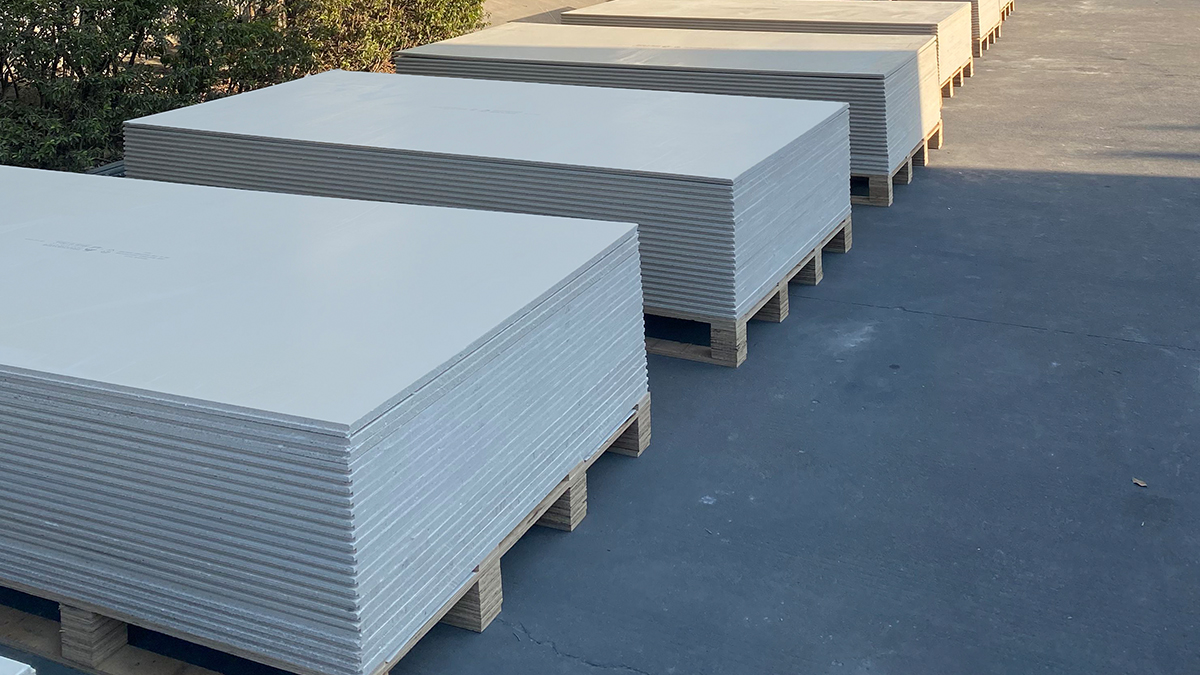 Enhanced Fire Safety
Fire rated sheathing boards protect better than regular boards. These boards slow fire and stop heat from moving fast. Walls and ceilings stay strong longer during a fire. This helps people get out safely. The table below shows how wallboard types work:
Wallboard Type | Fire Resistance | Typical Uses |
|---|---|---|
Type X | 1-4 hours | Fire-rated walls, barriers, ceilings |
Type C | Over 2 hours | Ceilings, high-demand firewalls |
Magnesium Wallboard | A1, up to 1200°F | Fire barriers, outside fire-rated walls |
Specialty Boards | Varies | Data centers, hospitals, outside walls |
Fire rated boards give you more time to escape. They help keep walls and ceilings from falling. You also have less damage to fix after a fire. Here are some important benefits:
You follow fire codes and insurance rules.
Fire moves slower and less heat gets through.
People have extra time to leave safely.
Building parts are less likely to fall down.
You fix less damage after a fire.
Note: Fire rated sheathing boards help save lives and protect property. They make buildings safer for everyone.
Durability and Insurance Advantages
Fire rated sheathing boards do more than protect from fire. These boards last longer and handle tough weather. Insurance companies like strong, fire-resistant materials. You might pay less for insurance if your building is safer.
Fire rated sheathing slows fire and heat, giving people more time to leave.
Your building meets safety codes, so insurance can cost less.
Insurance companies may give discounts for good fire protection.
Buildings with fire rated plywood and metal framing can be cheaper to insure.
You could save up to 43% on insurance by using non-combustible materials.
Tip: Ask your insurance company about discounts for fire rated sheathing boards. You might save money and protect your building.
Choosing fire rated sheathing boards is smart. You get better safety, stronger buildings, and possible insurance savings.
You help keep your building safe by using fire rated sheathing boards. Builders like to use these boards for many reasons. They make fires move slower and help stop flames. The boards also keep the building strong if there is a fire. You can follow fire safety rules when you use them.
These boards slow down fire and help protect people.
They keep walls and roofs strong during a fire.
You can meet fire codes with these boards.
Feature | Benefit |
|---|---|
Helps protect the frame and slows fire. | |
Type X Core | Passes tough safety tests. |
UL Designs | Gets approval for building safety. |
Tip: Pick materials that do not burn, check the fire rating, and seal every seam when you put the boards in. Always follow the maker’s steps for the best safety.
FAQ
What is the main difference between fire rated and regular sheathing boards?
Fire rated sheathing boards slow down fire. Regular boards do not have this feature. You get more time to escape with fire rated boards.
How do you know if a board is fire rated?
You should check the label or product details. Look for a fire rating or certification, such as ASTM E108 or ASTM E119.
Where should you install fire rated sheathing boards?
You should use fire rated sheathing boards in walls, ceilings, and floors. Install them in areas where fire safety matters most, like exits and kitchens.
Can you cut and install fire rated sheathing boards like regular boards?
Yes, you can cut and install them with standard tools. Always follow the manufacturer’s instructions for best results.