
23 Feb A Guide to MgO Sheathing Board and Its Practical Uses
Image Source: unsplash
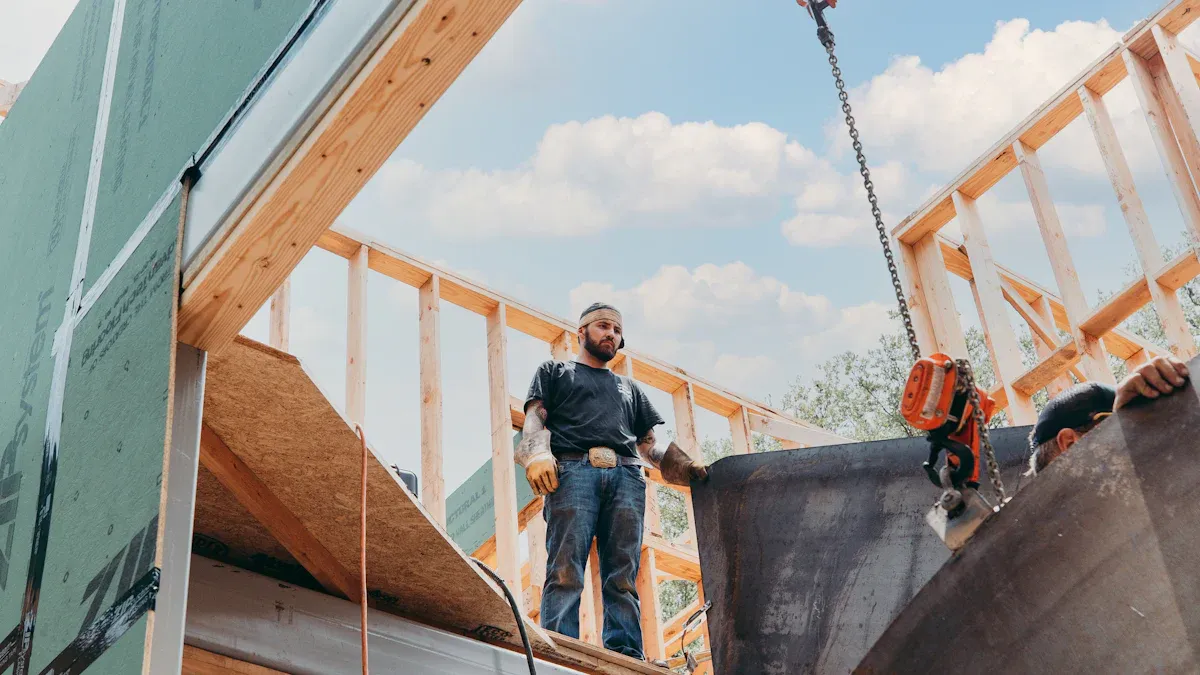
You see mgo sheathing board in many modern buildings. This board uses mgo, a mineral-based material, to create strong and safe walls. Builders choose mgo sheathing because it resists fire, water, and mold. You can use it inside or outside your home. Many professionals pick it for these reasons:
The market for mgo boards in the U.S. is growing fast. By 2025, these boards may cover 37.4% of residential buildings.
People want safer, greener, and longer-lasting options compared to old materials.
Advantage | Description |
|---|---|
Fire Resistance | Mgo sheathing does not burn easily and meets high fire safety standards. |
Moisture and Mold Resistance | Mgo keeps out water and mold, making your space healthier. |
Durability | Mgo sheathing lasts longer and costs less to maintain. |
You make a smart choice when you pick mgo sheathing board for your next project.
Key Takeaways
MgO sheathing board is very good at stopping fire, water, and mold. This makes it a safe choice for many building jobs.
This board is strong and lasts a long time. It does not need much care. This helps you save time and money over the years.
MgO sheathing can be used in many ways. You can use it for walls and ceilings. It also works for special uses in homes and businesses.
Using MgO sheathing board helps keep indoor spaces healthy. It stops mold from growing and helps the air stay clean.
Pick good MgO sheathing to get the best results. This will help your building last longer and work better.
What Is MgO Sheathing Board
 Composition of MgO Board
 Composition of MgO Board
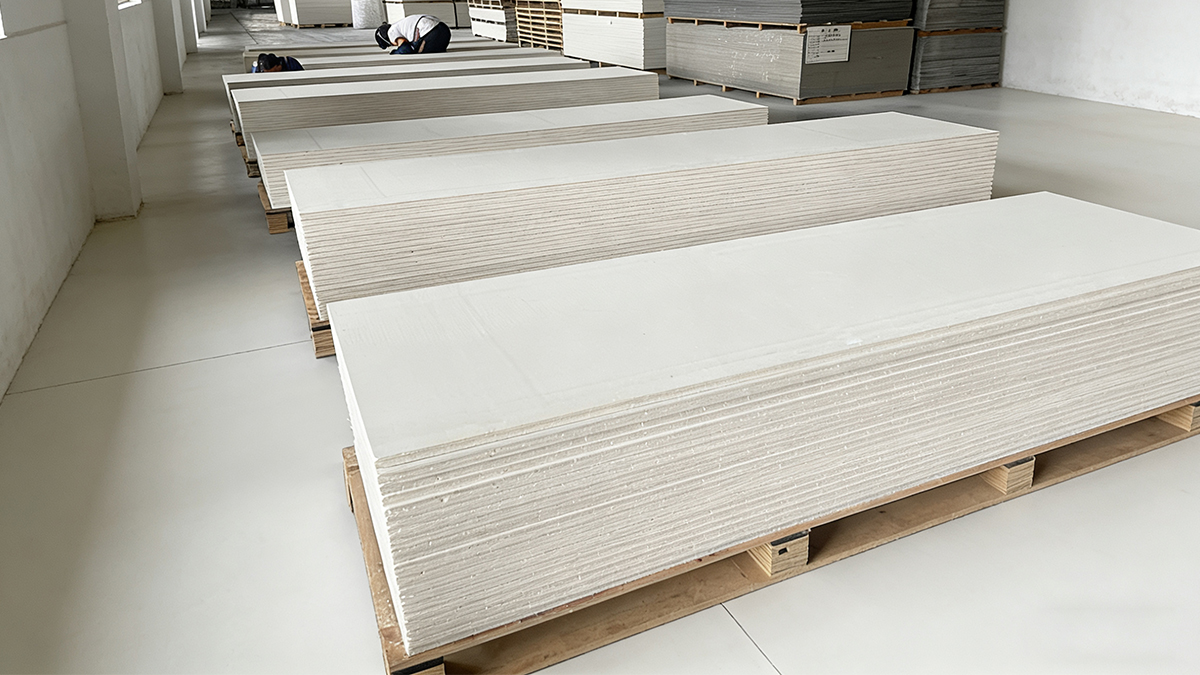
You may wonder what is inside mgo sheathing board. This board is made from minerals and fibers. These parts work together to make a strong surface. The main part is magnesium oxide, called mgo. Makers add other things to make the board work better. Here is what you find in an mgo board:
Magnesium Oxide (MgO)
Magnesium Chloride (MgCl2)
Perlite
Sawdust
Fiberglass Mesh
Each part helps the board in a special way. Magnesium oxide makes the board strong and helps stop fires. Magnesium chloride sticks all the parts together. Perlite and sawdust make the board light and easy to move. Fiberglass mesh gives extra support and stops cracks. When you pick mgo sheathing, you get a board that can handle tough jobs.
Key Properties: Fire, Water, and Mold Resistance
You want building materials that last and keep you safe. Mgo sheathing board has many good features. These features make it better than some other boards. The chemicals in mgo board give it special strengths. Magnesium oxide makes the board strong and helps stop fires. Other minerals like magnesite and dolomite make the board tough and help it block water. The way makers build mgo sheathing also helps it fight fire, water, and mold.
Let’s see how mgo board does in fire tests:
Material | Fire Resistance Duration | Temperature Resistance | Flame Spread Rating (ASTM E84) | Combustibility |
|---|---|---|---|---|
Magnesium Oxide (MgO) Board | Up to 800ºC (1472ºF) | 0/0 (No flame spread, no smoke) | Non-combustible | |
Drywall | About 30 minutes | Moderate | Higher than MgO (flame spreads) | Combustible |
Plywood | Low | Weak in high heat | High (burns easily) | Combustible, burns easily |
You can see mgo sheathing board is great at stopping fire. It does not burn fast and can take a lot of heat. The board also stops flames and smoke from moving, so your space is safer.
Water and mold resistance are important too. Mgo board does not soak up much water—only about 0.34%. Gypsum board takes in more water and can grow mold. Here is a quick chart:
Material | Moisture Absorption | Mold Susceptibility |
|---|---|---|
MgO Board | Very low (approx. 0.34%) | Low |
Gypsum Board | Higher (approx. 3%) | High |
You can count on mgo sheathing to stay strong in wet places. The board fights frost, bugs, and daily use. That makes it a smart pick for schools, hospitals, and homes where you need strong protection.
Tip: Always check the quality of the mgo sheathing board you buy. Too much chloride can cause water problems. Pick a board from a good brand for the best results.
Mgo sheathing board gives you a safe and strong material. You get fire, water, and mold resistance in one board. That is why many builders and homeowners use mgo board for their projects.
MgO Sheathing Board Applications
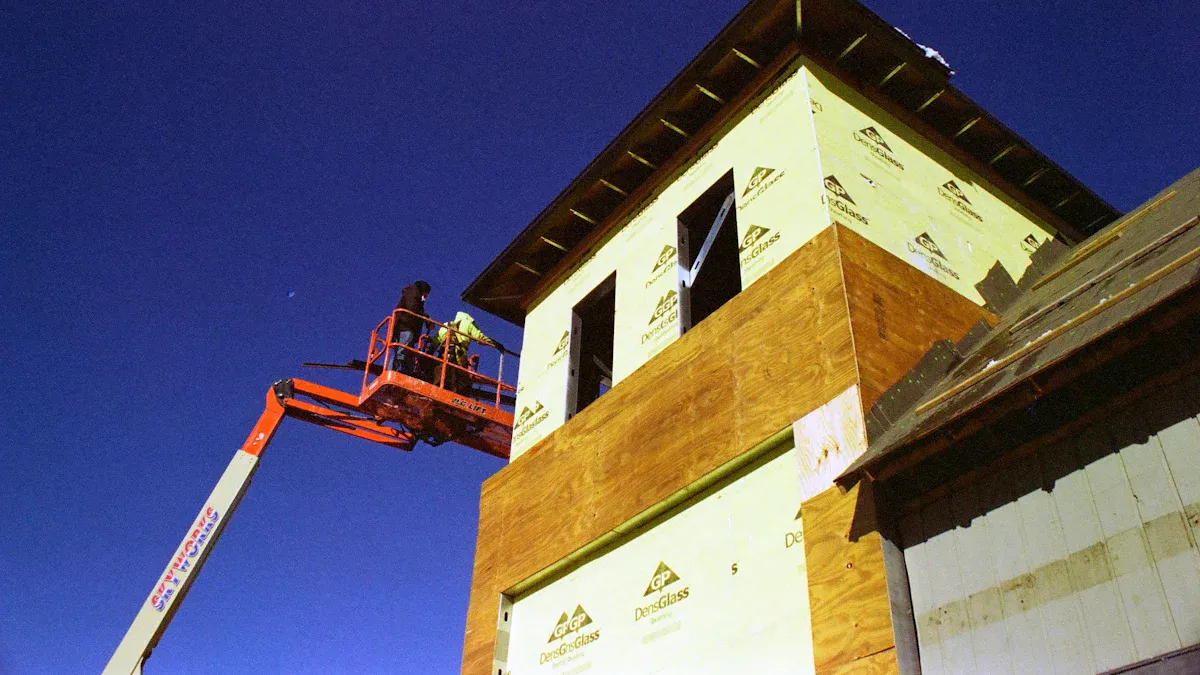
You can use mgo sheathing board in lots of ways. Its special features make it good for homes and businesses. You will see mgo in walls, ceilings, and floors. People also use it for special building projects. Let’s check out the many ways you can use this strong board.
Interior Applications
Mgo works great inside buildings. You can use it for walls and room dividers. It is also good for decorations. The board helps keep your space safe and clean. Here is a table that shows where you can use mgo and what it does:
Application Area | Benefits |
|---|---|
Indoor Walls | Fire resistance, moisture resistance |
Partitions | Mold and mildew resistance |
Decorative Elements | Versatile for feature walls and custom designs |
Residential Buildings | Durable, soundproof, and non-toxic |
Offices and Workspaces | Clean, easy to maintain, safe for high-traffic areas |
Mgo panels do more than keep you safe. They are strong and do not change shape when wet. The boards do not bend or break easily. This makes them good for walls and ceilings that hold weight. You can count on mgo sheathing to last longer than many other boards.
Here is how mgo stacks up against other materials for inside walls and ceilings:
Performance Metric | MgO Boards | Traditional Materials |
|---|---|---|
Water Absorption Rate | Very low (0.0023 – 0.0084 kg/m²s^0.5) | Variable, generally higher |
Mold Resistance | Resists mold and mildew even in damp areas | Susceptible to mold growth and damage |
Compressive Strength | 12 – 25 MPa | 3 – 6 MPa (Gypsum) / 3 – 45 MPa (Plywood) |
You can use mgo for tile backers, sub-floors, and underlayment. The board helps keep your house warm in winter and cool in summer. It also helps the air stay clean by stopping mold and moisture.
Tip: Mgo sheathing board is simple to cut and put in place. You can shape it for special designs or use it to make rooms quieter.
Exterior Applications
You need tough boards for the outside of buildings. Mgo sheathing board can handle rain, snow, and wind. You can use it for outside walls, cladding, and soffits. The board stays strong even in bad weather.
Here is a table that shows how mgo does compared to other boards for outside use:
Feature | MgO Sheathing Board | OSB | Plywood | Gypsum |
|---|---|---|---|---|
Flexural Strength Loss | Almost none | 40% | 9% | 36%-52% |
Shear Strength | Exceeds 280 psf | N/A | N/A | N/A |
Screw Withdrawal Strength | Exceeds 155 lbs | 32 lbs | N/A | N/A |
Moisture Resistance | Excellent | Poor | Moderate | Moderate |
Resistance to Mold/Insects | Yes | No | No | No |
You can trust mgo to protect your building in cold places. The board does not lose strength when it gets wet or frozen. It lets water vapor out, so walls stay dry. If water gets in, the board dries fast. This helps stop damage from ice, snow, or heavy rain.
Note: Mgo sheathing works well for outside walls in homes, schools, and hospitals. You can use it for siding, soffits, or as a base for stucco or brick.
Specialized Uses
Mgo sheathing board is also good for special needs. You can use it in places that need extra safety or strength. Here are some examples:
Specialized Use | Benefit |
|---|---|
Fire-rated walls | Complies with ASTM E84 for fire safety |
Coastal factories | High resistance to rust and durability |
Energy efficiency | Better heat insulation than regular boards |
Bathrooms and kitchens | Resists water and moisture effectively |
High humidity areas | |
Mold prevention | Inorganic material prevents fungal growth |
High-temperature areas | Does not melt under high temperatures |
Long-term exposure | Degrades minimally after prolonged heat exposure |
Healthier indoor spaces | Prevents mold and mildew growth |
Structural integrity | Maintains strength in moist conditions |
You can use mgo in bathrooms, kitchens, and basements. The board does not bend or swell in wet places. It also works well in factories near the sea, where salt and water can hurt other boards. Mgo sheathing board keeps its shape and strength for many years.
Callout: You can pick mgo for many uses, from fire-safe walls to energy-saving buildings. The board helps make spaces safer, healthier, and longer-lasting.
You can see that mgo sheathing board fits many jobs. You can use it inside, outside, or for special projects. The board stands up to cold, wet, and tough places. You get a board that works for almost any job.
MgO vs. Other Boards
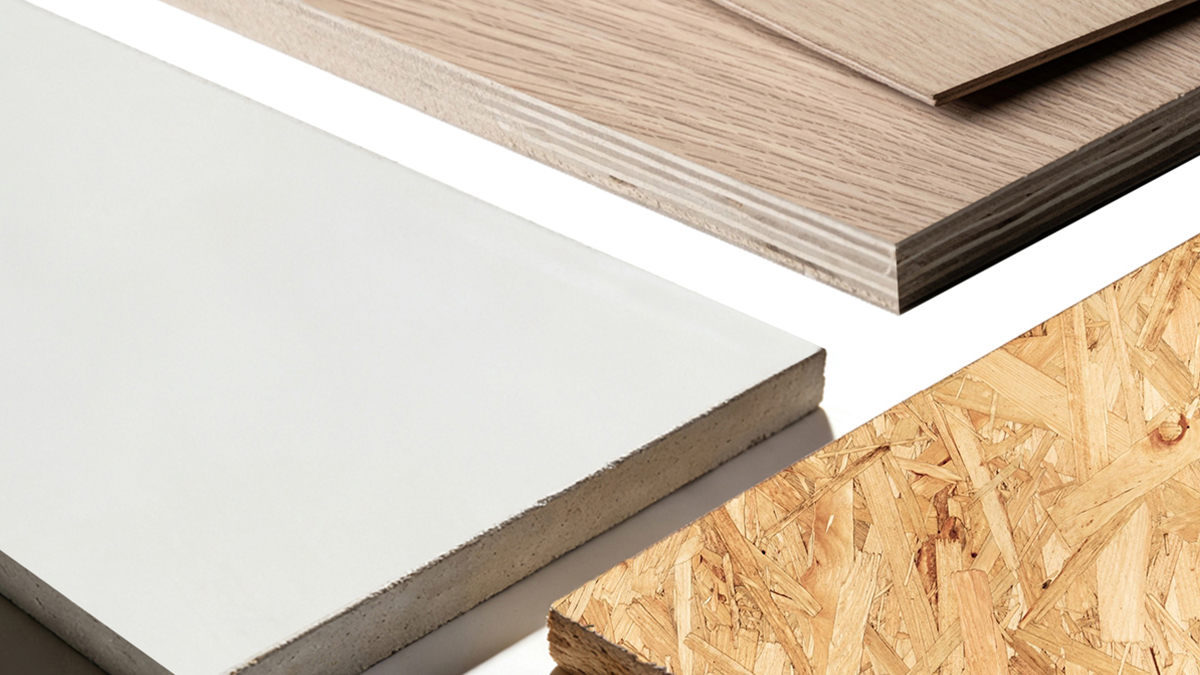 You want the best board for your project. MgO sheathing is different from plywood, gypsum board, and OSB. These boards are not all the same. MgO sheathing is better at stopping fire and mold. It is also stronger. This is because mgo sheathing is made from minerals. Other boards use things like wood. Wood can burn and grow mold.
MgO vs. Plywood
Many buildings need good fire safety. MgO sheathing does not burn in a fire. Plywood burns fast and is not safe in fires. Look at this table:
Material | Fire Resistance Characteristics |
|---|---|
MgO Board | High fire resistance; non-combustible; withstands temperatures up to 800 degrees without melting or deforming. |
Plywood | Easily catches fire; not a safe option in fire-prone areas. |
MgO sheathing also fights mold and water. Plywood can get wet and rot. MgO sheathing lasts longer and keeps you safer.
MgO vs. Gypsum Board
You want a board that does not soak up water. MgO board only takes in a little water. Gypsum board takes in much more water. MgO sheathing stays flat and strong. Gypsum board can bend and grow mold. Here is a table to compare:
Feature | MgO Board | Gypsum Board |
|---|---|---|
Surface Moisture Absorption | 0.34% | Nearly 3% |
Resistance to Water Damage | Excellent (no swelling or warping) | Poor (prone to swelling and warping) |
Mold Resistance | High (resists mold growth) | Low (more susceptible to mold) |
You should know about putting the boards in place. Gypsum board is light and easy to cut. MgO sheathing is heavy and needs special tools. You may need two people to lift mgo board. Gypsum board goes up faster, but it does not stop fire or mold as well.
MgO vs. OSB
MgO sheathing uses minerals and fiberglass mesh. OSB uses wood pieces and glue. MgO board is strong and stops fire. OSB is not as good in fires and can bend when wet. See this table:
Feature | MgO Sheathing Board | Oriented Strand Board (OSB) |
|---|---|---|
Main Components | Magnesium oxide, binding agents, fiberglass mesh, fillers | Wood strands, adhesives, wax |
Fire Resistance | High due to magnesium oxide | Moderate, depends on adhesives used |
Moisture Resistance | Excellent | Poor |
Durability | Very High | Moderate |
MgO sheathing does not soak up water or change shape. OSB gets wet fast and can grow mold. MgO board gives you better strength and lasts longer.
Tip: Pick mgo sheathing if you want strong fire and mold resistance. It is a good choice for tough jobs and keeps your building safe.
Environmental Impact & Installation
Sustainability of MgO Board
You might wonder how mgo board affects nature. Mgo board is made from minerals found in the earth. It does not have dangerous chemicals. Making mgo board puts less pollution in the air than making gypsum or wood boards. When you use mgo for walls and insulation, you help protect the planet. The board is strong and stands up to bad weather. You can recycle mgo board when you are done with it. Many mgo boards meet tough rules for fire safety and keeping heat in. Here is a table that shows how mgo board helps the environment and what awards it has:
Material | Environmental Impact | Recycling Potential |
|---|---|---|
MgO Board | Made from natural, non-toxic materials; lower emissions during production | Recyclable, does not contain harmful chemicals |
Gypsum Board | Energy-intensive production process; natural material but less eco-friendly overall | Possible, but less common |
Certification/Standard | Description |
|---|---|
CAN/ULC-S101 | Fire tests for building materials |
ASTM E119 | Fire endurance tests |
CAN/ULC S102 | Surface burning characteristics |
ASTM E84 | Surface burning characteristics |
CAN/ULC S135 | Combustibility parameters |
Basic Installation Guidelines
You need to follow steps to put in mgo board. Use a utility knife for small boards. Use a circular saw for big boards. Always wear safety glasses and a dust mask. Attach the board with self-tapping screws. Make sure the screws are spaced the same distance apart. Do not drive the screws in too far. Cover the seams with fiberglass mesh tape and joint compound. Sand the seams gently after they dry. Put vapor barriers in wet places to keep out water and help with insulation. Seal the board well if you use it outside. Try not to make these mistakes:
Look for water, rust, or mold on boards before you start.
Use carbide blades and be careful when moving boards.
Pick the right screws and do not crack the board.
Remember mgo board can break and does not hold nails well.
Tip: If you install mgo board the right way, it keeps heat in, blocks sound, and stops water.
Safety and Handling
You need to stay safe when you work with mgo backer board. Wear safety glasses or goggles to keep dust out of your eyes. Use a dust mask or respirator so you do not breathe in dust. Put on gloves and wear long sleeves and pants. Cutting and sanding mgo board makes dust. Masks and respirators help you stay healthy. You keep your work area clean and safe. The board is strong and fights fire, water, and mold. It also keeps heat and sound in. You get better protection for every job.
You can see that MgO sheathing board has many good points. It is great because it stops fire, water, and mold. You can put MgO in walls, floors, or ceilings. The board lasts a long time and helps you save money. Here are the main reasons people like it:
Advantage | Description |
|---|---|
Longevity | Stops fire, water, pests, and rot |
Versatility | Works for many building types and places |
Health Benefits | Makes indoor air cleaner |
MgO boards help keep your home safe and cozy.
More people want MgO because it is strong and good for the planet.
You are making a smart choice if you use MgO for your project.
FAQ
What tools do you need to cut MgO sheathing board?
You can use a utility knife for thin boards. For thicker boards, use a circular saw with a carbide blade. Always wear safety glasses and a dust mask to protect yourself from dust.
Can you paint or tile over MgO sheathing board?
Yes, you can paint or tile over MgO sheathing board. Make sure the surface is clean and dry. Use a primer before painting. For tiles, use a suitable adhesive.
Is MgO sheathing board safe for people with allergies?
MgO sheathing board does not support mold or mildew growth. It does not release harmful chemicals. You get cleaner air in your home, which helps people with allergies.
How does MgO board handle freezing temperatures?
MgO board resists freezing and thawing cycles. It does not crack or lose strength in cold weather. You can use it in places with harsh winters.