
30 Apr Understanding the 2026 Fire Safety Ratings of Magnesium Oxide Panels
Image Source: pexels
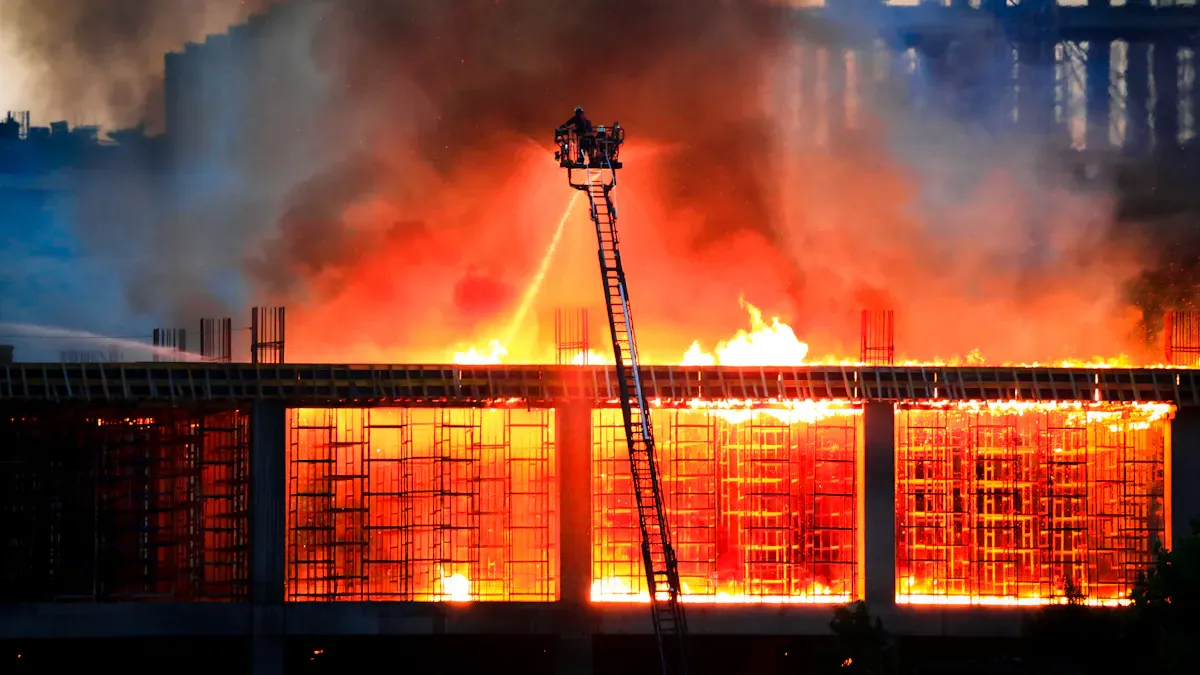
You know fire safety is very important in every building job. In 2026, fireproof magnesium oxide panels have an A1 rating. This means they do not burn and are great for fire safety. The table below shows why these panels are special:
Material Type | Fire Rating | Description |
|---|---|---|
Magnesium Oxide Boards | A1 | Non-combustible, ideal for critical fire safety applications. |
You use fire safety rules to keep people safe in buildings. The most well-known rules are EN 13501, ASTM E119, and BS 476. These ratings help you pick panels that follow strict fire safety laws and make buildings safer.
Key Takeaways
Magnesium oxide panels have an A1 fire rating. This means they do not burn. They are great for fire safety in buildings.
Learn about important fire safety standards like EN 13501-1 and ASTM E84. This helps make sure your panels are safe.
Pick magnesium oxide panels because they do not catch fire. They make little smoke and do not give off bad gases in a fire.
Always check the fire rating and rules before you buy panels. This helps you avoid safety problems and follow building codes.
Using fireproof magnesium oxide panels makes places safer. It can also lower insurance costs and protect buildings from fire.
2026 Fire Performance Standards for Magnesium Oxide Board
Key International Standards (ASTM E84, EN 13501-1, ASTM E136, ISO 5660)
It is important to know the main fire safety standards when picking magnesium oxide board for your building. These rules show how safe the panels are if there is a fire. In 2026, the top standards are ASTM E84, EN 13501-1, ASTM E136, and ISO 5660. Each one checks a different part of fire safety.
EN 13501-1 is the main rule in Europe for fire safety. It helps you find out if a magnesium oxide board is non-combustible or not. EN 13501-1 does not test the board by itself. It uses results from other tests to give a fire class. You will see classes like A1, A2, B, C, D, E, and F. Magnesium oxide board usually gets A1 or A2 because it does not burn easily.
ASTM E84 checks how fast fire moves on the surface of magnesium oxide board. This test shows if the board can slow down fire.
ASTM E136 checks if the magnesium oxide board is really non-combustible. This test makes sure the board will not catch fire.
ISO 5660 measures how much heat the magnesium oxide board gives off in a fire. This test shows if the board adds fuel to a fire.
These fire safety rules help you compare magnesium oxide board with other materials. You can trust the results because the tests are strict. Builders like magnesium oxide board because it passes these tests and also protects against mold. More people want boards that are light, strong, and good for the environment. New rules and better technology make magnesium oxide board more popular every year.
You might have some problems when trying to follow en standards. The system is hard to understand, and there is no single rule just for magnesium oxide board. Sometimes, people get confused about en standards, which can mean extra testing or problems with rules. You need to look at the details and make sure your magnesium oxide board passes all the fire safety tests.
Class A and A1 Ratings Explained
You often see Class A and A1 ratings for magnesium oxide board. These ratings show how safe the board is in a fire. Class A and A1 mean the board does not burn and will not spread fire. You can use magnesium oxide board where fire safety is very important.
Feature | Description |
|---|---|
Fire Rating | Rated A1 or A2, indicating noncombustibility and minimal fire spread. |
Smoke Production | Produces very little smoke, enhancing safety during a fire. |
Toxicity | Does not release harmful gases or toxins, ensuring a safer environment. |
Application | Suitable for fireproof walls in both residential and commercial buildings. |
Magnesium oxide board with Class A or A1 rating does not burn. It makes almost no smoke and does not let out harmful gases. You can use it in schools, hospitals, offices, and homes. Commercial buildings need strong fire safety, sound control, and tough materials. Magnesium oxide board helps meet these needs. In homes, price matters, but fire safety is still important.
Magnesium oxide board can handle heat up to 800°C (1,472°F) for hours. You can use it to meet 1-hour and 2-hour fire ratings under ASTM E119. As more people learn about fire risks, magnesium oxide board is used in more buildings.
You need to follow en standards carefully. The European Norm system is hard to follow, and there is no special rule for magnesium oxide board. You must check the fire class from EN 13501-1 and make sure your board passes all the tests. If you do not follow en standards, you could have rule problems or pay extra costs.
The market for magnesium oxide board is getting bigger. Stricter fire safety rules and the need for green materials help this growth. International fire safety rules also make magnesium oxide board more popular. You can use it to help meet green goals and build safer buildings.
Tip: Always check the fire rating and en standards before you buy magnesium oxide board. This helps you avoid mistakes and keeps your building safe.
Non-Combustibility and Reaction to Fire Classification
 Non-Combustibility Criteria and Testing
 Non-Combustibility Criteria and Testing
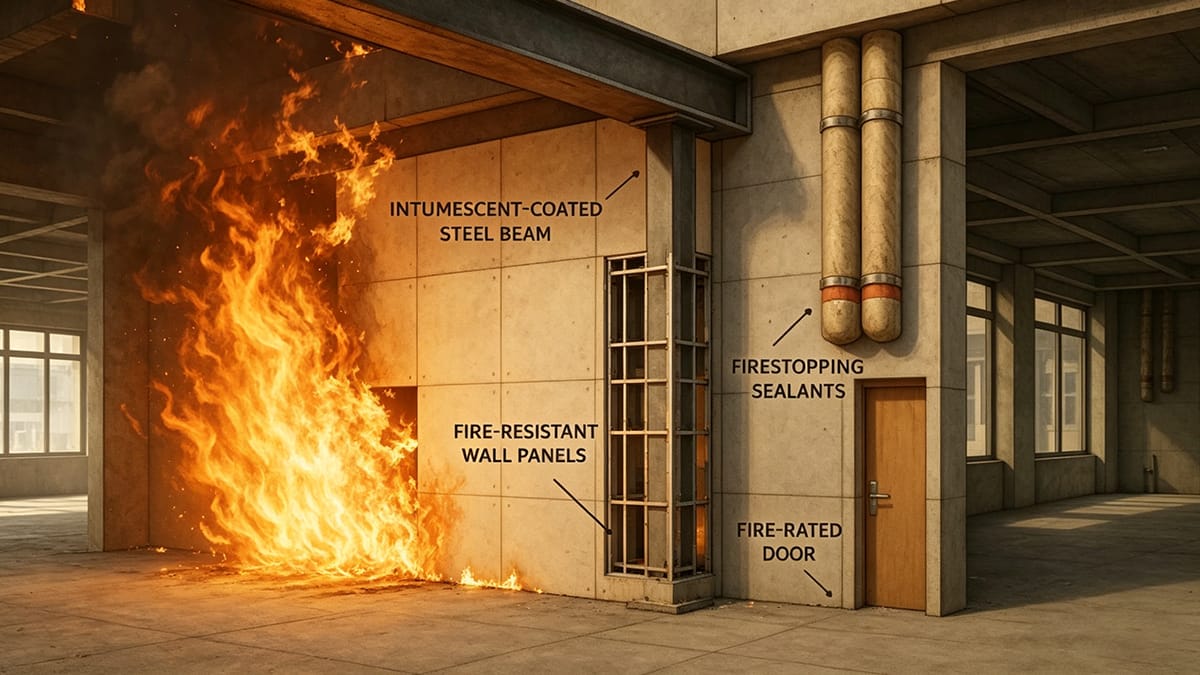
It is important to know how experts test magnesium oxide panels. They do this to see if the panels are non-combustible. This helps keep buildings safe from fire. Two main rules are used: ASTM E136 and EN 13501-1. These rules show if a panel will burn or make a fire worse.
ASTM E136 checks if a material will catch fire in high heat. EN 13501-1 uses other test results to give a fire class. You can look at the table below to see the results:
Standard | Fire Rating | Flame Spread | Smoke Score |
|---|---|---|---|
EN 13501-1 | A1 | 0 | 0 |
ASTM E136 | N/A | N/A | N/A |
If you see an A1 fire rating, it means the panel does not burn. This is the best fire safety level. Magnesium oxide panels with A1 rating will not catch fire or spread flames.
Testing for non-combustibility has strict rules. The table below shows what a panel must do to get A1 or A2 fire class:
Fire Rating | Key Tests | Criteria/Thresholds |
|---|---|---|
A1 | Non-combustibility test | Temperature rise ≤ 30°C; Mass loss ≤ 50%; No sustained flaming |
| Gross heat of combustion test | Gross calorific potential < 2.0 MJ/kg |
| Notes | Materials with <1% organic content can be A1 without testing |
A2 | Non-combustibility or combustion | Temperature rise ≤ 50°C; Mass loss ≤ 50%; Flaming ≤ 20 s OR calorific ≤ 3.0 MJ/kg |
| Single burning item test | Fire growth rate ≤ 120 Ws⁻¹; Lateral flame spread < specimen edge; Heat ≤ 7.5 MJ/10m |
Magnesium oxide panels usually meet the A1 level. They do not get very hot, lose little mass, and do not keep burning. These panels have very little organic stuff, so they pass the tests. When you pick these panels, you help stop fire from spreading and make your building safer.
Note: Non-combustible magnesium oxide panels are good for stopping fire. They help you follow fire safety rules. You can use them in many kinds of buildings for better fire protection.
Reaction to Fire Classification Process
You should know how the reaction to fire class works. This tells you what happens when a material is in a fire. EN 13501-1 gives the main fire class for building materials in Europe. The table below shows the different classes:
Classification | Description |
|---|---|
A1 | Non-combustible |
A2 | Limited combustibility |
B | Combustible with limited performance |
C | Combustible |
D | Limited performance in fire |
E | Poor performance in fire |
F | Very poor performance in fire |
Magnesium oxide panels often get A1 or A2 fire class. This means they do not burn or only burn a little. You can use these panels in places where fire safety is very important, like schools, hospitals, and tall buildings.
The reaction to fire class uses many tests. These tests check how fast fire spreads, how much smoke is made, and how much heat comes out. For example, ASTM E84 checks how fast fire moves. ASTM E119 checks if the panel stays strong in a fire. EN 13501-1 makes sure the panel gets the right fire class and is safe.
Here is how these tests help you:
Test Name | Purpose | Outcome |
|---|---|---|
ASTM E84 | Flame Spread | Class A rating, indicating low flame spread and high fire safety |
ASTM E119 | Fire Resistance | Confirms structural integrity during fire exposure |
EN 13501-1 | Fire Classification | Validates noncombustibility and safety standards compliance |
When you use magnesium oxide panels with high fire class, you get these good things:
The panels do not burn
They can take high heat
They do not make bad smoke or gases
They stay strong in a fire
You can trust magnesium oxide panels in buildings that need high fire safety. These panels help you follow strict fire rules and keep people safe. Their fire resistance and non-combustibility make them a smart pick for many jobs.
Tip: Always check the fire class and test results before you pick panels. This helps you build safer places and follow fire safety laws.
Fireproof Magnesium Oxide Panels vs Other Materials
Performance Comparison With Gypsum and Cement Boards
 Performance Comparison With Gypsum and Cement Boards
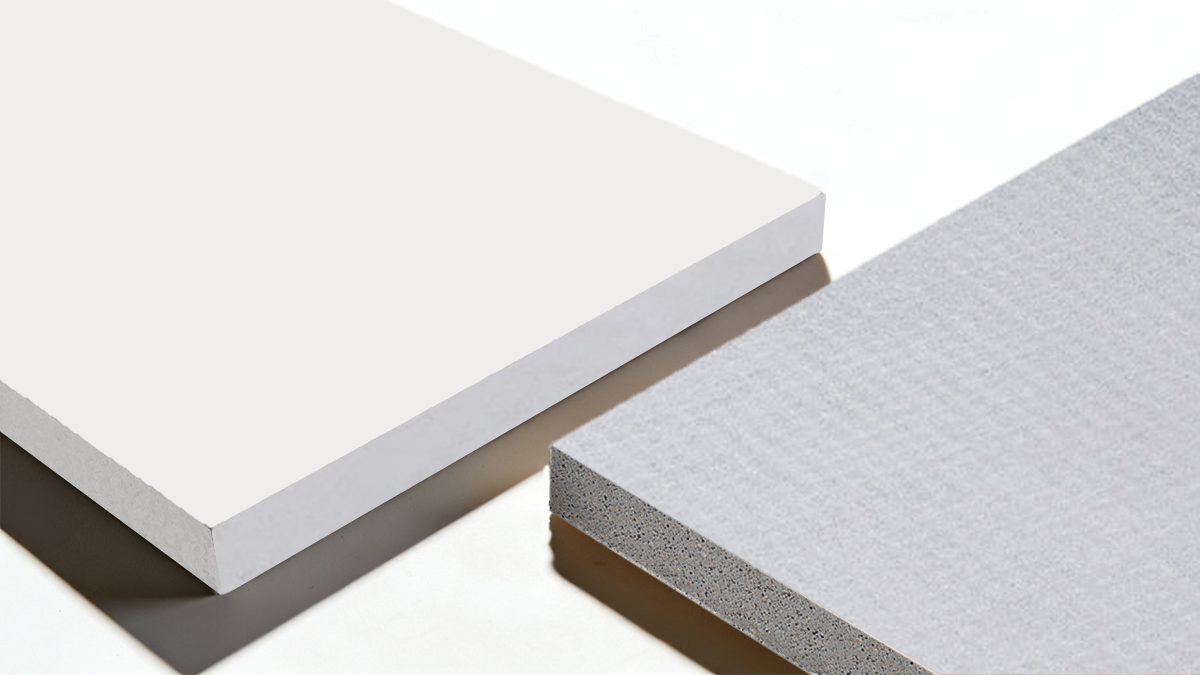
It is important to know how fireproof magnesium oxide panels work compared to other materials. The table below shows how they compare with gypsum boards:
Feature | Magnesium Oxide Panels | Gypsum Boards |
|---|---|---|
Fire Resistance | Non-combustible, withstand high temperatures | Break down faster under heat |
Thickness for Equivalent Fire Resistance | Can achieve fire resistance at 3 mm thickness | Requires at least 12 mm thickness |
Safety Ratings | Meet stringent safety standards, Class A rating | Good ratings, but less effective at high heat |
Performance in Fire | Lasts up to 120 minutes in fire endurance tests | Slows fire spread but loses structure faster |
Fireproof magnesium oxide panels are better at stopping fire. They do not burn and keep their shape in emergencies. You can use them as fire barriers where you need strong protection. These panels are non-combustible, so they do not help a fire grow. Gypsum boards slow fire but lose their shape faster. Cement boards can resist fire, but they are heavy and hard to put in.
Fireproof magnesium oxide panels are also tough and resist water. They work well in wet places and keep their fire safety. You can count on these panels to last longer and keep your building safe.
Application Scenarios and Compliance Tips
 Application Scenarios and Compliance Tips
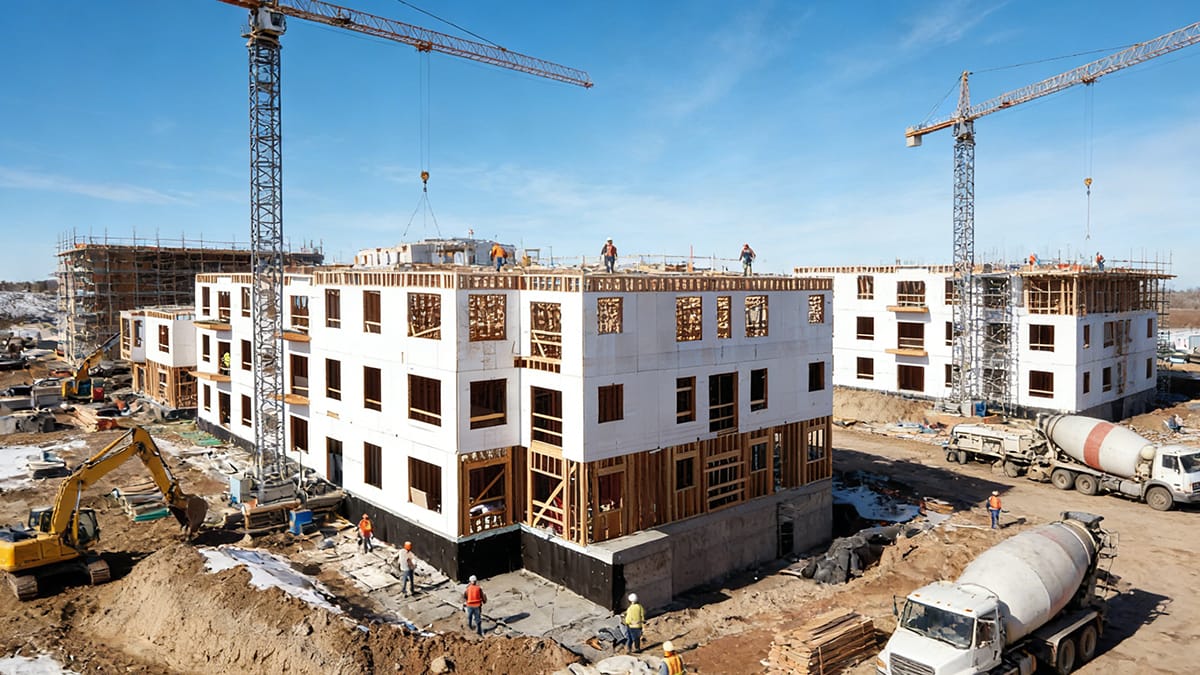
You can use fireproof magnesium oxide panels in many places. The table below shows where you might use them and what rules you need to follow:
Application Scenario | Compliance Implications |
|---|---|
Firewalls | Must meet Class A non-combustible standards to prevent fire spread. |
Fire partitions | Required to ensure safety in fire-critical environments. |
Core tube protection | Compliance with fire safety regulations to protect essential infrastructure. |
Escape routes | Must adhere to strict fire safety codes to ensure safe evacuation. |
Equipment rooms | Compliance with fire safety standards to protect valuable equipment. |
Commercial spaces (e.g., shopping malls, hotels, KTVs, cinemas) | Must meet stringent fire safety requirements to ensure public safety. |
Industrial workshops | Compliance with fire safety regulations to minimize risk in high-risk environments. |
Always check that fireproof magnesium oxide panels follow fire safety rules. Make sure your walls pass tests like ASTM E119 and ICC-ES ESL-1290. For tall buildings, you need to do NFPA 285 tests for outside fire safety. Always follow local building codes and use approved wall systems.
Tip: Using fireproof magnesium oxide panels can help lower insurance costs. These panels do not make harmful gases and are good fire barriers. You help keep people safe and protect property.
You get many good things when you pick fireproof magnesium oxide panels. They are great at stopping fire, last a long time, and resist water. They meet strict safety rules. You can use them in fire-rated walls or as fire barriers in risky places. Their fire safety helps you build stronger and safer buildings.
It is important to know about the 2026 fire safety ratings for magnesium oxide panels. These panels are very good at stopping fire. They follow tough safety rules and do not burn or make bad smoke. When you pick certified panels, you help keep people and buildings safe.
Feature | Benefit |
|---|---|
Fire Resistance | Class A/A1 rating, withstands high heat |
Safety Compliance | Meets international building codes |
Non-combustibility | No flames or harmful smoke |
You should look for new standards and ICC-ES reports. Always learn about new rules to keep your projects safe and follow the law.
FAQ
What does fire safety testing mean for magnesium oxide panels?
You see fire safety testing as a way to check how magnesium oxide panels react to fire. Experts use testing to measure heat, smoke, and flame spread. You trust panels that pass strict testing for safer buildings.
How often should you do fire safety testing on panels?
You need to do fire safety testing every time you buy new panels or change suppliers. Testing helps you make sure panels meet current rules. You should repeat testing if standards change or if you use panels in new ways.
Which testing standards matter most for magnesium oxide panels?
You focus on EN 13501-1, ASTM E84, ASTM E136, and ISO 5660. These testing standards show if panels are non-combustible and safe. You rely on testing to compare panels and pick the best ones for your project.
Can you trust testing results from different labs?
You must check if labs follow official testing rules. You trust labs with certifications and experience. Testing from approved labs gives you reliable results. You avoid problems by using panels with proper testing reports.
Why does testing help you follow building codes?
You use testing to prove panels meet fire safety laws. Testing shows panels are safe and non-combustible. You need testing reports for inspections. You keep your project legal and safe with regular testing.